
A secure garage door can help keep your home and vehicles safe from theft. Here’s what you need to know about garage door locks so you can lock up like an expert.
Security
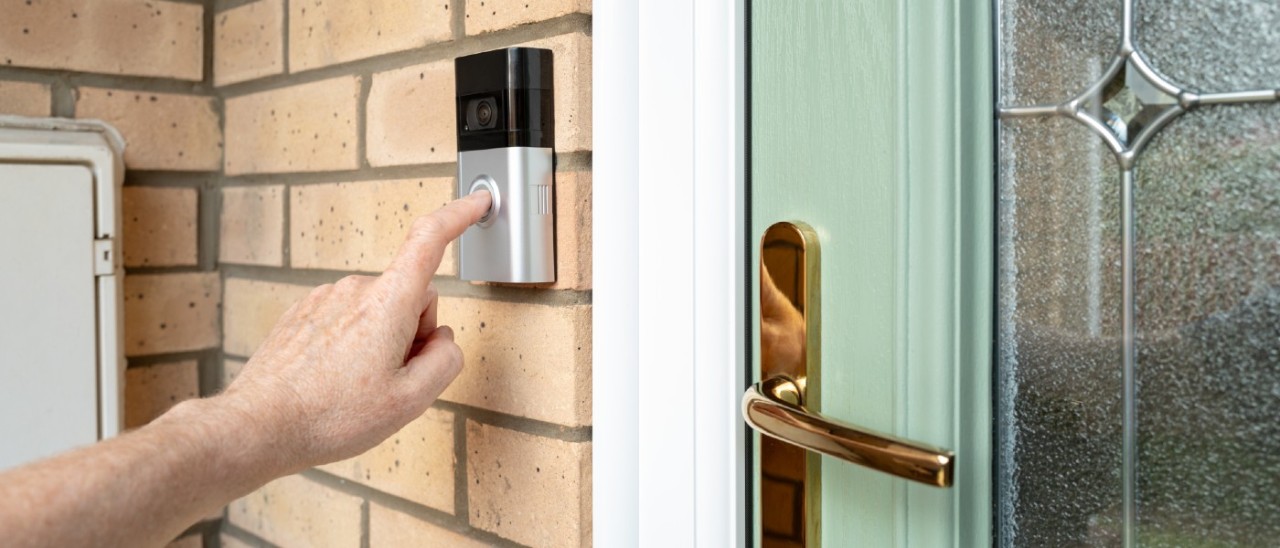
Practical guides to help you protect your property

Video doorbell guide: choosing the right system for your home
A video doorbell is one of the simplest and most effective ways to boost your home security.
Whether you want to monitor deliveries, deter unwanted visitors or keep an eye on your property while you're away, modern video doorbells offer a range of smart features that can help protect your property.
Read on for how video doorbells work, key front door security measures, the role of AI detection features, and how to choose between wired vs wireless systems or a front door solution versus a whole house setup.
Practical guides to help you protect your property
What is a video doorbell and how does it work?
A video doorbell is a smart security device installed at your front door to capture faces and movement approaching your entry.
When someone presses the doorbell, or even approaches your front door, the device sends a notification to your phone. Many systems also record footage, so you can review activity later.
Advanced models combine a doorbell, camera, microphone and internet connectivity to allow you to see, hear and speak to visitors in real time via your smartphone or tablet.
More: The smart home devices that can help you save money
Key features to look for in a video doorbell
When comparing video doorbells, focus on features that align with your needs and lifestyle. Consider features like:
- high-resolution video (at least 1080p) - ensures clear images
- field of view - wider angles can reduce blind spots, but may distort images at the edges
- two-way audio - allows you to communicate with visitors remotely
- motion detection and customisable alerts - helps you stay informed in real time
- cloud storage or local storage options - determine how footage is saved and accessed
- weather resistance - essential for outdoor durability, especially in Australia's varied climate.
Check compatibility with your existing smart home ecosystem, such as voice assistants or security apps, to ensure seamless integration.
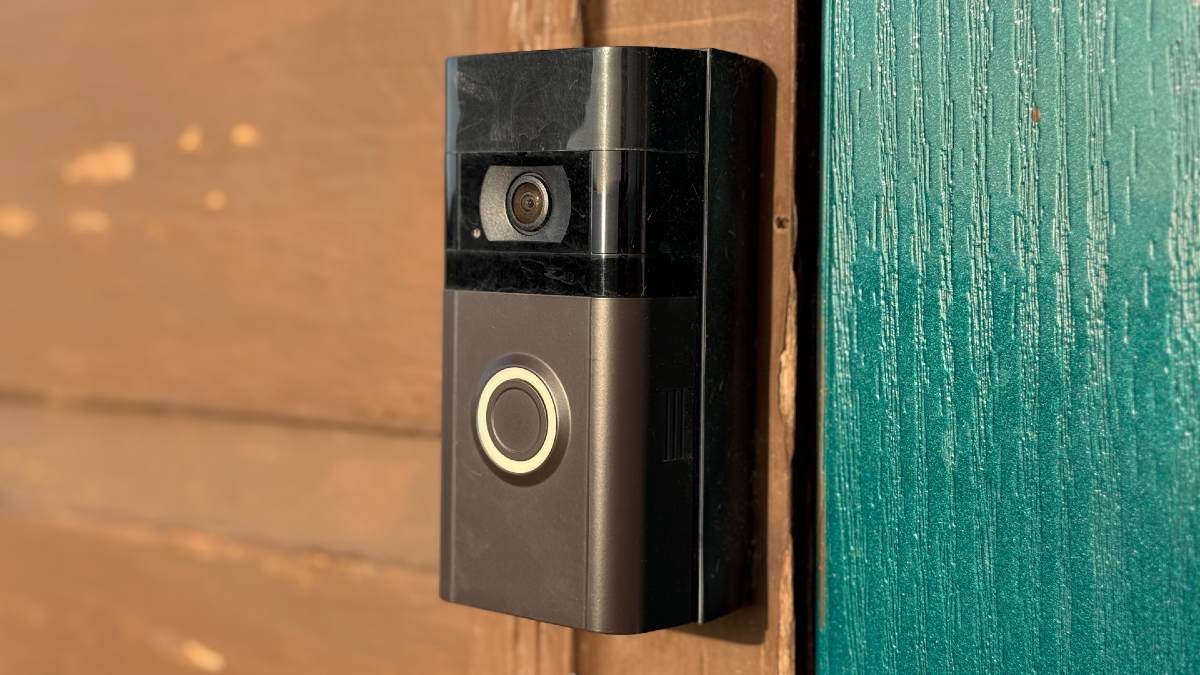
Some video doorbells can stream real-time video to your smartphone. Image: Matt Harvey
Wired vs wireless video doorbells
Choosing between a wired vs wireless video doorbell is one of the most important decisions when setting up your system.
Wired video doorbells
Wired systems connect directly to your home's electrical wiring, often using existing doorbell infrastructure.
The main advantage is reliability. Wired doorbells don't rely on batteries, so you won't need to worry about recharging or replacing them. They also tend to provide more consistent performance, especially for continuous recording.
However, installation can be more complex. If your home doesn't already have compatible wiring, you may need professional installation.
Wireless video doorbells
Wireless (battery-powered) video doorbells are easier to install and more flexible in terms of placement. They're ideal for renters or homeowners who want a quick, DIY-friendly solution. Most models can be mounted in minutes without specialised tools.
The trade-off is maintenance and security. Batteries need to be recharged or replaced periodically, and performance can vary depending on Wi-Fi strength and usage.
There are also cheap tools available online that can disrupt or knock out home Wi-Fi, rendering wireless cameras useless.
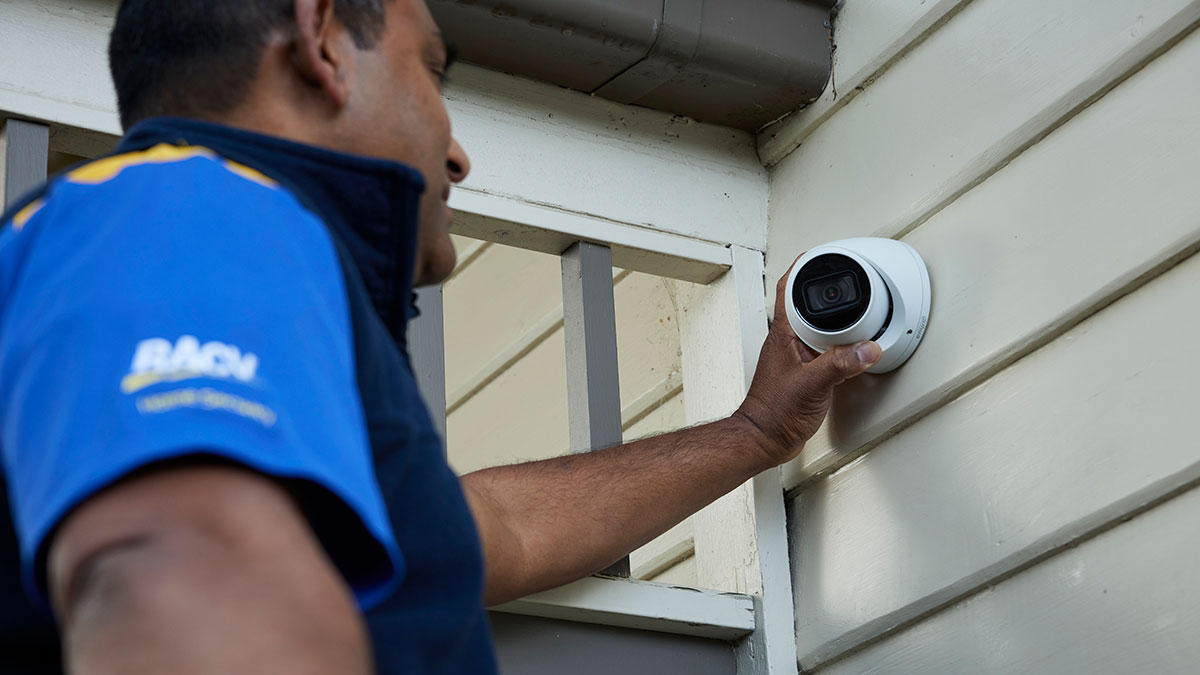
Wired security systems may need professional installation.
Front door vs whole house security systems
While a video doorbell is a strong starting point, it's worth considering whether you need a broader home security system.
Front door-only setup
A standalone video doorbell is suitable for many households, particularly if your main concern is monitoring visitors and deliveries.
It's a cost-effective option and can still provide a significant security boost. For apartments or smaller homes, a front door solution may be all you need.
Whole house system
A whole house security system integrates your video doorbell with additional cameras, sensors and smart devices.
This might include:
- outdoor security cameras covering driveways, backyards and entry points
- motion sensors and alarms
- quality locks
- external lighting.
The benefit is comprehensive coverage. Instead of focusing solely on the front door, you gain visibility across your entire property.
Integrated systems can also automate responses. For example, lights can turn on when motion is detected, or recordings can start across multiple cameras at once.
While more expensive, a whole house system offers a higher level of security and peace of mind, particularly for larger homes or properties with multiple access points.
AI detection: smarter alerts, fewer false alarms
One of the biggest advancements in video doorbell technology is the use of artificial intelligence (AI) to improve detection accuracy.
Basic motion detection systems can trigger alerts for anything that moves: passing cars, pets, or even blowing leaves. AI detection features are designed to filter out these false alarms and focus on what matters.
Many modern video doorbells can distinguish between people, vehicles, animals and packages. Some systems can even recognise familiar faces, allowing you to customise alerts depending on who is at your door.
Package detection is particularly useful for managing deliveries. You'll receive a notification when a parcel is dropped off - and in some cases, if it's removed.
However, it's important to understand that AI features often rely on cloud processing and may require a subscription. When comparing options, consider both upfront costs and any ongoing fees.
A video doorbell can help improve your home security. Image: Getty
Is a video doorbell worth it?
For many households, a video doorbell is a practical and accessible way to improve home security.
It offers real-time visibility, acts as a deterrent and provides valuable evidence if an incident occurs. When combined with other front door security measures, it becomes part of a broader, more effective home protection strategy.
By understanding AI detection features, weighing up wired vs wireless options, and deciding between a front door or whole house setup, you can choose a solution that fits your home and gives you greater confidence in your security.
Other front door security measures to consider
Your front door is one of the most common entry points for both visitors and intruders.
A video doorbell works best when combined with other front door security measures.
- External lighting - even the best cameras struggle in poor lighting conditions; lighting can improve clarity after dark.
- Physical security - reinforced doors, quality locks and security screens add an extra layer of protection that complements your video doorbell.
- Signage - letting visitors know the property is monitored can discourage opportunistic theft or unwanted behaviour.
RACV Security Pty Ltd ABN 49 079 148 342 trading as RACV Home Security. Security Licence (Vic.) 733-411-10S and Security Registration (Vic.) 733-411-31S.

