
For new builds or renovations, an all-electric approach can help households save on energy bills and create a more comfortable and sustainable home. Here’s a guide to going all-electric.
Safety

What to do if you smell gas at home
Smell gas at home? Learn the signs of a gas leak, what to do immediately, what to avoid, and how to protect your household with this practical safety guide.
A gas leak is one of the most serious household emergencies you can face. While natural gas is a safe and efficient energy source when installed and maintained correctly, a leak can increase the risk of fire, explosion and carbon monoxide exposure if gas appliances aren't operating properly.
RACV Trades Senior Product Manager Nathan Tayeh says RACV Emergency Home Assist attended 895 call-outs for gas leaks in 2025.
“The number of call-outs shows gas leaks are not rare household issues," Tayeh says. "Many start with a small smell or concern, so homeowners should never ignore warning signs.”
Knowing how to recognise the signs of a gas leak, what to do if you smell gas, and when to call for help can help keep you and your household safe.
More: The most common home emergencies for calls to tradies
What does a gas leak smell like?
Natural gas is naturally odourless, but gas suppliers add a harmless chemical called mercaptan to give it a distinctive smell. It's commonly described as smelling like rotten eggs or sulphur.
If you notice this smell inside or around your home, treat it seriously, even if the odour seems faint or comes and goes.
Other signs of a gas leak can include:
- a hissing or whistling sound near a gas pipe or appliance.
- dead or dying plants near an underground gas line.
- unusually high gas bills without increased usage.
- pilot lights that frequently go out.
- bubbles forming in standing water near an outdoor gas line.
If you suspect a gas leak, call a professional rather than trying to determine where it's coming from yourself.
Make sure you know who your gas distributor is, so you can call their emergency number if necessary.
What should you do if you smell gas?
If you think you can smell gas, follow these steps as soon as possible.
1. Turn off gas appliances and the gas supply, if it is safe to do so
If safe to do so, turn off any gas appliances. You can also turn off the gas supply, but only if you can safely access your gas meter or isolation valve safely and without entering an area with a strong gas smell.
Do not take unnecessary risks. If the gas smell is strong or you feel unsafe, leave the property immediately instead.
2. Open doors and windows
If it is safe to remain inside briefly, open doors and windows to help ventilate the building and reduce the concentration of gas. Avoid spending longer indoors than necessary.
3. Evacuate everyone from the property
Get everyone, including pets, out of the home as quickly as possible. Move to a safe location well away from the property before making any phone calls.
4. Avoid creating sparks or flames
Gas can ignite easily, so avoid anything that could create a spark. Do not:
- light matches, candles or cigarettes
- turn lights or electrical appliances on or off
- use garage door openers or doorbells
- start vehicles parked close to the suspected leak
- use mobile phones inside the property.
Even small electrical sparks can ignite accumulated gas.
5. Call your gas distributor
Once you are safely away from the property, contact your local gas distributor's emergency line to report the suspected gas leak. They can advise you on the next steps and arrange for an emergency response if required.
You can find your gas distributor's emergency number on your gas bill. The emergency contacts for gas distributors in Victoria are:
- Multinet Gas (132 691)
- Australian Gas Networks (1800 427 532)
- AusNet Services (136 707).
If you believe there is an immediate danger to life or property, call emergency services on 000.
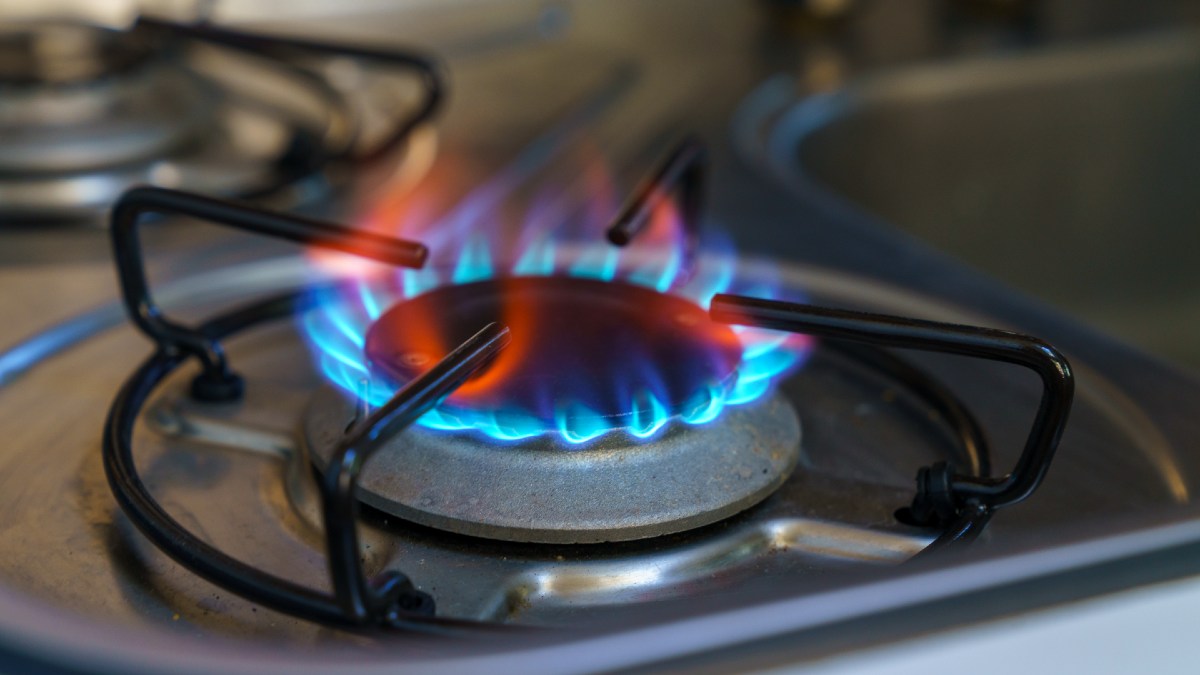
Turn off gas appliances if you smell a gas leak, but only if it's safe to do so. Image: Getty
What should you not do if you smell gas?
During a suspected gas leak, avoid trying to investigate or repair the problem yourself. Never:
- search for the leak using a naked flame.
- attempt DIY repairs to gas pipes or appliances.
- ignore the smell because it disappears temporarily.
- re-enter the property until it has been declared safe.
- turn the gas supply back on yourself unless instructed by the gas distributor or a licensed gasfitter.
Gas appliances and pipework should only be repaired by a licensed gasfitter.
When should you call a licensed gasfitter?
Not every gas issue is an emergency, but many require the attention of a licensed gasfitter or a plumber who is also a licensed gasfitter. Here is a list of reasons to call:
- you repeatedly smell small amounts of gas around an appliance.
- a pilot light won't stay lit.
- a gas appliance isn't operating correctly.
- your gas hot water service or heater appears faulty.
- you are installing, disconnecting or replacing a gas appliance.
Regular servicing of gas appliances can help identify worn parts and potential problems before they become hazardous.
Get a quote from a trusted gas service technician near you.
How can you reduce the risk of a gas leak?
While not every gas leak can be prevented, regular maintenance goes a long way towards improving safety. Good habits include:
- having gas appliances serviced according to the manufacturer's recommendations.
- only using licensed gasfitters for installations, repairs and servicing.
- keeping appliance ventilation areas clear.
- knowing where your gas shut-off valve is located.
- replacing ageing or damaged appliances when recommended.
- installing carbon monoxide alarms where appropriate, particularly near gas heaters, as an added layer of protection.
If you use gas heating, have it professionally serviced at least every two years, or more frequently if recommended by the manufacturer.
Thinking about replacing gas appliances?
For households looking to reduce their reliance on gas, electrification may be worth considering when appliances are due for replacement. Before switching to electric heating, cooking or hot water, speak to a licensed tradesperson to understand what’s involved.
“If you’re replacing an older gas appliance, that can be a good time to ask whether an electric option would suit your home,” Tayeh says.
“The important thing is to get advice from licensed trades first, as some homes may need electrical upgrades before new appliances are installed safely.”
More: How to switch your home from gas to electricity - costs, benefits and rebates
Only licensed gasfitters should install, service and repair gas appliances.
Can a gas leak cause carbon monoxide poisoning?
A gas leak itself is different from carbon monoxide exposure, but faulty gas appliances can produce dangerous levels of carbon monoxide if they are not burning fuel correctly.
Carbon monoxide is colourless, odourless and cannot be detected by smell. Instead, watch for symptoms of carbon monoxide poisoning, which may include:
- headaches
- dizziness
- nausea
- fatigue
- confusion
- shortness of breath.
If multiple people in the home experience these symptoms, particularly while gas appliances are operating, move outside immediately and seek urgent medical advice.
Gas leak FAQs
No. If you suspect a gas leak, leave the property as soon as it is safe to do so, then contact your gas distributor from a safe location.
The smell may seem to disappear if gas disperses, but the leak may still be present. Never ignore the smell of gas, even if it only lasts a short time.
Only a licensed gasfitter should repair gas appliances or gas pipework. Never attempt to fix a suspected gas leak yourself.
Follow the manufacturer's servicing recommendations. Gas heaters should generally be serviced at least every two years, while other appliances should be inspected regularly to ensure they continue operating safely.
Gas leaks can occur for several reasons, including ageing gas pipes, faulty gas appliances, incorrect gas appliance or pipework installation, accidental damage (e.g. during renovations, gardening or excavation work), or extreme weather (e.g. storms, flooding, or shifting ground damaging underground gas infrastructure).
RACV Trades is a trading name of RACV's trade partner, Club Home Response Pty Ltd (Victorian registered domestic building practitioner number CDB-U 100178). All works are performed or arranged by Club Home Response Pty Ltd. trading as RACV Trades. See RACV Trades terms and conditions

