The first appliance to replace when getting off gas is often the hot water system or space heater. These appliances are commonly among the biggest household energy users, so replacing them may have a larger impact on gas use and bills than smaller appliances, depending on the household.
Energy Efficiency
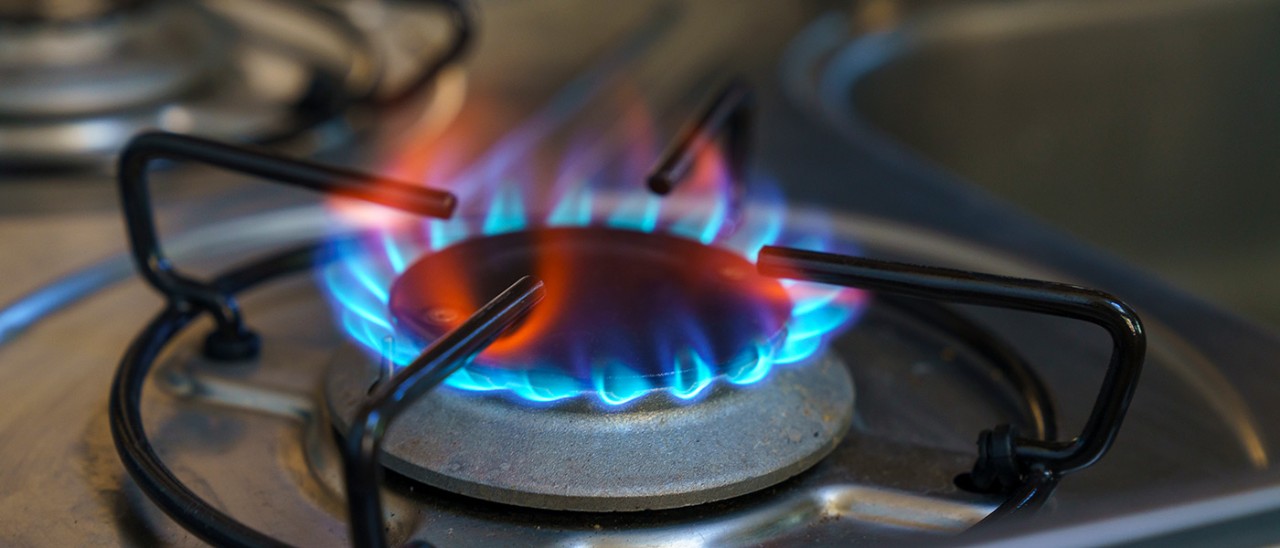
Step-by-step guide for switching from gas to electricity
How to get off gas at home: what to replace first
A practical guide for households considering ways to reduce their reliance on gas.
As energy prices, appliance options and government rules continue to change, some households may be weighing up whether moving away from gas could work for their home. For households considering the change, the challenge is often knowing where to start.
Aimee Mansfield, Head of Customer, Product & Partnerships at Home Trades Hub Australia, says households don’t need to replace all gas appliances at once.
“Some households electrify one appliance at a time, while others switch several appliances together,” Mansfield says. “If you’re not ready to go fully electric yet, tools such as an electrification calculator can help estimate potential savings before you speak to an expert about a pathway that fits your home, budget and timing.”
In Victoria, upcoming changes also make it worth planning ahead. From 1 March 2027, when a gas hot water system breaks down and is beyond repair, it must be replaced with an efficient electric alternative.
This guide outlines a practical order to consider when moving from gas to electric appliances, including what to check first, which upgrades often make sense to prioritise, and when to factor in electrical work, solar and government rebates.
RACV Trades and RACV Solar can assist with induction cooktops, heat pump hot water systems, split system air conditioners, electric vehicle chargers, solar panels and home batteries.
Step-by-step guide for switching from gas to electricity
Step 1: Audit your gas appliances
To conduct a gas appliance audit, walk around your home and list any gas-connected systems.
What to check:
- Hot water system
- Ducted heating
- Space heating
- Cooktop
- Outdoor kitchen connected to gas
- Gas supply charges.
Next, write down the age of each appliance. Then prioritise the appliances that are oldest, least reliable or hardest to replace quickly. Also note whether replacement may depend on other work, such as wiring upgrades, insulation improvements or a planned renovation.
Safety first
Homeowners must remember that a qualified professional will need to handle the upgrade process. Never disconnect, remove, cap or modify gas appliances or gas connections yourself. Any work involving gas should always be carried out by a qualified and licensed gasfitter.
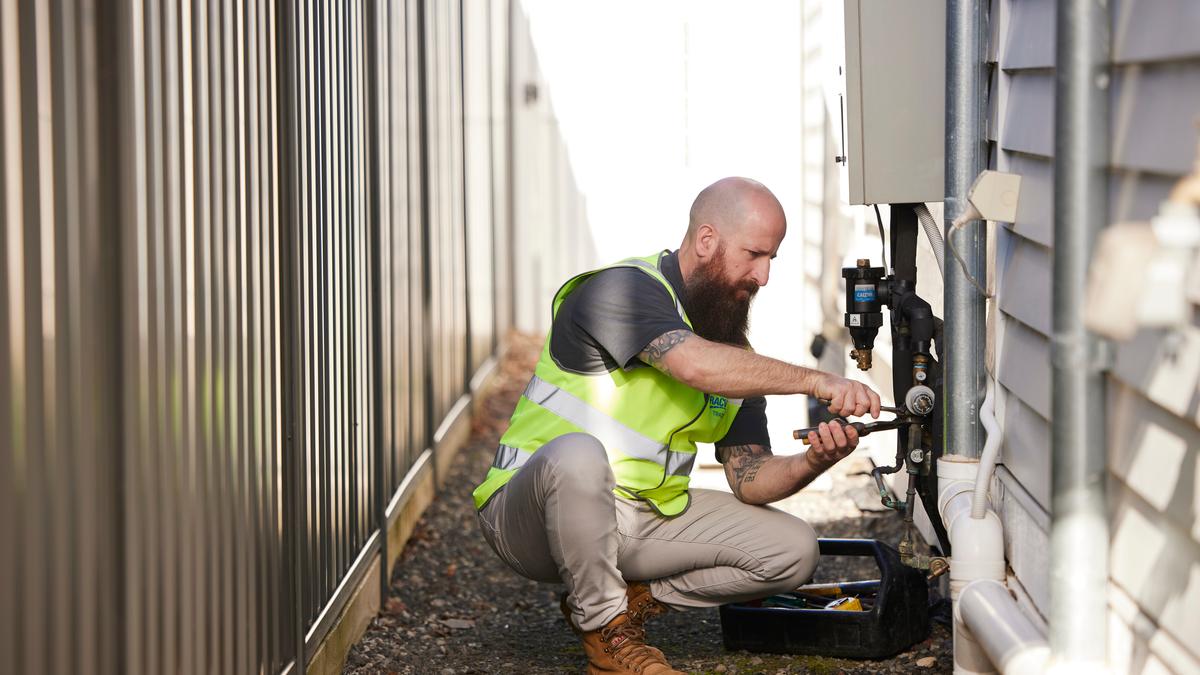
Gas hot water is often a good place to start when planning to get off gas.
Step 2: Plan for hot water first
Hot water is a common starting point if the current gas system is ageing, unreliable, out of warranty or expensive to run. Planning ahead can help avoid the need to call for emergency home assistance and give households time to compare heat pump, electric and solar-compatible systems that suit their needs.
More: Guide to choosing the right hot water system for your home
Because electric hot water can account for a significant share of household electricity use, it is worth checking that you’re on an energy plan that suits your household’s needs.
Systems that can be set to use off-peak electricity may reduce running costs, depending on the household’s energy plan and usage. If you generate your own electricity with solar panels, running costs may be lower if more of that solar generation can be used during the day or stored in a solar battery.
When considering the best way forward, factor in household size, tank size, installation location, noise, warranty length, installer availability, solar timing and eligibility for Victorian discounts or rebates.
More: Costs, rebates and benefits of switching from gas to electricity
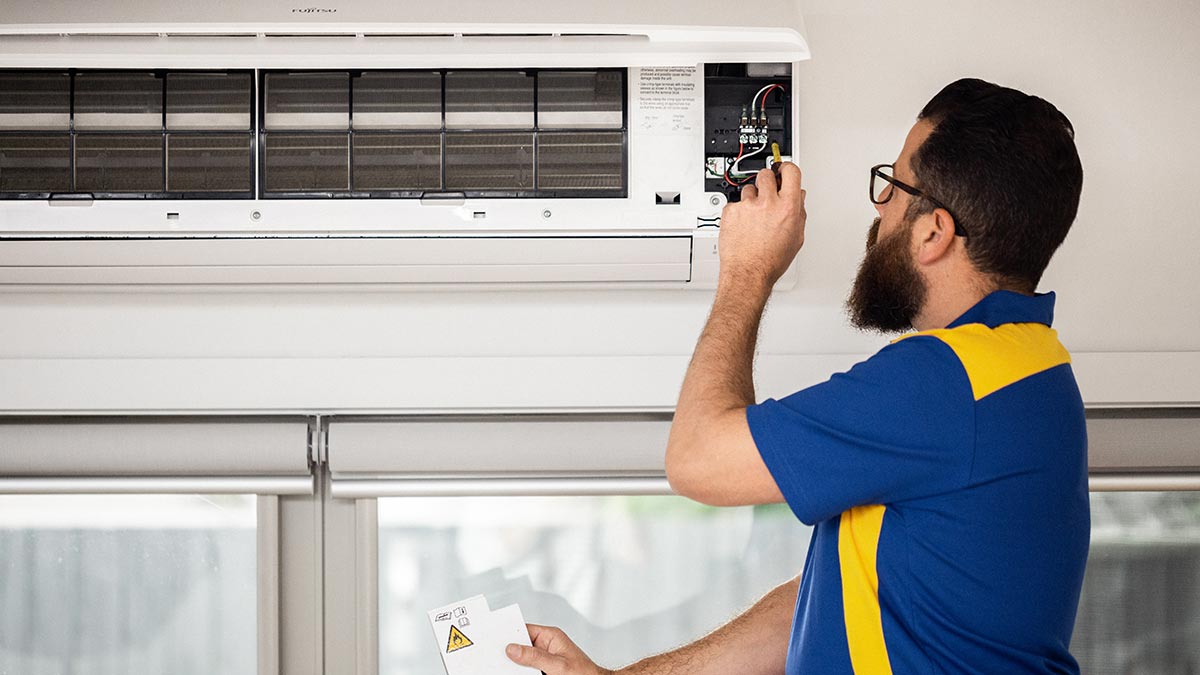
A reverse cycle heating and cooling system is an energy-efficient way to replace gas heating when planning an electric home.
Step 3: Consider heating and cooling next
Replacing gas heating may make sense when comfort, running costs or an ageing system are key considerations. Heating can be a logical priority if your home relies on older ducted heating, gas space heaters or is not as warm as you’d like.
Reverse-cycle air conditioners are widely considered among the most energy-efficient electric heating and cooling options and may suit many households, depending on the home’s layout, insulation and heating needs. These can be single units, multi-split units connected to a single outdoor unit, or a central indoor ducted unit.
More: Best home heating systems in Australia: energy-efficient options compared
Insulation, draught sealing, zoning, window coverings and double-glazing will also affect how efficiently a heater performs.
More: How to keep warm this winter and save money on heating bills
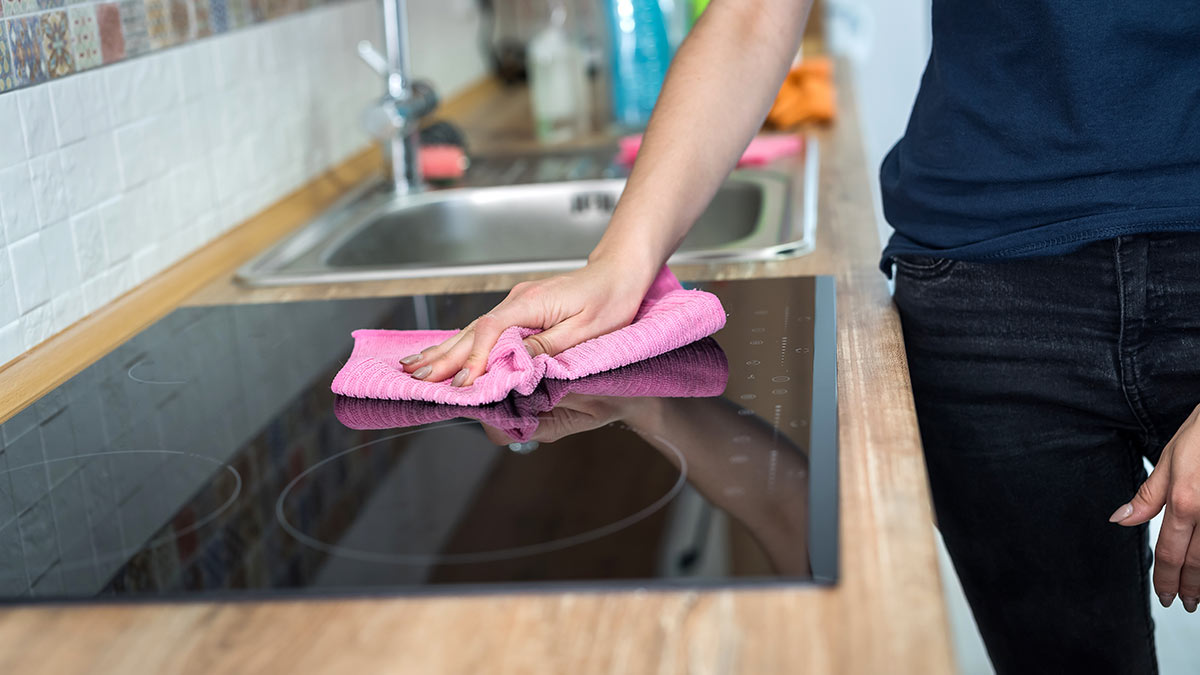
As well as being energy efficient, induction cooktops are easy to clean.
Step 4: Switch cooking when renovating or replacing
Induction cooking can be a practical upgrade to consider during a kitchen renovation.
As induction technology becomes more common in Australian homes, the decision often comes down to efficiency, safety, performance and long-term running costs.
Induction cooktops use electromagnetic energy to heat cookware directly. They are generally more energy efficient than older electric ceramic cooktops because they heat the cookware, rather than elements beneath a glass or metal surface.
Make sure to consider the costs involved in buying compatible cookware, ventilation, bench cut-out size, electrical capacity and installation costs. Check if your household is eligible for a Victorian Energy Upgrades discount of up to $140 off an induction cooktop.
More: Gas vs electric vs induction cooktops: which is best in Australia?
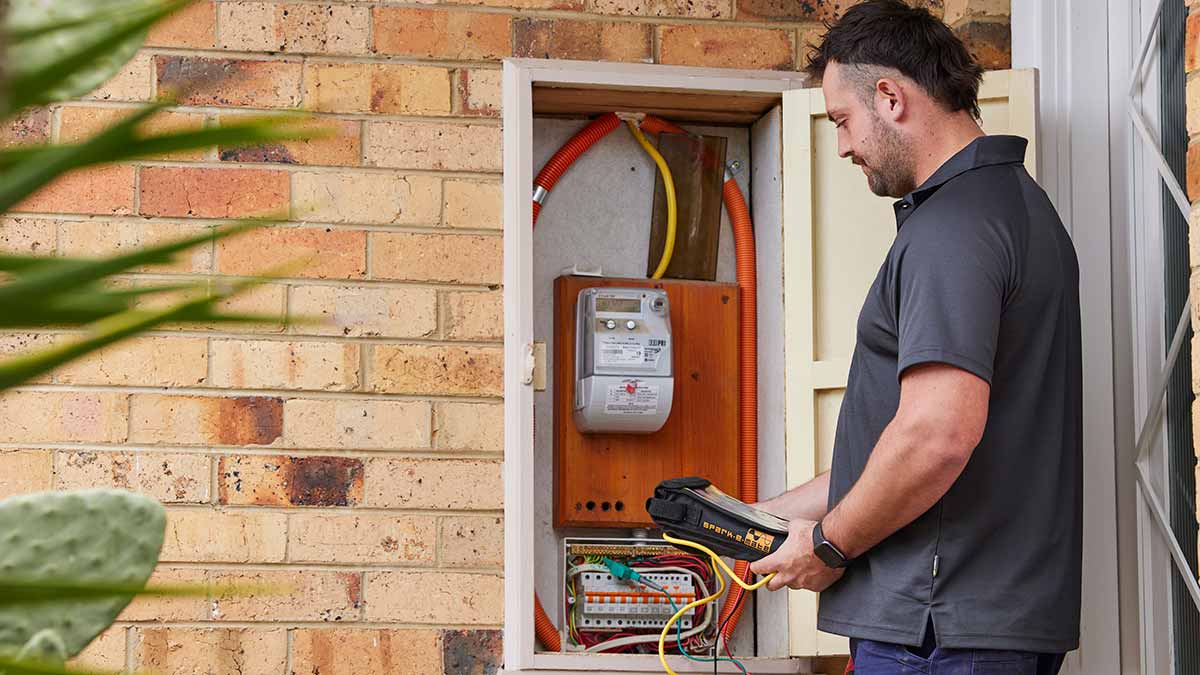
Get an electrician to check the capacity of your household switchboard before going all-electric.
Step 5: Check your electrical setup, solar and rebates early
Before replacing multiple gas appliances, get an electrician to check the capacity of your household switchboard, wiring, appliance load and installer requirements.
Solar power is not required to move away from gas appliances, but it may improve the cost-effectiveness of electric appliances where households can use more daytime generation.
Some Victorian households may be eligible for the state Solar Homes Program, which includes solar panel rebates and the option of an interest-free loan, and hot water rebates. There are also federal Small-scale Technology Certificate (STC) discounts for solar panels, solar batteries, solar water heaters and air source heat pumps, which are subject to eligibility criteria.
The key rebates and incentives available are outlined in this guide, as well as important Solar Victoria eligibility criteria updates that come into effect from 1 July 2026.
More: Solar panel & battery rebates Victoria 2026
Gas appliance rules in Victoria
For Victorian households, the shift away from gas is already being shaped by changes to new home connections and appliance replacement rules. Since 1 January 2024, new gas connections have generally not been available for new dwellings, apartment buildings and residential subdivisions that require planning permits. In most cases, this means eligible new homes are built with electric appliances for hot water, cooking, heating and cooling.
Further changes are on the way. From 1 January 2027, all new homes must be built all-electric, according to Solar Victoria.
From 1 March 2027, existing homes will also need to replace gas hot water systems with an efficient electric alternative, such as a heat pump hot water system, when they reach end-of-life. This makes it worth planning ahead, so households can consider suitable upgrades and check what rebates or discounts may be available before an appliance fails.
If you’re renovating, replacing an ageing appliance or considering solar, moving to efficient electric appliances may help reduce household gas use, depending on your home, energy source and usage.
FAQs: Getting off gas
Replacing an ageing gas hot water system before it fails may help avoid an emergency call-out, disruption to daily household tasks and, in some cases, damage from a leaking or failed tank. It also allows you to plan your switch to a more energy-efficient alternative at your own pace and take advantage of rebates on offer, where eligible. Solar Victoria says a solar hot water rebate of up to $1,000 is also available on eligible heat pumps and hot water systems. This could save eligible households up to $400 a year on energy bills.
No, you do not need solar panels before switching from gas to electric appliances. Some households may choose to improve appliance efficiency before installing solar, so their system can be sized around future electricity needs. However, eligible households can apply for the $1,400 solar panel rebate, which Solar Victoria says will help them cut $1,200 off their energy bill annually.
Not always. Whether you need a switchboard upgrade depends on your existing electrical setup and the appliances being installed. Make sure you take the advice of a qualified electrician.
You may choose to switch to an induction cooktop when your current gas unit breaks, requires expensive repairs, or during a kitchen renovation.
Renters are allowed to make reasonable changes to their rental property to ensure they're not too hot or too cold, or to reduce energy or water bills. These changes require the permission of the rental provider.
If you're renting an apartment, switching from gas to electricity is the owners corporation’s responsibility when it involves shared infrastructure or common property. For individual apartments, lot owners may be able to manage their own appliance upgrades, although owners corporation approval may be required.


