
With several types of vacuum cleaners on the market, choosing the right one can be tricky. Here’s how to pick the best type of vacuum for your home.
Energy Efficiency
Guide to buying an oven - electric vs gas, features and energy efficiency
Choosing the right oven for your house can help reduce your energy use. Here's how to buy an energy-efficient oven in Australia for 2025.
Swapping to energy-efficient appliances can be a great way to reduce your energy bills. But unlike washing machines, refrigerators and televisions, ovens are not required to display energy star ratings.
But with a little research it's still possible to purchase an energy-efficient oven that suits your household's cooking needs while minimising your energy usage. And with Sustainability Victoria estimating cooking accounts for 5 per cent of Victorian household energy bills, every kilowatt counts.
If you have solar panels, using large appliances like your oven during the day can help cut energy costs, while a solar battery lets you store power for evening use, when you're more likely to be cooking.
From electric to gas, freestanding to built-in, this article covers the hot oven buying questions to help you make your kitchen as energy-efficient as possible.
In this article
Looking for advice on home appliances?
Energy-efficient ovens: buying guide
Types of ovens
Ovens sold in Australia can be broken down into two main categories based on fuel type: electric and gas.
Electric ovens
Electric ovens can offer precise and consistent heat distribution, which means they can be ideal for baking tricky dishes like pavlova. Depending on the kitchen layout, they can also be easier to install, simpler to operate, cheaper to purchase and even more energy efficient than gas ovens, depending on features like fan-assisted cooking, which circulates air faster for more even cooking.
Gas ovens
If you live in a home with gas connections, a gas oven may be a better option for you, keeping in mind that there are government incentives for transitioning to an all-electric home.
Gas ovens are faster to pre-heat and depending on use, could offer lower operating costs if gas is cheaper than electricity in your area. They are sometimes favoured by professional chefs, especially for cooking meats, due to their ability to retain moisture.
Since January 1, 2024, Victoria has been phasing out residential gas connections for new builds that require a planning permit, including houses, apartments and subdivisions. This means that if you live in a new build, or are planning a new build, your kitchen will need to feature an electric oven model. The Victorian Government has advised that all new homes must be built all-electric from January 2027.
Is a freestanding or built-in oven better?
Gas and electric ovens come in both freestanding and built-in configurations. What type is best for you largely comes down to stylistic and practical choices.
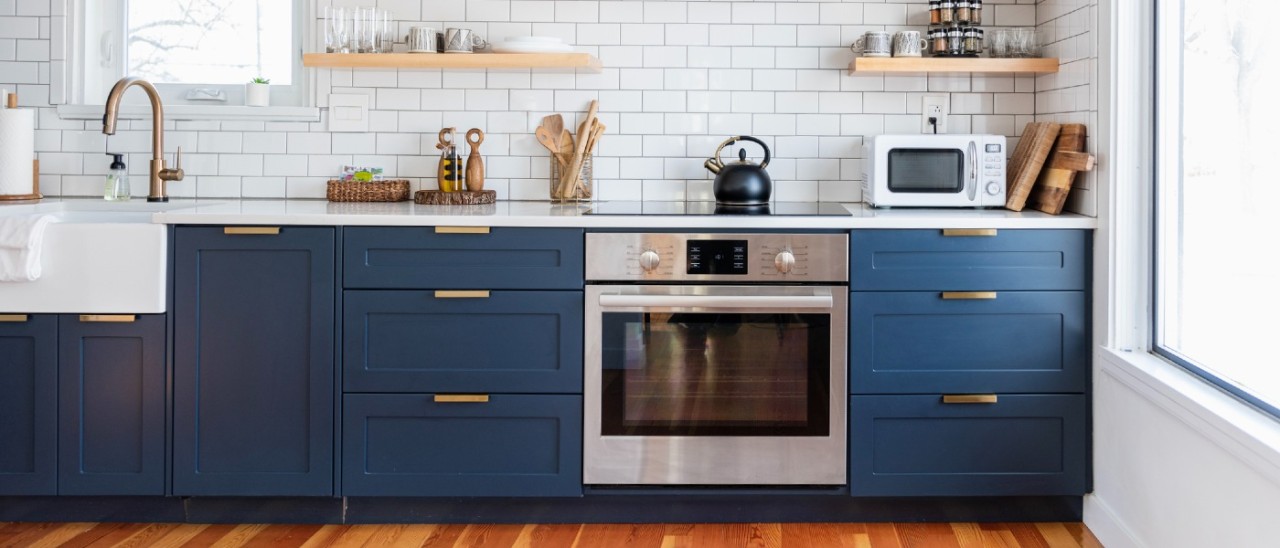
Freestanding ovens combine your oven and cooktop (stove) into the same unit that sits independent of your kitchen’s cabinetry, though they are often installed next to, or between cabinets. They take up more space than built-in ovens but are sometimes installed as the kitchen focal point, with many different styles available.
On the other hand, built-in ovens are installed flush within your kitchen cabinetry. This can save space in smaller kitchens and provide a more minimalist look. They can even be installed under kitchen benches with a cooktop on the above counter. If replacing an existing built-in oven it’s important you buy a model that is the same size as the existing unit.
What are smart ovens?
If you’re looking for the next generation of ovens, you can’t go past one of the new smart ovens. These makes and models are relatively new in Australia, with a number of brands are releasing smart ovens into their product range.
These Wi-Fi-enabled ovens can preheat while you’re on the way to work and connect to the internet using a smartphone app or voice commands.
Features include built-in cameras, the ability to store cooking preferences, in-built recipes, real time alerts and specific low settings for proving dough or drying fresh produce, such as stone fruit.
Read more: What are the risks of smart home devices?
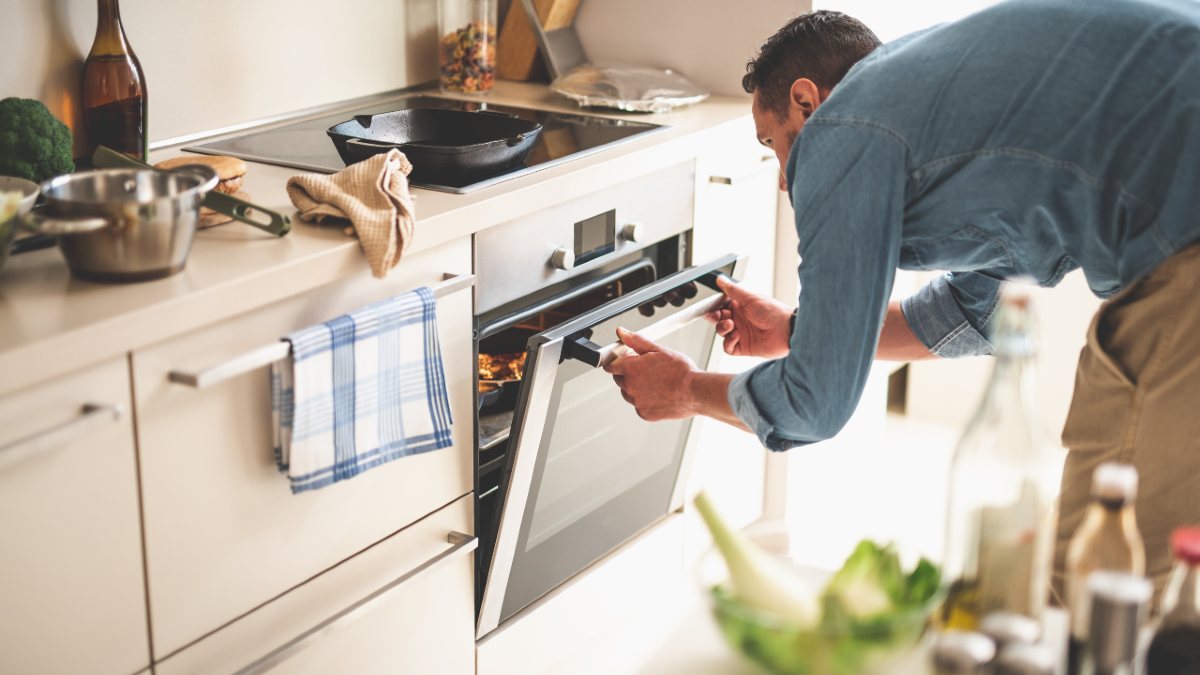
Deciding between built-in or freestanding oven models is largely a personal choice guided by your existing kitchen layout. Image: Getty
Top oven features to consider
Fan-forced
Circulating hot air evenly, fan-forced ovens keep the temperature constant and will cook food quicker than conventional ovens. They are the preferred option for baking.
Triple glazing
Look for oven doors with triple glazing, which offers a higher standard of insulation to retain heat better. If you can’t splurge on an oven with triple glazing, double glazed doors are still a good option.
Dual purpose
Ovens that can be used for a dual purpose can function as a steam oven or a conventional oven can be handy if they suit your household cooking needs.
Self-cleaning
Self-cleaning ovens, also known as pyrolytic ovens, work by heating the appliance so high that it incinerates food residue and grime to ash. This makes cleaning your oven considerably easier but you will still have to do some of the work yourself.
Induction cooktops
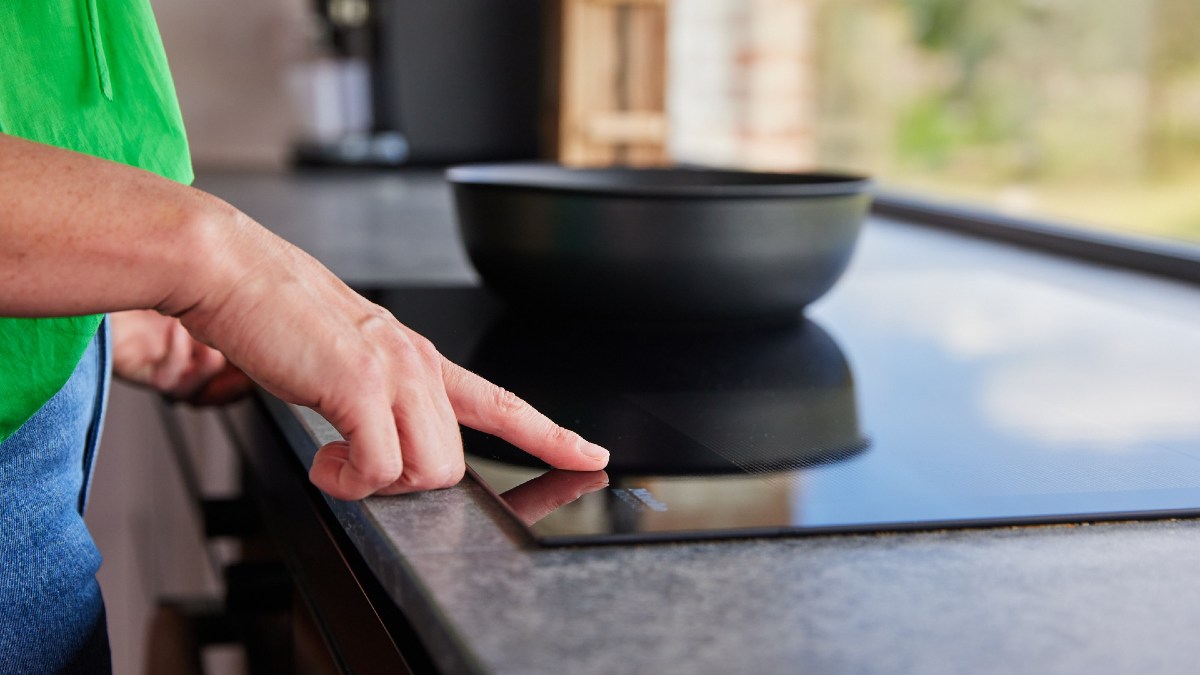
If you're buying a cooktop as well as an oven (either separately or combined as a freestanding oven), consider models that feature an induction cooktop. These cooktops are the most energy-efficient type of stove available as heat is directly generated to pots or pans. This functionality also makes them one of the safest cooktops, as there is no exposed heating element.
A number of freestanding electric ovens with induction cooktops are available in Australia, with standalone induction cooktops also widespread (and increasingly affordable). You can even buy small, portable benchtop induction stoves if you don’t want to replace your entire cooktop unit.
Adding an induction cooktop to your kitchen is a great energy efficient change you can make. Image: Matt Harvey
Questions to ask when buying an oven
What size oven should I buy?
As a general rule, the larger the oven, the larger the energy use. For that reason, consider purchasing an oven that meets, but does not exceed, your household’s needs.
What types of ovens are energy efficient in Australia?
While there isn’t a mandatory star rating for ovens, electric ovens with fan-force capabilities are considered some of the most energy efficient options as they circulate hot air evenly and cook food faster than a non-fan-forced oven. Also look for an oven with triple glazed doors capable of dual purposes, such as a steam oven or a conventional oven.
Read more: How can double-glazed windows help insulate my home?
Is a gas oven more energy efficient than an electric one?
An electric oven is generally more energy efficient than a gas oven because it converts energy directly to heat. Gas ovens are less energy-efficient than electric ovens and do not heat as uniformly as electric models.
However, a gas oven may be the better option for you, especially depending on your existing utility connections and how often you use the oven.
What are the key differences between electric and gas ovens?
Electric ovens are more commonplace in Australia and are typically more energy efficient to run. They take longer to heat up than gas, but provide consistent, dry and even heating which is optimum for baking things like bread.
By comparison, gas ovens heat up faster and provide a moister heat compared to electric. This makes them ideal for roasting meats but they can be costlier to run and there are generally fewer options in the Australian market.
Are there rebates for energy-efficient ovens in Australia?
There are currently no Federal or Victorian State Government rebates for ovens. However, several household appliances like heaters, dryers and refrigerators can have rebates applied.
Visit the Victorian Energy Upgrades website for more information.
Do smart ovens with advanced features save energy?
Yes, smart ovens can help save energy by turning off automatically when the cooking process is complete. But the technology is in its early stages in the Australian market and therefore these features could be seen as expensive, and not particularly necessary to get the job done.
Do I need an electrician or a plumber to install a new oven?
Electric ovens: You will need to hire a licensed electrician to remove your existing oven and install a new oven, regardless of whether it is freestanding or a built-in wall oven. They will issue a certificate of compliance, which you should keep with your warranty papers.
Gas ovens: Gas ovens must be installed by a qualified gasfitter or plumber with the relevant gasfitting qualifications. Most will also need an electrician too, as a hardwired electricity connection is usually required for ignition (plus any extra features like a grill).
How often should I clean my oven?
It’s best to clean your oven every three months at least to get the best performance. If you use it every day, it’s best to give it a spot-clean if you notice spills and residue after each use.
If you have a self-cleaning, pyrolytic oven, ensure you follow the manufacturer's instructions when running the cleaning cycle
Both gas and electric ovens must be installed by a qualified and licensed tradesperson.
How much do ovens cost?
Oven prices as of 2025 in Australia range from a few hundred all the way up to several thousand dollars.
Many energy-efficient features such as fan-force settings and timers are now available in even budget models. When making your purchase, consider how you'll use the oven, what features are important to you, the size required, and the best fuel type for your situation.
When buying, check if the retailer offers delivery and installation services. Otherwise you'll need to arrange the installation with a licensed tradesperson.
Read more: The energy-efficient home appliances worth spending money on.
How do I dispose of my old oven?
Some retailers will remove and dispose of your existing oven as part of their delivery and installation services. If they can't, your local council may take your old oven as part of a hard waste collection. Alternatively, you may be able to dispose of it at your nearest transfer station - call ahead to confirm if they accept whitegoods and what fees may be involved.
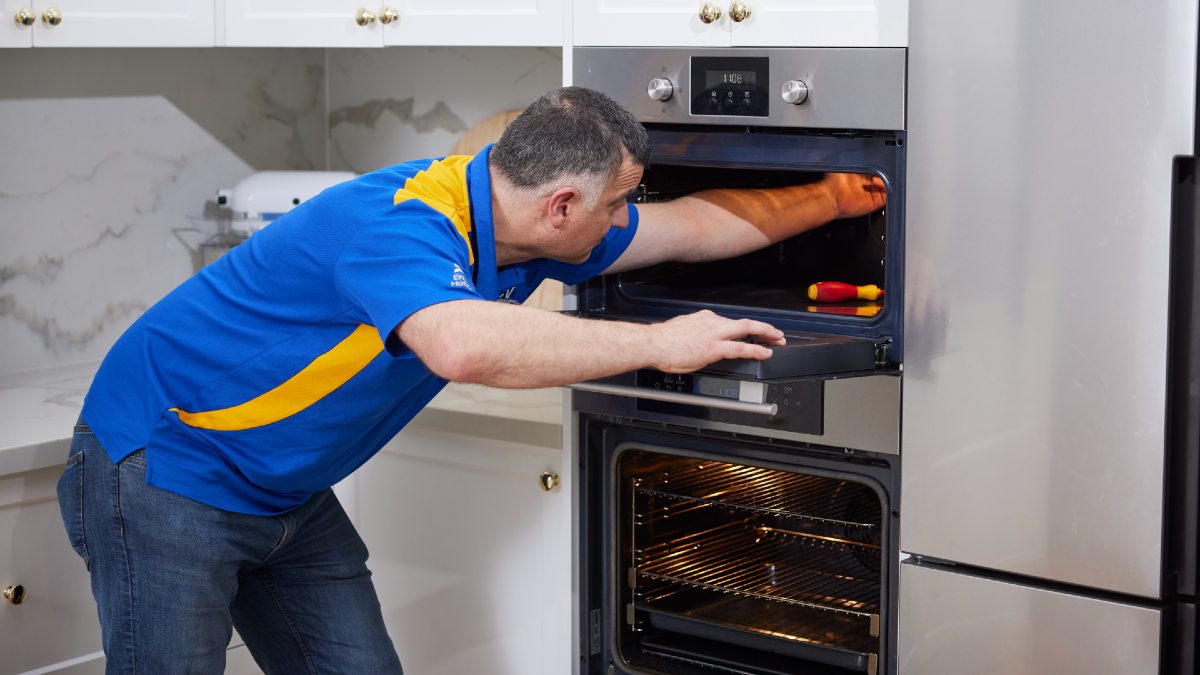
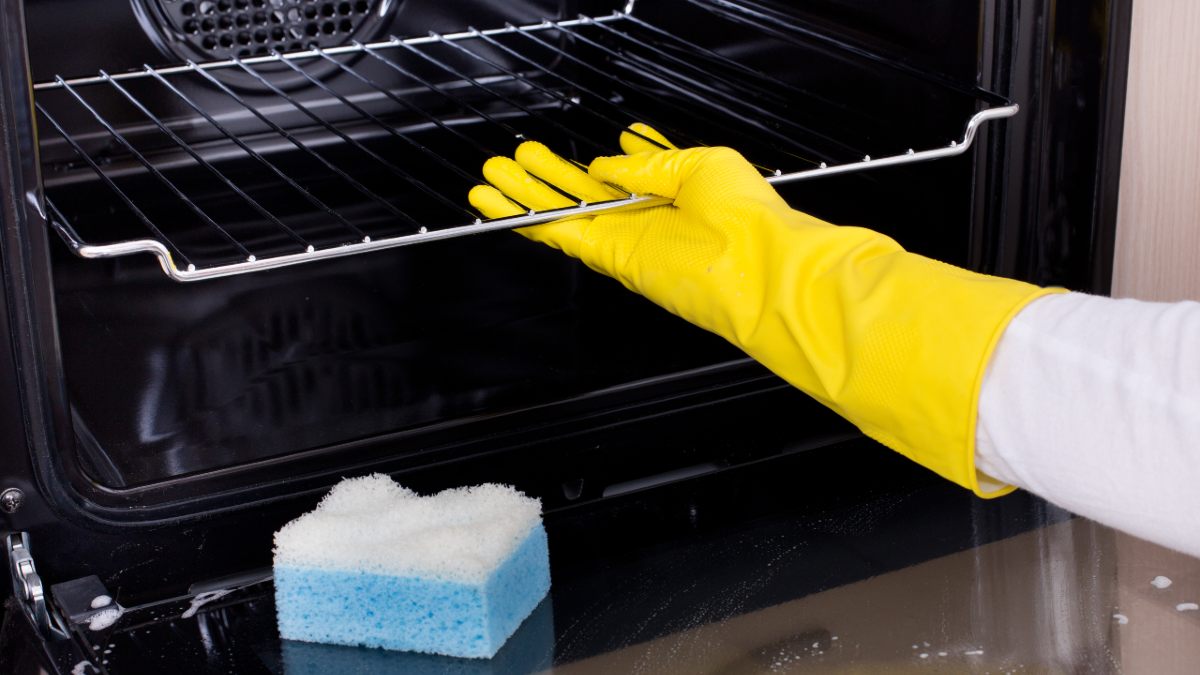
Ovens should be cleaned regularly (ideally at least once every three months) for safety and efficiency. Image: Getty
Tips for using ovens more efficiently
We all want to reduce electricity bills in the home. Here’s some tips to ensure you are using your new oven efficiently every time you turn it on.
Close the door
If you’re checking if your meal is ready, be quick to ensure heat doesn’t escape, which can help reduce costs.
Replace seals
Replace door seals and hinges if your oven is an older model.
Plan your meals
Batch cooking is a more energy efficient way to use your oven. Consider cooking several dishes at once will help reduce oven heating costs.
Timing
If you turn the oven off before removing food, residual heat will help complete the cooking process for you, saving you money
Use the fan-force
A fan-forced oven allows you to cook at a lower temperature and provides a better result for baking.
Consider smaller appliances
Depending on what you’re preparing, consider using smaller appliances, such as a microwave or an air-fryer, which use less energy than an oven.

