
Learn how to save on solar: discover solar panel and battery rebates in Victoria, including Solar Homes incentives, STCs and eligibility.
Solar Batteries
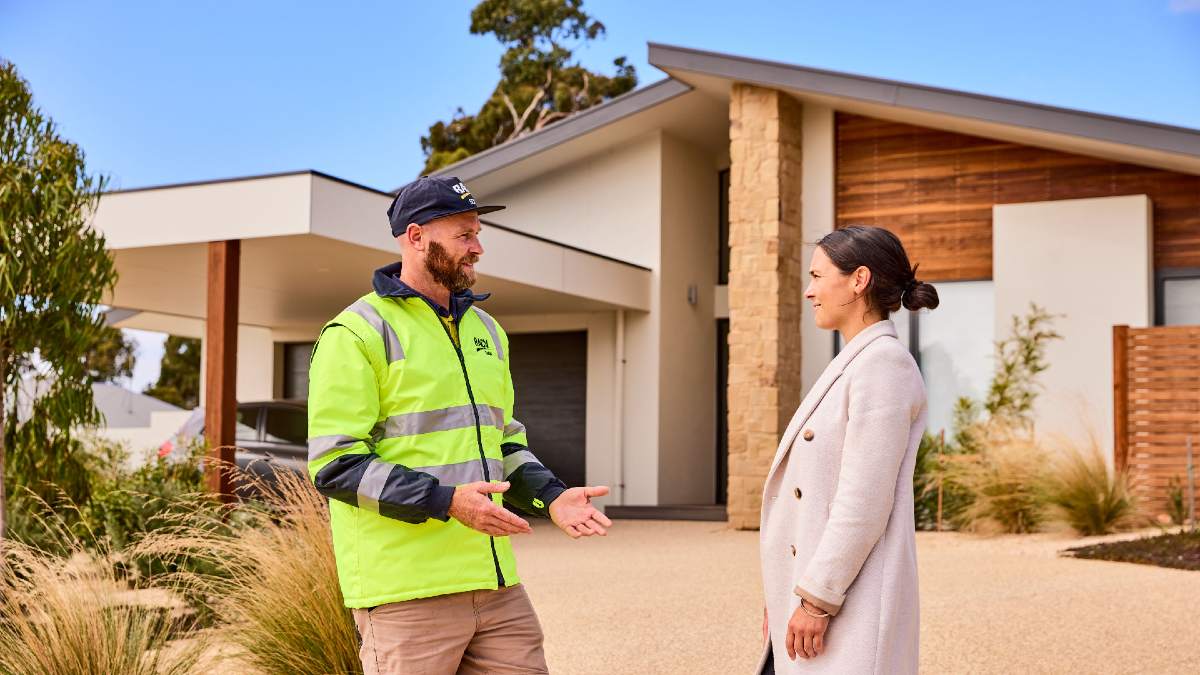
Is your roof ready for solar panels?
Thinking about installing solar? Start with your roof. Find out how its condition, material and orientation can affect solar panel installation, along with your switchboard and energy use.
Installing rooftop solar panels can be a practical way to reduce power bills and make your home more energy efficient. But before you invest in a solar energy system, it's worth asking an important question: is your roof actually ready for solar?
While many Australian homes are suitable for solar, factors such as your roof's condition, orientation, shading, electrical system and household energy use can all influence how well a solar installation performs.
It’s also worth considering whether your switchboard could support future energy needs, such as a solar battery or EV charger. Taking the time to assess your home beforehand can help you avoid unexpected costs and maximise your long-term savings.
Find out what solar panel and battery rebates are available in Victoria
Is your roof ready for solar panels?
Start with your roof's condition
Solar panels are designed to last for decades, with many systems continuing to generate electricity for 25 years or more. If your roof is nearing the end of its lifespan, it may be more cost-effective to repair or replace it before installing solar panels.
Removing and reinstalling solar panels to complete roof repairs later can be expensive, so it's worth addressing any issues upfront.
Signs your roof may need attention include:
- cracked or broken roof tiles
- rusted or damaged metal roofing
- sagging roof sections
- recurring leaks or water damage
- deteriorating roof flashing or gutters.
If you're unsure about your roof's condition, arrange a professional roof inspection before requesting solar quotes.
More: Guide to house roof leaks, repairs, maintenance and reroofing
Does your roof get enough sunlight?
Solar panels generate the most electricity when they receive direct sunlight throughout the day. Trees, neighbouring buildings, chimneys, antennas and even roof features such as skylights can create shade that reduces solar output.
While modern solar panels perform better in partial shade than older models, significant or consistent shading can still affect the overall performance of your system.
If nearby trees are creating shade, carefully pruning them may improve solar generation. A qualified solar installer can also assess your roof using specialised software to identify the best panel placement.
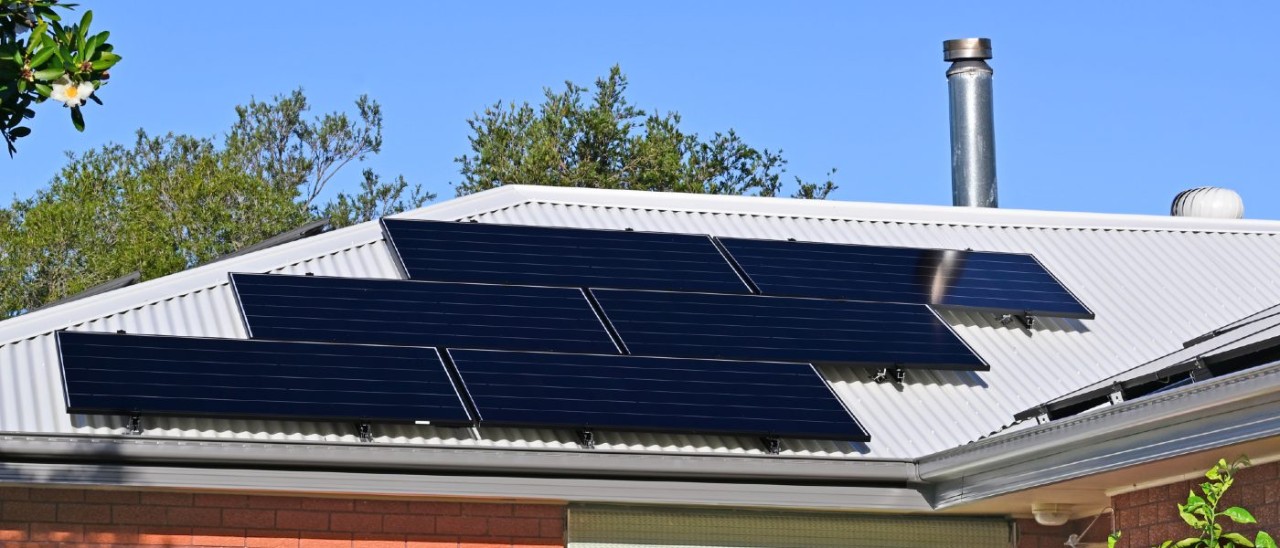
Solar panels generate more electricity when they receive direct sunlight during the day. Image: Getty
Which direction does your roof face?
In Australia, your roof’s orientation plays an important role in how much electricity your solar panels can produce throughout the day.
- North-facing roofs generally receive the most sunlight throughout the year and typically generate the highest output.
- East-facing roofs can be a good option for households that use more electricity in the morning.
- West-facing roofs often suit families that consume more power during the afternoon and evening.
- South-facing roofs usually receive the least direct sunlight and may produce less electricity, although they can still be suitable depending on the roof angle and local climate.
Roof pitch also influences performance, but modern solar systems can still perform well across a wide range of roof angles.
Is your roof material suitable?
Most Australian roofing materials are compatible with solar panel installations, although some are easier and less expensive to work with than others. Common roofing materials and their compatibility with solar panels are outlined below.
- Metal roofing (Colorbond or corrugated steel) - one of the easiest roof types for solar installation.
- Concrete roof tiles - widely used and generally suitable, although installers need to remove and replace tiles carefully during installation.
- Terracotta roof tiles - suitable for solar but can be more fragile, requiring additional care.
- Slate roofs - more complex and expensive to install due to the risk of damage and the specialist skills required.
An experienced solar installer will recommend the most appropriate mounting system for your roof type.
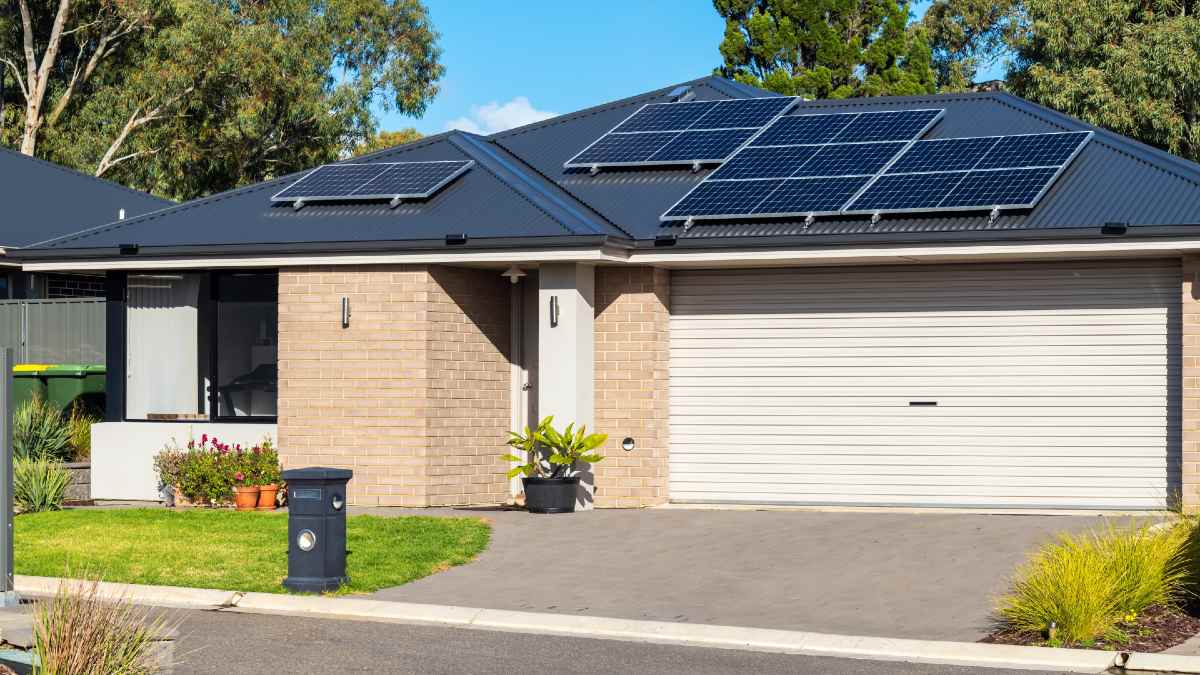
Some roofing materials are easier to install solar panels on, but there are options available for most roof types and situations.
Can your switchboard support solar?
Your home's switchboard is a key part of any solar installation. Older switchboards may not comply with current electrical standards or have enough capacity to safely connect a new solar system. In some cases, an upgrade may be required before installation can proceed.
An accredited solar installer or licensed electrician can inspect your switchboard and advise whether any upgrades are necessary.
While this may increase the initial installation cost, it also helps improve the overall safety and reliability of your home's electrical system.
More: Home solar power system guide - from installation to ongoing maintenance
Consider your existing electrical setup
Your household's electrical infrastructure also influences how easily solar can be installed.
Factors your installer may assess include:
- the age of your wiring
- available roof and ceiling access
- the location of your meter box
- whether you have an electric vehicle charger
- capacity for future upgrades.
If you're planning to install a home battery or purchase an electric vehicle in the next few years, mention this during the quoting process. Your installer may recommend equipment that can accommodate future expansion without requiring significant modifications later.
More: How does home solar power work? Solar panels & batteries explained
Think about how your household uses electricity
Solar panels generate the most electricity during daylight hours, so understanding when your household uses power can help determine the right system size.
For example:
- households with someone home during the day may use more solar energy directly.
- families who are away most weekdays may benefit from adding a battery to store excess solar energy for evening use.
- homes with high electricity consumption from air conditioning, pools or electric vehicles may require a larger solar system.
Reviewing your recent electricity bills can help identify your typical energy usage and guide system recommendations. If you want to understand how much electricity your home uses, most major electricity providers in Australia offer online self-service portals or mobile apps that connect directly to your smart meter and show your daily, weekly and monthly consumption.
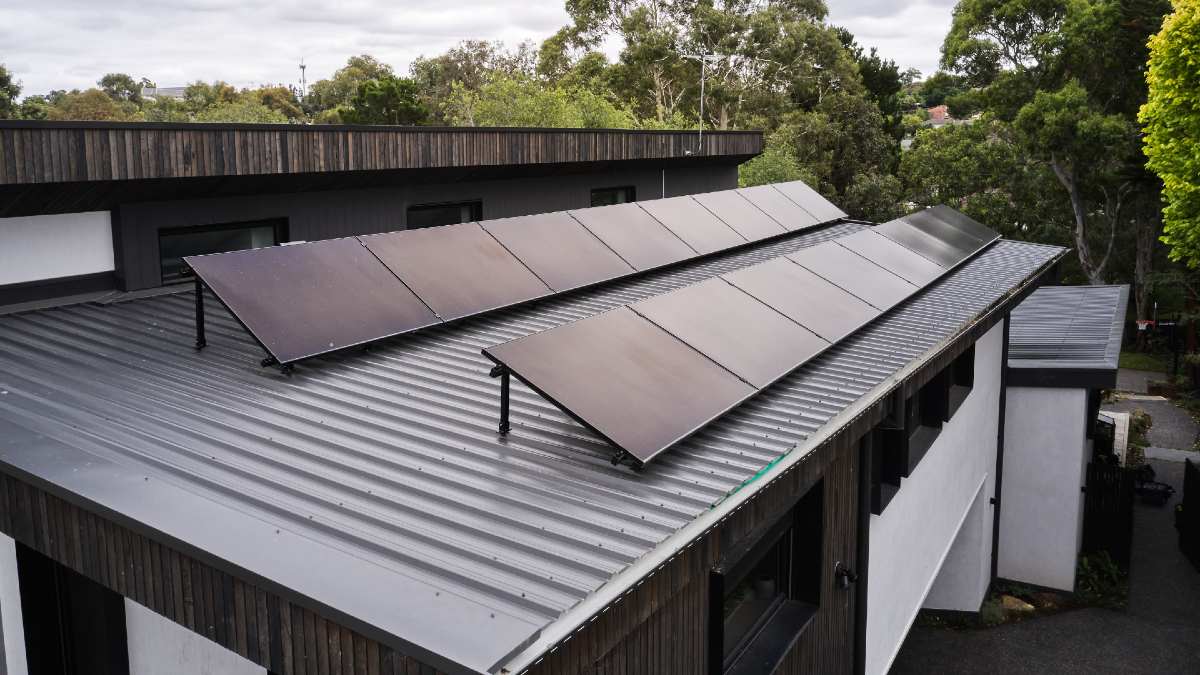
Understanding how your household uses electricity can help determine the size of your solar panel system.
Understand warranties before you install
Solar panels are a long-term investment, so it's important to understand the warranties that come with your system.
Different components may have separate warranties, including:
- product warranty - covering manufacturing defects.
- performance warranty - guaranteeing a minimum level of electricity generation over time.
- inverter warranty - which is often shorter than panel warranties.
- installation or workmanship warranty - provided by the installer.
Before signing a contract, ask what is covered, how long each warranty lasts and who is responsible if repairs are required.
Choosing a reputable solar installer with strong after-sales support can provide additional peace of mind.
Get a professional solar assessment
Every home is different, and the best way to determine whether your roof is ready for solar is to have it professionally assessed.
A qualified solar installer can evaluate your roof condition, shading, orientation, switchboard, electrical system and energy needs before recommending a suitable solar solution.
Taking the time to prepare your roof before installation can help improve system performance, reduce future maintenance costs and ensure you get the most value from your investment for years to come.
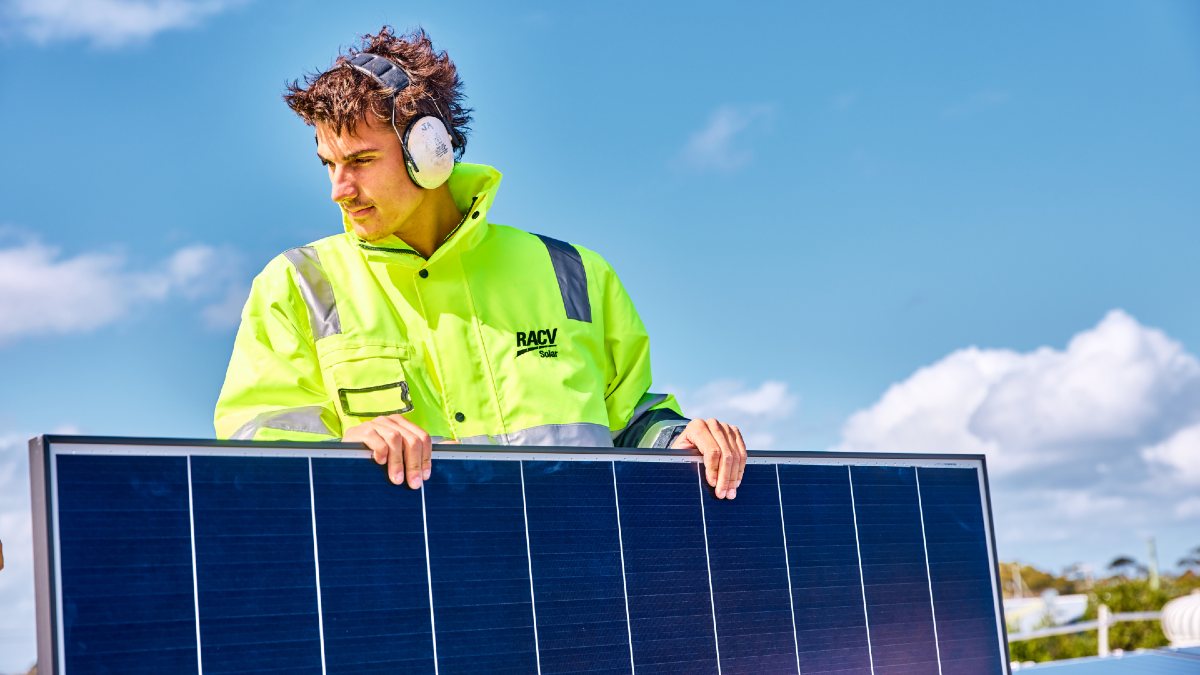
A qualified solar installer can evaluate your roof's suitability for solar panels.
Solar roof readiness FAQs
Yes, but the roof should be in good condition. If significant repairs or replacement are likely within the next decade, it's often more cost-effective to complete that work before installing solar panels.
Yes. North-facing roofs generally produce the most electricity in Australia, but east- and west-facing roofs can also perform well depending on your household's electricity usage patterns.
Not always. However, older homes may require a switchboard upgrade to meet current electrical safety standards before solar panels can be installed.
Yes, but shading reduces electricity generation. A solar installer can assess shading and recommend the best panel layout or equipment to minimise its impact.

