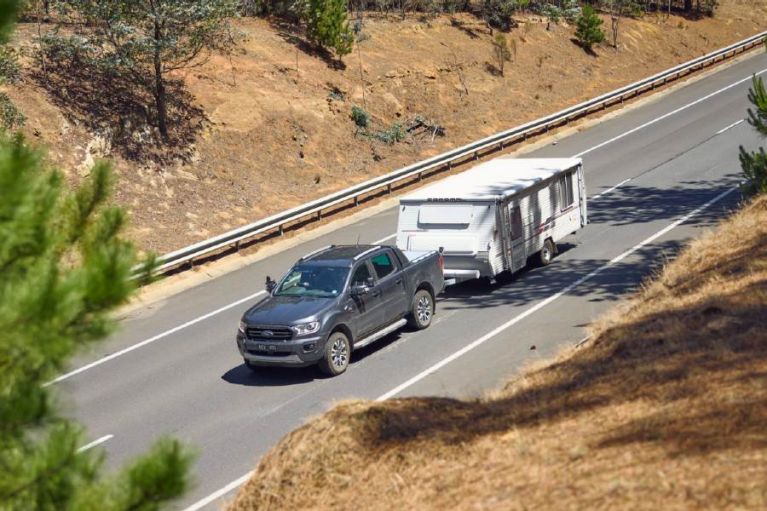
Have you ever been tempted to give the mobile-home holiday a go? Here’s everything you need to know about buying a new or used caravan.
Caravan
Interested in caravanning?
Caravan holidays in Australia: A beginner’s guide to planning your trip
One of the best ways of seeing Australia is with a caravan. Here's a comprehensive guide on how to make your first caravan trip a smooth one.
There's no better way to see Australia’s great outdoors than travelling with a caravan. You can choose your own itinerary and explore at your own pace, with comfortable accommodation in places where other options might be expensive, limited or unavailable. It makes exploring remote areas of our country more accessible and enjoyable.
Before you leave make sure your vehicle (including your caravan) is road-trip ready. Stock your car emergency kit, have an emergency roadside assistance plan that covers caravans, and consider caravan insurance to put your mind at ease should an insured event occur.
How to plan your first caravan holiday
Assuming you have a caravan, a suitable tow vehicle and an understanding of towing weight requirements, it's time to plan your first trip.
Choose a destination that is not a long drive from home. Ideally, pick a caravan park or campsite that is well established and either located in a regional town or close to one.
Pack clothing, non-perishable food and other essentials ahead of time, leaving only perishables and last-minute items for departure day.
If you're leaving a major metro area, try to avoid peak traffic. In the 24 hours before you go, check the weather and road conditions and confirm your caravan park booking. Consider upgrading your roadside assistance to include the caravan. For RACV Emergency Roadside Assistance, choose an Extra Care or Total Care plan.
More: The best cars for towing a caravan
Choose a beginner-friendly destination for your caravan holiday
Your first caravan holiday is a chance to get comfortable with towing and setting up.
Choose a destination you can reach via a mix of easy urban roads and highways or freeways, with a roomy campground where it's easier to manoeuvre your caravan.
Towing takes plenty of concentration, particularly when you’re new to it, so you may tire sooner than expected. Staying close to home also makes it easier to resolve any issues with your vehicle or van.
Save remote or off-grid campgrounds for a later trip. A large, open caravan park gives you more room to learn how to set up, without the extra complications of camping off-grid.
If you're travelling with kids, check that the location is family-friendly. Nearby shops, fuel and medical services are handy too — even the best of us can forget food items, medications or levelling chocks, which help keep your caravan stable on uneven ground.
Consider the usual weather conditions and school holiday dates when choosing when to go. Both can make a big difference to how manageable your first trip is.
More: 8 common mistakes novice caravanners make
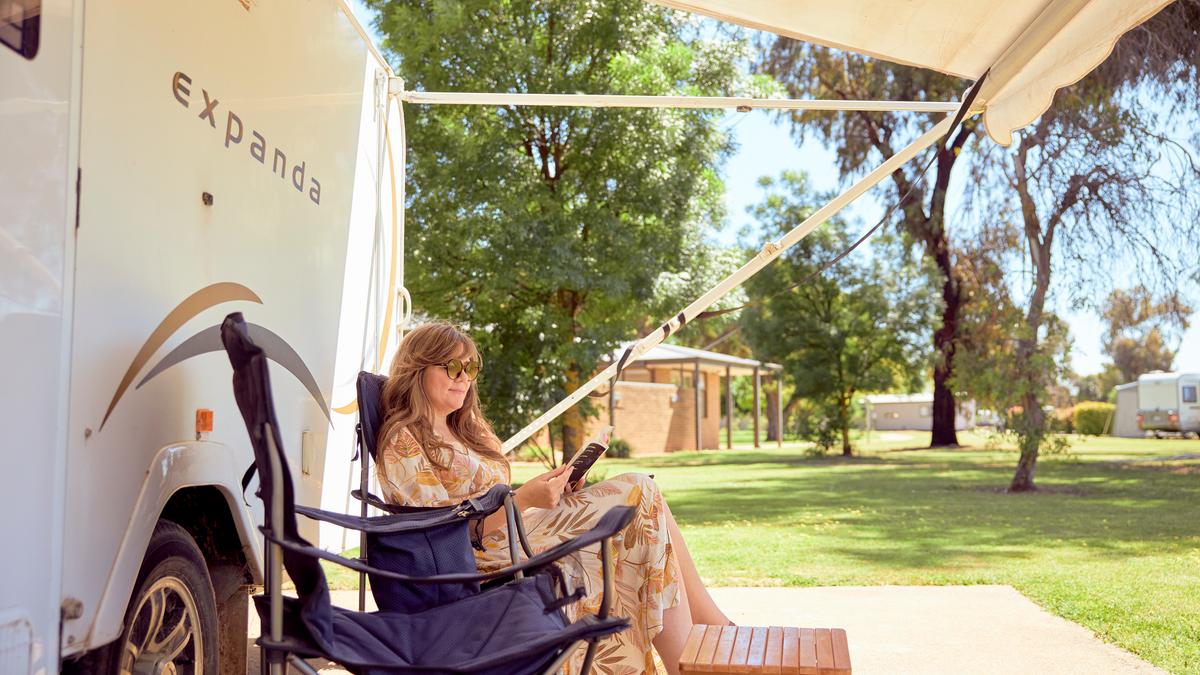
For your first caravanning holiday, choose a well-established campsite or caravan park near home.
Book the right caravan park or campsite
Most campgrounds offer powered or unpowered sites, and some also have ensuite and drive-through options.
Unpowered sites are usually a patch of grass without power or mains water on or near the site. A powered site is an easier option for beginners, even with an off-grid caravan, as you have access to 240V mains power and water if the van’s systems have issues.
An ensuite site has a small building with a shower and toilet for your own use, right beside your caravan.
A drive-through site lets you drive in one side and out the other, staying hitched up if needed. It’s a handy option if you’re not yet confident reversing a caravan.
If you're taking pets, check that they're allowed. Many campgrounds permit them, except in national parks, but rules such as keeping dogs restrained at all times may apply.
Sites can be tight, with poles or trees around the edges, so check the available space online before booking. Have your caravan's dimensions ready to help avoid being allocated a site that’s too small.
Ask whether facilities such as camp kitchens, laundries, playgrounds, dump points, water access and rubbish disposal are available and working. Check arrival times and late-arrival rules, and ring ahead if you expect to arrive outside those times.
You're often closer to your neighbours at camp than at home, and sound carries in quiet, open bushland. Observe quiet hours, keep pets on a lead, avoid walking through neighbouring sites and leave shared amenities clean.
More: Etiquette and rules for caravans and camping
Check your caravan and tow vehicle before leaving
In the days before leaving, check your vehicle's towing capacity, towball weight and the load limits of both your vehicle and caravan when packed for the trip. A public weighbridge or mobile caravan weight check can help you confirm neither is overloaded.
Before you leave, walk around the vehicle and caravan to inspect tyres, check tyre pressures and wheel nut tension, and make sure batteries are charged and tanks are full. Check the vehicle's coolant and oil.
Test the brakes, confirm the electric brakes are set up properly, and check the caravan's lights and indicators. Secure your towing mirrors and position them so you can see behind the caravan.
Remember to check inside the caravan, and secure loose items, windows, the roof hatch, ensuite or shower doors and cupboards. Outside, check that gas bottles are secured with valves shut, the battery tray is tight and the water tank fill point is secure.
If you're new to towing, do a short test drive around the suburb to get more comfortable with it.
More: How to tow a caravan: a beginner's guide
Check over your caravan and tow vehicle before departing. Image: Matt Harvey
Plan your route and driving days
Choose a destination you can reach within a couple of hours by highway from home. Allow extra time for towing at a slower pace (it’s safer and more economical to tow at 100km/h or less).
Even on a short trip, plan places to stop for food, rest and fuel. Use the breaks to check that nothing on the vehicle or van is coming loose.
Where possible, avoid narrow roads, steep climbs and tight urban streets. Download maps if you're heading somewhere with poor mobile reception, and allow enough time for driving and breaks to arrive before dark: setting up camp is much easier in daylight.
What to pack for a caravan holiday
Setup essentials
Pack levelling ramps for uneven sites and wheel chocks to keep the caravan from moving at camp. Even with an off-grid setup, take a 15-amp power lead, a water hose with fittings to fill your tanks and connect to mains water, and a sullage hose for grey water.
Safety and maintenance
While you hope you'll never need it, a first-aid kit is vital. Keep it stocked and easy to reach, and make sure everyone knows where it is.
A torch or headlamp is handy in poorly lit campgrounds; you don't want to trip over someone else's sullage hose. Pack a basic tool kit, a tyre-pressure gauge, spare fuses and a fire extinguisher for your vehicle, plus one for the van if it doesn't already have one.
Comfort and everyday items
Even seasoned caravanners forget the basics. A checklist covering bedding, cooking gear, food storage, chargers, insect repellent and wet-weather gear can help you avoid leaving something behind.
More: Caravan theft prevention: everything you need to know
| Before you leave | |
|---|---|
|
Confirm booking and check-in details |
Avoids issues such as incorrect booking or problems with your site before arrival. |
|
Check weather and road conditions |
Helps you adjust your route or timing and avoid any weather events such as flooding or bushfires. |
|
Top up fuel, water and |
Reduces stress on the first leg and the risk of a breakdown. |
|
Secure loose items inside the caravan |
Helps prevent loose items causing caravan damage while towing. |
|
Share your itinerary with someone |
Adds a basic safety step. |
Confirm your caravan park booking before you set off.
Interested in caravanning?
These RACV News & Lifestyle articles cover a range of topics to help you plan your next caravanning adventure.
- Beginners' guide to buying a new or used caravan
- The best cars for towing a caravan
- How to tow a caravan; a beginner's guide
- 8 common mistakes novice caravanners make
- Etiquette and rules for caravan and camping
- Caravan theft prevention: everything you need to know
- Trailer anti-theft devices and how to prevent trailer theft
FAQs about caravan holidays in Australia
Start with a short, simple route that avoids narrow roads and off-road sections. Book your campsite ahead, especially in peak periods, pack essential setup gear and check your caravan and tow vehicle before leaving.
For your first trip, aim for no more than a couple of hours' driving if possible. Allow more time than you would without a caravan and include regular rest stops to take a breather and check the vehicle and van.
Yes, especially during school holidays, long weekends and peak travel seasons. Booking ahead helps you secure the right site size and facilities, rather than settling for whatever is left.
The information provided is general advice only. Before making any decisions please consider your own circumstances and the Product Disclosure Statement and Target Market Determinations. For copies, visit racv.com.au. As distributor, RACV Insurance Services Pty Ltd AFS Licence No. 230039 receives commission for each policy sold or renewed. Product(s) issued by Insurance Manufacturers of Australia Pty Ltd ABN 93 004 208 084 AFS Licence No. 227678.