
Have you ever been tempted to give the mobile-home holiday a go? Here’s everything you need to know about buying a new or used caravan.
Caravan
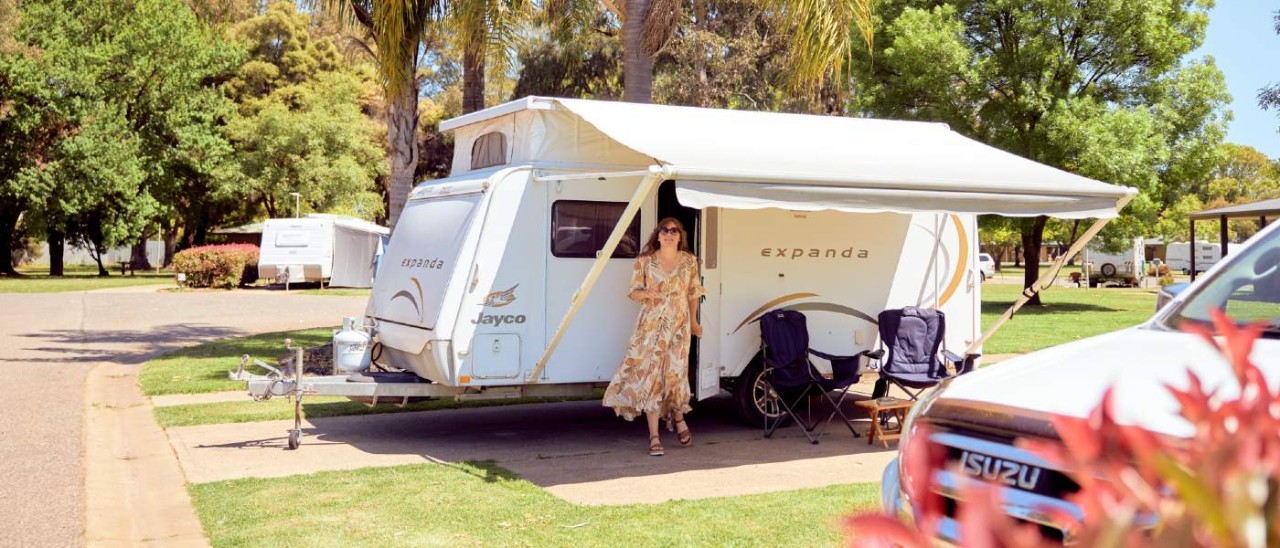
Caravan theft prevention: how to keep your caravan secure
Learn how to prevent caravan theft with practical security tips for storing your caravan at home and keeping it safe while travelling.
Caravans can represent a significant investment, making security an important consideration whether yours is parked at home, kept in storage or set up at a campsite.
Unlike a car, a caravan may spend long periods unattended and can potentially be towed away if it isn't properly secured. Thieves may also target valuable items stored inside, from camping equipment and electronics to personal belongings.
"We strongly suggest that you let your trusted neighbours know when you are heading away from home for a period of time and leaving your van at home, so that they can watch out for any unusual or suspicious behaviour," says Bambi Gordon, CEO of Neighbourhood Watch Victoria.
Here's how to help prevent caravan theft and keep your home away from home secure.
How to secure a caravan against theft
Good caravan security works best in layers. Rather than relying on one lock or security device, consider combining several measures that make the caravan more difficult and time-consuming to steal.
Keep your caravan secure when parked at home
Your driveway or front yard may feel secure, but a caravan parked in clear view can advertise when it's not being used.
"Try not to park your caravan on your driveway or front lawn," Gordon advises. "When you go on holidays with your caravan, it will be very obvious to potential burglars that you're away. In that case, you can also try and arrange for a house-sitter or ask a trusted neighbour to make it look like someone is at home by emptying your letterbox and bringing the bins in and out."
Where possible, store your caravan inside a garage. If that's not possible, consider positioning it behind a locked gate or in another secure area so that towing it away would be difficult.
Keep gates, garages and sheds locked, and don't leave caravan keys somewhere easily accessible inside your home. Motion-activated exterior lighting, alarm systems and home security cameras can provide another layer of security.
More: Safest places to keep your keys
Consider anti-theft devices
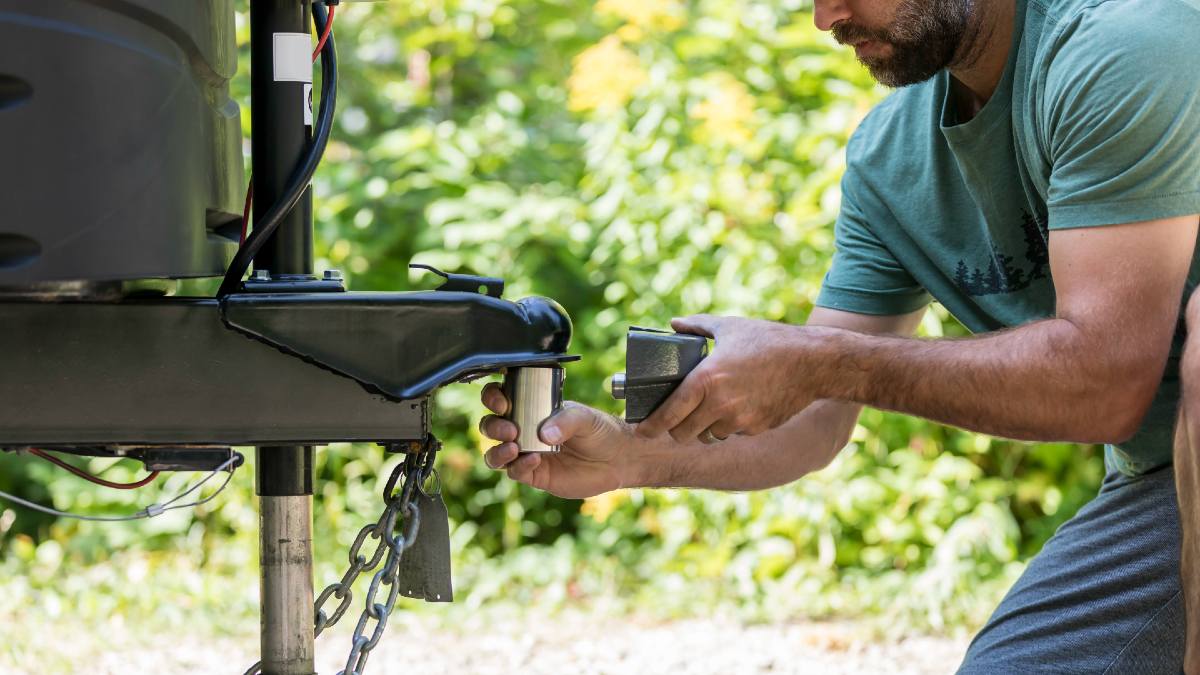
A hitch lock can help prevent someone from attaching your caravan to another vehicle, while a wheel clamp immobilises a wheel and provides a highly visible deterrent. Depending on your caravan, you may also be able to use locking wheel nuts, security chains or other purpose-designed anti-theft devices.
If you have a trailer, you can help prevent trailer theft with similar devices.
Always check that security equipment is compatible with your caravan and installed according to the manufacturer's instructions.
Secure your valuables and personal property in the caravan
Lock caravan doors, windows and external storage compartments whenever the caravan is unattended.
"The best way to avoid caravan contents theft is to remove temptation," Gordon says. "Never leave valuables visible in your car or caravan. Keep them in your home or lock them away in a locked drawer or cupboard, or even a small safe."
In addition, you can mark your property with your driver's licence number (prefixed with a V for Victoria) using an engraver or ultraviolet pen. This helps to make stolen personal property harder to resell and easier to recover, deterring thieves from taking the goods in the first place.
You can also close any curtains to make the caravan interior hard to see into.
Coupling padlocks can help prevent thieves detaching your caravan from your car. Image: Getty
Protect your caravan while travelling
Before heading off, check that doors, windows and storage compartments close properly and repair any damaged locks or windows.
At caravan parks and campsites, keep using your anti-theft devices and consider external sensor lights, particularly in isolated areas. How you position your caravan can also make a difference.
"Consider parking with the hitch away from the standard access," adds Gordon. "That means a criminal would have to turn the car and caravan around to escape, which takes much longer."
It's also worth being careful about posting your travel plans publicly on social media, particularly if your posts reveal where your caravan is parked or that your home is unattended.
More: Trailer anti-theft devices and how to prevent trailer theft
Consider a GPS tracker and caravan alarm
A concealed GPS tracking device may help locate a caravan after it has been stolen. Some trackers can send an alert to your phone if the caravan moves unexpectedly or leaves a predefined area.
Caravan alarms and security cameras can also help deter thieves or alert you to suspicious activity. Remember that electronic security shouldn't replace physical measures such as hitch locks and wheel clamps.hat electronic security shouldn't replace physical measures such as hitch locks and wheel clamps.
More: Best vehicle security technology
Record your caravan's identifying information
Keep a record of your caravan's make, model, registration, Vehicle Identification Number (VIN), and any distinguishing features. Take clear, up-to-date photographs of the caravan, including any modifications or identifying marks.
Photograph valuable belongings, including items that can't be marked, such as jewellery. Keep these images in a secure document with makes, models and serial numbers where applicable, and retain receipts for valuable equipment stored in or attached to the caravan.
Having this information readily available can make it easier to provide accurate details to police and your insurer if the caravan or its contents are stolen.
Never leave your unlocked caravan unattended.
Does caravan insurance cover theft?
Comprehensive caravan insurance may cover theft of your caravan and damage caused by attempted theft. It can also include cover for other events and benefits, depending on the policy.
For example, RACV Caravan Insurance provides cover for theft and attempted theft, as well as fire, flood^ and storm damage. Contents cover and accommodation benefits are also available, with benefits varying between onsite and touring policies. Read the Product Disclosure Statement (PDS) for the full terms, conditions, limits and exclusions.
Onsite Caravan Insurance is for when your caravan is parked permanently in one spot, such as a caravan park. Touring Caravan Insurance is for caravans taken on the road from place to place and includes towing cover.
If you've recently bought or upgraded your caravan, review your insurance and make sure its details and value are up to date.
What should you do if your caravan is stolen?
If your caravan has been stolen, report the theft to police as soon as possible and provide its registration, VIN, photographs and other identifying details. If you have a GPS tracker, tell police about it rather than attempting to recover the caravan yourself.
You should also contact your insurer promptly and follow their claims process.
^ Unless you have chosen to remove Flood, Rainwater run-off or Storm Surge cover where we have identified your onsite caravan location at risk of flooding.
The information provided is general advice only. Before making any decisions, please consider your own circumstances and the Product Disclosure Statement and Target Market Determinations. For copies, visit racv.com.au. As distributor, RACV Insurance Services Pty Ltd AFS Licence No. 230039 receives commission for each policy sold or renewed. Products issued by Insurance Manufacturers of Australia Pty Ltd ABN 93 004 208 084 AFS Licence No. 227678.
R.A.C.V. Finance Limited ABN 82 004 292 291 Australian Credit Licence No. 391488. RACV Finance is subject to RACV lending criteria. Conditions, fees and charges apply.

