Thank you for subscribing

You’ll be sent the latest news, exclusive offers and competitions to your inbox.

Car hail damage: what to do, insurance cover and repair options

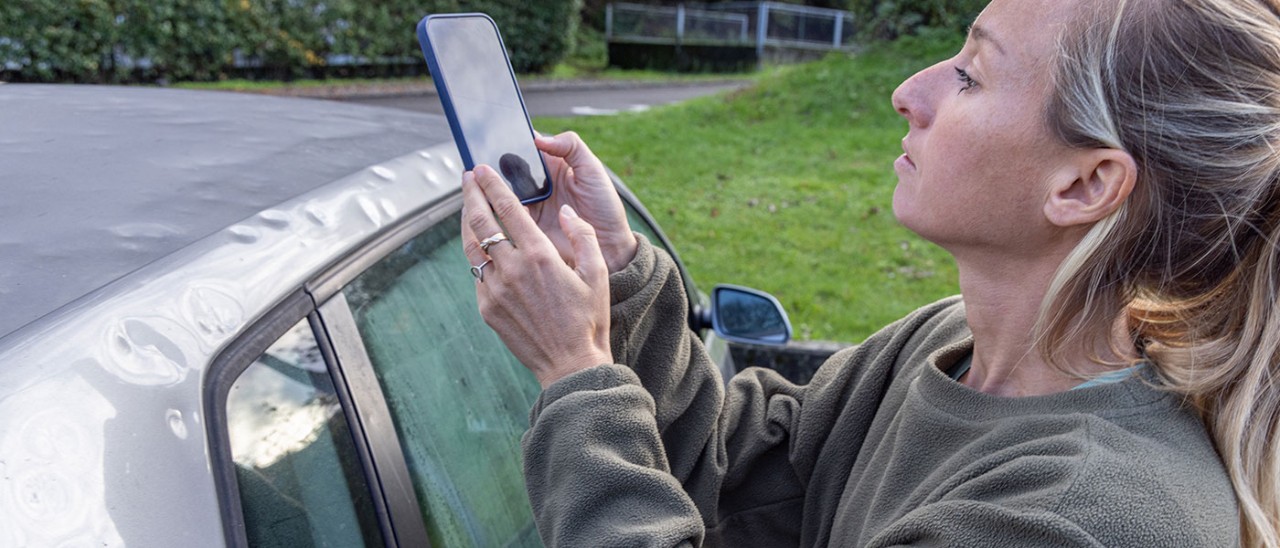
A woman takes a photograph of her hail-damaged car.
RACV

April 30, 2026

Hail can cause widespread damage to cars, property, and even people. If you were caught off guard by hail and your car was damaged, here's what to do next.

Repairs for hail damage can easily run into the thousands, and even minor damage can take a week or longer to repair. Some storm-damaged cars are even written off because the cost of repairs exceeds the car’s value. 

If your car is damaged by hail, check for broken glass, photograph the damage, and contact your insurer as soon as possible if you’re covered. Hail damage is usually cosmetic, but broken windscreens or lights can make a car unroadworthy and unsafe to drive.

Read on for our tips on how to deal with a hail-damaged car.

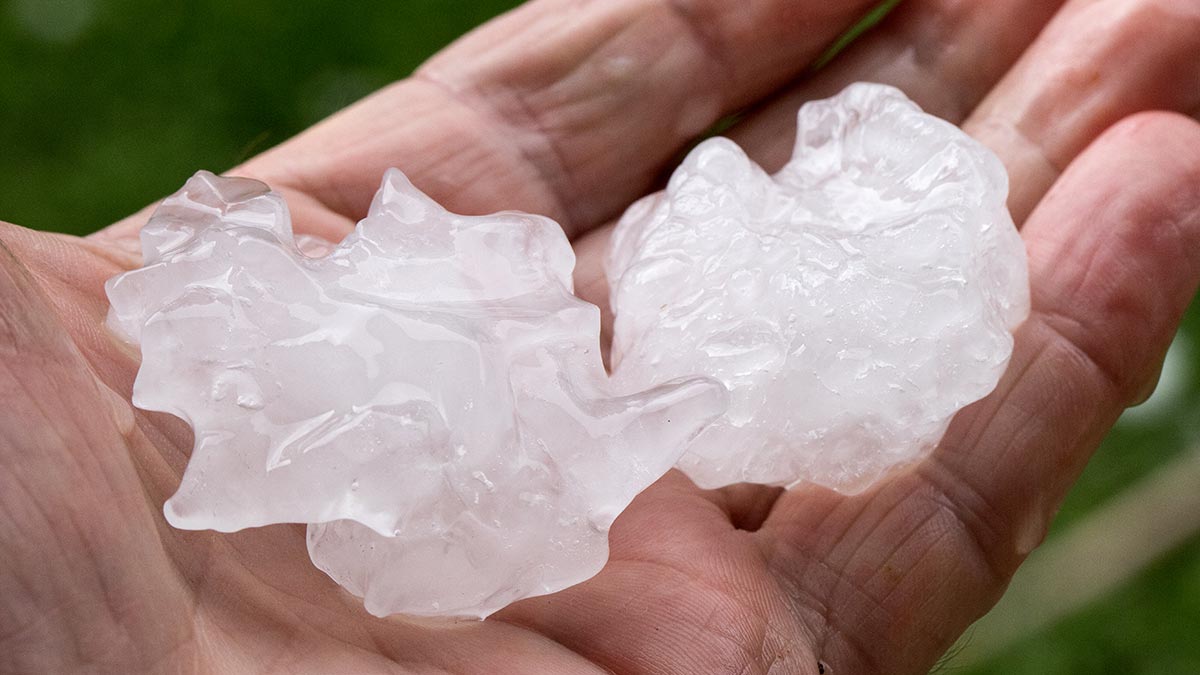
Close-up of a hand holding two giant hailstones.

Very large hailstones are uncommon, but can cause significant damage when they occur. Image: Getty

What to do immediately after hail damage

Check whether your car is safe to drive

Hail damage to a vehicle’s bodywork is generally cosmetic only and will not usually affect the driveability or roadworthy status of the vehicle.

If, however, the hail has broken any glass on the windscreen, rear or side windows, side mirrors or light lenses, your vehicle is deemed unroadworthy. In this case, the glass must be replaced before driving the vehicle.

If your vehicle has been damaged by hail and your car insurance cover includes hail damage, contact your insurer as soon as possible to lodge a claim. 

Take photos and document the damage

Before arranging repairs or lodging a claim, it’s important to document the hail damage clearly. Good photos help insurers assess what happened and can speed up the claims process.

Try to take photos:

  • as soon as it’s safe to do so, ideally before any repairs or cleaning
  • in good lighting, so dents, cracks or broken glass are easy to see
  • from multiple angles, including close‑ups and wider shots of the whole vehicle
  • of specific damage, such as dents in panels, cracked windscreens, damaged mirrors or lights.

It can also help to photograph:

  • the location where the car was parked during the hailstorm
  • any hailstones on the ground, if visible at the time.

If you plan to make an insurance claim, keep these photos along with:

  • the date and approximate time the storm occurred
  • any weather alerts or warnings that were issued.

Clear documentation makes it easier to explain what happened and supports any next steps with your insurer.

Contact your insurer if you’re covered

If your car insurance policy includes cover for storm or hail damage, contact your insurer as soon as possible to let them know what happened. This helps get the claims process started and ensures you understand your next steps before arranging repairs.

When you get in touch, you may be asked to provide:

  • photos of the hail damage
  • the date and location of the storm
  • a brief description of what was damaged.

It’s a good idea to check your level of cover before making a claim, as hail damage is typically covered under comprehensive car insurance, but not under all policies. Your insurer can explain whether you’re covered and what excesses or conditions may apply. You can also check the Product Disclosure Statement.

If your car has broken glass or damage that affects safety, your insurer can also advise on whether the vehicle should be driven or needs to be repaired before it’s back on the road.

RACV Members with an RACV Car Insurance policy can use the online claims portal or call the 24/7 Claims and Assistance Centre on 13 19 03 as soon as possible to lodge claims.

Woman looking at RACV App with icons for insurance claims, roadside emergency and fuel vouchers on phone.

RACV Members with an RACV Car Insurance policy can use the RACV App to make a claim.

Is hail damage covered by car insurance?

When hail damage is usually covered

Hail damage may be covered if you have a car insurance policy that includes cover for accidental damage caused by weather events, such as storms. This type of cover is commonly included in comprehensive car insurance, but whether a claim is accepted depends on your individual policy and circumstances.

Cover can vary based on factors such as:

  • the type of policy you hold
  • any exclusions or conditions that apply
  • whether the damage occurred during the policy period.

Because cover differs between policies, it’s important to check your Product Disclosure Statement (PDS) or speak with your insurer to confirm what your policy includes.

When hail damage may not be covered

Hail damage may not be covered if your car insurance policy does not include cover for storm or accidental damage. For example, policies with more limited cover may not insure damage caused by weather events.

A claim may also be affected if:

  • the damage falls under a policy exclusion
  • the car was not insured at the time the damage occurred
  • other policy conditions have not been met.

If you’re unsure whether hail damage is covered under your policy, your insurer can explain how your cover applies and whether you’re able to make a claim.

car damaged by hail

If hail has shattered your windscreen, then the vehicle would be considered unroadworthy. Image: Getty

Repairing a car damaged by hail

Are hail dents worth fixing?

Whether hail dents are worth fixing depends on the extent of the damage and your circumstances. In many cases, hail damage to body panels is cosmetic and doesn’t affect how the car drives.

However, leaving visible dents unrepaired may affect the resale value of your vehicle, particularly if the damage is widespread or obvious. If the dents are significant, you may choose to have them repaired for appearance or resale reasons.

If you’re insured for hail damage, your insurer can advise whether repairs are an option under your policy and what steps to take before arranging any work

Can hail damage chip paint?

Hail damage does not usually chip a car’s paint, but it can happen in some cases. Paint damage is more likely if the vehicle has had previous bodywork or paint repairs, or if the hailstones were particularly large.

If paint is chipped or scratched, it’s generally a good idea to have it assessed, as exposed metal can increase the risk of rust over time. An insurer or repairer can help determine whether the damage is cosmetic or needs attention.

 Learn how to remove scratches from your car here.

When hail damage can lead to a write‑off

In some cases, severe hail damage can result in a car being written off. This typically happens when the cost to repair the damage exceeds the vehicle’s value, rather than because hail damage affects the car’s mechanical safety.

Whether a car is repaired or written off depends on the extent of the damage, the age and value of the vehicle, and the terms of the insurance policy. Your insurer will assess the damage and explain the outcome if a claim is made.

Buying or selling a hail‑damaged car


You may be able to buy or sell a hail‑damaged car at a lower price, particularly if the damage is cosmetic and doesn’t affect how the vehicle drives. For buyers, it’s important to check that the car is mechanically sound and to confirm that an insurer is willing to cover a hail‑damaged vehicle before purchasing.

For sellers, visible hail damage may affect resale value, even if the car is otherwise roadworthy. Being upfront about the condition of the vehicle can help buyers make an informed decision.

Depending on the severity of the hail damage, a vehicle may be listed as a repairable write‑off on the Written‑Off Vehicles Register (WOVR). Buyers and sellers can check a vehicle’s status through the Personal Property Securities Register (PPSR) before a sale.

If a vehicle has previously been written off and repaired, it’s also a good idea to confirm whether it has undergone a Vehicle Identity Validation (VIV) inspection before it is bought or sold.
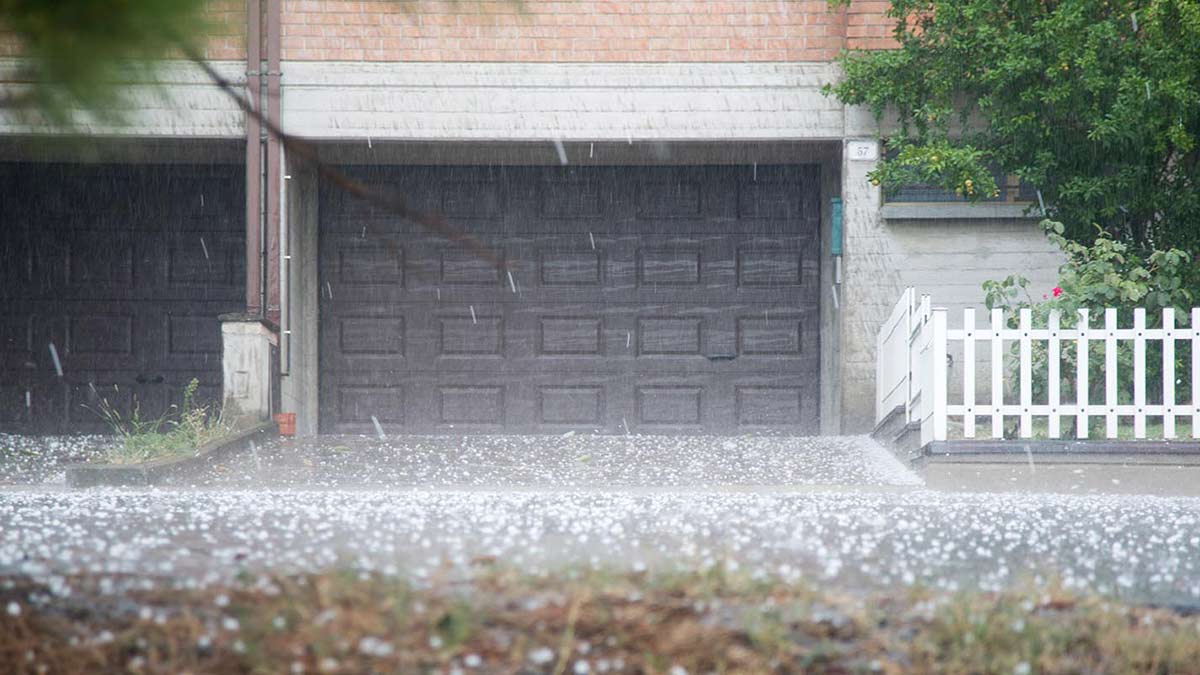
Hail on ground in front of garage.

Parking your car in a secure undercover location, such as a garage or shopping complex carpark, offers the best protection in a storm. Image: Getty

How to reduce the risk of hail damage in future

Check weather warnings and forecasts

Checking a dedicated weather app or website like the BOM Weather App or VicEmergency app can help you anticipate and prepare for an impending storm, giving you more time to park your vehicle in a secure undercover location, such as a garage or carport.

Park under cover where possible

One of the most effective ways to help prevent hail damage is to park your car in a secure undercover location, such as a garage or carport. Solid structures that fully cover the vehicle can reduce direct impact from hailstones.

If hail is forecast and you’re away from home, covered public parking, such as a multi‑storey car park or shopping centre garage, may also offer protection. If you’re already driving when hail begins, it may be safer to slow down and look for nearby shelter, such as a covered car park or service station awning, and wait for the storm to pass.

When parking under cover, it’s best to avoid areas:

  • under trees, which can drop branches during storms
  • near power lines or loose structures
  • in low‑lying areas that may be prone to flash flooding.

Checking weather forecasts and alerts ahead of time can help you plan where to park and move your car under cover before a storm arrives.

Use a hail cover or temporary protection

You can buy a hail cover from most auto shops starting from around $200-300. Hail covers totally cover your car, reducing the impact of hailstones on your vehicle to minimise damage. Keeping one in the car means that you always have a back-up plan if you can’t get your car under cover in time. Make sure to practice putting it on so you’re not struggling with it in during a storm.

In situations where a hail cover isn’t available, temporary items such as thick blankets or car covers may offer limited protection, particularly over large, flat panels like the roof or bonnet. These options are not a substitute for solid shelter, but they may help minimise cosmetic damage.

If hail begins suddenly and it’s not safe to leave your vehicle, it’s generally best to stay inside the car and wait for the storm to pass, rather than attempting to apply covers during severe weather.

Car hail damage FAQs

Hail damage does not usually make a car unroadworthy if the damage is limited to cosmetic issues such as dents in body panels. In most cases, this type of damage does not affect how the vehicle drives.

However, a car can be considered unroadworthy if hail has caused damage that affects safety, such as broken or cracked glass in the windscreen, windows, mirrors or lights. In these situations, the damaged components generally need to be repaired or replaced before the vehicle can be driven.

You generally shouldn’t drive with a cracked windscreen after hail. If hail has cracked or broken your windscreen, the vehicle is usually considered unroadworthy, as damaged glass can affect visibility and safety. In most cases, the windscreen needs to be repaired or replaced before the car can be driven.

If you have car insurance that includes windscreen or glass cover, your insurer can advise whether the damage is covered and what your next steps are. It’s best to check your policy or speak with your insurer before driving the vehicle.

Should you repair or replace a cracked windscreen?

Hail damage can affect a car’s resale value, particularly if the damage is visible. Even when hail damage is cosmetic and doesn’t affect how the vehicle drives, dents or panel damage may make the car less appealing to potential buyers.

The impact on resale value can vary depending on factors such as the extent and visibility of the damage, the age and condition of the vehicle, and whether the damage has been repaired.

The time it takes to repair hail damage can vary depending on the extent of the damage. Even minor hail damage can take a week or longer to repair, while more extensive damage may take longer to assess and fix. In some cases, vehicles are written off if repair costs exceed the car’s value rather than being repaired.

After major hailstorms, there can be a high volume of damaged vehicles needing assessment and repair, which may affect how long the process takes.


Help protect your vehicle from loss or damage

Discover RACV Car Insurance

This is general advice only and does not take into account your individual objectives, financial situation or needs (“your personal circumstances”). Before using this advice to decide whether to purchase a product, you should consider your personal circumstances and the relevant Product Disclosure Statement and Target Market Determination. For copies, visit racv.com.au. RACV Car Insurance issued by Insurance Manufacturers of Australia Pty Limited ABN 93 004 208 084 AFS Licence No. 227678. As distributor, RACV Insurance Services Pty Ltd AFS Licence No. 230039 receives commission for each policy sold or renewed.