
Discover key insights on Victoria’s West Gate Tunnel, including essential facts, toll details, and travel benefits for drivers.
Car Safety


How to prevent and remove spiders in your car
Discovering a spider in your car can be alarming, and may lead to distracted or even dangerous driving. Here’s how to help prevent spiders from residing in your vehicle, plus what to do if you spot one while you’re driving.
Most spiders pose little threat, so it's important to stay calm if you do encounter one in your car. If you notice a spider while driving, do not attempt to swat it. Keep your hands on the wheel and your attention on the road, and stop at a safe location, where you can safely remove the spider from your car.
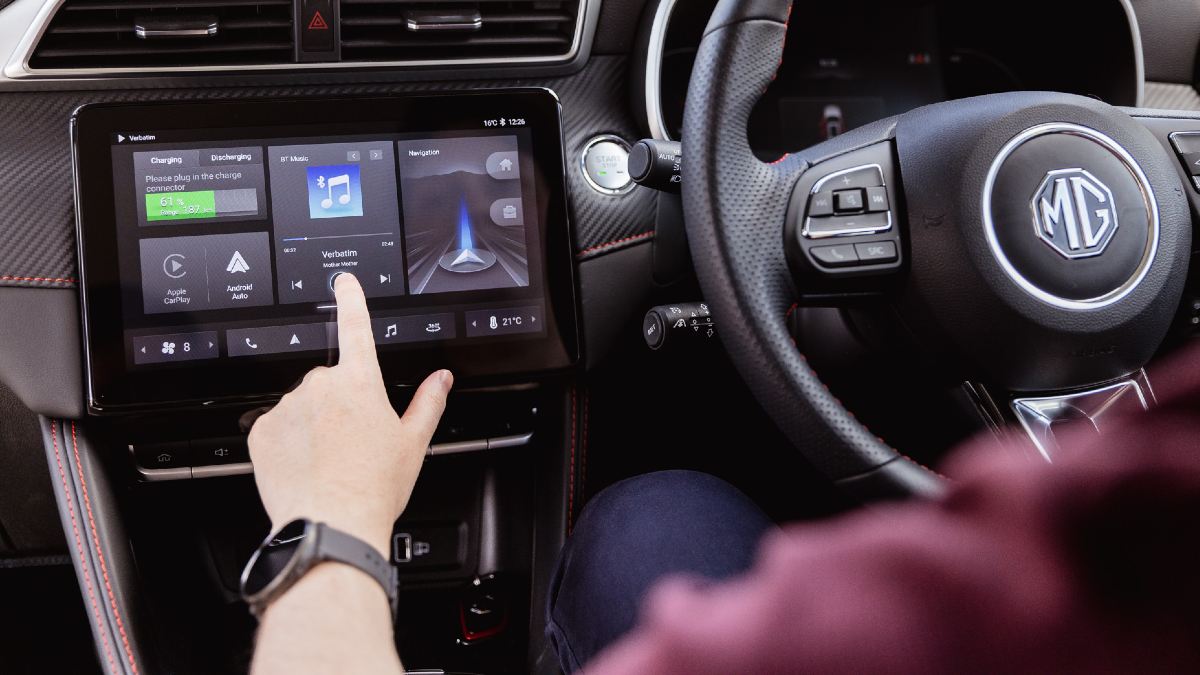
“Distracted driving is a major contributor to road crashes,” says RACV Head of Policy James Williams. “Just as mobile phones and infotainment screens can draw your attention away from the road, the fright caused by a spider could also present a significant safety concern.”
Transport Victoria warns that taking your eyes off the road for two seconds or more when driving doubles your crash risk.
Follow this guide to safely handling a spider encounter in your car without the risk of a car crash (or spider bite), along with measures you can take to prevent future spider issues.
In this article
- What to do if there is a spider in your car
- Why are there spiders in my car?
- Are spiders in my car dangerous?
- Tips for preventing spiders in your car
What to do if there is a spider in your car
1. Stay calm
If you spot a spider in your car while driving, stay calm and keep control of the vehicle. Your safety comes first. Avoid sudden movements or swerving; focus on the road and pull over to a safe location before dealing with the spider. Remember, a calm response is far safer than a panicked reaction.
2. Park your vehicle
Keep driving until you find a safe location where you can pull over, park your car and turn off the engine. Once you are safely parked, open the door, and try to let the spider escape by itself.
3. Safely remove the spider
Even though most spiders are not aggressive, they may bite in self-defence if frightened, threatened or accidentally touched, the Department of Health advises. If you feel confident that it will not harm you, carefully cover it with a container like a glass jar, slide a piece of paper under it, and let it escape away from the car.
When cleaning the outside of your car, give extra attention to side mirrors. Image: Getty
Why are there spiders in my car?
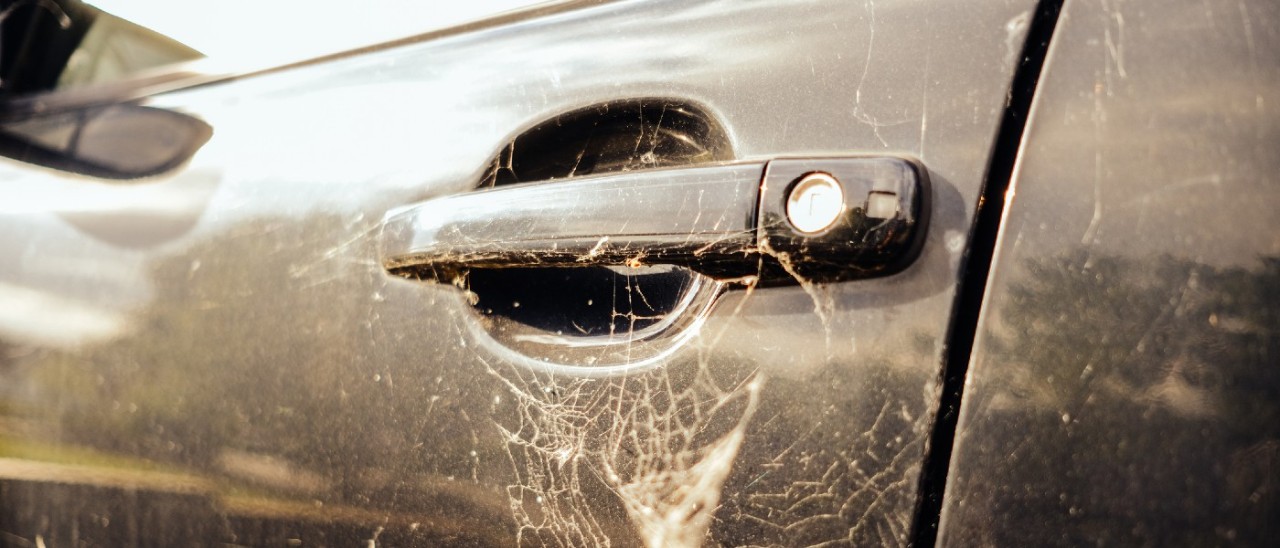
Spiders are typically attracted to confined spaces where there’s warmth, dirt and dust. They might take advantage of open doors or windows to get into your car but can also find their way in through small cracks in the roof, window rails or along the edge of the doors.
Once inside the car, spiders may look for a hiding spot that doesn’t vibrate, such as the ceiling, dashboard or the front sun visors. Without being found, spiders can survive for many months inside the car, particularly if there is a food source, such as crumbs.
Related: How to keep common pests, insects and rodents out of your car.
Are spiders in my car dangerous?
Generally speaking, most spiders that you're likely to find in your car are not dangerous to humans in themselves. They are unlikely to bite unless provoked. In the unlikely event of a spider bite, most bites can be treated using first aid (a car emergency kit with first aid supplies can be helpful in this case).
The danger of spiders in your car instead comes from their unexpected appearance which can cause suprise, distracted or dangerous driving. For this reason, it is vital to maintain focus and control of the car if you notice a spider in your vehicle while driving.
Parking near trees is a common way spiders find their way into your car. Image: Getty
Tips for preventing spiders in your car
Keep the car clean
Keeping the car clean from crumbs, clutter, rubbish, dirt and debris is one of the best ways to deter spiders.
Make sure you clean the interior of the car, including tight spots where spiders like to hide: air conditioning vents, the roof, carpet, sun visors and steering wheel, for example.
When cleaning the outside of your car, give extra attention to side mirrors, under wheel arches and behind the grille. Also check under the bonnet and remove any twigs or leaves that may have built up around the car that can provide extra shelter.
More: How to wash, clean and detail your car
Keep your windows and doors shut and well-sealed
Spiders can get into your car through tiny cracks, so make sure your car is securely shut – doors closed and windows put all the way to the top. Keeping doors and windows shut and locked, even if just popping inside for a moment, can also help prevent car theft.
Also make sure any gaps in your door trim or rubber seals that a spider could sneak through are thoroughly closed up. You could also ask your mechanic to check the condition of the door seals when you take the car in for its next service.
More: What you need to know about car services
Avoid parking the car near trees and bushes
Try your best not to park in places where spiders may frequent, such as below trees or near bushes or debris. This can encourage spiders to crawl into your car for shelter, particularly in wet weather. If you have lots of branches overhanging where you regularly park your vehicle, consider trimming them back where possible.
If you frequently find spiders in your car, it may be worth contacting a pest control professional for advice or service.
Use a natural scent or spray in and around the car
Certain natural scents, such as eucalyptus, peppermint and lavender, are known to deter spiders.
Dabbing essential oils such as these on a cotton bud or using them in a spray and circulating in areas such as the boot, glove compartment, air vents and door frames could be worth a try.
To make a spray, add about 200mL of water, five drops of one of the above mentioned oils, and a few drops of dishwashing detergent into a spray bottle. Avoid spraying onto any digital screens or other surfaces in the car that might not be suitable for these substances.
A surface spray might also prove effective in problem areas like under the front and rear bumper and the wheel arches, and around the edge of the exterior mirrors.
Avoid being distracted while driving and understand inbuilt device laws.
Tips to help prevent distracted driving
Distracted driving has been shown to be a factor in 16 per cent of serious casualty road crashes in Australia. The TAC says driving distracted can reduce your reaction time, lead to you drifting into other lanes, and increase your risk of nose-to-tail crashes.
Make sure you understand inbuilt device and car screen laws in Victoria, as well as mobile phone rules for fully licenced drivers and those on the L or P plates, and avoid driving when tired or fatigued.
New cars sold in Australia today are also increasingly fitted with a range of advanced safety systems, including driver attention monitoring and lane depature warning. This technology can help keep you and others safe on the road but should not be relied upon entirely.

