
When it comes to vehicle maintenance, delaying essential car repairs can lead to safety issues and higher servicing and repair costs. Here are the top car repairs and maintenance issues you should have fixed immediately.
Safety


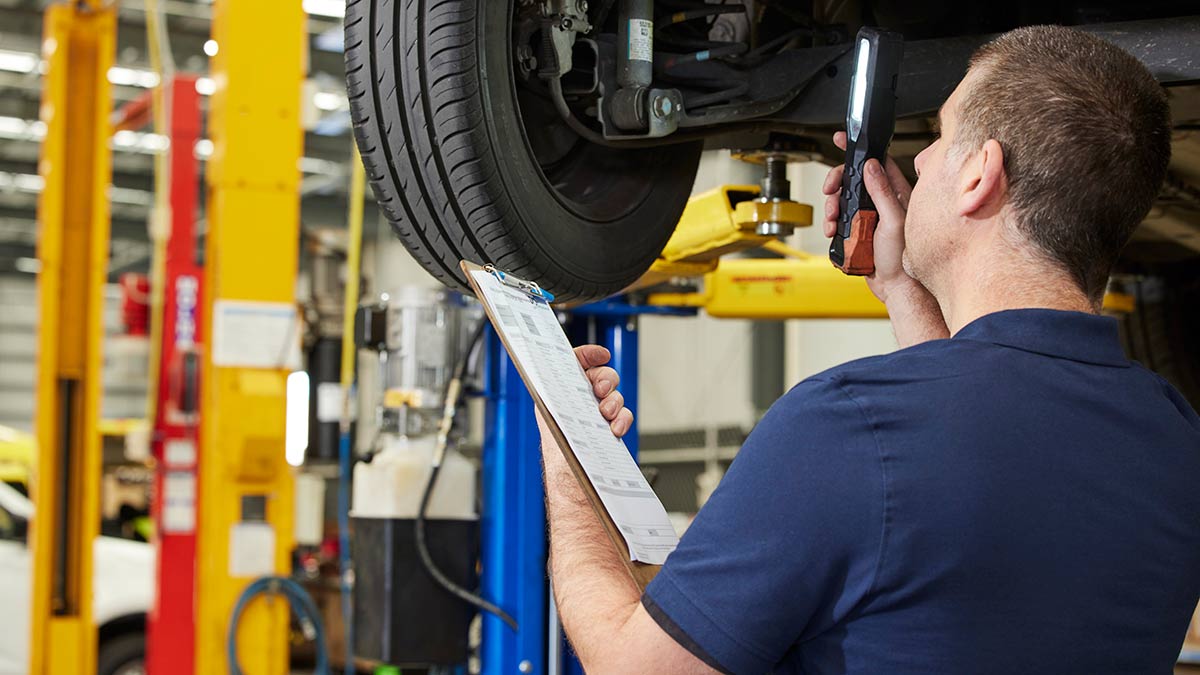
What you need to know about car services
Learn how often your car should be serviced, what's included in a car service, the difference between minor and major services, and why regular maintenance matters.
Having your car serviced regularly is important, but many Victorians are unsure what a service should include, how much it may cost, or how often it should be booked.
Regular servicing helps keep your vehicle running safely and reliably, while making it easier to identify small issues before they become more expensive problems. While learning some DIY car maintenance is great for basic car care, you should always book in with a trustworthy mechanic to keep your car in tip-top shape.
Here’s how to stay on top of your servicing schedule and make more informed decisions when it’s time to visit a mechanic.
You can request RACV Emergency Roadside Assistance directly through the RACV App. Plus, you can track your patrol van in real time if you’re in metro Melbourne.
More: Car repairs and maintenance you shouldn't delay
What is a car service?
A car service is a routine inspection and maintenance check carried out by a qualified mechanic to ensure your vehicle is operating safely and efficiently.
Unlike repairs, which fix something that's already broken, servicing is preventative maintenance. During a service, technicians inspect key components, replace worn or expired consumables, top up fluids and identify any issues that could develop into larger problems.
Regular servicing can help:
- improve vehicle safety
- reduce the risk of unexpected breakdowns
- maintain fuel efficiency
- extend the lifespan of your vehicle
- help preserve resale value
- identify small issues before they become costly repairs.
How often should you service your car?
Most modern vehicles can track and display when your next service is due. The best guide is your vehicle manufacturer's recommended service schedule, which can be found in your owner's manual or service booklet.
Otherwise, as a general rule, your car should have a minor service every 10,000km to 15,000km or every 12 months - whichever comes first. Major car services should generally be booked every 30,000km to 45,000km.
Dependent on your vehicle type, expect additional service intervals to cover major components such as timing belts. These could be at 60,000km, 105,000km or 180,000km. Your mechanic will advise you when one of these critical intervals is coming up to help you budget.
You may need to service your car more often (around every six months) if you regularly:
- drive short distances where the engine doesn't fully warm up
- tow caravans, trailers or boats
- drive in heavy stop-start traffic
- travel on dusty or unsealed roads
- frequently carry heavy loads.
Signs your car may need servicing sooner
Even if your next scheduled service isn't due yet, certain warning signs shouldn't be ignored. Addressing problems early can often prevent more expensive repairs later.
Arrange an inspection if you notice:
- warning lights staying illuminated
- unusual engine noises
- vibrations while driving
- reduced braking performance
- excessive exhaust smoke
- fluid leaking underneath the vehicle
- difficulty starting
- unusual steering or suspension behaviour
- decreased fuel economy.
If your vehicle has a red warning light, stop the vehicle when safe to do so and call roadside assistance for help.
More: What do my car dashboard warning lights mean?
What happens if you skip a car service?
Delaying or skipping scheduled servicing can increase wear on important components and may allow minor issues to develop into expensive repairs.
Potential consequences include:
- reduced engine performance
- higher fuel consumption
- increased risk of breakdowns
- accelerated wear of tyres, brakes and suspension
- shortened engine life
- reduced resale value due to an incomplete service history.
Ignoring warning lights or unusual noises between services can also lead to more serious mechanical problems.
More: Tyre maintenance, roadworthy checks and when to replace them
Can you choose where your car is serviced?
Yes. Australian consumers generally have the right to choose who services their vehicle.
Having your car serviced by an independent qualified mechanic does not automatically void your manufacturer's warranty, provided the service is completed according to the manufacturer's specifications and appropriate parts and fluids are used.
Keeping detailed service records and receipts is important, particularly while your vehicle remains under warranty.
Do you have to take my car to the dealer for servicing?
Dealer servicing requirements are often misunderstood.
Under Australian Consumer Law, a car manufacturer cannot void a warranty if you service your car at an independent mechanic rather than at your dealership mechanic. If you have just bought a new or used vehicle, don't let your dealer tell you that you must have your car serviced there to keep your warranty intact. You only have to ensure that the repairs and replacement parts are consistent with the car manufacturer's standards.
An exception to this is if the dealership offers you a conditional extended warranty, such as Mitsubishi. Mitsubishi offers a 10-year warranty on new vehicles, but years six to 10 are conditional on servicing at a franchised dealership.
More: Capped price servicing - what you need to know
How do you find a trustworthy car mechanic?
Word of mouth is a good way to find a good car mechanic. Ask your family, friends and coworkers for local, reputable car service shops they'd recommend. Reading online reviews is another great way to gauge a mechanic's reputation. You can also visit their workshop to get a sense of how the business is run.
Seek out mechanics who specialise in your make and model of vehicle. You'll often get the best advice and service from a workshop that knows your vehicle inside out and back to front.
When comparing car mechanics, opt for professionalism and good reputation over the cheapest pricing available.
A reputable car workshop should also provide you with:
- a service warranty for the work they do on your car.
- an itemised invoice (also called a work order) that lists all tasks and checks carried out on your vehicle, including any parts or fluids that were replaced plus recommendations of follow-up work.
- a timeframe and estimate for completing work on your car.
- an agreement to contact you before proceeding with any expenses outside of what was originally quoted for your service.
It's best to go with a mechanic that belong to a reputable association whose members must follow a code of conduct, like RACV-accredited auto care centres.
What happens during a car service?
What does a minor car service include?
For conventionally powered vehicles, a minor car service is usually a quick and relatively inexpensive process that only takes a few hours.
Minor car services should include:
- testing the battery to ensure it's holding charge
- replacing the engine oil and oil filter
- checking the brakes and topping up the brake fluid
- inspecting the tyres for damage or wear and tear (and rotating them if needed)
- testing the lights, steering, suspension, wiper blades and air conditioning system to ensure everything is working
- checking the air, fuel and pollen filters to ensure they are operating efficiently
- checking the leads and spark plugs as an indicator of engine condition
- checking the belts, hoses, exhaust and transmission
- topping up, flushing or changing the engine coolant, windscreen washer, power steering fluid, transmission fluid, clutch fluid, etc. as required.
More: Car battery guide: how they work, when to replace them, and how to jump-start
What does a major car service include?
A major car service can take most of a working day, with pricing varying depending on the vehicle type and what needs replacing.
Major car services on conventionally powered vehicles will include everything in a minor car service, plus:
- comprehensively checking and testing engine performance
- fully flushing and changing necessary fluids and oils
- cleaning and adjusting the brakes
- performing a wheel alignment and a suspension check where necessary
- repacking wheel bearings where necessary
- replacing any parts that have reached their recommended lifespan (e.g. tyres, timing belt, filters, hoses, spark plugs).
You need a specialised mechanic to service an electric vehicle.
Are electric vehicles serviced differently?
Mechanics need specialised knowledge and equipment to service electric vehicles (EVs). EV services should include:
- checking the battery's health
- maintaining the electric motor and inerter
- inspecting the cooling system
- checking the brake system
- updating any necessary software
- inspecting the high-voltage electrical system
- inspecting the tyres for damage or wear and tear (and rotating them if needed)
- testing the lights, steering, suspension, wiper blades and air conditioning system to ensure everything is working
- checking and topping up brake fluid, power steering fluid, transmission oil and battery coolant
- checking the air and HEPA filters to ensure they are operating efficiently.
More: EV battery guide: types, capacity, charge levels, and safety
What is a logbook service?
A logbook service is a car service that keeps your vehicle warranty valid. The service will include specific checks recommended by your car's manufacturer. The logbook car service needs to be captured in your logbook at the recommended service intervals specified by the owner's manual. Essentially, a logbook service is particular to your vehicle make and model rather than cars in general.
When buying a used car, it's important to check all logbook services have been carried out on time, as these can include important items such as timing belts.
It's worth familiarising yourself with what a minor and major car service should include.
How much should a car service cost?
Car service prices depend on your car's make and model and what needs to be done during the service. Regular servicing should help keep costs down, as potential problems can be identified and rectified before they become major.
When booking your vehicle service, you may wish to compare costs between mechanics. Make sure you compare like for like by asking if the service quote is based on your logbook. You'll find all reputable workshops will base your service quote on what is required by the manufacturer in your logbook.
Before getting any work done, ask for a written estimate from your mechanic that includes the work to be done, estimated time of completion and estimated parts and labour costs. Make it clear that you should be called before any work commences on repairs that aren't included on the quote.
Mechanics should accept payment after repairs are completed rather than up front. When you pick up your car, make sure to get an invoice detailing what was done to your car and noting the relevant warranties.
Where specialist parts are required to be ordered in for your vehicle (for example, electronic repair parts), your mechanic may request a special order deposit, as these parts may be unique to your vehicle.
What is capped price servicing?
Capped price servicing is an arrangement between a car manufacturer and an authorised dealer that provides car owners with set-price services to be completed at set intervals.
Capped price servicing can give car owners more certainty about service costs.
Make sure to tell your mechanic about any problems you've noticed with your car.
How do you tell a mechanic about a problem with your car?
Intermittent car problems can be frustrating to get fixed, as they aren't always immediately obvious to the mechanic. If you need something concerning checked at your next service, describe the problem to your mechanic.
Include details like how long you were driving before the problem started, whether there were any strange noises, smells or vibrations, and whether there were particular circumstances like driving on a gravel road. You should also include environmental factors, like extreme temperatures or rainy weather. Finally, let your mechanic know if any warning lights flashed on and off.
How can you keep your car in good condition between services?
Routine servicing is important, but regular checks between appointments also help maintain your vehicle. Drivers should periodically:
- check tyre pressures and tread depth
- inspect engine oil levels (where applicable)
- monitor coolant levels
- top up windscreen washer fluid
- replace worn windscreen wiper blades
- ensure all exterior lights are working
- listen for unusual noises or vibrations
- keep the vehicle clean to help protect paintwork and improve visibility.
These simple checks take only a few minutes and can help identify problems before they worsen.
RACV Emergency Roadside Assist is a breakdown support service, separate to insurance, that is provided by Royal Automobile Club of Victoria (RACV) Ltd and not RACV Insurance Services Pty Ltd. Emergency Roadside Assistance does not insure you against the costs of a car accident and is not a motor insurance product. Refer to the RACV Emergency Roadside Assistance Terms and Conditions for more details.

