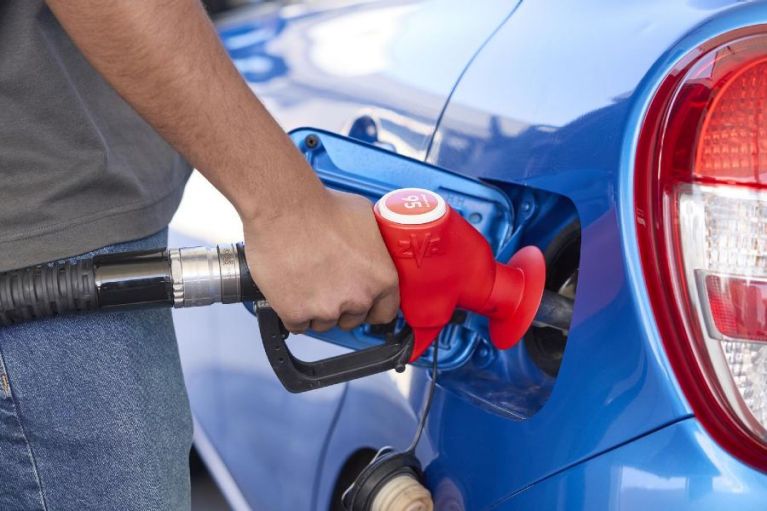
Petrol and diesel prices are shaped by global markets, local pricing cycles and how efficiently your car runs. Here’s how fuel pricing works in Australia – and how to estimate and manage your running costs.
Car Maintenance

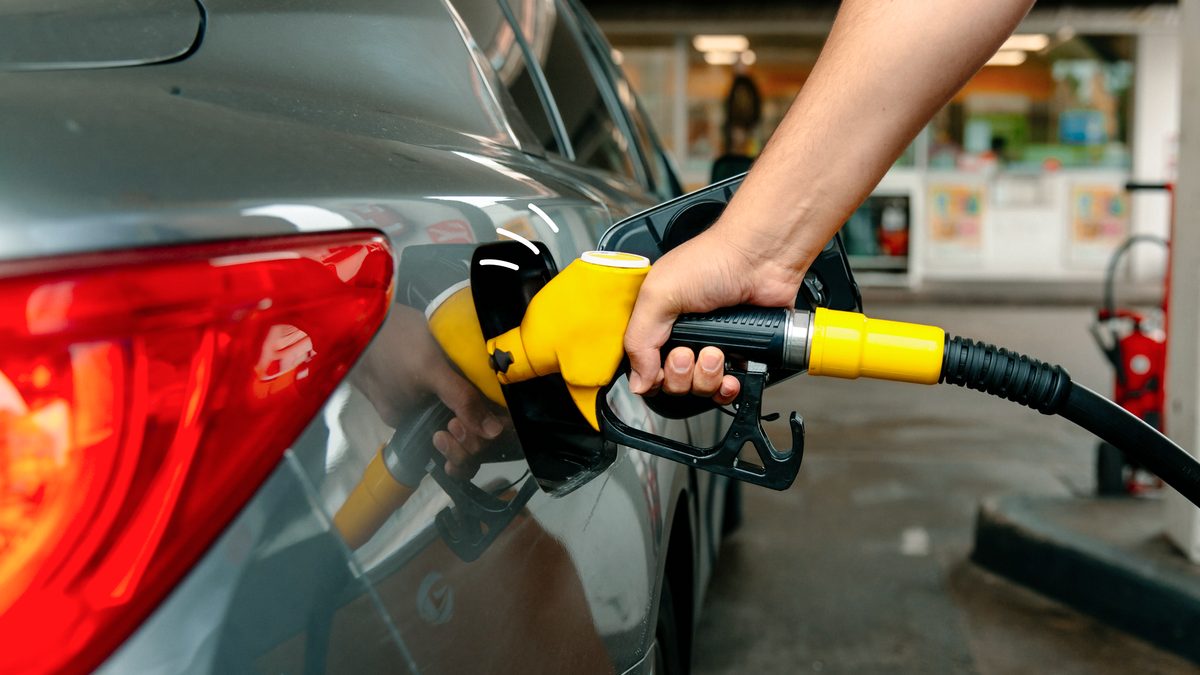

Petrol types explained: 91, 95, 98 and E10 differences
When you pull up at the bowser, the range of petrol options can feel confusing. Understanding the difference between petrol types helps Australian drivers make informed choices, avoid unnecessary expense and ensure their vehicle runs as intended.
Regular unleaded, premium unleaded, 95, 98, E10 and even ethanol blends all compete for attention, often at very different prices. While it can be tempting to simply choose the cheapest option, using the right petrol for your vehicle can affect performance, fuel efficiency, running costs and long-term engine health.
Here is a practical guide to the main petrol types available in Australia, what the numbers mean and how to choose the right fuel for your car.
RACV Members can use the RACV App to compare nearby fuel prices.
What do petrol numbers mean?
Car companies research and develop engines to run on a fuel with a specific octane rating. The numbers you see on petrol pumps (such as 91, 95 or 98) refer to the fuel's octane rating.
Octane rating measures a fuel's resistance to engine knock, which is the premature ignition of fuel inside the engine cylinder. Engine knock can reduce performance and, over time, cause engine damage.
In Australia, the most common octane ratings are:
- 91 RON (Research Octane Number)
- 95 RON
- 98 RON
Higher octane fuels are more resistant to knock - but higher octane doesn't automatically mean better performance for every car.
More: Research and compare new cars, SUVs and utes on sale today in Australia
Most modern cars built to run on 91 will operate reliably and efficiently on this fuel.
What is each fuel type good for?
E10: ethanol-petrol mix
As the name suggests, E10 fuel is made by mixing 10 per cent ethanol (a renewable fuel derived from plant materials like sugar cane or grain) into regular unleaded fuel (usually 91 RON).
Ethanol is cheaper than petrol, so the resultant fuel costs less at the bowser. The downside is ethanol is less energy-dense than fuel. Those who fuel up with E10 will use around three per cent more fuel than 91 RON petrol to travel any given distance.
To be better value, E10 then needs to be at least three per cent cheaper than regular unleaded petrol.
Before using E10, drivers should always check their vehicle owner's manual or the manufacturer's fuel compatibility advice. Ethanol can attract moisture and may degrade rubber and plastic components in fuel systems not designed for it.
Ethanol blends beyond E10
Higher ethanol blends, such as E85, are available in limited locations in Australia, designed for flex-fuel cars. Using high-ethanol fuel in a vehicle not designed for it can cause serious engine and fuel system damage. Unless your car is clearly labelled as flex-fuel capable, these blends should be avoided.
91 RON: regular unleaded petrol
Regular unleaded petrol, commonly labelled as 91, is the most basic petrol available in Australia.
It’s formulated for engines with lower compression, so it ignites more easily at lower temperatures and pressures than higher‑octane fuels. It’s also usually the cheapest fuel option.
Most modern cars built to run on 91 will operate reliably and efficiently on this fuel. For drivers with everyday commuter vehicles, small hatchbacks or older cars that specify 91 in the owner's manual, regular unleaded is usually the most cost-effective choice.
Using 91 in a car designed for higher octane fuel is not recommended. While many modern engines can adjust to lower octane in an emergency, ongoing use may reduce performance and fuel efficiency and could increase engine wear over time.
Conversely, owners of vehicles with a recommended 91 RON ingestion are generally wasting their money buying the more expensive fuels, given the cars haven't been tuned to take advantage of the higher-octane propellents. As a result, performance and/or fuel efficiency gains will be marginal.
Car companies research and develop engines to run on a fuel with a specific octane rating.
95 RON: premium unleaded petrol
Premium unleaded petrol, often marked as 95, has a higher octane rating than regular unleaded. It offers greater resistance to engine knock and is commonly recommended for vehicles with higher compression engines.
Many European cars, turbocharged vehicles and performance-oriented models specify 95 RON as the minimum fuel requirement. In these vehicles, using 95 can help maintain smooth acceleration, consistent power delivery and optimal fuel efficiency.
For cars that are designed to run on 91, switching to 95 will not usually deliver noticeable performance gains. In most cases, the extra cost is unlikely to be offset by improved fuel economy or engine benefits unless the manufacturer specifically recommends premium fuel.
98 RON: extra premium unleaded petrol
98 RON petrol is the highest-octane fuel widely available in Australia. It's designed for high-performance engines that operate under greater pressure, such as sports cars and high-output turbocharged vehicles.
Cars that require 98 petrol rely on its resistance to engine knock to deliver maximum power and protect engine components. Using lower-octane fuel in these vehicles can lead to reduced performance and, in some cases, trigger warning lights or limp-home modes.
For vehicles that do not require 98, the benefits are limited. While some drivers report smoother operation, most standard engines cannot take advantage of the higher octane rating, making it an unnecessary expense for everyday driving.
RACV Members can find the cheapest fuel near them by using the RACV App.
Common petrol FAQs
What is the right petrol for my vehicle?
The most reliable way to choose the correct petrol is to follow your vehicle manufacturer's recommendations. This information can be found in the owner's manual, inside the fuel filler flap, or on the manufacturer's website.
You can also use RACV Car Match to compare the fuel economy and emissions of cars on sale in Australia.
How do I reduce fuel costs?
For drivers focused on reducing fuel costs, choosing the lowest octane fuel that meets manufacturer requirements is generally the most economical approach.
The easiest way to save money running your vehicle is to:
- service your car per its recommended schedule - to keep the engine calibrated for optimum efficiency, with regularly replaced fuel and oil filters to keep your engine in ideal condition.
- keep the tyres inflated to the correct pressure - underinflation makes the engine work harder to get the vehicle moving, while overinflation that increase tyre wear.
- remove unnecessary luggage - extra baggage adds to the car's weight
- remove roof racks - when not in use, roof racks increase aerodynamic drag for no reason.
Does premium petrol clean your engine?
Some premium fuels include additional detergents designed to help keep fuel injectors and intake valves clean. Over time, these additives can reduce the build-up of deposits inside the engine.
However, all petrol sold in Australia must meet national fuel quality standards, including minimum detergent requirements. For most drivers, using the recommended fuel and maintaining regular servicing is far more important than choosing premium petrol solely for cleaning benefits.
Can using the wrong petrol damage your car?
Using petrol with an octane rating lower than recommended by the manufacturer can lead to engine knocking, reduced efficiency and potential long-term damage. Modern engines often have sensors that adjust timing to protect the engine, but this usually comes at the cost of performance and fuel economy.
Using a higher octane petrol than required won't damage your car, but it's unlikely to deliver measurable benefits. In most cases, it simply increases running costs without improving performance.
Why is petrol called unleaded?
Unleaded petrol doesn't contain tetraethyl lead, which was previously added to petrol to boost octane levels. It's banned in Australia due to toxic emissions that pose health and environmental risks.
Is E10 more eco-friendly than regular petrol?
Petrol vehicles contribute to greenhouse gas emissions regardless of fuel type. While ethanol blends such as E10 include renewable content, they still produce emissions and may even slightly increase fuel consumption.
Drivers looking to reduce environmental impact should focus on smooth driving, maintaining correct tyre pressure and keeping their vehicle well serviced. For some motorists, transitioning to hybrid or electric vehicles may offer greater long-term environmental benefits.
Does higher-octane petrol improve fuel efficiency?
No, higher octane petrol doesn't automatically improve fuel efficiency. Fuel consumption is influenced by engine design, driving conditions, vehicle load and driving style.
In cars designed for regular unleaded, fuel economy is unlikely to improve with premium petrol. In vehicles that require premium fuel, using the correct octane helps the engine operate efficiently and may prevent unnecessary fuel consumption caused by engine knock or timing adjustments.
Does switching between petrol types damage the car?
It's a common misconception that switching between petrol types regularly can confuse or damage the engine. Most modern cars can adapt to different octane levels, but consistently using the recommended fuel remains best practice.
Why is getting hard to find LPG fuel?
Automotive LPG (liquefied petroleum gas) sales have been declining over the past decade and now account for just 2 per cent of total automotive fuels sold in Australia.
In Victoria, LPG vehicle numbers peaked in 2013 with about 500,000 registered vehicles, but numbers have fallen to just over 200,000. LPG bowsers aren't being replaced, as it does not stack up economically for the sites to maintain them.
LPG vehicles are likely to be phased out in Australia by around 2045.
What happens if I run out of petrol on the road?
RACV Emergency Roadside Assistance (ERA) can bring you up to 5 litres of fuel to get you to the nearest service station, if you run out of fuel in Victoria.