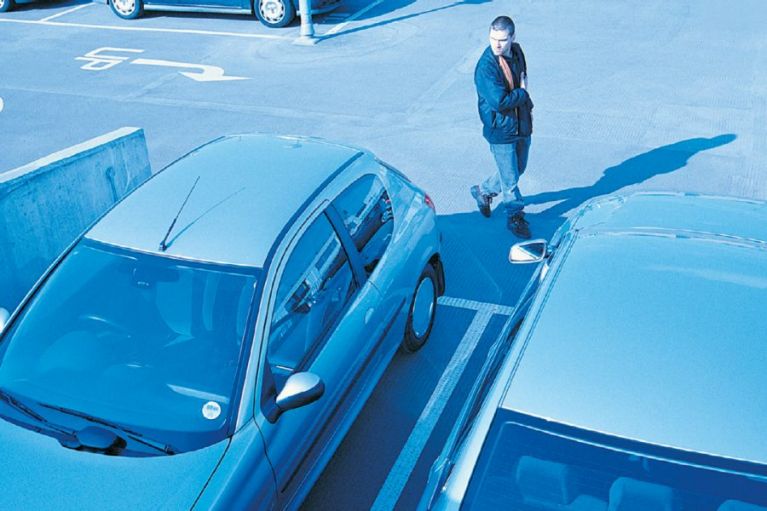
Faraday bags, boxes or pouches are a simple tool that can help protect your car from theft. Here’s how they work.
Car Insurance
How to prevent push-start car theft with an OBD lock
Car thieves are using key programming devices to steal vehicles with push-start technology, leading to a surge in Victorian car theft. Here's how to help deter theft with an on-board diagnostics (OBD) lock.
Car theft in Victoria has surged to levels not seen since 2003, according to Victoria Police. The latest crime statistics show 32,013 vehicles were stolen in Victoria for the year ending December 2025: 3,116 more than in 2024. This comes after a gradual decline in car theft over the past 20 years as vehicle security improved.
Victoria Police warn that thieves target specific car models that are easy to access electronically. These models often use electronic push start technology and don't need ignition key to start. Crime Statistics Agency data shows that Holden Commodores and Toyotas are the most common vehicles stolen.
Here's what you need to know about the crime, and how to help prevent having your own push-start car stolen.
More: Most stolen cars in Melbourne and regional Victoria
Thieves are now using OBD ports to steal cars
What is an OBD port?
Many modern cars have an OBD (on-board diagnostics) port, sometimes called an OBD-II or OBD2 port. This standardised socket, a 16-pin connector, allows access to the car's computer to monitor and diagnose vehicle health and performance.
Mechanics and technicians use diagnostic tools through the OBD port to read and clear error codes, which helps them troubleshoot vehicle issues. The OBD port can also be used for vehicle emissions testing to ensure compliance with environmental regulations. Drivers can even use smartphone applications to connect to the OBD port for advanced data monitoring and tracking.
How is the OBD port a theft risk?
Car thieves are taking advantage of increasingly available third-party electronic devices to plug into the OBD port. They can then bypass ignition locks and immobilisers, override the security system, reprogram a key fob or even start the engine without the original key - then drive the car off. This technique can generally be executed quickly and discreetly.
How are thieves getting OBD port devices?
Numerous sites such as Amazon and eBay offer the devices for sale, since they are legal to own for mechanics and other related professions.
Victoria Police say they seized 800 key cloning devices from car thieves in 2025.
"Car theft in Victoria is evolving fast," Victoria Police report. "More than a quarter of all stolen vehicles last year were taken using onboard diagnostic (OBD) or key‑cloning tools, technology that allows thieves to quietly reprogram a key in minutes."
More: How to help keep your car and keys safe at home
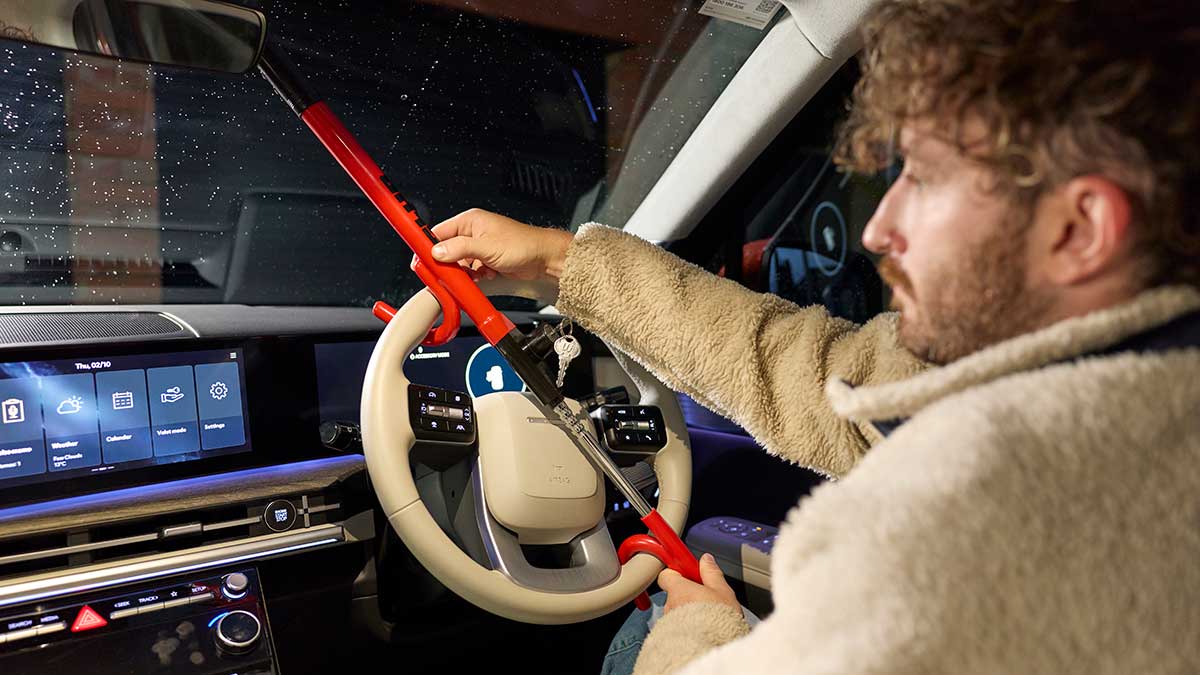
No longer just for older cars, a steering wheel lock adds an extra layer of defence when paired with an OBD lock.
The solution: OBD locks fitted over the port
How an OBD lock works
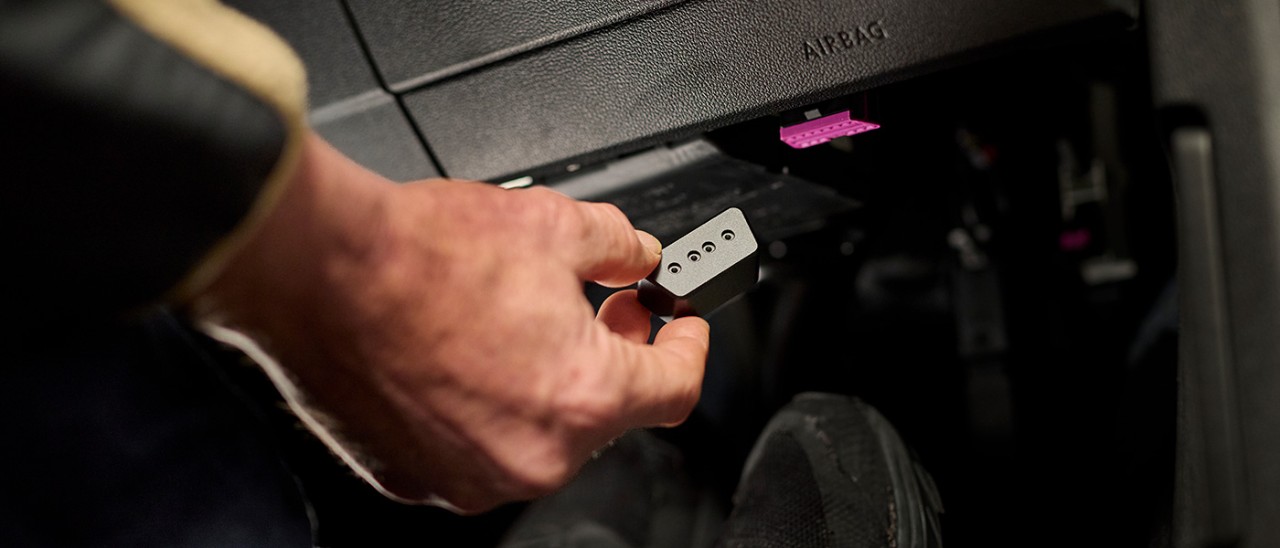
You can purchase an OBD port lock to help keep your car safe from theft. These locks fit over the OBD port to prevent offenders from connecting a reprogramming device to your vehicle. Once fitted, OBD locks require a specific key or code to unlock, ensuring that only the owner can remove the device.
Some OBD locks are simple, one-piece designs that fit directly over the OBD port, while others are more complex, featuring locking mechanisms that require a key or fob for access. Advanced models come with additional features, such as alarms or GPS tracking, providing an enhanced security solution.
How to install an OBD lock
In general, OBD port locks are easy to install yourself. OBD port locks are cheap and readily available from auto shops and vehicle anti-theft websites. You can also ask your mechanic for advice.
You will need an OBD lock kit, a screwdriver, and possibly a socket set, depending on your vehicle model. Follow this step-by-step guide to ensure a successful installation:
- Turn your vehicle off and remove any keys
- Locate the OBD port in your car, usually found under the dashboard near the driver's seat
- Gently remove any panels or coverings over the OBD port
- Secure the lock in place over the OBD port, following the instructions provided with your OBD lock kit
- Reattach any panels or coverings you removed earlier.
You can test the installation by attempting to connect to the OBD port with a diagnostic tool. The lock should prevent access, confirming that your installation was successful.
Why it's important to prevent car access
Would-be car thieves need to first get inside your car to use the OBD port.
Neighbourhood Watch CEO Bambi Gordon says that making theft more difficult is key to dissuading thieves. "Anything that makes it that bit more difficult, takes more time to get to your car, or entails the offender being seen by neighbours or passing traffic, is a good thing," she says.
Combining several measures is usually more effective than relying on a single device. For example, if you park in your driveway and use a steering wheel lock along with the OBD port, you make it harder for thieves to steal your car.
Tick off the steps you can take to reduce the risk:
- Lock your vehicle every time, even at home.
- Close all windows and the sunroof fully.
- Remove valuables and tempting items (car keys, house keys, garage remotes, bags, laptops, loose change).
- Don’t leave documents in the cabin (for example, mail that confirms your address).
- Park in a secure, well-lit area whenever possible.
- At home, park off the street (driveway/carport) and ideally inside a locked garage.
- Improve visibility and deterrence at home (sensor lighting and/or CCTV).
- Consider a car alarm (factory or aftermarket).
- Use a visible physical deterrent (steering wheel lock or bollards).
- Ensure an immobiliser is fitted and enabled (where applicable).
- If you use keyless entry, store keys away from doors/windows and use a keyless “signal blocker” Faraday pouch.
- Ask a reputable auto shop what anti-theft devices suit your specific make/model and how they affect warranty/insurance.
- Consider installing bollards in your driveway or carport
More: How to prevent car theft and protect your car
What to do if your car is stolen
If your car is stolen, immediately report the theft to police and call your insurance company. Read more on what to do if your car is stolen.
The information provided is general advice only. Before making any decisions please consider your own circumstances and the Product Disclosure Statement and Target Market Determinations. For copies, visit racv.com.au. As distributor, RACV Insurance Services Pty Ltd AFS Licence No. 230039 receives commission for each policy sold or renewed. Product(s) issued by Insurance Manufacturers of Australia Pty Ltd ABN 93 004 208 084 AFS Licence No. 227678.