
So you’re looking for a new hybrid, plug-in hybrid or electric car. Here's a guide to what you need to know before testing, buying and driving away in your new set of wheels.
Electric
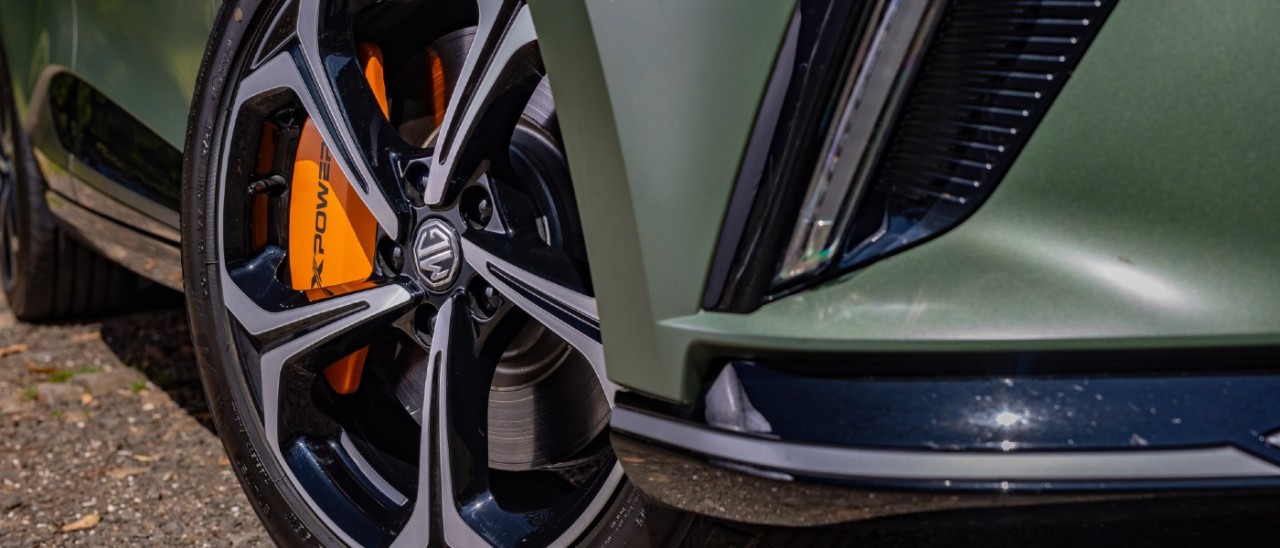
Why EVs need different tyres
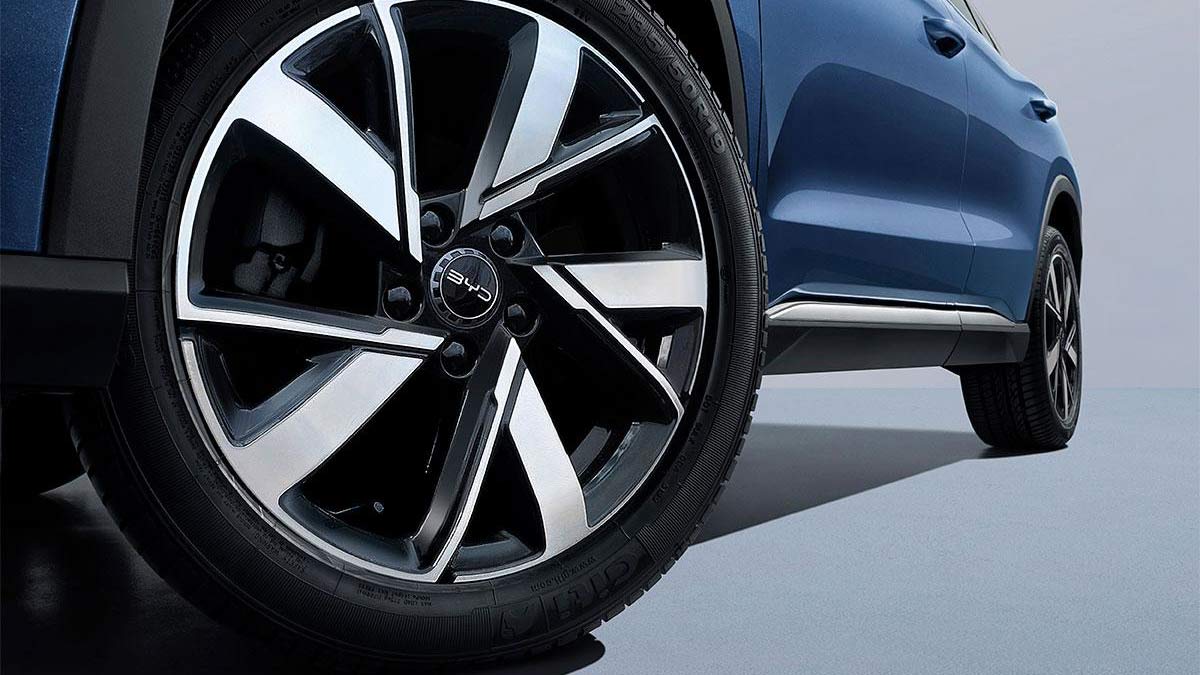
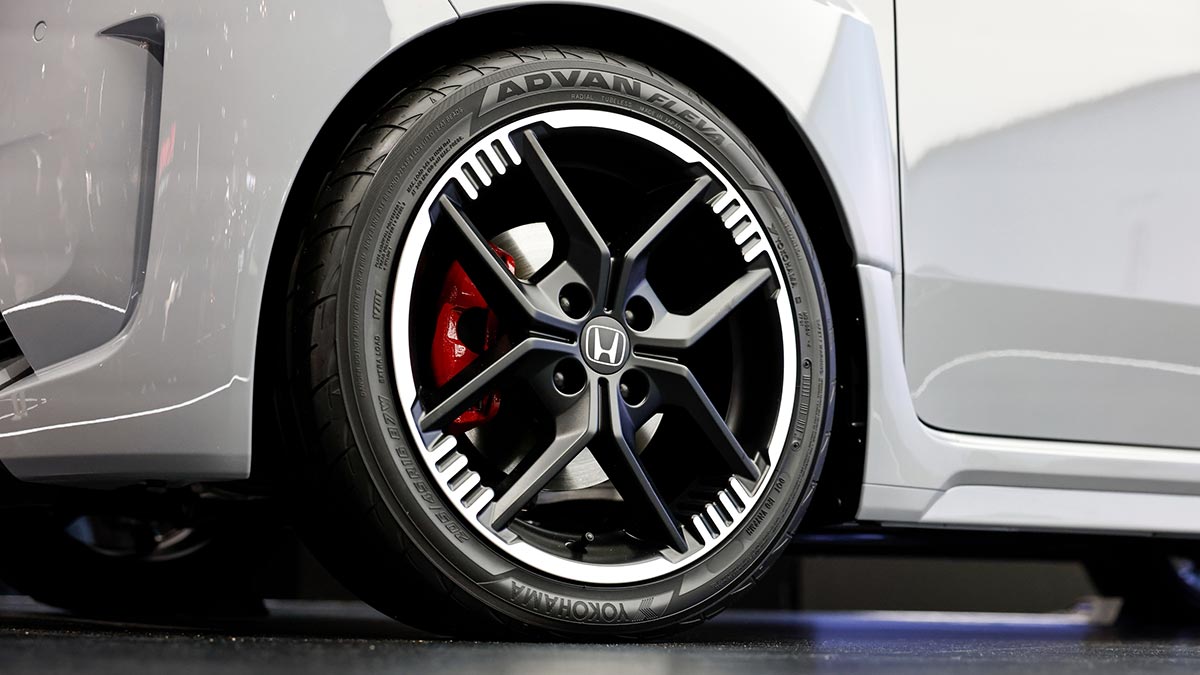
The best tyres for electric cars (and what makes EV tyres different)
Learn about how and why EV tyres are different from regular tyres, plus the best types of tyres for electric cars.
Did you know that electric vehicle (EV) tyres are different from those on petrol and diesel vehicles? It's important to understand how EV tyres are engineered and rated when it comes time to buying new tyres to help you maximise range, stay safe on the road and avoid unexpected maintenance costs.
Here's everything you need to know about EV tyres, how they differ from conventional tyres on internal combustion engine (ICE) vehicles, and what to look for when it's time to replace them.
What you need to know about electric car tyres
Why EVs need different tyres
Increased vehicle weight
Most EVs are significantly heavier than their ICE counterparts because of the large battery pack required to store energy. This added weight increases tyre load and changes how tyres wear over time. Standard tyres may wear out faster on an EV, reduce driving performance and potentially affect safety. EV-specific tyres are engineered with stronger materials and reinforced sidewalls to handle these heavier loads without compromising stability.
Instant torque and faster wear
Electric motors deliver power differently from petrol engines. Instead of gradually building torque, EVs create instant torque from a standstill. This means more force goes through the tyres every time you accelerate, which can lead to faster tread wear if the tyres aren't built for the job. EV-designed tyres use advanced compounds to withstand that extra stress while still delivering responsive handling.
Energy efficiency requirements
EV owners often prioritise efficiency to maximise driving range. Tyres play a surprisingly big role in how far you can travel per charge because of rolling resistance (the energy needed for the tyre to roll along the road). EV tyres use tread designs and rubber compounds that reduce rolling resistance, helping to extend your driving range without compromising grip on wet roads.
Key features of EV-specific tyres
Noise-reduction technology
EVs are naturally quieter because they lack engine noise. That makes the dull roar of tyres on the road much more noticeable in an EV cabin. EV-specific tyres frequently incorporate sound-absorbing foam, noise-reducing tread patterns and optimised block shapes so the cabin remains quiet and comfortable.
Low rolling resistance
Low-rolling-resistance tyres are engineered to reduce friction with the road, meaning the vehicle uses less energy to maintain momentum. In essence, EV tyres roll better than traditional tyres to optimise energy. The less energy lost, the more energy is spared for further range: that is, more kilometres between charges. It also helps keep battery consumption lower, especially during highway driving.
Reinforced construction
EV tyres often feature stronger internal structures, stiffer sidewalls and enhanced bead designs. These reinforcements help the tyre maintain shape under the heavier loads typical of EVs, improving handling and reducing uneven wear patterns.
Durable tread compounds
To counteract the rapid wear caused by high torque output, manufacturers use advanced rubber compounds and new polymer blends. These allow the tyres to better withstand heat and abrasion without sacrificing grip.
Improved braking performance
Because of their heavier mass, EVs rely on tyres that can maintain strong braking performance. Many EV-specific tyres feature wider contact patches or special tread designs to help maximise stopping power in both dry and wet conditions.
Electric car tyres differ substantially from traditional tyres for petrol and diesel cars.
How much do EV tyres cost?
EV tyres typically cost more than conventional tyres due to their specialist materials and greater research and development costs. As EVs become more popular and tyre technology improves, it’s likely that EV tyres costs will decrease.
Prices vary based on size and brand, but you can expect to pay more for premium compounds, noise-reduction technology and durability improvements. However, the investment can often pay off through longer tyre life, better safety and improved energy efficiency.
To get the most value from your tyres:
- compare multiple brands and models
- consider long-term savings from improved range
- stick to trusted tyre retailers and brands
- take advantage of periodic promotions or seasonal sales.
More: Australia's cheapest electric cars to buy
How long do EV tyres last?
EVs can cause more wear and tear to traditional tyres due to their greater weight and increased torque. EV tyres adjust for this difference. EV tyre lifespans should be between 20,000-40,000km depending on the tyre size. Regular maintenance, including checking tyre pressure, wheel alignment and rotating your tyres, is essential to keep EV tyres lasting as long as possible.
Factors affecting EV tyre wear
- Driving habits - rapid acceleration, hard braking and sharp cornering increase wear.
- Vehicle weight - heavier batteries mean more pressure on the tyre tread.
- Tyre pressure - under-inflated tyres cause excess heat build-up and rapid wear.
- Driving conditions - rough terrain and extreme temperatures can negatively affect tyres.
- Load - carrying passengers, cargo or towing adds even more strain.
More: Australia's best electric cars to buy
Maintenance tips to extend the life of EV tyres
EV tyre care isn't dramatically different from looking after tyres on any car - but because EV tyres can wear more quickly, maintaining them properly becomes even more important.
Drive moderately
Driving moderately can reduce energy consumption to increase driving range and optimise tyre wear. Moderate acceleration, careful cornering and regenerative braking can all help.
Check tyre pressure regularly
EVs often require higher tyre pressure than petrol cars. Maintaining the correct pressure reduces rolling resistance, lowers wear, improves range and enhances handling. Check pressures at least monthly and before long drives. Remember to adapt your tyre pressure depending on the load it's carrying. You can check which pressure is correct by looking at the manufacturer sticker, often located inside the driver door or charging socket.
Rotate tyres at recommended intervals
Because many EVs are front-heavy or rear-heavy depending on motor placement, rotating tyres evenly distributes wear. Most manufacturers recommend rotating every 10,000 kilometres, but check your owner's manual for specifics.
Balance and align your wheels
Poor alignment can be the biggest cause of premature tyre wear, with potholes being a common driving hazard that puts the alignment out. If your car pulls to one side, vibrates at higher speeds or if you’ve hit a pothole, it may be time for an alignment check.
Inspect for uneven wear
As EVs have longer service intervals, you could be visiting your mechanic less frequently, so keeping your own eye on tyre wear is critical. Uneven tread wear could signal issues with wheel alignment, suspension, tyre pressure or load balance. Early detection helps avoid premature replacement. If in doubt, seek professional advice – it could save you hundreds of dollars.
Replace tyres before they reach minimum tread depth
In Australia, tyre tread must be above 1.5mm, but EV drivers often benefit from replacing tyres sooner, especially to maintain wet-weather grip. Many experts recommend replacing EV tyres once they reach 3mm of tread. Tyres more than five years old also generally need replacing.
Check your spare tyre
Check whether your EV carries a spare tyre and if not, what solution the manufacturer has provided. Most EVs will not carry a spare and few are fitted with run-flat tyres, therefore it's important that you understand if you've been provided with a space saver or (more commonly) a tyre inflator kit, and that you understand how to use such devices in an emergency.
Your mechanic should regularly check your EV tyres for wear and damage.
How to choose the right EV tyres
Choosing the right set of EV tyres helps preserve performance, extend range and maintain safety. When shopping around, consider the following.
Look for EV-specific markings
Many tyre manufacturers now label their EV-friendly tyres clearly. You may see terms like EV, Electric, Elect, E-Primacy, or similar branding. Always check your vehicle manufacturer's recommendations first.
Prioritise low rolling resistance
Rolling resistance is one of the biggest contributors to EV range loss. Choosing tyres with certified low rolling resistance can directly improve your car's efficiency.
Check load and speed ratings
Due to the weight of EVs, choosing tyres with the correct load index is essential. Selecting tyres with insufficient load ratings can lead to premature wear or even tyre failure.
Consider your climate and roads
Victoria's weather can be unpredictable, so make sure your tyre choice suits the conditions you drive in most often. For regions with heavy rain, prioritise wet-weather performance. For long highway drives, noise reduction and efficiency may matter more.
Compare noise ratings
Since EVs amplify tyre noise, selecting tyres with proven noise-reduction features can make everyday driving more pleasant.
Choose the right size
Always match the tyre dimensions (width, diameter and aspect ratio) to your vehicle's approved specifications. Fitting incorrect sizes can affect braking, handling and efficiency.
Can EVs use regular tyres?
EVs can technically use traditional tyres if they match the manufacturer's recommended weight load and speed rating. However, the result is that the tyres wear out faster, and have decreased performance. There could also be a significant impact on the noise and on-road feel if you use a tyre that isn't designed to produce very low or no noise at high speeds. It's best to use EV-specific tyres.

