
Understanding crocodile behaviour and local safety rules is essential before swimming or spending time near water in northern Australia.
Australia
Why it’s special
8 natural wonders in Australia and the best time to visit
From the Great Barrier Reef and Uluru to the Kimberley and Great Ocean Road, discover eight of Australia’s best natural wonders, including when to visit, how long to stay and what to know before booking.
Australians have always embarked on overseas trips in pursuit of adventure, but the truth is, we don’t need to fly to Europe, Africa or the Americas to find dramatic landscapes, encounter rare wildlife or enjoy unforgettable road trips while travelling around Australia.
The landscapes across our enormous continent vary wildly, both ecologically and seasonally, so travel planning can sometimes feel quite complex. Understanding the seasonal and environmental changes that can affect different parts of the country is critical when it comes to trip planning. Careful timing and expert advice matter.
RACV Travel & Experiences offers accommodation, holiday packages, tours, cruises, car hire and domestic travel insurance for trips across Australia. RACV Members can also unlock extra savings, depending on the travel product and offer.
Australia's natural wonders at a glance
| Natural wonder | ||||
|---|---|---|---|---|
|
Great Barrier Reef |
Queensland |
May to October (dry season) |
4-5 days |
|
|
Uluru-Kata Tjuta National Park |
Northern Territory |
May to September |
3-4 days |
|
|
Kakadu National Park |
Northern Territory |
May to August (dry season) |
4-5 days |
|
|
Ningaloo Reef |
Western Australia |
April to October (dry season) |
5-7 days |
|
|
Great Ocean Road and the |
Victoria |
March to May and September to November (off peak) |
3-4 days |
|
|
Cradle Mountain-Lake St Clair National Park |
Tasmania |
December to February for hiking; June to August for snow |
3-4 days or 6 days for Overland track |
|
|
Kimberley |
Western Australia |
May to October (dry season) |
2-3 weeks |
|
|
Kangaroo Island |
|
December to February for beaches; March to September for wildlife |
3-4 days |
Best times and trip lengths are a guide only. Conditions can change from year to year, so check the weather forecast and any seasonal closures before you book. A travel agent can help you choose the right time and plan your trip.
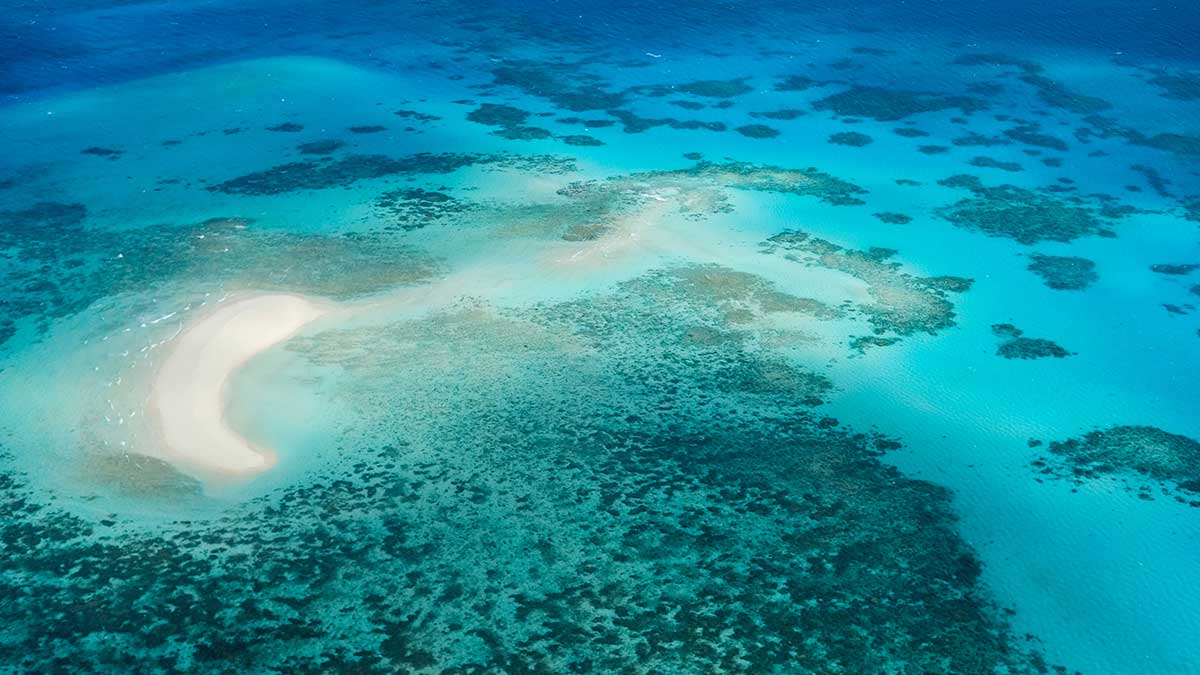
The UNESCO-listed Great Barrier Reef stretches along the Queensland coast, with snorkelling, diving and island stays on offer. Image: Getty.
8 natural wonders in Australia worth experiencing
1. Great Barrier Reef, Queensland
Why it’s special
Visible from space, this UNESCO-listed destination is an underwater ecosystem and marine park unique to Australia. A highlight of Queensland holidays, its snorkelling, diving, island stays, beautiful weather and reef tours attract visitors from across the globe.
Best time to visit: The dry season (May to October) is generally better for underwater visibility and comfort. Stinger season is from November to May. Wearing a full body Lycra stinger suit is recommended.
Cairns, Port Douglas and Palm Cove are convenient mainland bases for reef trips, while Hamilton Island and the Whitsundays suit travellers who want to combine reef experiences with an island stay.
Ideal trip length: 4-5 days
How to experience it: This region is famous for its marine life. Sailing, fishing, snorkelling, diving and swimming are the most popular activities. There are a multitude of tour operators offering cruises and day trips. Head over to Fitzroy Island and swim with green turtles, sail the Whitsundays or scuba dive the depths of the vibrant coral reefs.
What to know before booking: Be aware that school holiday periods are BUSY and tours are booked out months in advance. Book your experiences as early as possible.
More: The natural attractions of Cairns and Port Douglas
2. Uluru-Kata Tjuṯa National Park, Northern Territory
Why it’s special
Uluru is a sacred red sandstone monolith in Central Australia and one of the most recognisable highlights of a Northern Territory holiday. At 348m high, Uluṟu is a significant spiritual place for the Aṉangu people, the traditional owners of the land.
Best time to visit: During the cooler months between May and September, when daytime temperatures are between 20°C and 25°C, a comfortable temperature for walking and exploring.
Ideal trip length: 3 - 4 days
How to experience it: You can experience the majesty of Uluru by walking around its base (10km), watching the sunrise and sunset, and learning about Aṉangu culture at the Uluru-Kata Tjuta Cultural Centre. Don’t miss the Wintjiri Wiru drone show and Sunset Dinner or the Tali Wiru Dinner Under the Stars, where chefs will offer bush ingredients like finger limes, saltbush leaves, and bush tomatoes before you settle in for an indigenous-led astronomy lesson.
All accommodation at Uluru is managed by Voyages Indigenous Tourism Australia, a company that reinvests profits into training and employment for local Indigenous people. Accommodation ranges from luxe hotels such as Sails in the Desert to a van site at the Ayers Rock Campground.
What to know before booking: To visit Uluru, you must buy an Uluru-Kata Tjuta National Park Pass ($38 per adult for a 3-day pass).
More: The best way to visit Uluṟu and Kata Tjuṯa
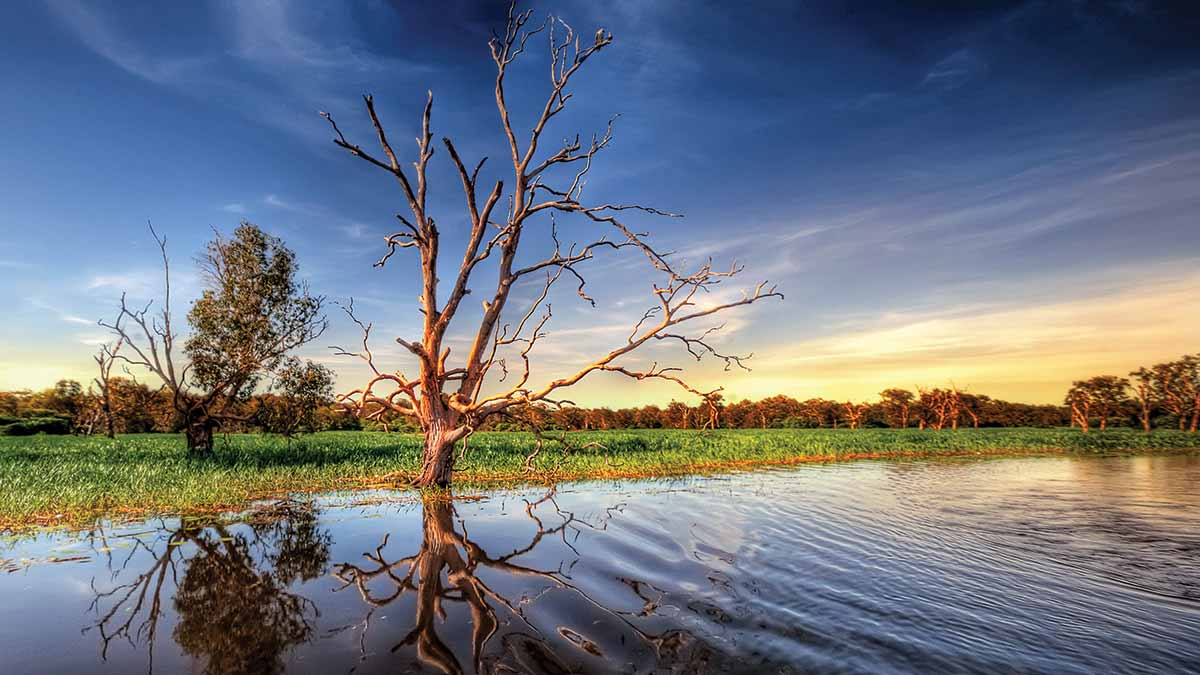
Enjoy a wetlands cruise at Yellow Water in Kakadu National Park, Northern Territory. Image: Getty.
3. Kakadu National Park, Northern Territory
Why it’s special
A UNESCO World Heritage site listed for both its outstanding cultural and natural value, this vast 20,000-square-kilometre region is home to ancient rock art, diverse wildlife, spectacular waterfalls, expansive wetlands and a rich Indigenous culture
The landscape is known for its dynamic birdlife, and consists of tidal mudflats, billabongs and enormous sandstone escarpments.
Best time to visit: The dry season (May to August). During the wet season, many of the roads are closed due to flooding and the tour operators typically shut for the season. Storms can be intense and dramatic, with severe consequences if you don’t know how to manage in monsoonal conditions. Heed all traffic warnings.
Ideal trip length: 4 to 5 days
How to experience it: Book in for early morning or late afternoon wetlands cruises, ancient rock art tours and dramatic escarpment walks.
What to know before booking: Kakadu is three-hour drive east of Darwin. You must purchase a park pass online before you arrive. Campsites operate on a first-come, first-served basis, so timing is everything.
Travellers who want to see remote landscapes without driving vast distances can catch The Ghan from Adelaide to Darwin or vice versa. This four-day luxury train journey immerses travellers in the colours and textures of Australia’s interior with immersive off-train, guided experiences. There are plenty of car hire businesses in Darwin city that rent out outback-appropriate vehicles. Ensure that you carry at least three litres of water for each person travelling with you on the journey.
More: Crocodile safety in the Top End: where it’s safe to swim and how to stay safe
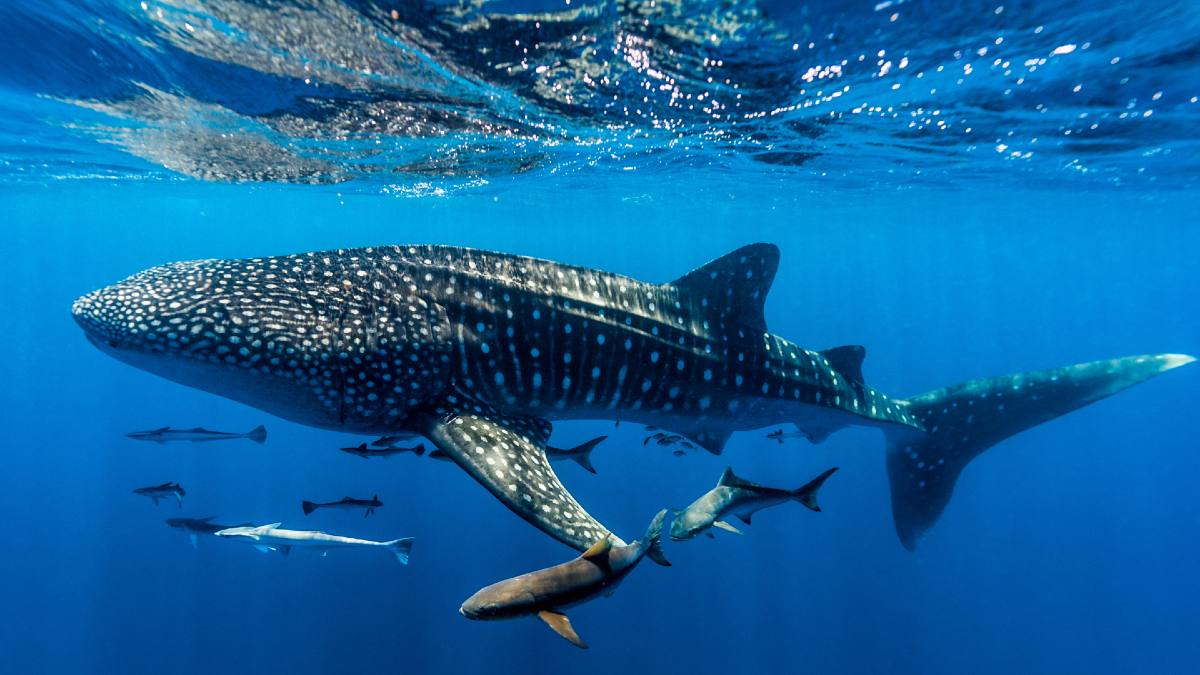
Swimming with whale sharks at Ningaloo Reef, Western Australia, is a highlight for many visitors. Image: Getty.
4. Ningaloo Reef, Western Australia
Why it’s special
Ningaloo Reef is the world's longest-fringing coral reef, not far from the shore of Western Australia's remote coastline and a standout stop on a Western Australia holiday. You can get up close and personal with all sorts of marine life - whether snorkelling, diving or on a boating excursion. Most famous for whale sharks, The Ningaloo Coast is UNESCO protected.
Best time to visit: Plan to visit during the dry season, from April to October. The weather is warm, it typically doesn’t rain, and ocean conditions are better for visibility.
Exmouth and Coral Bay are the main bases for exploring Ningaloo Reef, with accommodation, snorkelling access and marine tours available from both locations.
Ideal trip length: 5 -7 days
How to experience it: Book marine tours, go snorkelling off the beach, do day trips, and take whale watching tours.
What to know before booking: You must book ahead during peak periods. Accommodation and national park campsites can be reserved through Park Stay WA. If you have your heart set on a particular wildlife encounter, ensure that you visit at the right time of year. For example, humpback whales are common from August to September, whale sharks are generally more prevalent from April to July. Turtles are typically hatching from November to March.
More: The best Australian road trips to tick off your bucket list
5. Great Ocean Road and the Twelve Apostles, Victoria
Why it’s special
One of the world's most scenic coastal drives and a highlight of holidays in Victoria, the 243 km road links the coastal towns between Torquay and Warrnambool. Only eight of the Twelve Apostles, the limestone pillars that rise from the ocean near the coastal town of Port Campbell, now remain. Their striking presence gives an insight into this part of the road which is also known as the Shipwreck Coast.
Best time to visit: The Great Ocean Road can be driven at any time of the year. In winter you’ll see more grey skies and dramatic storms and in summer it is likely to be more picturesque but often includes bumper-to-bumper holiday traffic. The best time for the drive is during autumn (March to May) and spring (September to November).
Ideal trip length: 3 - 4 days
How to experience it: Drive from Melbourne, stopping for beach days in coastal towns and venturing inland for rainforest walks and wildlife experiences. Book in advance and start at the RACV Resort in Torquay, then caravan parks or private accommodation along the way.
What to know before booking: This iconic coastal drive is on the Australian National Heritage list. Some of the turns are very tight and it’s easy to get distracted by the gorgeous coastal views and lush forests. Use your mapping apps and a travel agent to help you plan stops along the journey.
The Twelve Apostles are about 230km from Melbourne. Driving straight via the inland highway takes three hours, but it can take up to five hours if you take the scenic coastal route. It’s possible to do the trip in one day but it's better if you take your time.
More: Ultimate Great Ocean Road itinerary: Torquay to Warrnambool
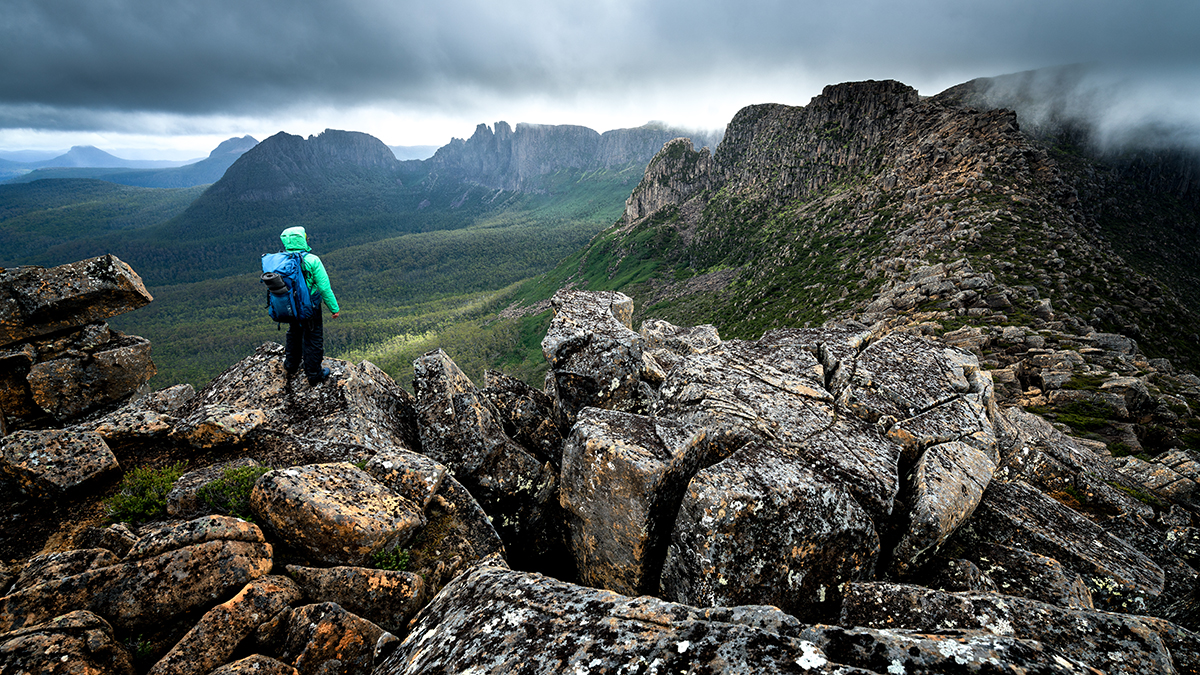
A hiker takes in the view of Cradle Mountain, in Tasmania's World Heritage-listed wilderness. Image: Getty.
6. Cradle Mountain-Lake St Clair National Park, Tasmania
Why it’s special
Home to Tasmania's highest alpine peak, this Tasmanian Wilderness World Heritage Area containing ancient Gondwanan rainforests and Australia's deepest lake. It is also a haven for adventure activities such as canyoning, rafting and abseiling.
You’ll see lots of wildlife while you’re touring, including wombats, quolls, wallabies, pademelons and possibly Tasmanian devils.
Best time to visit: Summer (December to February) is best for hiking. If you want to experience snow, visit in winter (June to August).
Travellers can also combine Cradle Mountain with a broader Tasmania road trip, using Launceston as a practical northern gateway or continuing south to Hobart and other island destinations.
Ideal trip length: 3-4 days for a road trip with day hikes.
How to experience it: The Overland Track is a world-class hiking trail located within the park. It takes six days to walk the 65km trail so plan carefully and ensure you have appropriate clothing and supplies for the elements.
There are plenty of stunning walks to do in this region. From short trails through old-growth rainforest and around glacial lakes, to the strenuous six-hour Cradle Mountain Summit, there is something for people at all levels of fitness.
What to know before booking: Campervans, motorhomes, caravans, and trailers are not allowed on Dove Lake Road so you have to park at the Cradle Mountain Visitor Centre and catch the shuttle bus to the major sites.
More: What to see and do in Hobart to get the best holiday experience
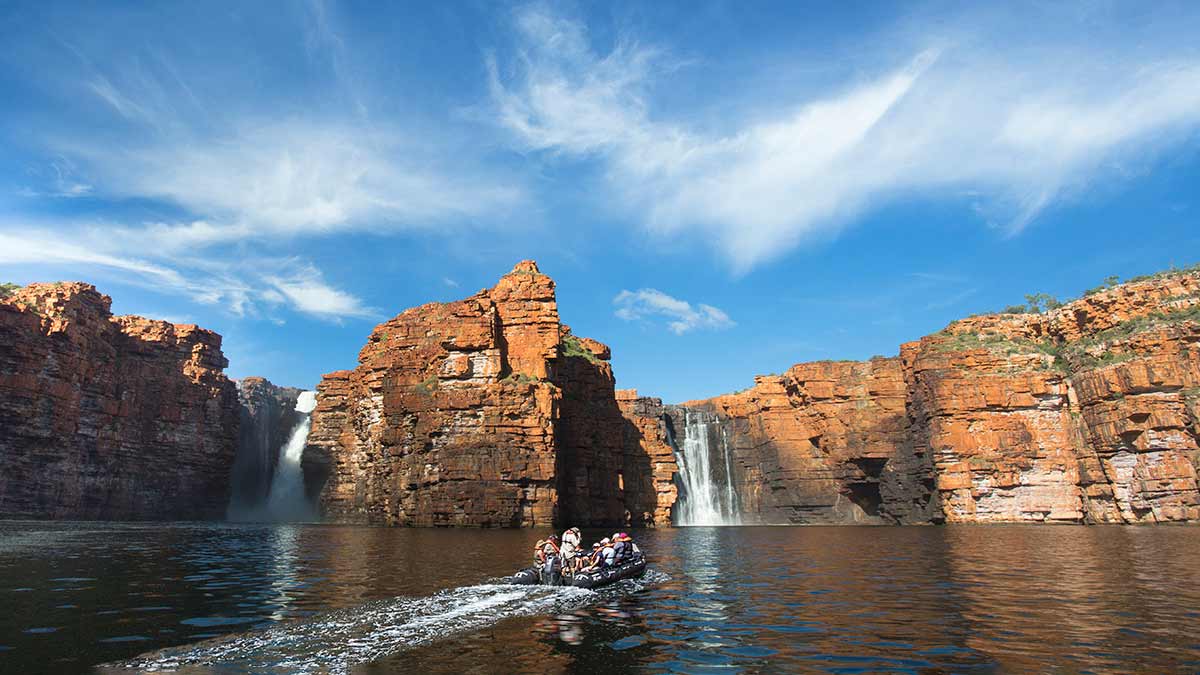
Towering sandstone cliffs frame a small boat as it approaches King George Falls, one of the Kimberley's most dramatic sights. Image: Getty.
7. Kimberley, Western Australia
Why it’s special
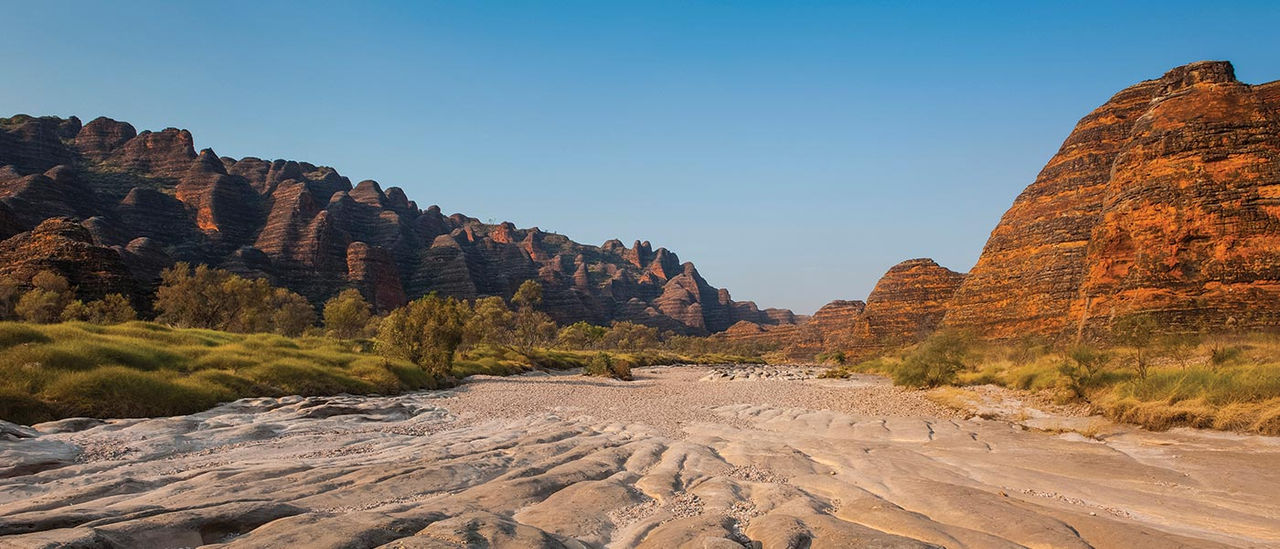
The colours of the Kimberley, one of the world's last truly remote wilderness areas, are mesmerising. From the beehive domes of the Bungle Bungles to the pearling history in Broome, the thermal springs of El Questro Wilderness Park and the freshwater lakes teeming with crocodiles, the rugged landscapes of the Kimberley attract visitors from all over the globe.
Best time to visit: Dry Season from May to October, when the weather is mild and dry with endlessly blue skies.
Broome is a common starting or finishing point for Kimberley journeys and can be combined with an expedition cruise, guided tour or longer road trip through the region.
Ideal trip length: 2 - 3 weeks
How to experience it: Because many Kimberley highlights are remote, organised 4WD tours and expedition cruises can make access easier by providing suitable transport, expert guides and planned entry to locations reached by rough roads, walking tracks or small boats. They may include places such as the Bungle Bungle Range, Mitchell Falls, remote rock art sites, Horizontal Falls and Montgomery Reef. Experienced travellers can also self-drive parts of the region with a suitable vehicle, a carefully planned itinerary and up-to-date advice on road and weather conditions.
What to know before booking: Plan to travel during the dry season between May and October. This is when road conditions are safe and tourist sites are accessible. From June to August is peak season so if you want to travel during these months, book your tours and accommodation as far as possible in advance.
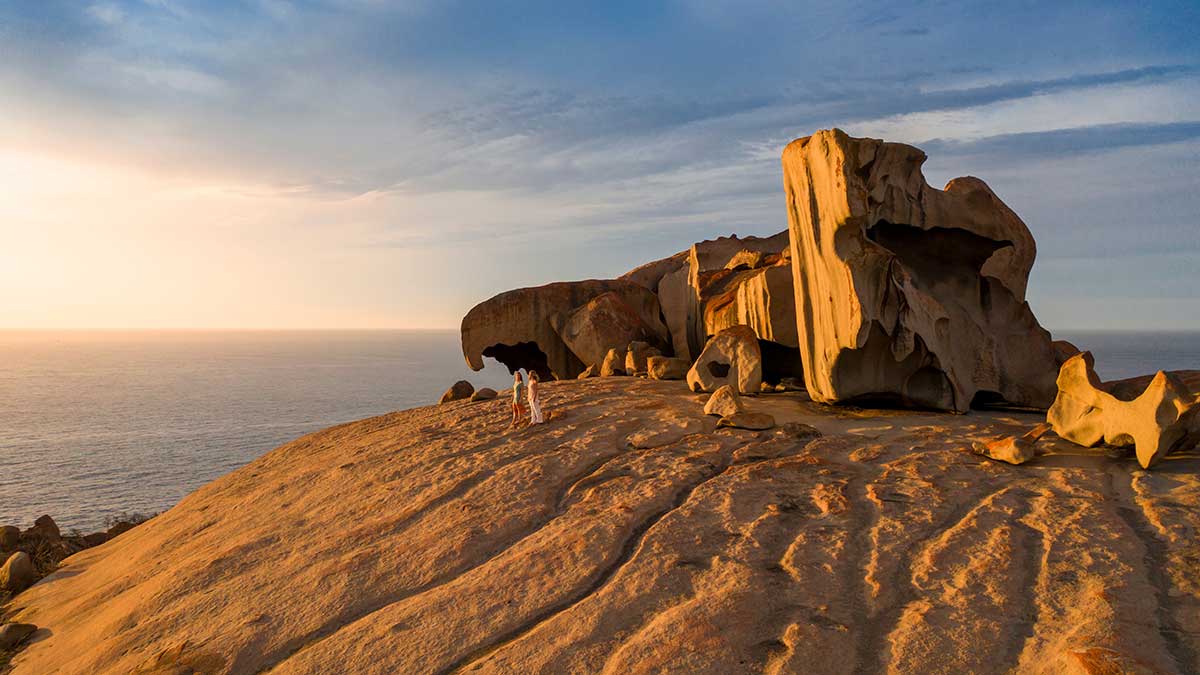
Perched on a granite dome above the Southern Ocean, the Remarkable Rocks on Kangaroo Island glow orange at sunrise and sunset.
8. Kangaroo Island, South Australia
Why it’s special
For lovers of nature, wildlife, beach time and good food, Kangaroo Island is a highlight of South Australia holidays and an untouched sanctuary of native wildlife, dramatic coastal landscapes, and unique local produce isolated from the mainland of Australia.
Best time to visit: Summer (December to February) is ideal for beach time and water activities. Autumn to winter (March to September) is best for wildlife spotting and is far less crowded.
Many travellers begin in Adelaide and continue by road to Cape Jervis for the ferry, making Kangaroo Island easy to combine with an Adelaide, Adelaide Hills or South Australian wine-region stay.
Ideal trip length: 3 - 4 days
How to experience it: Book an Ocean Safari tour to swim with seals and dolphins, or a foodie tour to taste wine, gin, honey and seafood fresh from the island. Kangaroo Island offers stunning coastal wilderness, iconic Australian wildlife, and exceptional local food and wine.
What to know before booking: Car and passenger ferries run between Penneshaw Terminal on the island and Cape Jervis Terminal on the mainland, about 12 times a day (45 minutes). Book ahead in the high season, especially if you want to take your car on the ferry.
Qantas flies once or twice a day between Adelaide and Kingscote Airport on the island. There’s no public transport here, so you’ll need to hire a car or book a guided tour if you’re flying in.
Be careful driving at dusk and dawn as wildlife is very active. Also, check the quarantine rules as biosecurity laws are in place to protect the unique island environment.
More: Why you must visit Kangaroo Island
Practical planning: how to choose where to go and when
How do you choose where to go and when?
Australia’s natural wonders are spread across very different climates, from the steamy tropical north to the hot desert centre, the snowy alpine climates and the cool southern regions. The time of year determines factors like heat, humidity, access, wildlife, reef visibility, road conditions, school holidays and tour availability.
More: Do you need travel insurance for domestic travel in Australia?
How a travel agent can help
If you’re planning holidays around school terms and work schedules, knowing how and when to book tours to make the most of your time is critical, especially if you only have a few days in a destination. Nothing ruins a holiday quicker than the disappointment of not being able to book activities while on the road.
That’s where working with a trusted travel agent can make all the difference. They can help find the best destinations to visit that work with your timeframe, budget, fitness level and preferred travel style. If you have limited time, an agent can help prioritise the most rewarding experiences, plan smooth train, bus or airport connections, build in realistic travel days, and suggest guided tours, rail journeys or packages. They understand the important limitations of seasonal closures and have expert insights into booking requirements.
Frequently asked questions about Australia’s natural wonders
The dry season (May to October) is generally better for underwater visibility and comfort. Stinger season runs from November to May, and a full-body Lycra stinger suit is recommended.
The cooler months between May and September, when daytime temperatures are between 20°C and 25°C, are the most comfortable for walking and exploring.
The dry season (May to August) is best. During the wet season many roads close due to flooding and tour operators typically shut for the season.
Whale sharks are generally more prevalent from April to July, humpback whales are common from August to September, and turtles typically hatch from November to March.
The Twelve Apostles are about 230 km from Melbourne. Driving straight via the inland highway takes three hours, or up to five hours on the scenic coastal route. It is better to allow 3-4 days.
It takes six days to walk the 65km Overland Track in Cradle Mountain-Lake St Clair National Park.
The dry season from May to October, when the weather is mild and dry and roads and sites are accessible. June to August is peak season, so book well in advance.
Car and passenger ferries run between Cape Jervis and Penneshaw about 12 times a day (45 minutes), and Qantas flies between Adelaide and Kingscote Airport once or twice a day.

