
Learn how to keep your smartphone safe when travelling with practical tips on preventing theft, protecting data and staying secure on public Wi-Fi.
Travel
How to pack light for trips with strict luggage limits
Luggage limits can vary widely between flights, tours and expedition holidays. Here’s how to pack light, meet baggage rules and still take what you need.
From expedition cruises and outback tours to small-plane transfers and rail journeys, travellers can encounter very different luggage rules across the same holiday. RACV Travel Agent Holly McLaren says limits are especially important to check on trips where travellers move between different types of transport.
“More companies and destinations have lower luggage limits, especially for expedition-style and adventure travel,” McLaren says.
The good news is that packing light does not have to mean travelling without what you need. It is about choosing versatile clothing, reducing bulky extras and checking the rules for every stage of your itinerary before you leave home. While most travellers may first think about airline baggage rules, the same light-packing principles apply to tour operators, cruise lines, rail journeys and remote transfers.
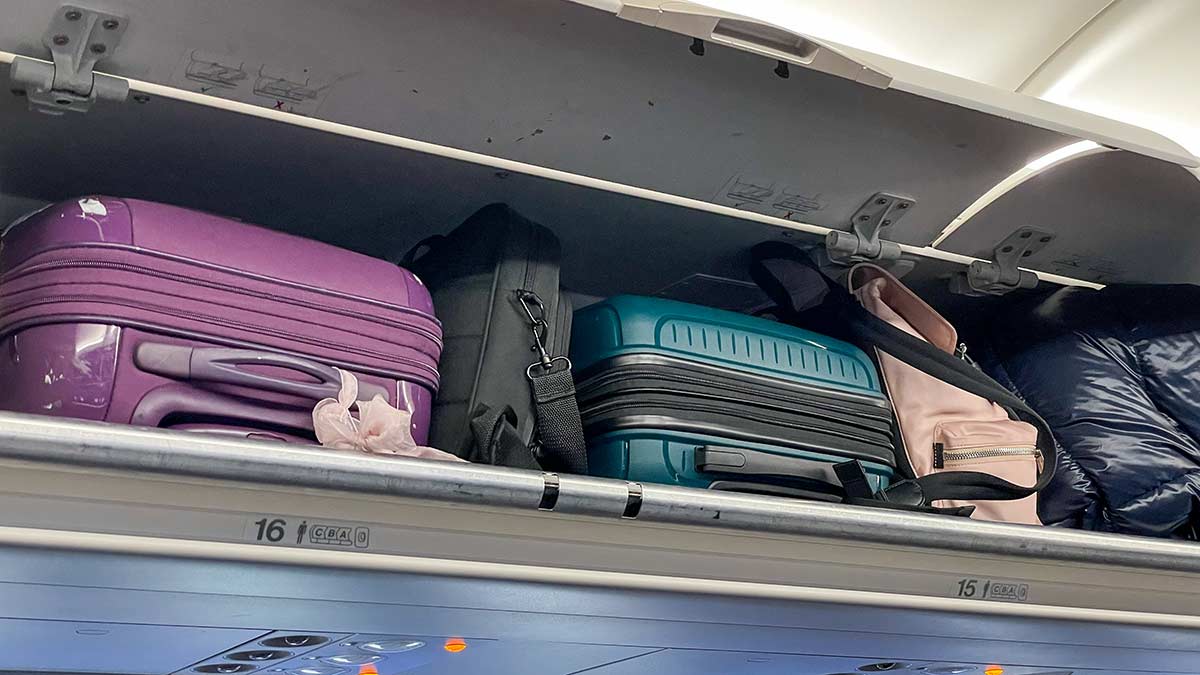
Jetstar’s upcoming cabin-baggage changes are one example of why it pays to check the rules before you pack. From 2 February 2027, the airline has said it will move to a size-based carry-on model, with every booking including one small under-seat bag at no extra cost and larger bags for overhead lockers attracting a Priority Carry-on fee on selected routes. The airline says the change will replace routine cabin-bag weighing and help reduce boarding delays linked to overhead locker space.
More: Best anti-theft bags & avoiding pickpockets when travelling
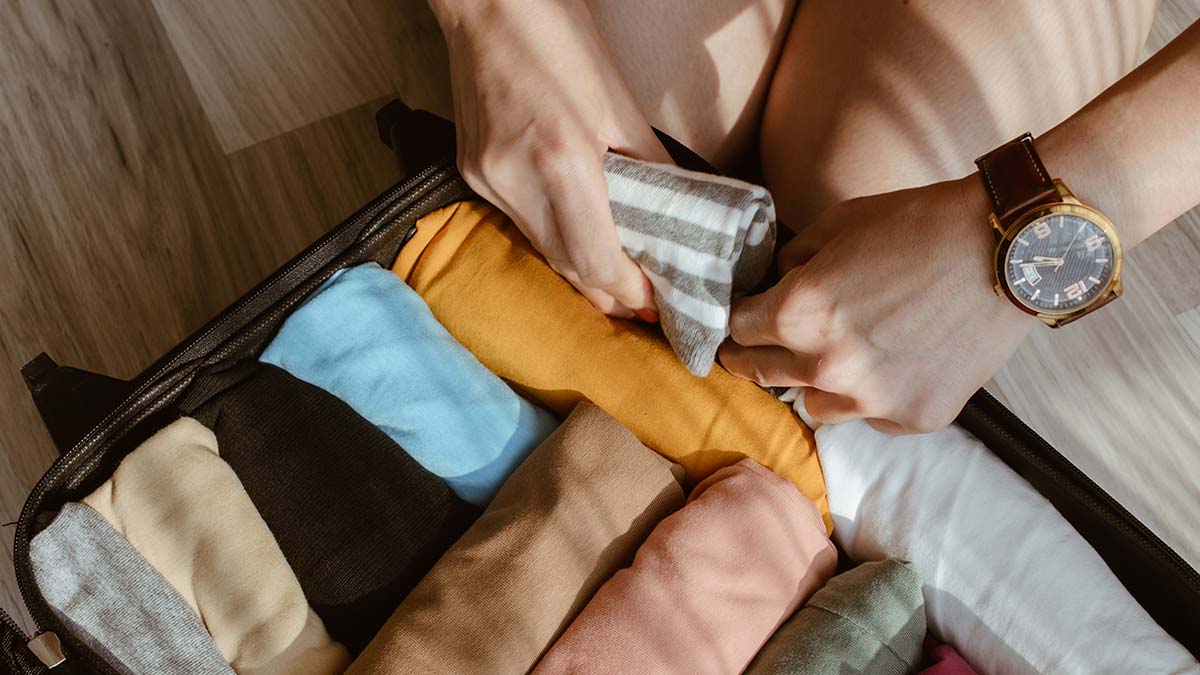
Rolling clothes generally takes up less space than folding them. Image: Getty
Adventure-style trips often involve transport with limited storage space, such as light aircraft, helicopters, trains, buses, expedition vessels and inflatable landing craft. That means your international airline allowance may not be the allowance that applies once your tour begins.
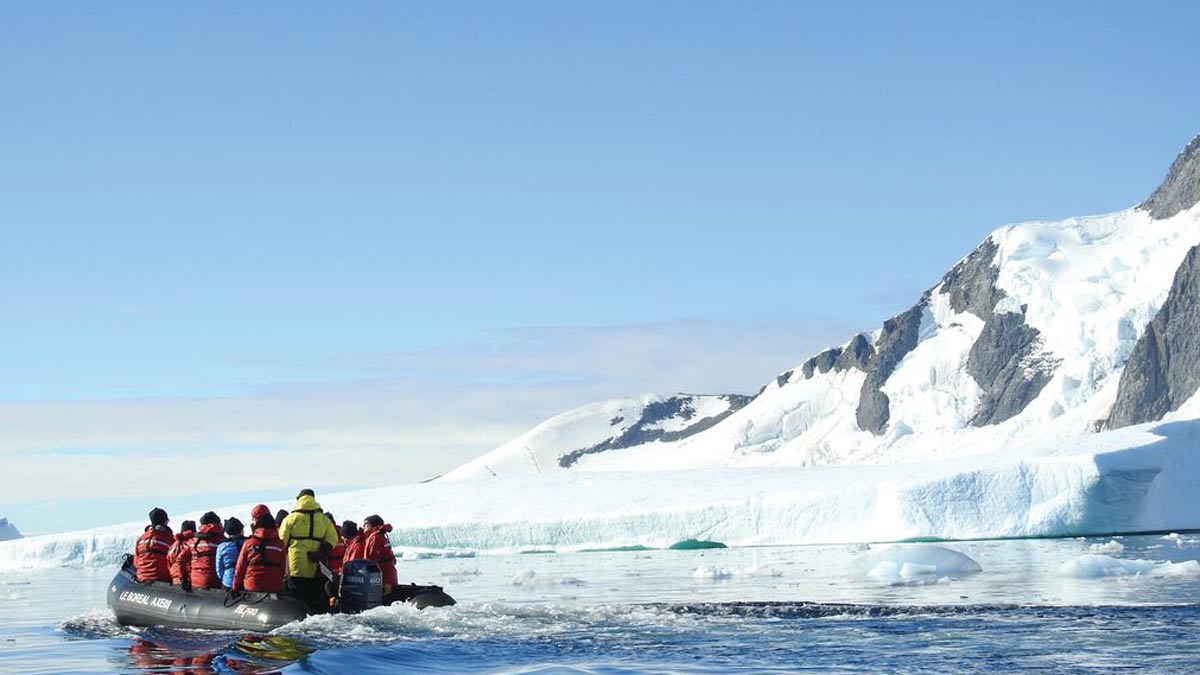
“On bucket-list trips to places such as Antarctica or the Arctic, lighter luggage limits often come down to the practicalities of expedition travel, including zodiacs and remote transfers,” McLaren says. “In parts of Africa, travellers may also need to use light planes, small aircraft or helicopters, which can mean much stricter baggage limits.”
In this article
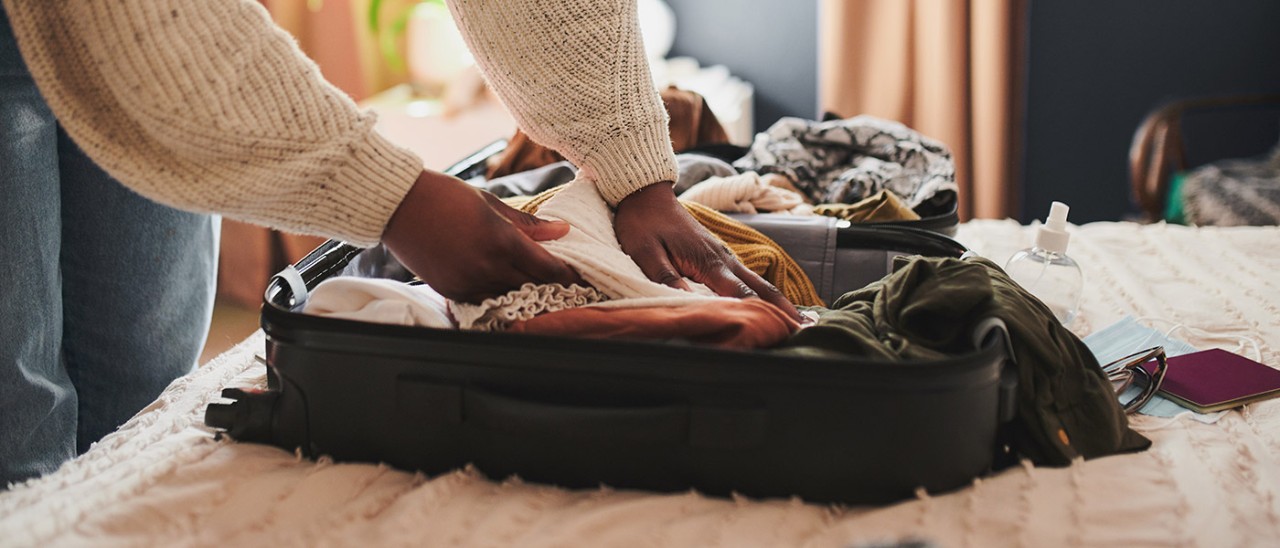
If your bag does not comply with the luggage limit, some operators may refuse to take it. Image: Getty
1. Check the weight limit before you pack
Before you start packing, read the luggage information from your airline, cruise line, tour operator and any transfer provider. A trip may include several different limits, including for checked baggage, internal flights and day packs for excursions.
For Jetstar passengers, that means planning around size as well as weight. Under the announced model, the included under-seat bag can measure up to 40 x 30 x 20cm and weigh up to 10kg. Travellers who want to take a larger cabin bag for the overhead locker will need to check the Priority Carry-on fee for their route and consider whether checked baggage may be better value.
That same principle applies beyond airlines. Do not assume that a higher price tag means a higher baggage allowance. Remote, luxury or expedition-style journeys can still have strict limits because operators need to manage weight, safety and storage space.
Those rules are worth taking seriously. “If your bag does not comply with the luggage limit, some operators simply will not take it,” McLaren says.ome airlines may also offer the option to check in your carry-on bag if it's overweight.
2. Use the rule of three when packing
McLaren recommends a simple formula to avoid overpacking. “The rule of three is a good guide: pack three tops, three bottoms and three outer layers, plus shoes you can mix and match.” Choose colours and fabrics that work together, then use accessories such as a scarf, belt or lightweight overshirt to change the look of repeated outfits.
For cold destinations, focus on layers rather than bulky single-purpose clothing. Thermal base layers, fleece or merino mid-layers and a waterproof outer layer usually provide more flexibility than one heavy coat. “Wear your heaviest items on the plane, such as your jacket and hiking boots, so they do not take up space or weight in your bag,” McLaren says.
3. Avoid overpacking
Every item should have more than one use where possible. Lightweight trousers that work for walks and casual dinners, quick-dry tops that can be washed overnight, and compact jackets that pack into their own pocket are often more useful than bulky extras. As McLaren puts it: “Ditch the ‘what if’ items, because they are often what cause people to overpack.”
- Choose travel-sized toiletries or rely on hotel and cruise amenities where appropriate.
- Swap printed books and guidebooks for e-books or saved digital documents.
- Use packing cubes to organise clothes, but remember they add a little extra weight.
- Roll clothing if space is the bigger issue, especially on the return journey.
- Leave full-size towels at home unless your itinerary specifically requires one.
- Take fewer devices and avoid packing a laptop unless you genuinely need it.
On routes with stricter carry-on rules, pack your under-seat bag deliberately. Keep medication, travel documents, valuables, chargers, a warm layer and anything needed in-flight within easy reach, then decide whether the rest should be checked or left at home.
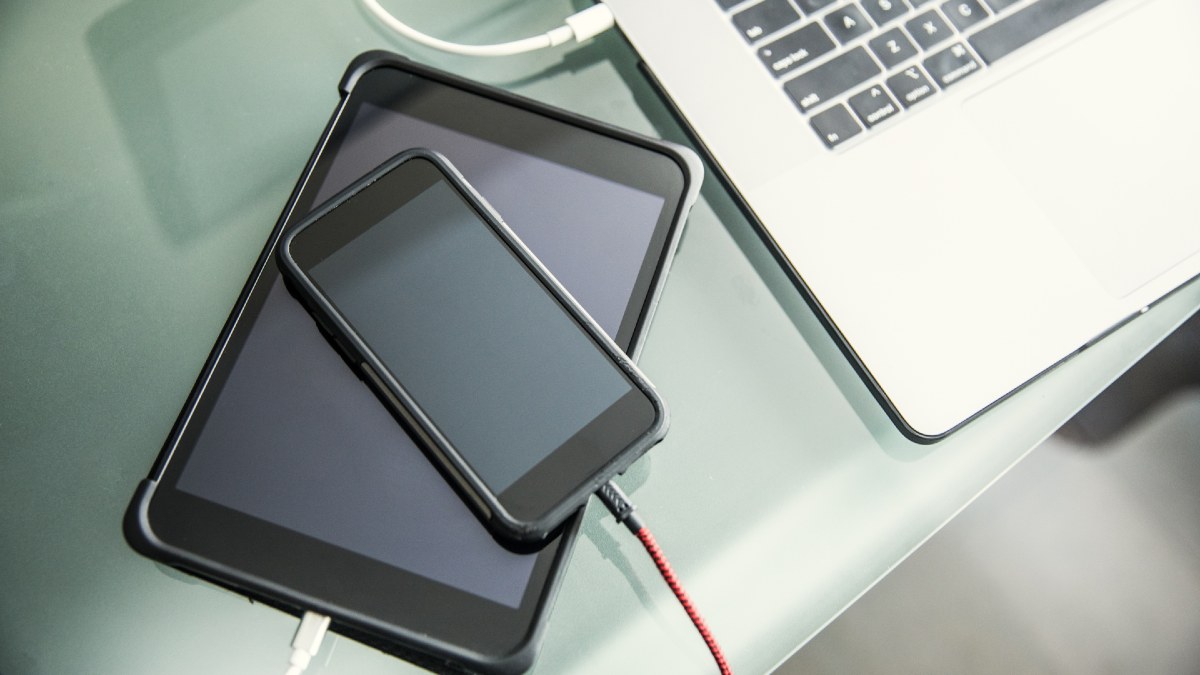
Consider leaving your laptop at home if you have to pack light. Image: Getty
4. Think carefully about toiletries and technology
Toiletries and technology are two of the easiest places to save weight. “My biggest packing tip is to use travel-sized toiletries and switch to digital e-books, so you are not carrying heavy books or guides,” McLaren says. You can also decant liquids into small containers, pack solid alternatives where suitable, and check what will already be supplied by your accommodation or cruise operator.
For electronics, pack only what you will realistically use. “Before packing your laptop, ask yourself whether you really need it, or whether it is just a security blanket,” McLaren says. If you are taking power banks or spare lithium batteries, check your airline’s rules before flying. International aviation guidance generally requires spare lithium batteries and power banks to be carried in cabin baggage, not checked luggage, and airlines may apply additional limits.
5. Do not pack too early
It can be tempting to start packing weeks ahead, but early packing can lead to duplication. Instead, wash the clothes you plan to take, set them aside, and do the final pack within 48 hours of departure if that works for you. With the trip fresh in your mind, you are less likely to add extra leggings, another jacket or a second pair of shoes “just in case”.
More: What happens with lost or stolen luggage at the airport?
If you're heading to Antarctica, check if the cruise operator provides any outerwear before packing your own. Image: Getty
Kimberley and outback Australia
Pack for heat, dust and active days, but keep bags compact. “Travel companies are moving away from big hard-case suitcases and asking travellers to use soft bags that are easier to fit into small spaces,” McLaren says. Soft-sided luggage is often easier to load into buses, boats and aircraft, particularly on itineraries that involve remote transfers. Prioritise a small day pack, sun protection, lightweight walking shoes, insect repellent and quick-dry clothing.
Antarctica, the Arctic and expedition cruises
Layering is essential for polar and expedition travel. Check whether your operator provides parkas, waterproof boots or other bulky gear before buying or packing your own. For zodiac landings, prioritise waterproof outerwear, warm socks, gloves, sunglasses and a compact waterproof day bag.
Canada, Alaska and cooler climates
Choose lightweight layers that can handle changing weather. A packable down or synthetic jacket, thermal layers and waterproof footwear can cover most cool-climate needs without filling your suitcase with bulky jumpers and heavy coats.
Europe, rail trips and multi-stop holidays
If you are moving between trains, ferries, hotels and cobblestoned streets, pack for mobility. A lightweight soft bag or compact suitcase can be easier to lift into overhead racks, navigate through stations and fit into smaller hotel rooms.
More: Are travel agents worth it? 10 reasons to book with a travel expert
Carry-on weight limits vary significantly across different airlines, so using the lightest possible bag is the smartest strategy if you're travelling to multiple destinations. Image: Getty
- Check every luggage limit in your itinerary, not just your international flight allowance.
- Use a lightweight soft bag if your operator recommends one.
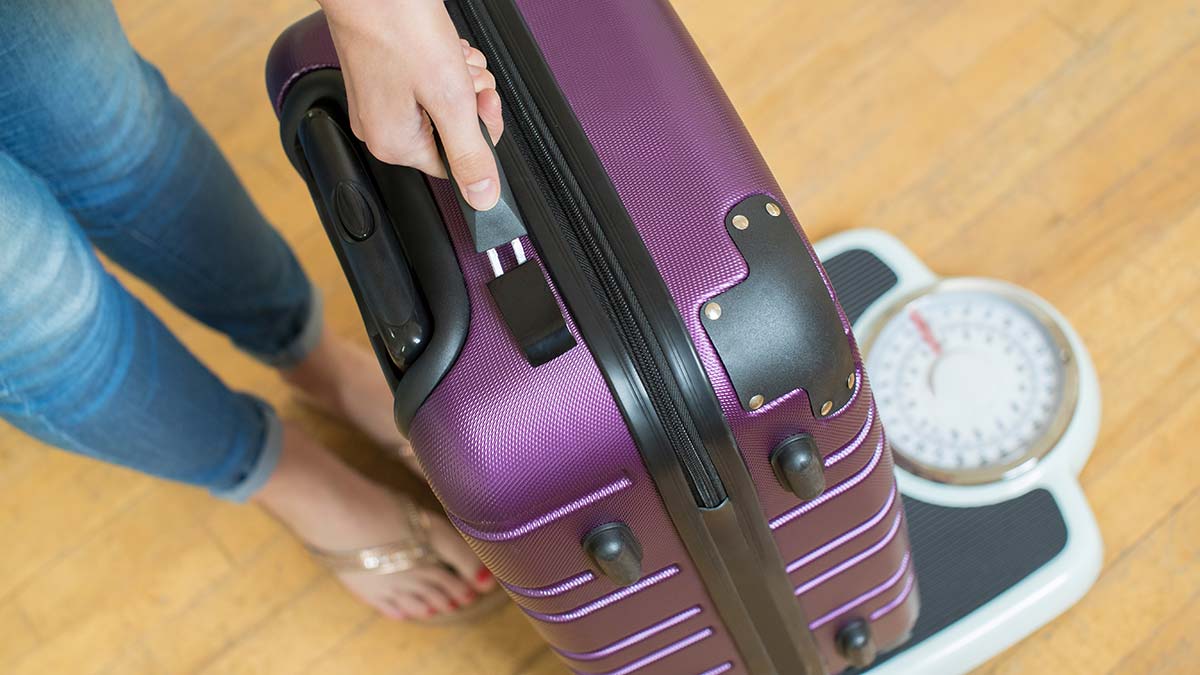
- Weigh your bag at home before leaving for the airport.
- For Jetstar flights from 2 February 2027, check whether your fare includes only an under-seat bag or whether you need Priority Carry-on for overhead locker space.
- Measure your cabin bag as well as weighing it, especially if your airline uses size-based carry-on rules.
- Build outfits around mix-and-match layers.
- Wear your heaviest shoes and jacket in transit where practical.
- Pack travel-sized toiletries and reduce duplicate products.
- Use digital books, documents and guides instead of printed copies.
- Keep spare lithium batteries and power banks in carry-on baggage, subject to airline rules.
- Remove “what if” items unless they are essential for health, safety or the destination.
Packing light is ultimately about making the trip easier. With fewer bags to manage, less to carry and fewer surprises at check-in, you can spend more time enjoying the destination and less time worrying about your luggage.
More: How to stop losing your passport and protect it from theft

