We've recently reviewed and updated our Privacy Charter, which describes how we use cookies and other technologies to understand and improve your browsing experience. By using our site, you agree to us collecting this information and to our Privacy Charter.
You’ll be sent the latest news, exclusive offers and competitions to your inbox.
Review
2026 GAC Aion UT review
Terry Martin
April 02, 2026
2026 GAC Aion UT first drive review | 🔎 RACV car reviews video
At first glance, the GAC Aion UT looks to be great value next to the BYD Dolphin and other cheap EVs. But has it ticked all the boxes?
The 2026 GAC Aion UT hatch has arrived as another affordable EV from an emerging Chinese brand.
It’s packed with features for a fair price, brings some European flair with its design and offers one of the roomiest interiors in the hatchback class. The UT also features loads of advanced tech and delivers solid performance with a 150kW electric motor and 60kWh battery that provides a claimed 430km range (WLTP).
You can see the full rundown on its pricing, equipment, specs, tech, safety and more in RACV’s GAC Aion UT preview, but now’s the time to dive into the car and take it for a first drive – as tested in the top-spec Luxury grade (from $35,990 plus on-road costs) – to see how it stacks up for the Australian market as an alternative to the BYD Dolphin, MG4, GWM Ora and other cheap electric cars.
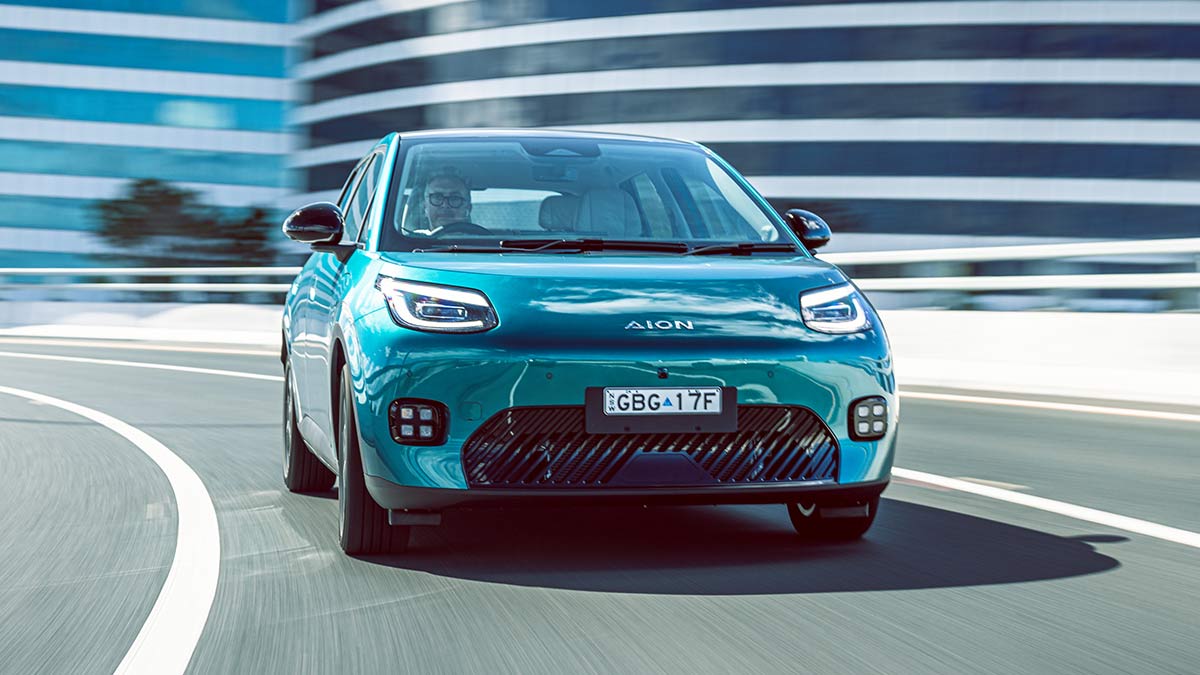
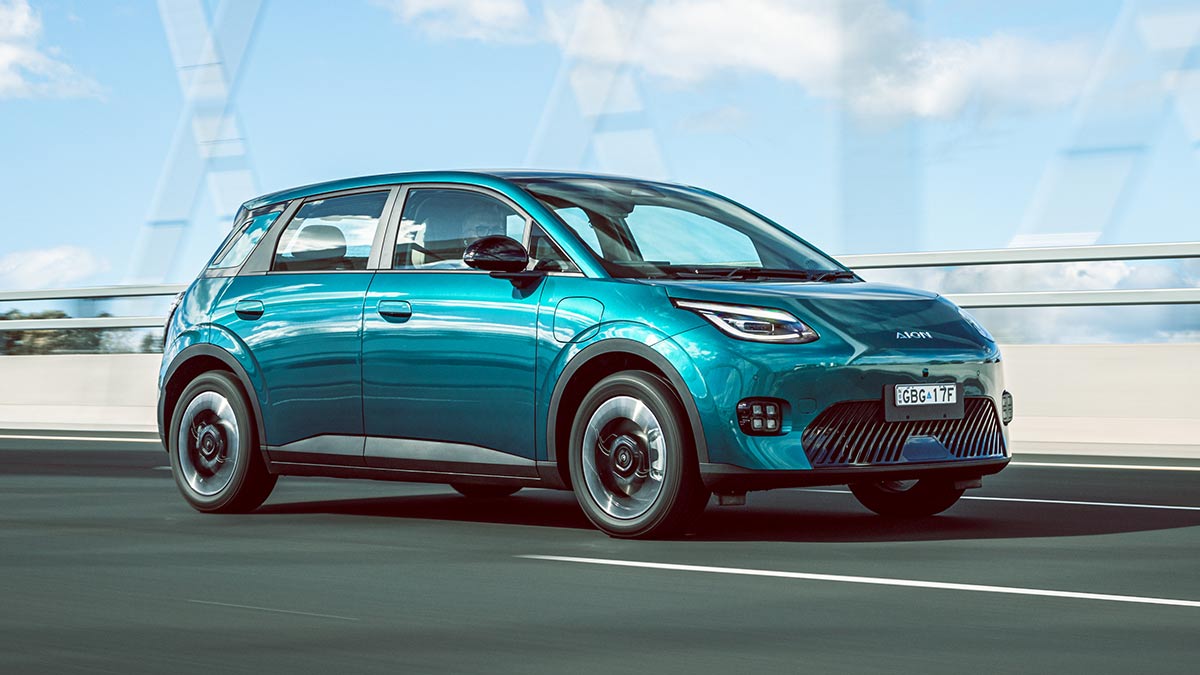
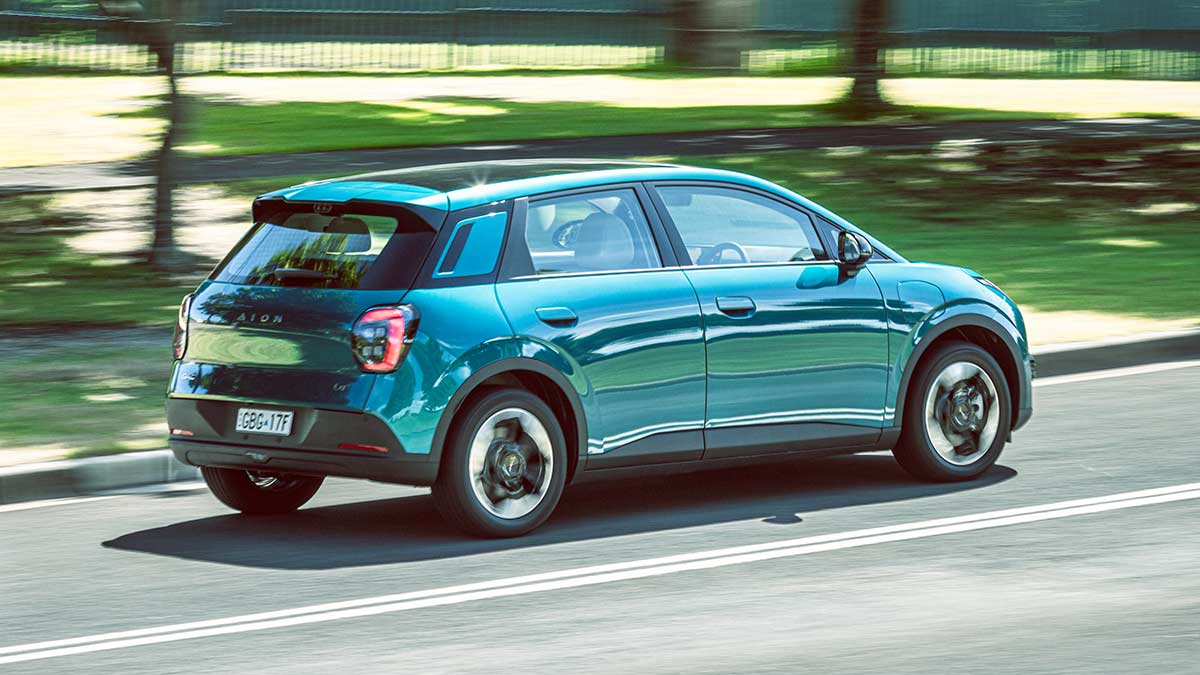
The long, sleek silhouette of the 2026 GAC Aion UT, with its elongated wheelbase (2750mm) and wheel-at-each-corner stance, translates to generous interior room – and a good dose of character – for a small hatch.
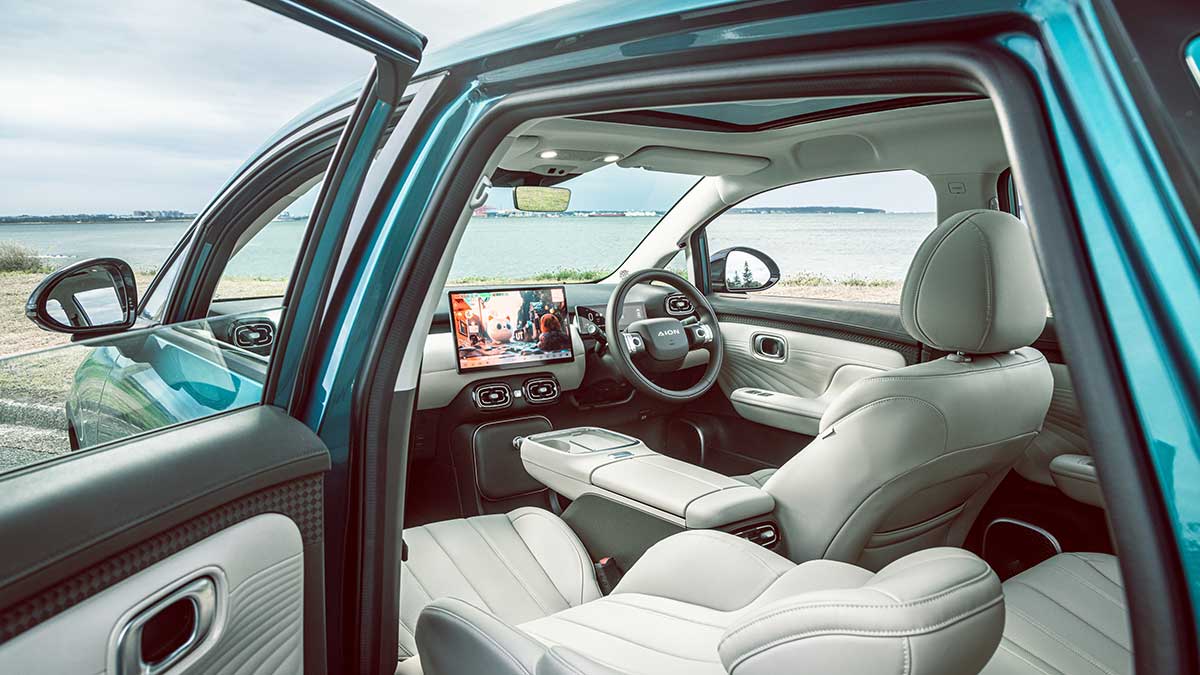
The dedicated EV platform helps, too, providing a flat floor that allows for extra storage up front and better room across the rear seat. And GAC’s Milanese design team has brought colour and texture and genuine points of interest into the airy cabin to soften some of the cost-cutting measures that come with producing a car at this price point.
We like the comfort and support inherent in the ‘butterfly’ design of the front seats, which are upholstered in PVC but still manage to look good in the lighter colour tone options (cream or dusky pink) that also spread across onto the doors and the dash.
We’re still wondering about the rubbery trim on the front pillars and how that will fare over the long term. It’s also impossible to ignore the plethora of hard plastics throughout the cabin on both upper and lower areas, yet different surface treatments keep it interesting.
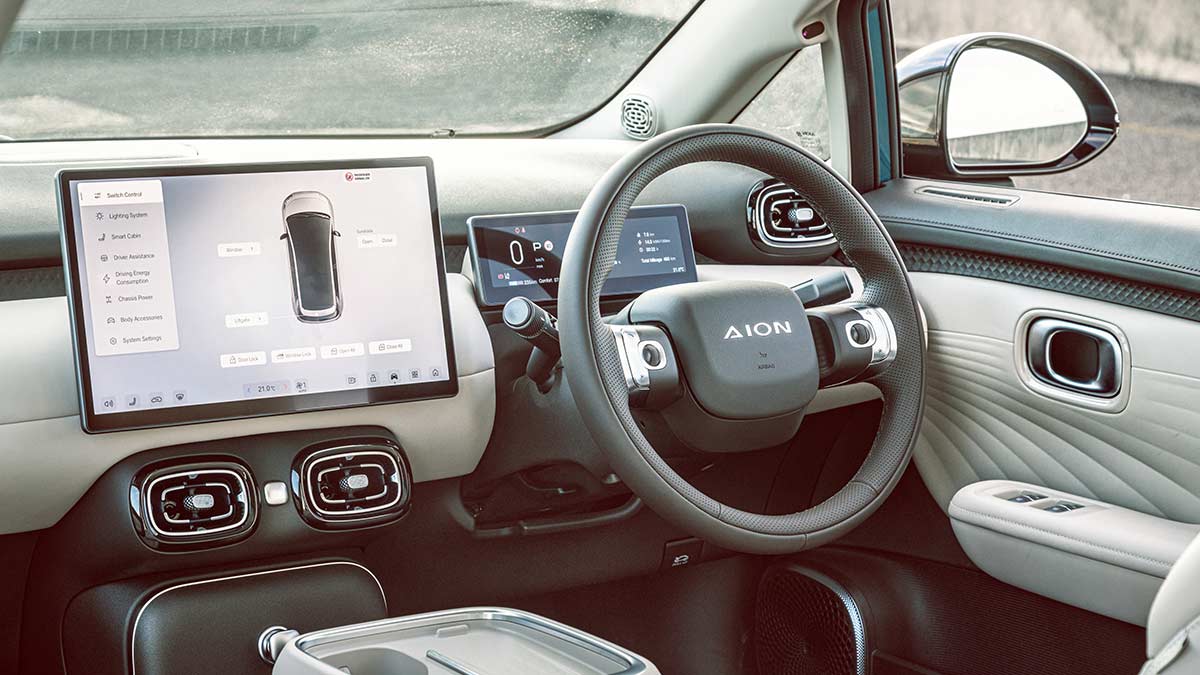
There are some obvious examples of form over function in the Aion UT’s cabin, such as the awkward knob that needs turning to open the lid to get to the lower dash storage area. (It doesn’t help that the fixed centre console juts out a bit too far.) The glovebox is also a thin sliver, and the door bins are shallow, but otherwise storage facilities are well considered – the deep split-lidded container between the front seats being a case in point.
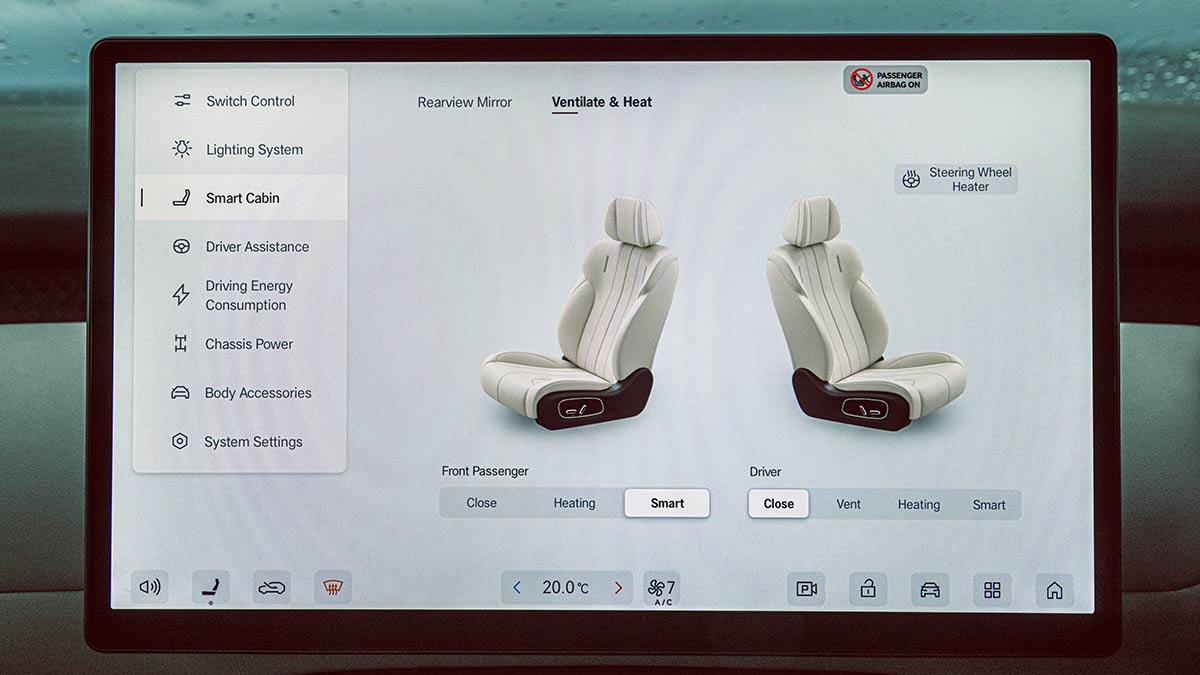
Not all drivers will find an optimum position because the steering wheel only adjusts for height, not reach as well. The digital instrument display is a welcome inclusion in an age when some carmakers are getting rid of them altogether but, as we’ve found in other modern cars (often EVs), the requirement to use the main central touchscreen for a wide range of common functions – climate control, exterior mirror adjustment, sunroof blind opening, etc – can be time consuming and frustrating.
Taking the time to set up menu shortcuts and getting the hang of the voice control should alleviate some of these issues. Save for one frozen screen when navigating with Apple CarPlay, there were no other major concerns with infotainment connections and interactions on our first drive.
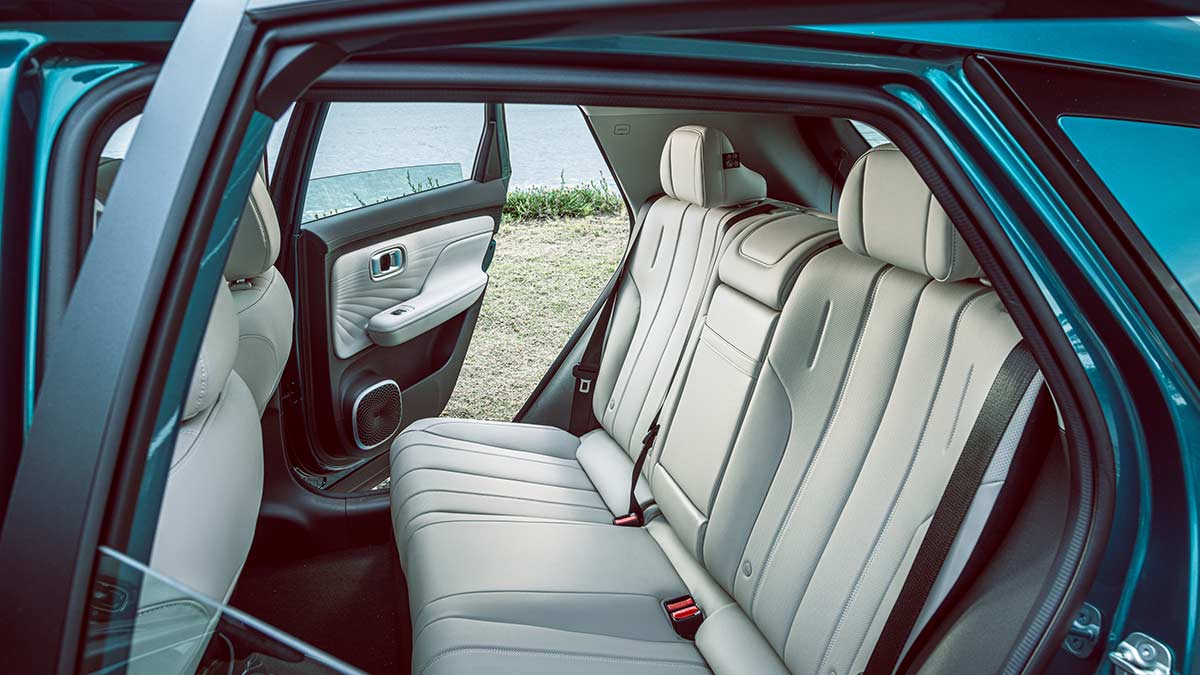
Rear seat space is a key selling point for the Aion UT. Size XL adults, or kids in child restraints, are easily accommodated in the outboard seating positions, with generous headroom and legroom provided. As with most small cars, the centre rear position is a little compromised – it’s narrower, perched up higher and includes the fold-down armrest as the backrest – but for children it should be fine.
Rear air vents are a welcome inclusion, but only a single USB charging point is provided for rear seat passengers in the top-spec Luxury model grade – and not at all on the entry-level Premium.
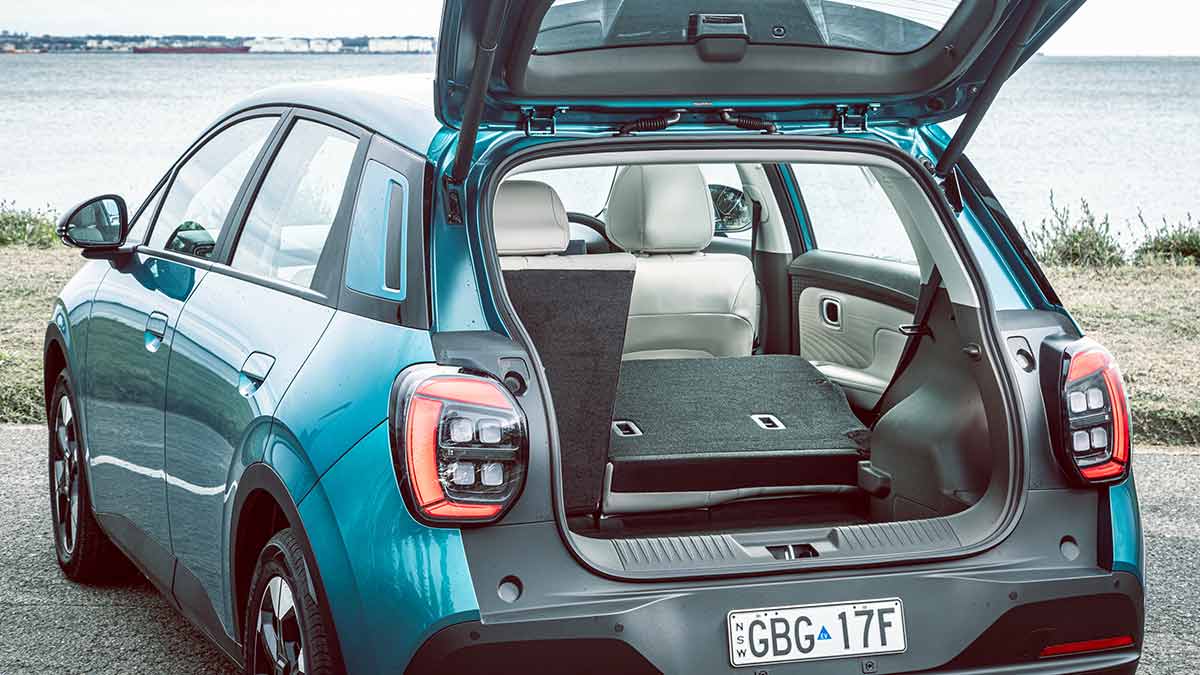
The high emphasis on cabin roominess has cut into the available boot space, which doesn’t have a lot of length from the tailgate to the rear seatback but does benefit from a deep underfloor area. That’s in part due to the omission of a spare tyre in favour of a puncture repair kit, as found in almost all EVs.
The tailgate itself doesn’t open high enough for taller folk – be prepared to stoop when loading up – and don’t count on storing anything under the bonnet. There’s no front trunk, with all available space devoted to mechanical components in the snub-nosed UT.
The GAC Aion UT cabin is characterful but can favour form over function.
The GAC Aion UT steering wheel misses out on reach adjustment.
Many major controls for the GAC Aion UT are relegated to the touchscreen.
The roomy rear seat area is a key selling point for the GAC Aion UT.
Cargo space in the GAC Aion UT is acceptable, but not best in class.
1 of 5
What is the GAC Aion UT like to drive?
Unlike some of its EV rivals which offer downsized e-motors and batteries to keep the purchase price low, the 2026 GAC Aion UT has launched with ample power and a useful range to manage its main role as an urban companion.
Our launch drive around Sydney put the car in its element, with the Aion UT handling the cut and thrust of city traffic with relative ease. It has that welcome EV oomph (responsiveness), feels nimble along narrow and winding streets, makes light work of tight parking manoeuvres and, for the most part, provides a comfortable ride across different road surfaces.
That said, the Aion UT did allow some harsh thumping into the cabin over speed humps, which suggests more work is needed with suspension tuning.
On that front, GAC has admitted to undertaking just 3800km of testing in Australia with the UT before putting it on sale here. This could also reflect the high level of intrusiveness of the driver assistance features in the EV, with warning chimes, verbal reprimands and even some aggressive steering wheel corrections and braking interventions interrupting our drive at frequent intervals.
Examples include the car misreading speed signs and lane markings, and false interpretations of driver distraction. In short, better calibration of the Aion UT’s advanced driver assistance systems (ADAS) is needed.
Across a primarily slow-speed 229km urban drive route, the EV’s average energy consumption was 16.1kWh/100km, placing it below the official 16.4kWh/100km figure on the WLTP combined cycle, as quoted by the carmaker. That’s an excellent result that lends credibility to the 430km (WLTP) driving range claim, but hinges on various factors including driving style and road speeds.
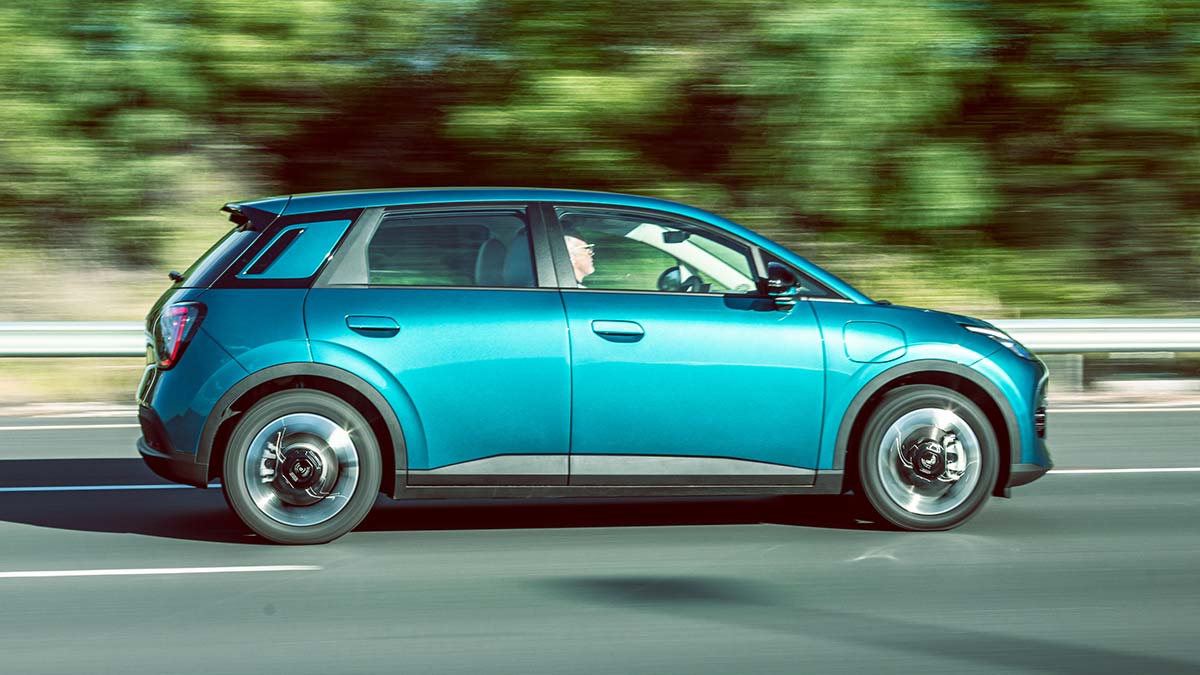
City driving is where the GAC Aion UT is in its element.
GAC Aion UT has a claimed driving range of 430km (WLTP).
The GAC Aion UT is comfortable to drive in most scenarios.
Multiple lanes can provoke unwanted responses from the GAC Aion UT.
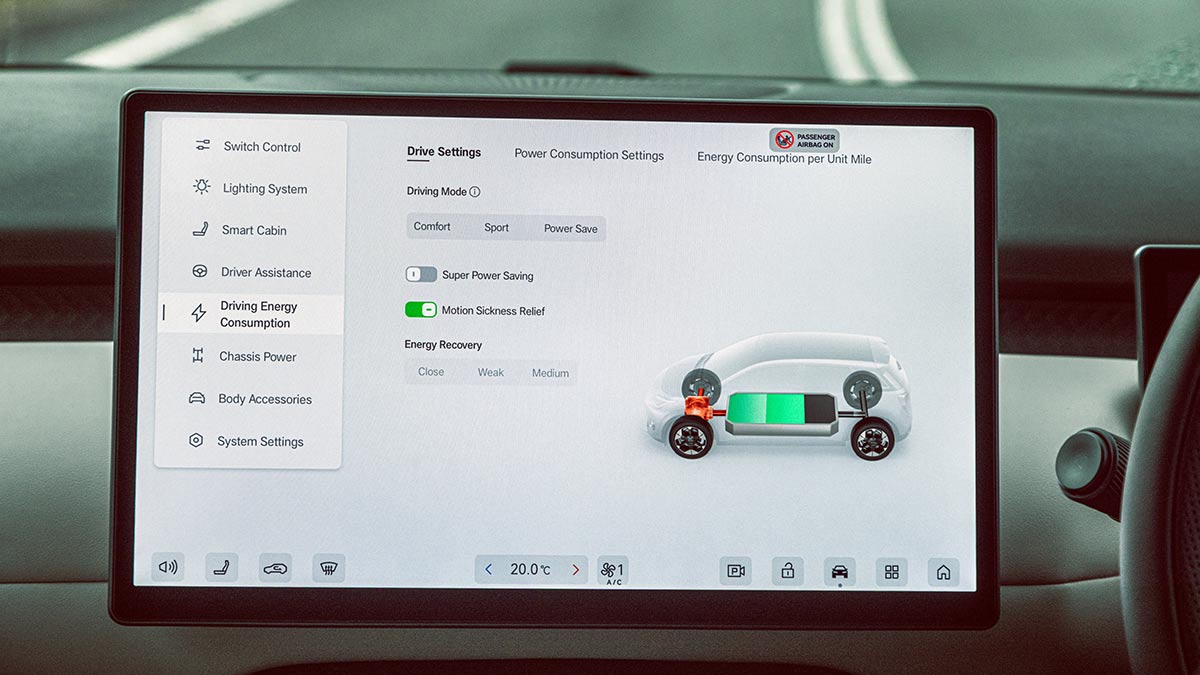
Various driver selectable modes are available on the GAC Aion UT.
1 of 5
How safe is the GAC Aion UT?
There is no ANCAP rating for the 2026 GAC Aion UT at this stage, but when it does enter the testing process the independent safety authority will assess the car’s active driver assistance systems, looking for smooth and intuitive operation.
It remains to be seen whether the EV will lose points here, based on our experience, but it’s sure to win favour for the sheer volume of ADAS tech onboard – from driver monitoring through to lane support, forward collision warning and autonomous emergency braking (AEB) in forward and reverse.
GAC Australia has also wired into the Aion UT an automatic collision notification and emergency call system while it works with an Australian supplier to get the service up and running. This important feature will be a welcome inclusion once it comes onstream, which is due to occur later in 2026. It will also be a factor in the UT’s ANCAP rating, which GAC executives are confident will be a maximum five-star result.
See our GAC Aion UT preview guide for full details on the vehicle’s safety features, which extends to seven airbags.
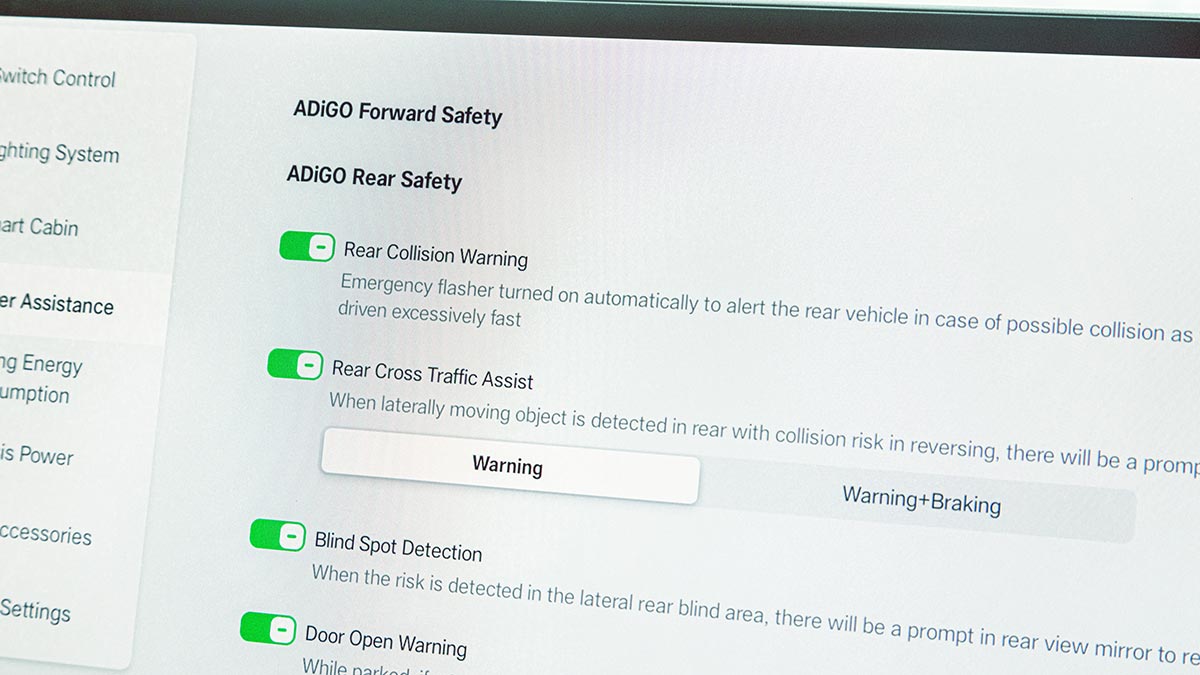
Lots of advanced safety systems are found on the GAC Aion UT, but some of them can prove frustrating for the driver.
Should I buy the GAC Aion UT?
The 2026 GAC Aion UT is sure to appeal to Australian buyers with its affordable pricing, charming looks, high-level features and sufficient performance, including a useful driving range. The eight-year warranty is also reassuring, but we can’t help but see the Aion UT as being pushed onto the market before all the boxes are ticked.
Suspension tuning and ADAS calibration need refinement, for example, and GAC is still working with local suppliers for features that the brand is highlighting as prime benefits of the car. These include developing an adapter to use the Vehicle to Load (V2L) function and being able to offer extra data for in-car connected services once the 2GB per month allocation is exhausted.
Accessories for the Aion UT are also a work in progress, while GAC is continuing to work on a capped price servicing scheme with its dealers – a network that’s set to expand in the months ahead, but which for now stands at less than 20 urban locations.
We have no reason to believe these complicating issues for a fledgling brand won’t be resolved in time. For now, however, the class leadership that GAC is targeting for the Aion UT – based on a target of 300-500 sales per month – looks to be wildly optimistic.
With some more bedding in, the enticing first-round package with the GAC Aion UT should be a better bet.
The information provided is general advice only. Before making any decisions please consider your own circumstances and the Product Disclosure Statement and Target Market Determinations. For copies, visit racv.com.au. As distributor, RACV Insurance Services Pty Ltd AFS Licence No. 230039 receives commission for each policy sold or renewed. Product(s) issued by Insurance Manufacturers of Australia Pty Ltd ABN 93 004 208 084 AFS Licence No. 227678.
Want more articles like this?
Subscribe to RACV News for advice on cars, safety, home and travel.