
Keep common household pests like termites, mice, rats, cockroaches and more out of your home with this practical guide to prevention and extermination.
Maintenance
How to get rid of pantry moths and stop them returning
Learn how to get rid of pantry moths, larvae and eggs, clean an infestation and store food correctly to help prevent pantry moths coming back.
Spotting a small moth fluttering around the kitchen might not seem like a major problem. But if it's a pantry moth, there could already be eggs or larvae hiding in your flour, cereal, rice and other dry foods.
Pantry moths can be persistent once established, largely because their larvae can survive in small amounts of food and hide in packaging, cracks and crevices. The good news is that a thorough pantry clean-out, combined with better food storage, can help break their life cycle and reduce the chance of another infestation.
If pantry moths keep returning and your pantry is old or hard to clean, a more substantial rebuild may be worthwhile. A cabinetmaker or qualified carpenter can redesign the space with fitted cabinetry, better-sealed storage and easier access to awkward corners.
Here's how to identify pantry moths, get rid of them and help stop them coming back.
What are pantry moths?
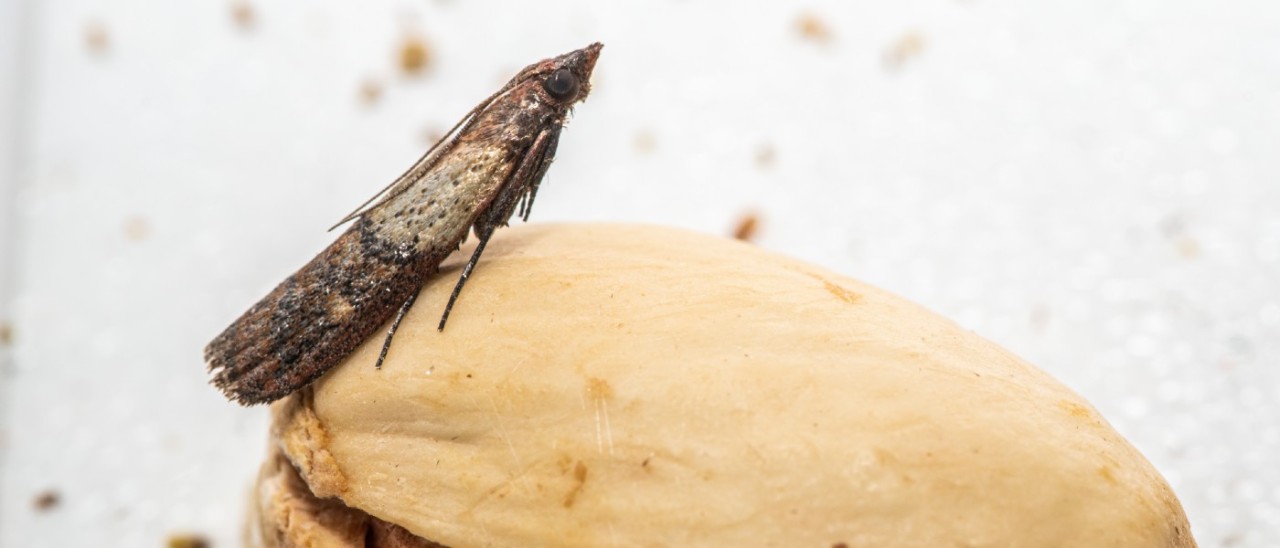
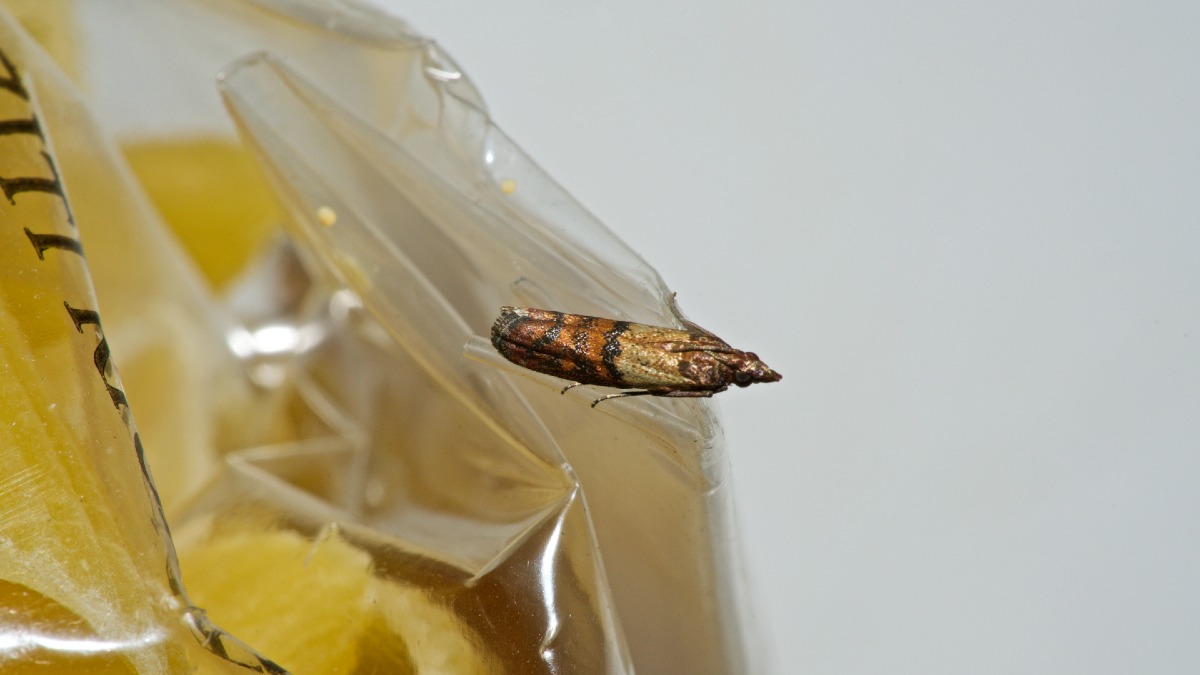
The Indian meal moth (Plodia interpunctella) is one of the most common moths found in Australian pantries. Unlike clothes moths, which can damage natural fibres, pantry moth larvae feed on stored dry foods. Their silk webbing also contaminates and spoils food products.
Common targets include:
- flour and baking ingredients
- rice, pasta and grains
- breakfast cereals and oats
- nuts and seeds
- dried fruit
- herbs and spices
- biscuits and other dry foods
- tea
- dry pet food.
Pantry moth infestations often begin when eggs or larvae are inadvertently brought home inside packaged food - they usually originate from the mills or processings warehouses. Warm conditions can accelerate their development, which is one reason infestations may become particularly noticeable during warmer weather.
What are the signs of pantry moths?
Adult moths flying around the kitchen are an obvious warning sign, but check your pantry itself as well. Look for:
- fine silk-like webbing inside food packets
- grains that appear stuck together
- small cream-coloured larvae
- cocoons (larvae can also crawl away from food before pupating, so cocoons may appear in cupboard corners, hinges, cracks, walls or even around the ceiling)
- unusual holes in packaging.
Don't assume a sealed or unopened packet is automatically unaffected. Check all susceptible dry goods when investigating an infestation.
More: The ultimate spring cleaning checklist: tips and tutorials
The Indian meal moth is one of the most common moths found in Aussie pantries. Image: Getty
How to get rid of pantry moths
Getting rid of the adult moths you can see isn't enough. The key is removing the eggs, larvae and food sources that allow another generation to develop.
1. Empty your pantry completely
Remove everything rather than simply checking the packet where you first noticed moths. Pantry moths can spread between different foods, and larvae may be hiding some distance from the original source. Inspect packets carefully, particularly around seams, folds and lids.
2. Throw away infested food
Discard foods showing obvious signs of infestation, including larvae, webbing or cocoons. Seal affected products in a bag before putting them in the rubbish so pests don't simply spread elsewhere.
Remember to check less obvious foods such as spices, nuts, seeds, dried fruit, tea and pet food. Even small quantities of spilled food can sustain larvae.
3. Deal with potentially affected dry food
If you believe a product is moth-free, place it in the freezer inside a zip-lock bag for three to four days to kill any moth eggs and larvae that may still be present.
When in doubt about visibly contaminated food, however, the simplest approach is to discard it.
4. Vacuum the pantry thoroughly
Once the pantry is empty, vacuum shelves, corners and crevices carefully. Pay particular attention to shelf joins, screw holes, cupboard hinges, cracks and the undersides of shelves. Check nearby walls and ceilings for cocoons, too
Vacuuming also helps remove spilled flour, crumbs, grains and other food debris along with moth larvae and eggs.
Dispose of the vacuum contents promptly afterwards, and thoroughly wash the dust compartment of the vacuum cleaner.
5. Clean shelves and containers
Wash pantry shelves, walls, door frames, corners and food-storage containers with a 1:1 solution of warm water and white vinegar before putting anything back. This helps eliminate any remaining eggs and neutralises adult moths' pheromone trails, which can otherwise attract new moths.
Avoid spraying general-purpose insecticides around exposed food or food-contact surfaces. An insecticide alone also won't solve the underlying infestation because eggs and larvae can remain protected inside food and packaging.
6. Replace containers
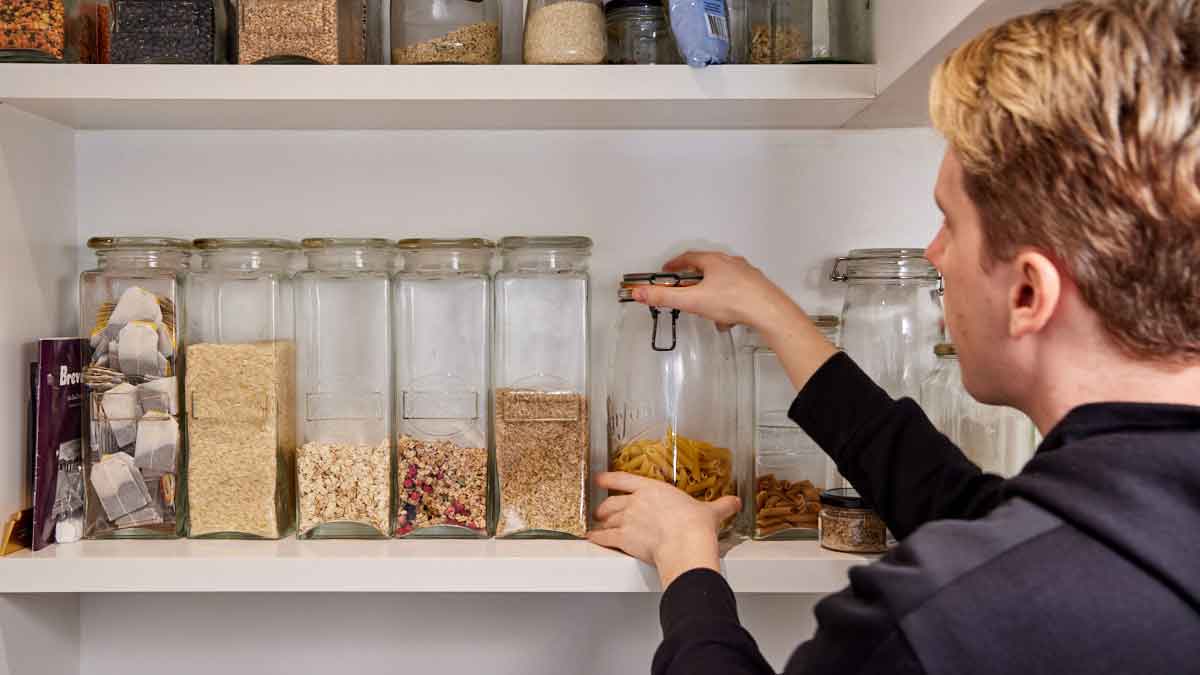
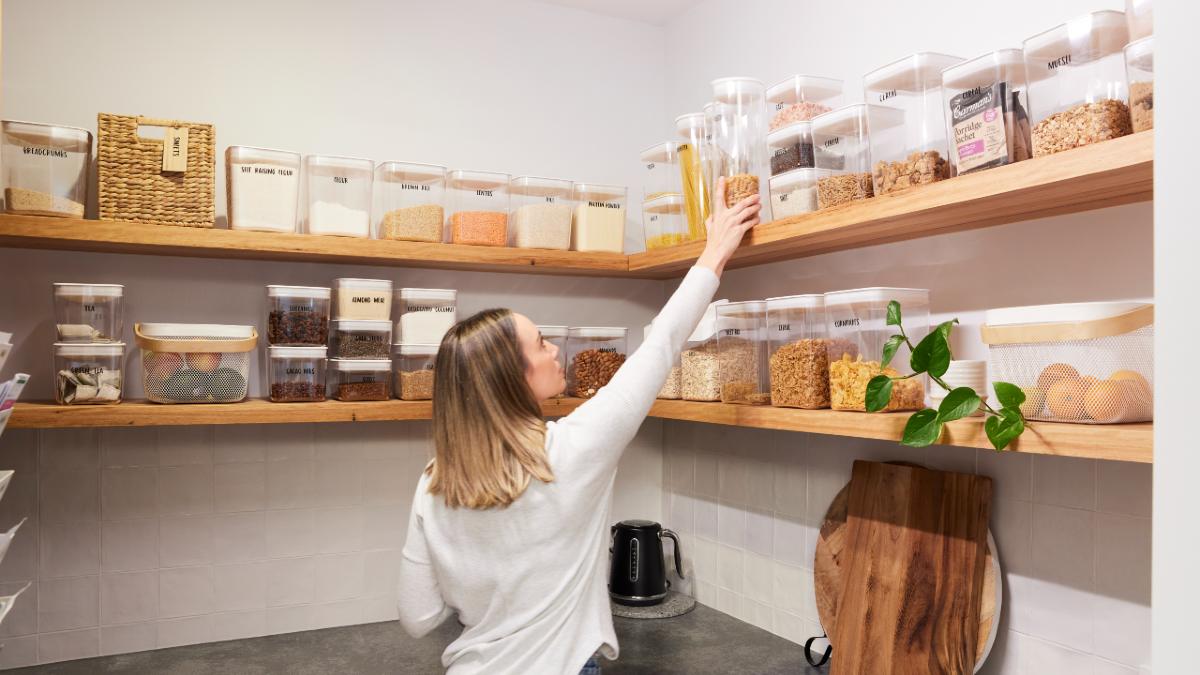
Store future dry ingredients and pantry staples in clean, airtight containers to help prevent future pantry moth infestations.
If moths persist after cleaning and better storage, seek advice from a professional pest controller.
Do pantry moth traps work?
Pantry moth pheromone traps can be useful, but they shouldn't be your only line of defence.
These sticky traps contain a chemical attractant that mimics female pantry moth pheromones, attracting adult males. This can reduce mating opportunities and, importantly, help you monitor whether moths are still present after cleaning.
Because traps generally target males rather than eggs and larvae, they are unlikely to eliminate an established infestation on their own. Think of them as an additional monitoring and control measure alongside cleaning and secure food storage.
Can pantry moths come back after cleaning?
Yes. Seeing another moth shortly after a clean-out doesn't necessarily mean your efforts have failed. Larvae may have already left the food and formed cocoons in difficult-to-see locations before you cleaned the pantry.
Continue checking cupboards, walls, ceilings and food containers over the following weeks. If moths keep appearing despite removing affected food, thoroughly cleaning the area and improving storage, consider getting advice from a professional pest controller.
The most effective long-term approach is straightforward: remove contaminated food, clean thoroughly, monitor for remaining moths and make airtight food storage part of your regular pantry routine.
Changing how you store food can make it harder for another infestation to spread.
How to prevent pantry moths coming back
Once your pantry is moth-free, changing how you store food can make it harder for another infestation to spread.
Store susceptible dry goods in tightly sealed containers rather than relying solely on cardboard boxes, paper bags or loosely closed packets. Keep your pantry clean and dry too.
It also helps to:
- clean up flour, cereal, rice and other spills promptly
- regularly inspect foods you don't use often
- check packaging for damage before storing new groceries
- avoid accumulating excessive amounts of rarely used dry food
- rotate pantry items so older products are used first
- clean shelves and hard-to-reach corners periodically.
Keeping foods such as flour, rice, cereal, nuts and dried fruit in separate airtight containers has another advantage: if one product does contain pantry moth eggs, the infestation is more likely to remain contained rather than spreading throughout the cupboard.
If your pantry is old, damaged or difficult to clean, it may be worth asking a qualified carpenter or cabinetmaker about rebuilding the space. Better-designed shelving and easier-to-access corners can make the pantry simpler to maintain and may help reduce the conditions that allow pantry moths to go unnoticed.
More: How to organise your kitchen pantry, drawers and shelves
RACV Trades is a trading name of RACV's trade partner, Club Home Response Pty Ltd (Victorian registered domestic building practitioner number CDB-U 100178). All works are performed or arranged by Club Home Response Pty Ltd. trading as RACV Trades. See RACV Trades terms and conditions.

