
Dog doors are convenient but can provide an entry point for thieves. Here’s how you can help prevent theft by securing your dog door.
Maintenance



Ultimate spring cleaning checklist: tips and tutorials
Follow our ultimate spring cleaning checklist with practical tips and tutorials for cleaning, decluttering and maintaining every area of your home.
Spring is the perfect time to throw open the windows, clear away winter clutter and give your home a thorough clean. But a spring clean can involve more than dusting shelves and reorganising cupboards.
From removing mould and deep-cleaning appliances to checking for water damage and tackling neglected outdoor areas, a comprehensive spring clean can help keep your home fresh, organised and well maintained.
Not sure where to begin? Save this checklist and tick off each task as you go for a cleaner, more organised home that's ready for the warmer months.
Remember that you don't have to complete your entire spring cleaning checklist in one weekend. Breaking the job into individual rooms or tackling one category each day can make the process more manageable.
In this article
How to spring clean your kitchen
Kitchen surfaces, appliances and vents can accumulate grease, crumbs and food residue, potentially creating a fire hazard or encouraging pests.
Having a supply of bi-carb and vinegar can help with kitchen cleaning tasks. Essential oils like orange and eucalyptus can also help remove grease around cooktops and rangehoods - and make them smell great.
- Kitchen benchtops and cooktops - clear away clutter and wipe them down with an antibacterial spray or wipe.
- Cupboards and drawers - wipe them down and don't forget handles, cupboard tops and internal shelves.
- Sink and taps - remove grime and check for dripping taps or signs of leaks.
- Pantry - remove everything, check use-by dates and wipe down shelves before reorganising food.
- Fridge and freezer - dispose of old food from your fridge and freezer, then wipe shelves, drawers, seals and handles. Learn how to get rid of stubborn fridge smells here.
- Oven - deep clean your oven's interior, racks and oven door according to the manufacturer's instructions. If your oven racks are discoloured and dirty, try soaking the racks wrapped in foil with a dishwasher tablet for a few hours before wiping off the grease.
- Rangehood - wipe down the exterior and clean or replace filters where appropriate. Learn how to best clean rangehood filters here.
- Dishwasher - remove debris from accessible dishwasher filters and check for signs of blockages.
- Small appliances - wipe down appliances such as your microwave, toaster, air fryer and kettle.
- Kitchen bins - wash and disinfect household rubbish and recycling bins.
- Vacuum and mop - finish by vacuuming and/or mopping underneath accessible appliances and along kickboards where possible.
More: How to organise your kitchen pantry, drawers and shelves
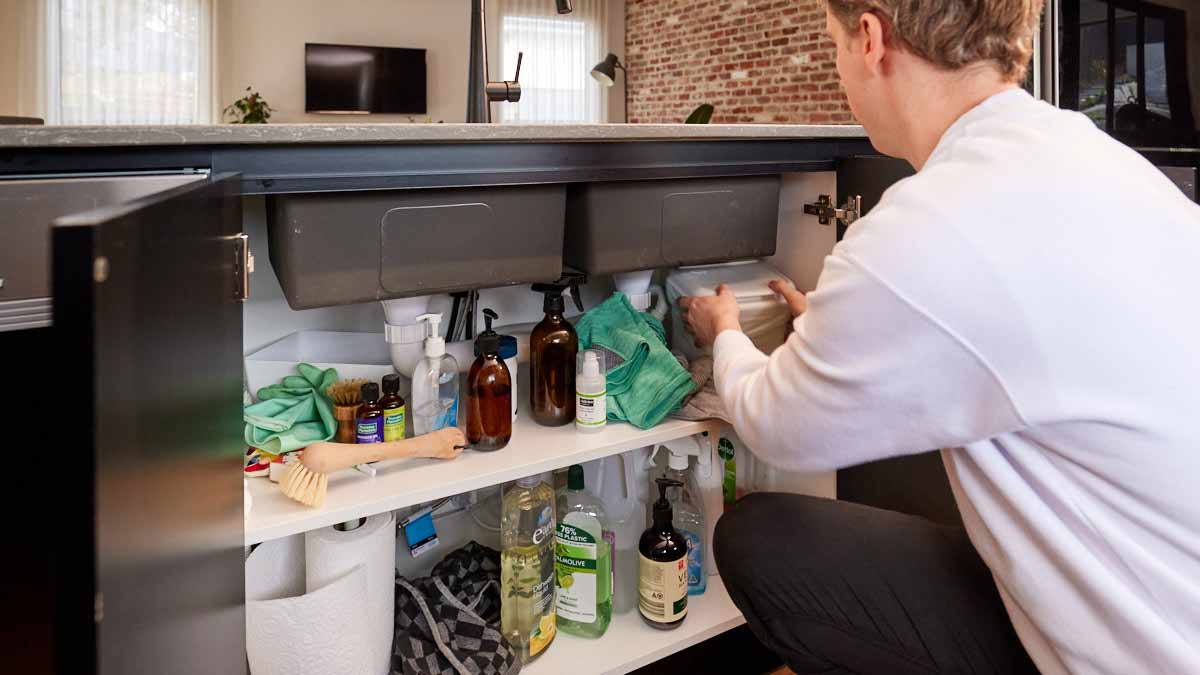
Tidy cabinets, shelves and drawers when you sprign clean your kitchen.
How to deep clean your bathroom
Bathrooms can be particularly susceptible to mould and moisture problems, especially after winter. As you clean, check for mould, deteriorating seals and any problems with appliances like heated towel rails or bidets that might need a professional's help.
- Clean and organise the vanity - clear off and wipe down all surfaces, then throw out any empty containers and products that are out of date. Reorganise your bathroom cupboards and counters in a way that prioritises the items you use the most.
- Clean the toilet and sink - include taps, handles and less visible areas around and behind fixtures. Investigate any blockages immediately and learn how to unclog them.
- Deep clean the shower and bath - clean screens, tiles, taps and other surfaces using appropriate products.
- Clean tile grout - pay particular attention to discolouration and areas where mould may develop.
- Wash shower curtains and bathmats - follow their individual care instructions.
- Clean the exhaust fan - remove accessible dust that could reduce airflow.
- Check for mould - inspect ceilings, walls, grout and window frames. Good ventilation can help reduce condensation and discourage mould growth, so use exhaust fans, dehumidifiers and open windows where practical.
- Inspect seals and grout - look for cracked silicone, damaged grout or other areas where moisture could penetrate.
- Check for leaks - inspect the areas around the shower, bath and vanity for damaged silicone, deteriorating grout, flaking paint or swollen cabinetry that could indicate a moisture or plumbing problem. If you find signs of water damage, a licensed plumber can advise on the best fix.
Laundry room spring cleaning checklist
Laundry rooms can accumulate lint, dust, moisture and cleaning-product residue, while appliances and plumbing connections can be easy to overlook during everyday cleaning. A spring clean is also a good opportunity to check for potential leaks and other maintenance issues.
- Declutter laundry products - dispose of empty containers appropriately and organise detergents and cleaning supplies safely.
- Wipe cupboards and shelves - remove dust, lint and spilled detergent from storage areas.
- Clean the laundry sink - scrub the basin and taps and check the drain for signs of slow drainage.
- Clean the washing machine - wipe your washing machine's drum, detergent dispenser, door and rubber seals, and run a cleaning cycle if recommended by the manufacturer. Inspect accessible inlet and outlet hoses for cracking, bulging, corrosion, leaks or other signs of deterioration.
- Clean the clothes dryer - remove lint from your clothes dryer's filter and clean accessible areas around the dryer according to the manufacturer's instructions. If you have a vented dryer, make sure accessible vents aren't obstructed by lint or other debris.
- Vacuum and mop the floor - pay particular attention to corners, underneath accessible cabinetry and areas where lint collects. Don't attempt to move heavy appliances without assistance.
- Check for mould - inspect walls, ceilings, windows and cabinetry for mould or signs of excessive condensation.
- Look for water leaks - check around and underneath accessible appliances, the laundry sink and plumbing connections for moisture, staining or water damage.
More: Guide to choosing the right hot water system for your home
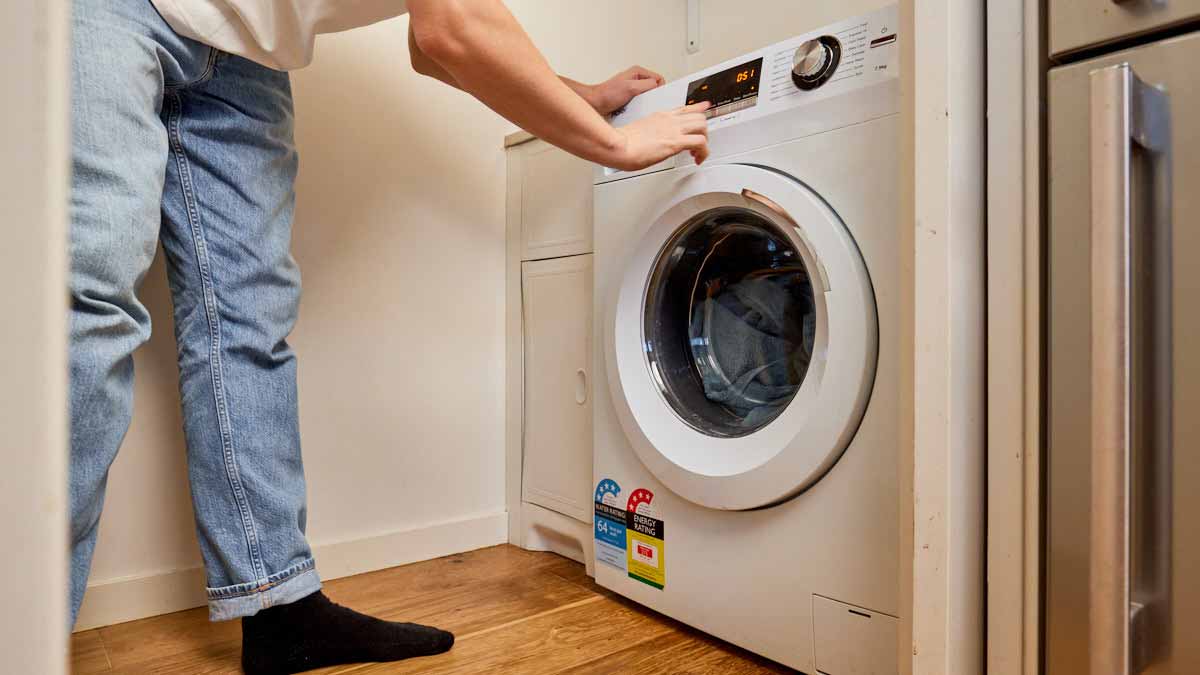
Keeping your washing machine and clothes dryer clean can make laundry smell nicer.
Spring clean bedrooms and wardrobes
Bedrooms can harbour dust in mattresses, soft furnishings and areas hidden underneath furniture.
- Dust the room - clean bedside tables, lamps, window frames, blinds, skirting boards and other surfaces.
- Wash your bedding - launder sheets, pillowcases, mattress protectors and other washable bedding according to care instructions.
- Vacuum the mattress - remove surface dust and debris, paying attention to seams and edges.
- Declutter your wardrobe - sort clothes into items to keep, donate, sell, repair, repurpose or recycle. If you haven't worn something in two years or more, that's probably a good sign you should get rid of the item.
- Update your storage space - put frequently used items somewhere accessible and store seasonal clothing appropriately. If you need more storage space, an additional hanging rail can double your horizontal space, while adding shelf dividers or even a shoe rack can make use of otherwise empty areas.
- Vacuum or mop floors - finish by cleaning the entire accessible floor area. Move lightweight furniture where safe to clean otherwise inaccessible areas.
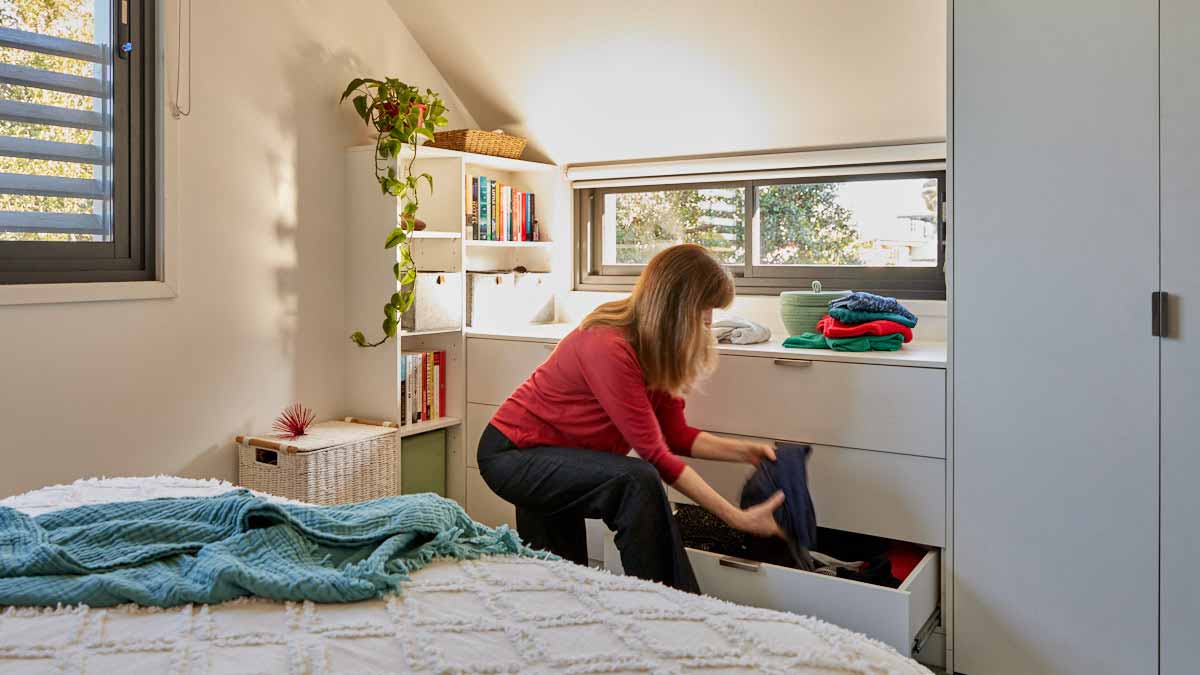
Tidying your drawers and clearing out your wardrobe can create a lot of space.
Declutter kids' bedrooms and play areas
Spring is an opportunity to tackle overflowing toy boxes, outgrown clothes and cluttered bookshelves.
You can encourage children to help you where age appropriate. Make it fun by turning cleaning into a game: use a timer to see how quickly they can pick up toys or play their favourite music while they clean.
- Sort through toys - identify items to keep, donate, recycle or dispose of appropriately. Return books and games to shelves and storage areas.
- Check children's clothing - remove anything that has been outgrown or is no longer worn.
- Clean toys - wipe down washable toys and other frequently handled items according to their cleaning instructions.
- Wash soft furnishings - clean washable bedding, cushion covers and other fabrics.
- Remove marks from walls - if your little ones have marked painted walls, try wiping them with a damp microfibre cloth and a drop of dish soap. More stubborn stains can benefit from solutions like a baking soda paste, diluted white vinegar, or a magic eraser (damp melamine foam pad). Always test on a hidden spot first.
- Create simple storage systems - labelled tubs, baskets or shelves can make it easier to keep the room organised.
- Vacuum or mop floors - finish by cleaning the floor area. Remember to vacuum underneath furniture where possible.
Getting your kids involved in spring cleaning their bedrooms can be rewarding for everyone.
Deep clean living rooms and shared spaces
Shared living spaces can contain plenty of overlooked dust traps, particularly around furniture and electronics.
- Declutter drawers and cabinets - sort paperwork, cables, batteries and other miscellaneous items.
- Dust from top to bottom - start with ceiling fans and light fittings before moving to shelves and furniture. Lampshades can be dusted effectively using a lint roller. Carefully dust televisions, speakers and other devices according to manufacturer instructions.
- Clean blinds and windowsills - remove dust and dirt that has accumulated over winter.
- Maintain your fireplace - learn how to safely clean and maintain your fireplace (wood, electric or gas).
- Vacuum upholstered furniture - make sure to use suitable attachments. If your cushions have removable covers, launder them along with any blankets, throws and rugs according to their labels.
- Vacuum rugs and carpets - pay particular attention to high-traffic areas and underneath furniture.
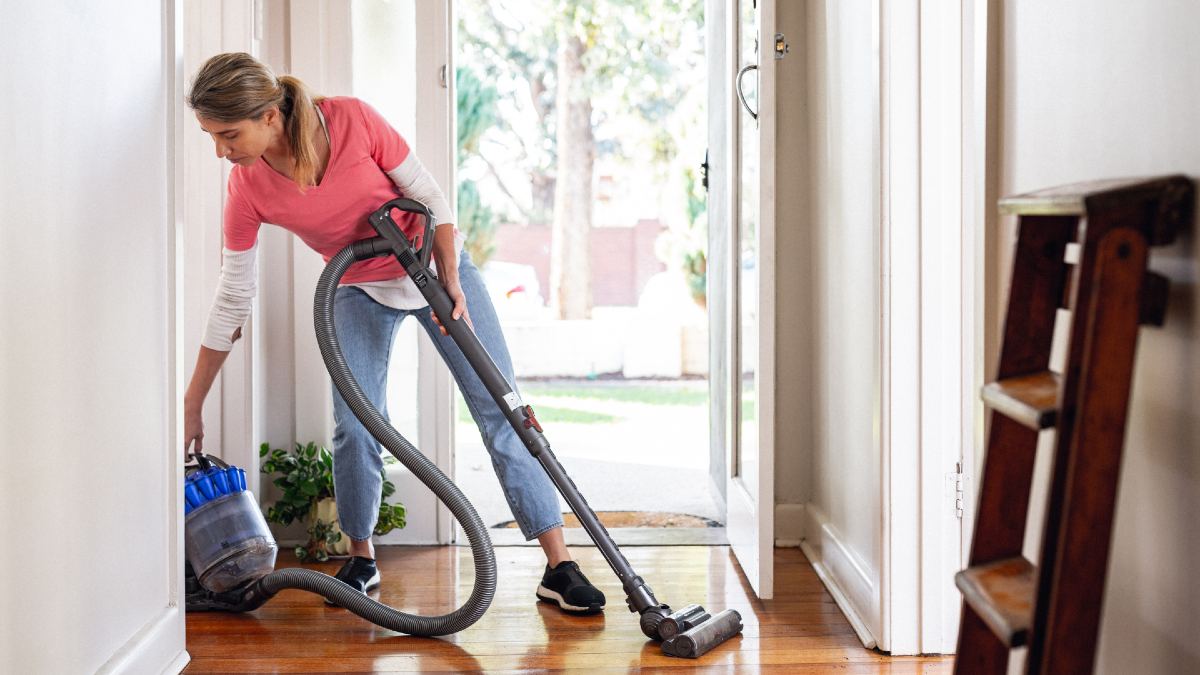
Make sure to finish dusting before getting out the vacuum.
Clean windows, doors and overlooked surfaces
Some surfaces aren't part of the weekly cleaning routine, but can collect significant amounts of dust and grime over time. Dusting should generally come before vacuuming so anything that falls onto the floor can be collected afterwards.
- Remove cobwebs - check ceiling corners, cornices and other high areas.
- Clean air vents - remove accessible surface dust without dismantling electrical or mechanical equipment.
- Dust ceiling fans - clean blades carefully before vacuuming the floor below.
- Dust the tops of cupboards - these easily forgotten surfaces can collect substantial dust.
- Clean light switches - wipe carefully without allowing moisture into electrical fittings.
- Wipe doors and handles - these frequently touched areas around the home gather dirt and oils as well as dust.
- Clean windows - wash the glass as well as accessible frames, tracks and sills.
- Clean skirting boards - after dusting, wipe them down with a damp (not wet) cloth dipped in warm water and mild dish soap. Finish with a dry wipe down to avoid water damage.
Wash your windows on both sides, plus their frames, tracks and sills where accessible.
Spring clean your outdoor areas
Warmer weather makes spring a good time to clean outdoor entertaining spaces and prepare gardens for summer. Because working at height can be dangerous, consider hiring a professional rather than climbing a ladder yourself.
- Clean outdoor furniture - wash tables, chairs and other furniture according to the manufacturer's instructions.
- Sweep paths, patios and decks - remove leaves, dirt and other accumulated debris.
- Maintain lawns - get out your mower or whipper-snipper to take care of your grass.
- Tidy garden beds - remove manageable weeds, prune back any dead material, renew mulch and fertilise plants to encourage new growth.
- Prune and trim trees - pruning promotes healthy growth and helps prevent damage during storms. Leave large trees, high branches and anything near powerlines to qualified professionals.
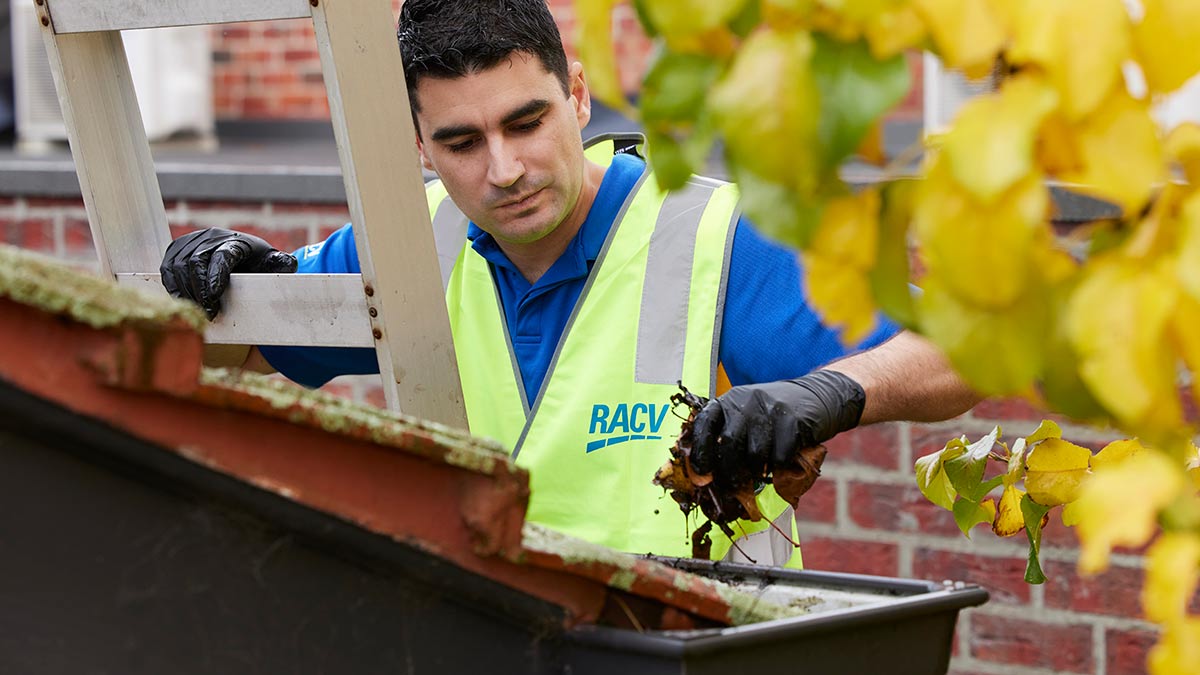
- Check gutters and downpipes - look for visible leaves and debris in gutters that could contribute to blockages and overflowing rainwater. As this involves ladder work, hire a professional to do this task safely and comprehensively, who can also advise on the integrity of your roof.
- Check exterior drainage - make sure accessible drains aren't visibly blocked by leaves or garden debris.
- Inspect outdoor taps - check for leaks and obvious deterioration.
- Check fences and gates - look for loose components or other damage that may need repairing.
- Consider installing a compost bin - compost can do wonders for your plants. You can even use leftover coffee grounds after cleaning your kitchen to make fertiliser and repel pests from your plants and outdoor furniture.
Trained professionals may be needed for household tasks involving a ladder, such as gutter cleaning.
Don't forget to spring clean your car
Once the house is done, give your car a spring clean too. Removing winter dirt and clutter can make the cabin more pleasant and give you an opportunity to spot anything that needs attention.
- Remove rubbish and clutter - empty door pockets, cupholders, the glovebox and boot of unnecessary items.
- Wipe interior surfaces - clean the dashboard, centre console and other surfaces with suitable products. Frequently forgotten areas incude cupholders, air vents, door pockets and the glovebox.
- Vacuum the interior - don't forget seats, carpets, floor mats, the boot and underneath accessible seats.
- Clean windows and mirrors - remove grime from interior glass to help maintain visibility.
- Wash the exterior - clean the bodywork, wheels, windows and other exterior surfaces in a shaded area where possible. Keeping your car's exterior clean also helps protect your car's paintwork.
- Check your windscreen - look for chips or cracks on your car's windscreen that may need professional attention.
- Get car scratches repaired - learn how to buff out minor scratches and when to seek expert help.
Check for home maintenance problems
Spring cleaning provides an opportunity to conduct a basic visual health check of your home. If you discover a problem requiring specialist repairs, contact an appropriately licensed professional.
- Check for water damage - look for stains, bubbling paint, damp patches and unexplained moisture.
- Inspect accessible flexible hoses - check flexi hoses beneath sinks, basins and toilets for visible rust, bulging, fraying or deterioration.
- Look for leaking taps - a persistent tap drip may require repair by a licensed plumber.
- Check for mould and condensation - investigate recurring moisture rather than simply cleaning away visible mould.
- Test smoke alarms - the Country Fire Association (CFA) recommends testing smoke alarms monthly and replacing the entire alarm when it reaches 10 years old.
- Check doors and windows - look for damaged seals, locks, flyscreens and other components that may need maintenance.
- Book heating and cooling maintenance work - if your heater or air conditioner isn't working properly, book a maintenance or repair appointment during your spring clean.
- Book professional repairs where necessary - electrical, plumbing, gas and specialist maintenance should be handled by appropriately qualified professionals.
More: The hidden home maintenance problems worth checking now
Home cleaning hacks
- House cleaning hacks and tips - how to keep your home clean with less effort
- How to divide chores around the home and get kids involved
- Homemade and eco-friendly cleaning tips for a natural home
- Our most disliked household chores revealed
- 10 ways to prepare and maintain your home for summer
- Regular home safety and maintenance checks to keep your home in top shape

