
Confused about what to do at a yellow traffic light in Victoria? Learn the road rules, common mistakes, and what the law says about stopping versus going.
Car Safety

Driving at night: eyesight rules, glare and safety tips
Driving safely at night depends on clear vision, effective headlights and reducing glare. These tips can help improve visibility when driving at night, as well as identify signs that you may need to have your eyes checked.
Despite there being less traffic on the road, driving at night has always been more dangerous than driving during the daytime. Data from the National Road Safety Partnership Program (NRSPP) reveals that 40 per cent of all crashes occur at night, even though only 25 per cent of all driving occurs at night.
While fatigue and increased wildlife can contribute to a higher risk of crashing at night, the dangers of reduced visibility at night cannot be overstated.
According to the NRSPP, 90 per cent of a motorist's ability to react depends on their vision, which can be greatly impacted at night (as well as in other low-light environments). There is also a legal requirement for all motorists to meet certain standards when it comes to vision, and failing to do so can prevent you from holding a licence.
The good news is that safer night driving often starts with a few simple checks. Here’s what to know before your next drive after dark.
More: Tips for driving safely in fog, rain, snow, and poor-visibility conditions
In this article
What are the eyesight rules for driving in Victoria?
Austroads is Australia and New Zealand’s official association of transport authorities.
It sets the medical standards for licensing, including standards for vision and eye disorders. These include standards concerning a person’s visual acuity and field of vision, as well as other conditions – see the full list of vision standards on the Austroads website.
Motorists must tell Transport Victoria if they have a medical condition that affects their vision. This can be done by talking to your GP and will trigger a medical review to assess whether it’s safe for you to continue driving.
Medical reviews do not automatically cancel your licence or prevent you from gaining one. Many motorists continue driving after a medical review, though support may be required or conditions may be applied to your licence. For example, you may be required to wear corrective lenses, such as glasses, as a condition of driving.
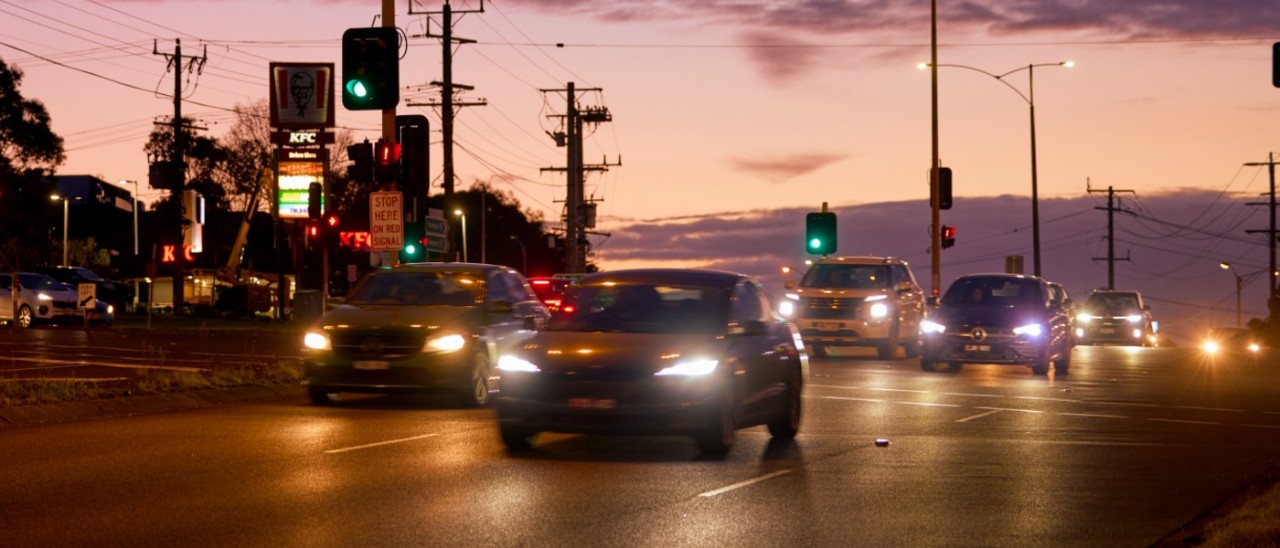
Simple steps like cleaning your windscreen can help improve visibility at night. Image: Matt Harvey
Tips for improving visibility when driving at night
Clean your windscreen and mirrors
Dirty windscreens or mirrors can impede driving visibility at any time of day, including at night. You can improve your night-driving visibility instantly by cleaning your windscreens and mirrors. Keep your car's wiper fluid level full so you can address dirty windscreens that may arise while driving.
Service your car regularly
A regular car service typically includes checking your headlights, with mechanics able to replace or realign the bulbs where necessary. There are many additional benefits to regular car servicing, including improved safety, maintaining a higher resale value, and a better chance of avoiding costly breakdowns.
Old, dying or dirty headlights
If you only have trouble seeing while driving at night (but not at night in general), then your car could be the cause.
Even the best-performing headlights only provide around 76m of illumination in front of your vehicle. If those headlights are reaching the end of their life or have become dirty, it can greatly affect your ability to see well while driving at night.
High beams roughly double the illumination distance of regular headlights but shouldn't be used on roads with oncoming traffic. High beams must also be dimmed at least 200m from other cars to prevent potentially blinding oncoming drivers.
Find out more about how to safely use your car's headlights, high beams and fog lights.
Drive to the conditions
Driving to the conditions means adjusting your driving behaviour to suit the driving environment. This can include reducing your speed and increasing your following distance to account for external factors such as low visibility at night.
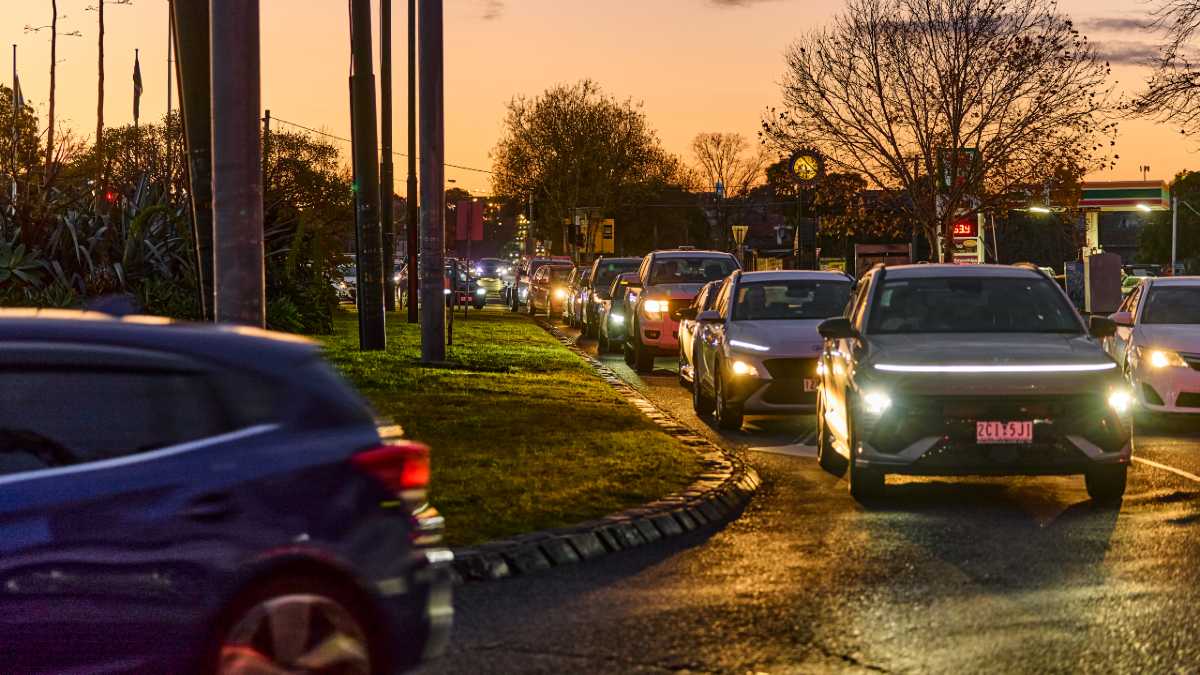
Poor night vision can make headlights look blurry and distances hard to determine. Image: Getty
Don't look directly at lights
Looking directly at oncoming headlights, not to mention high beams, can temporarily dazzle you and make it even harder to see at night. Focus your eyes to the left side of the road to minimise the chance of being blinded by headlights.
Know when to visit the optometrist
Having trouble seeing at night or in other low light environments is a strong sign to visit an optometrist. Even if you don't have noticeable vision problems, Transport Victoria recommends having your eyesight check by an optometrist every two years, with those over 65 or with pre-existing eye conditions encouraged to be checked more often.
Other signs you may need to have your eyes checked include:
- blurry vision
- glare or halos, especially when looking at lights at night
- eye strain
- double vision
- squinting
- trouble focusing
- headaches.
Wear your glasses or contacts
It's commonsense, but if you're prescribed glasses or contact lenses to wear while driving, then you must use them.
While you shouldn't store glasses in the car, bringing a spare pair with you is a good idea in case you break or lose your regular pair.
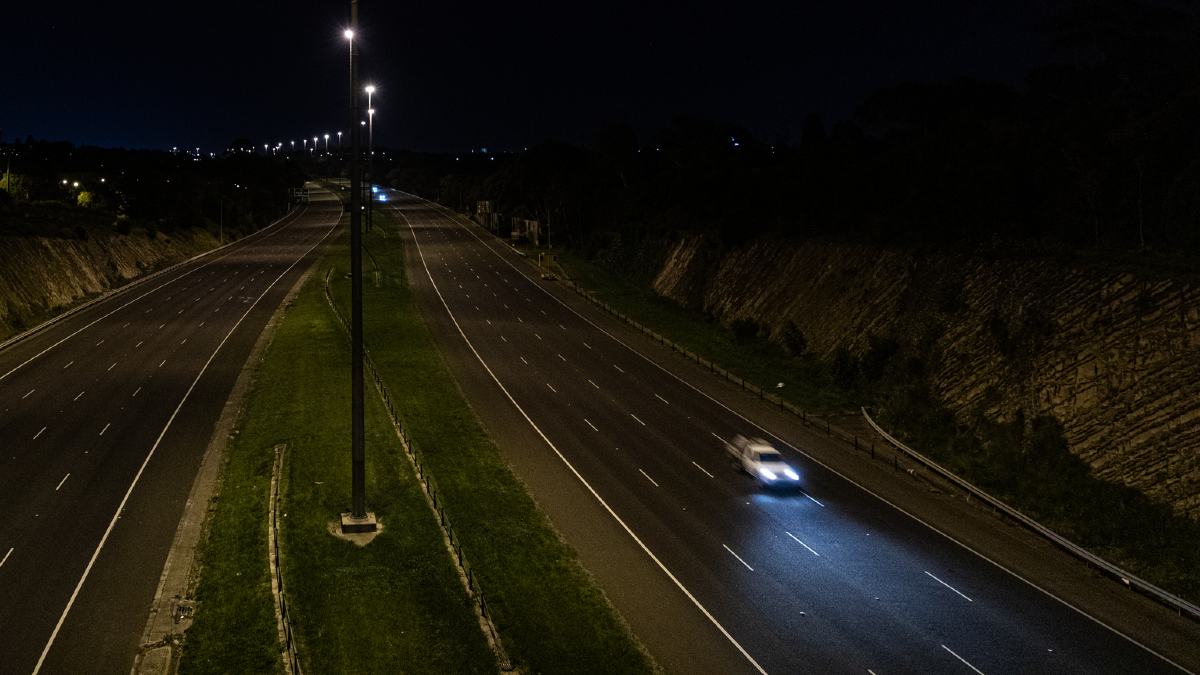
Drive according to the conditions at night and avoid driving when you're tired. Image: Getty
Tips for safe driving at night
- Avoid driving when tired
- Clean your windscreen and mirrors
- Check headlights are clean and at correct angle
- Don't look directly at oncoming headlights
- Maintain a safe following distance
- Drive according to the road conditions
- Watch out for wildlife.
Yes, Victorian motorists must tell Transport Victoria if they have trouble seeing.
The first step is to talk to your GP - they can assess the issue and submit a report for a medical review if need be. You may need to complete a vision assessment with an optometrist to confirm your ability to drive safely.
Seeing halos or glare from headlights can be a sign of an underlying eye problem. Book an eye test with an optometrist and be sure to mention that you're seeing glare or halos.
If you’re dazzled by another driver’s high beams, pull over if it’s safe to do so and wait until your vision is restored.
To help avoid being dazzled by high beams that haven’t been dimmed:
- If an oncoming vehicle has its high beams on, avoid looking directly ahead. Instead, use the lane markings on the left side of the road to guide you until the vehicle has passed.
- If a vehicle behind you has its high beams on, adjust your rear-view mirror to reduce glare.

