
Complete these home maintenance tasks to help prevent damage, avoid costly repairs and help keep your home properly covered by insurance.
Community

El Niño in Australia: what it means for weather, drought, heatwaves and bushfire risk
El Niño can influence Australia’s rainfall, temperatures, drought conditions and bushfire risk. Here’s what it means for Australian weather, including Victoria, and how households can prepare.
El Niño is a natural climate pattern that occurs when sea surface temperatures in the central and eastern tropical Pacific Ocean become warmer than average. This shift can influence weather patterns around the world, including in Australia, where its effects are most commonly felt during winter and spring.
July 2026 update: The Bureau of Meteorology has declared that the El Niño–Southern Oscillation is in an El Niño phase. The Bureau says El Niño often brings drier conditions to central and eastern Australia in winter and spring, although Australia’s weather is also influenced by other climate drivers and outcomes can vary from one event to another.
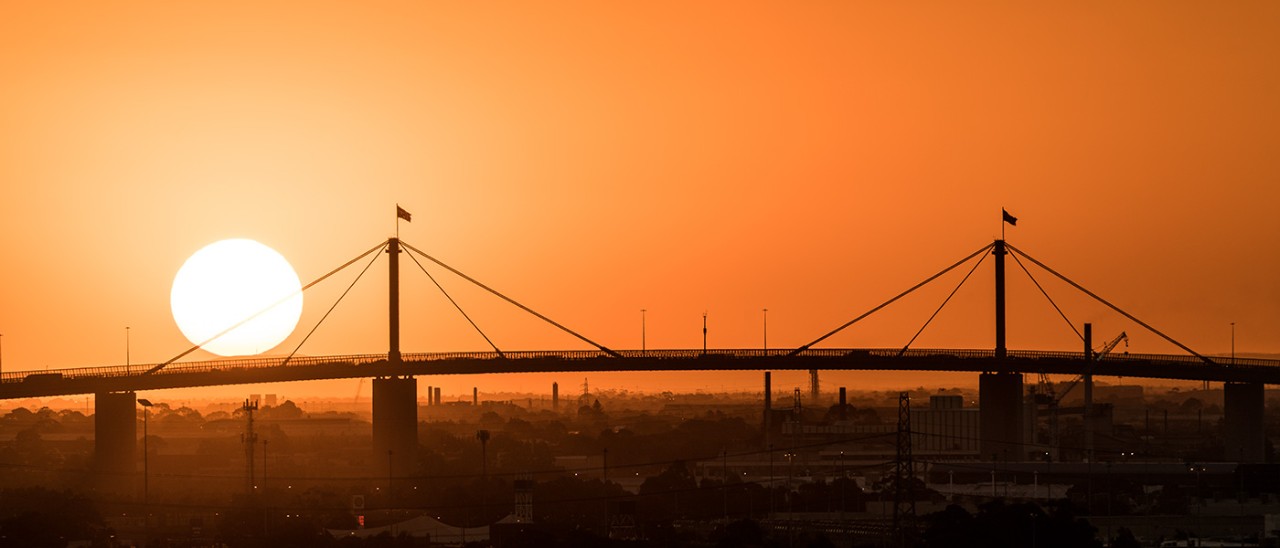
If an El Niño event develops, Victoria faces a higher risk of bushfires occurring this summer. Photo: CFA
What is El Niño?
El Niño is one phase of the El Niño–Southern Oscillation, often shortened to ENSO. ENSO is a natural cycle involving changes in sea surface temperatures, winds and cloud patterns across the tropical Pacific Ocean.
During El Niño, warmer-than-usual water develops in parts of the central and eastern tropical Pacific. Trade winds can weaken, which changes where cloud and rainfall form across the Pacific region. For Australia, this can reduce the amount of moisture moving towards the continent, especially during winter and spring.
Is Australia in El Niño now?
The Bureau of Meteorology has said ENSO is now in an El Niño phase. Its long-range outlook for July to September 2026 shows rainfall is likely to be below average across parts of southern and eastern Australia, while temperatures are likely to be above average across most areas, except parts of the north.
The bureau says this does not mean every location will be dry, or that individual heavy rain events cannot occur. El Niño is a climate driver, not a day-to-day weather forecast. Seasonal outlooks should be checked regularly because Australia’s weather is also shaped by other factors, including regional sea surface temperatures, the Indian Ocean Dipole and longer-term climate trends.
More: Essential items for your home emergency kit
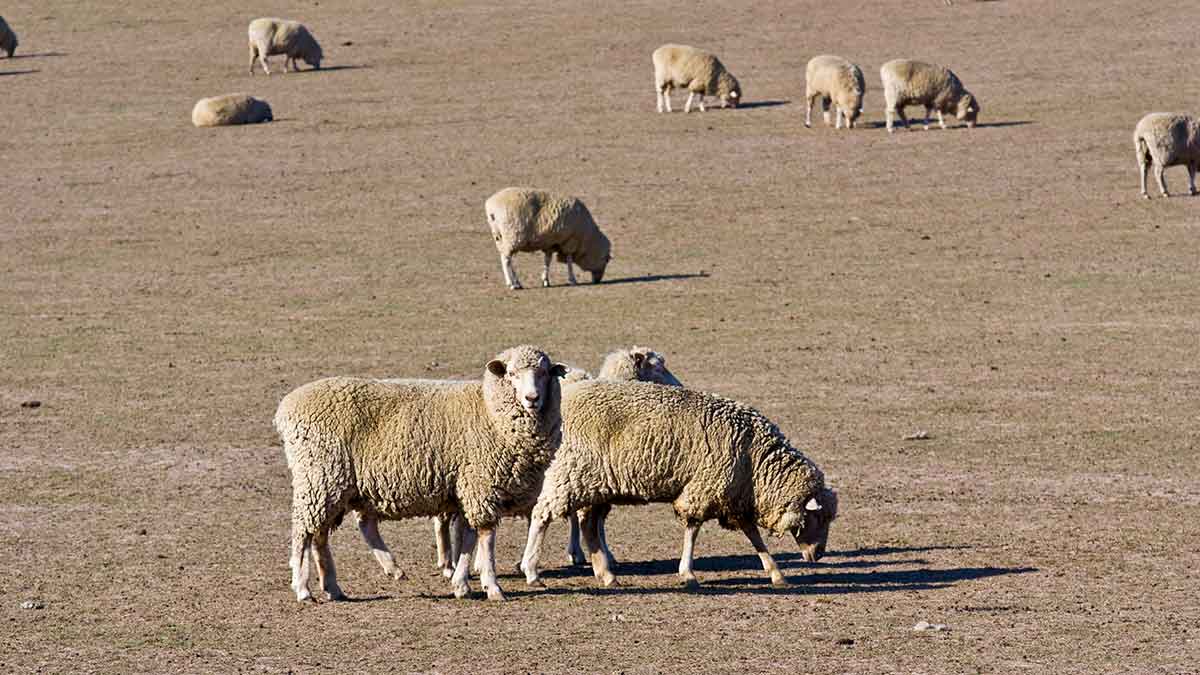
El Niño is often associated with drier-than-average conditions in Victoria. Photo: Getty
How does El Niño affect Australia’s weather?
Every El Niño is different, according to the Bureau of Meteorology, but past events have often coincided with several weather patterns in Australia.
- Less winter and spring rainfall: El Niño is often associated with drier-than-average conditions, especially across eastern Australia and parts of southern Australia.
- Hotter daytime temperatures: Clearer skies and drier conditions can increase the chance of warmer-than-average days.
- Higher frost risk: Fewer clouds can allow heat to escape overnight, increasing the chance of colder minimum temperatures and frost in some areas.
- Greater fire weather risk: If drier conditions persist, vegetation can dry out and contribute to a higher risk of dangerous bushfire conditions.
- More pressure on water and agriculture: Lower rainfall over time can affect soil moisture, water storages, crops and pasture growth.
What does El Niño mean for Victoria?
For Victoria, El Niño can increase the chance of drier and warmer conditions during winter and spring. This may affect gardens, farms, water use and bushfire preparation, particularly if dry conditions continue into summer.
Victorians should still be prepared for variable weather. Heavy rain, storms and cold fronts can still occur during El Niño years, even when seasonal rainfall is below average overall. The best guide for local conditions is the latest forecast and official warnings.
More: Australia's fire danger ratings explained
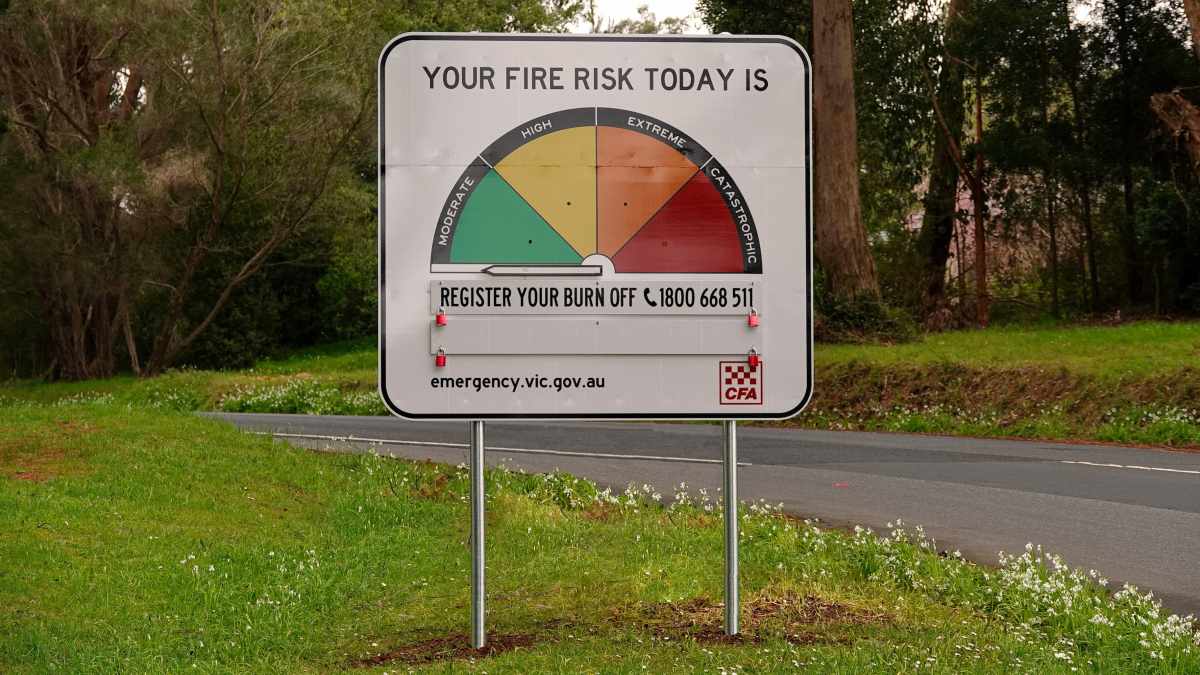
If you live in or visit bushfire-prone areas, make sure you understand the updated Fire Danger Rating System. Photo: CFA.
Does El Niño cause drought?
El Niño can increase the chance of drier conditions, but it does not automatically cause drought. Drought usually develops over a longer period when rainfall deficiencies combine with factors such as high temperatures, evaporation, soil moisture, water demand and water storage levels.
The strength of an El Niño event also does not always match the severity of its impact in Australia. A strong El Niño does not necessarily equate to record drought, while a weaker event can still have serious local impacts if other climate drivers reinforce dry conditions.
Does El Niño increase bushfire risk?
El Niño can contribute to conditions that increase bushfire risk, particularly if rainfall is below average and vegetation dries out. Hotter days, dry fuels and strong winds can all contribute to dangerous fire weather.
However, bushfire risk depends on more than El Niño alone. Recent rainfall, fuel loads, local vegetation, temperature, wind and emergency warnings all matter. People living near bushland, grassland or coastal scrub should review their fire plan before summer and follow advice from emergency services, including the Country Fire Authority.
More: What are grassfires and how do they behave?
How can households prepare for El Niño conditions?
El Niño does not guarantee extreme weather, but it is a useful reminder to prepare for hotter, drier and more variable conditions.
- Prepare for heatwaves: Check cooling systems, shade windows where possible and make a plan for vulnerable family members, neighbours and pets.
- Review your bushfire plan: Clear gutters, trim vegetation where safe to do so and know where you will go if you need to leave early.
- Maintain your car: Hot weather can place extra strain on tyres, batteries, coolant systems and air conditioning.
- Use water wisely: Consider garden watering, mulching and household water-saving habits before restrictions are needed.
- Stay weather aware: Check official forecasts, Fire Danger Ratings and emergency warnings, especially before travelling.
More: How to protect your family and property this bushfire season
The information provided is general advice only. Before making any decisions please consider your own circumstances and the Product Disclosure Statement and Target Market Determinations. For copies, visit racv.com.au. As distributor, RACV Insurance Services Pty Ltd AFS Licence No. 230039 receives commission for each policy sold or renewed. Products issued by Insurance Manufacturers of Australia Pty Ltd ABN 93 004 208 084 AFS Licence No. 227678.

