
Learn what a standard property inspection doesn't cover, common buyer misconceptions, and when specialist inspections may be needed before buying a home.
First Home Buyer

10 essential questions every first home buyer should ask
Buying your first home? From budgets to inspections, these 10 key questions will help you make smarter, more confident property decisions.
If you're aiming to become a homeowner - whether you're considering a townhouse, duplex, apartment or detached home - then there are a few crucial questions to ask yourself before putting in an offer.
This article explores the key questions first‑home buyers should ask when entering the property market - from setting a realistic budget to understanding the role of a conveyancer and the importance of arranging a building and pest inspection.
More: Issues with new housing builds
Top questions for first home buyers
- How much can I spend?
- What grants are available to first-home buyers?
- What other costs do I need to budget for?
- Where do I want to live?
- Why is the vendor selling?
- Do I need a building and pest inspection?
- Does the property have planning restrictions?
- What is a Section 32 and do I need to read it?
- Do I need a buyer's advocate?
- Are pre-auction offers a good idea?
In addition the price of the home itself, your budget should also account for costs such as stamp duty, removalist fees, building and pest inspections, conveyancing and more.
How much can I afford to spend on my first home?
If you're taking out a home loan to buy your first house, your budget will ultimately depend on how much your bank or mortgage provider is willing to lend.
Lenders assess your income, savings, monthly expenses and any debts - including credit‑card limits - to determine what you can reasonably afford in mortgage repayments. Most major lenders also offer online home‑loan calculators to help you get a general idea of your borrowing capacity.
Using a mortgage broker can help you determine your buying power, compare competitive loan options, and recommend changes that could strengthen your home‑loan application – or even help you qualify for a higher loan amount.
How big should my deposit be?
The Victorian Government recommends a deposit of 20 per cent or more of the purchase price is ideal. This is because it generally removes the need to pay for lender’s mortgage insurance (LMI), which is an additional cost added to your loan amount.
The higher your deposit, the higher your loan-to-value ratio (LVR) and consquently the smaller your repayments typically will be.
Keep in mind that established homes bought at auction usually require a minimum 10 per cent deposit.
Can I buy a house with a deposit smaller than 20 per cent?
Yes, you can buy a house in Australia with less than 20 per cent as a deposit. However, this may mean you have to pay for LMI.
Eligible first-home buyers can access state and federal government schemes that allow them to access mortgages with as little as a 5 per cent deposit, while also not having to pay for LMI.
What government grants and schemes are available for first-home buyers in 2026?
First-home buyers in Victoria can access the following grants and subsidies, provided they meet the eligibility criteria.
- First Home Owners Grant
- Stamp duty concessions
- Victorian Homebuyer Fund
- Australian Government 5% Deposit Scheme
- First Home Super Saver Scheme
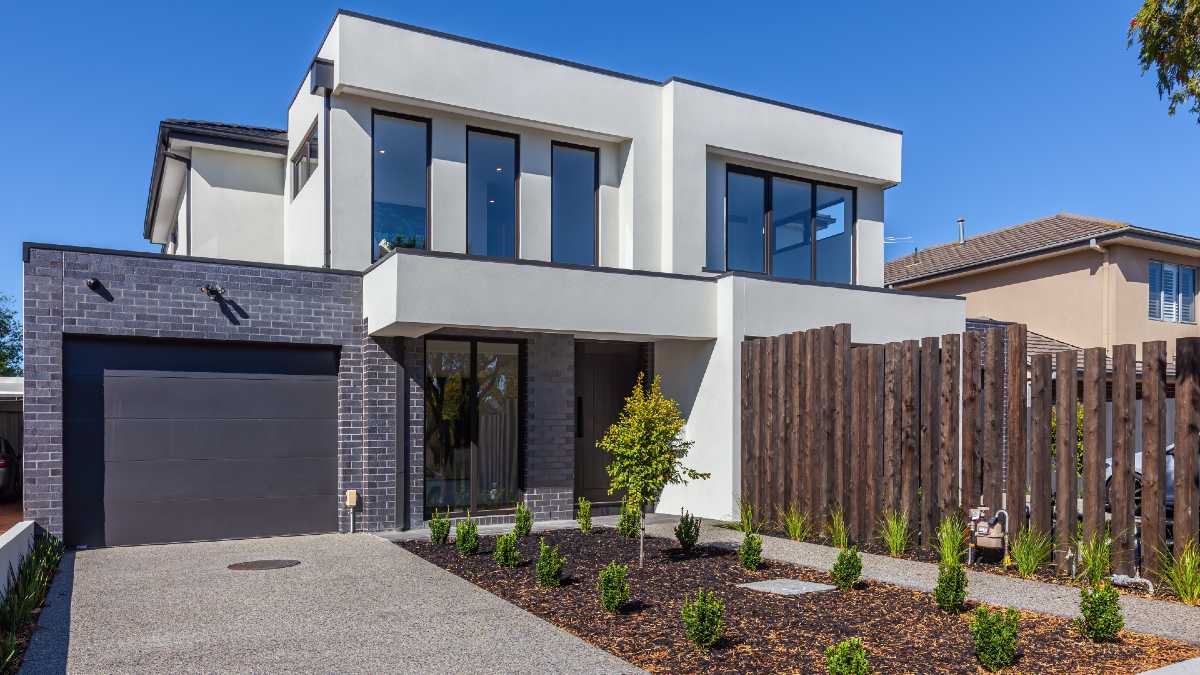
Considering a duplex or townhouse can be an option if your budget doesn't stretch to a detached house in the suburb of your choice. Image: Getty
What are the other costs involved with buying a house in Australia?
Upfront costs
- Conveyancer
- Stamp duty (conditional)
- Home loan application fees (conditional).
For convenience and surety, most home buyers engage a conveyancer. A conveyancer's job is to handle the sale of property, including the settlement. Some conveyancers are also lawyers but not all.
Other upfront costs include stamp duty, though first-home buyers can have this reduced or removed entirely if they meet certain criteria.
Some home loans also come with an application or establishment fee.
Optional upfront costs
- Building and pest inspections
- Buyer’s agent fees
- Removalist fees
- Renovations (where required to make the home inhabitable).
Ongoing costs
- Mortgage repayments
- Council rates
- Utility bills
- Strata fees (where applicable)
- Building and contents insurance (many lenders require proof of buildings insurance as part of the loan terms)
- Maintenance costs
Depending on the terms of your home loan, you may also need to pay an annual fee (sometimes called a package fee) to your mortgage provider in addition to your regular mortgage repayments.
Where do I want to live?
Where you decide to live is one of the most important questions to ask yourself when buying your first property, as the implications of your choice can impact you and your family for years to come.
When deciding where you want to live consider the following:
- The suburb and surrounding suburbs
- The type of house
- Access to amenities - schools, shops, childcare, public transport, parks etc
- Any known works or upgrades occurring in the area (e.g. major infrastructure projects).
It can be helpful to start by researching the suburbs you'd like to live in, then look at the type of houses you can afford in that area. Depending on your budget, you may need to consider a smaller house (or opt for a unit, townhouse or apartment), and/or adjacent suburbs.
Related reading: What to check when buying an apartment.
Moving slightly further away from amenities like train stations can also reduce price ranges, but you'll need to weigh up whether proximity to these amenities or a certain house size/type is more important to you. Keep in mind that access to amenities can improve a property's resale value in the future too.
Alternatively some first-home buyers get a foothold on the property ladder through rent-vesting, where you live in a rental property in your preferred neighbourhood and invest in a property to rent out in a less-expensive suburb or regional centre.
Keep in mind that you may not be eligible for some first-home buyer grants if you buy a property for investment purposes, and you will have added costs such as:
- leasing agent fees
- renovations to bring the property up to the Victorian minimum rental standards
- ongoing maintenance costs and requests.
Why is the house being sold?
Information is power in the property market, and knowing why the vendor is selling the home you have your eye on, and how quickly they need to sell it, could save you thousands.
If the vendor has already bought a new property, they may be anxious to sell quickly and therefore reluctant to hold out for a higher price. Similarly, if the property is part of a deceased estate or there is a divorce involved the vendor may be keen for a quick sale.
If, on the other hand, the vendor is still looking to buy a new home, they may want a longer settlement period on the sale.
Read more: Security tips for moving into a new home.
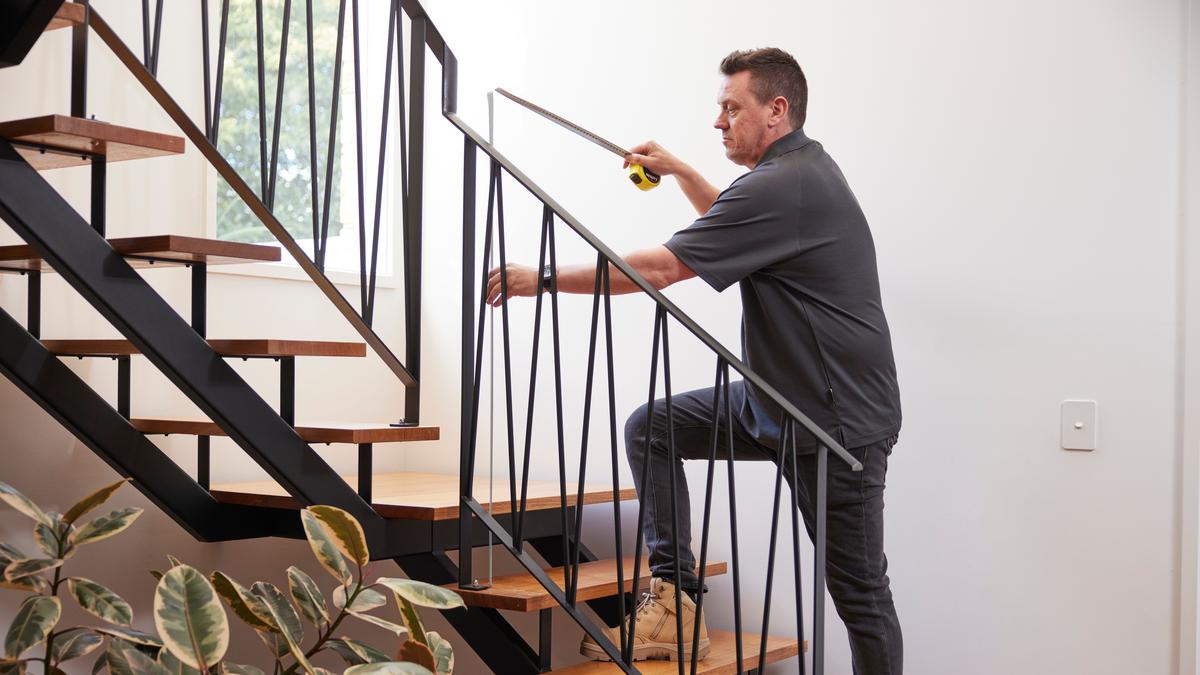
Building and pest inspections are widely recommended as a means of helping safeguard your purchase when buying a home.
Do I need to get a building and pest inspection?
Consumer Affairs Victoria recommends buyers consider a professional building and pest inspection prior to purchasing a home.
Building and pest inspections are not mandatory for buyers or sellers in Victoria. However, property inspections can help first-home buyers make an informed choice, either with the knowledge that the property is a good investment or by being aware of any defects.
Where defects are detected, a building and pest inspection report may help first-home buyers negotiate a better price with the vendors, depending on how much interest there is in the property. Many defects in homes are difficult to detect without the expertise and professional tools of a trained and licensed inspector.
RACV Members save on Rapid Building Inspections
When should I get a building and pest inspection done?
If you're buying a house through a private sale, you can make your offer subject to a building and pest inspection. Alternatively, you can arrange the inspection before submitting an offer, though this does mean you may miss out if another buyer puts their offer in first.
For properties being sold at auction, you must have the building and pest inspection carried out prior to the auction. You may also be able to purchase an inspection report that another buyer has had completed for the property, but you should confirm that the building and pest inspector they used was trustworthy and experienced.
Does the property have any planning restrictions?
Even the most perfect-looking property may be encumbered with restrictive planning rules that could impact your ability to undertake renovations and affect future resale value.
For example, heritage overlays may restrict your ability to alter the exterior of a home while an Environmental Significance Overlay may prevent you from removing vegetation or constructing a fence.
While checking planning restrictions, easements and nearby planning permit applications used to be quite time‑consuming, it’s now easy to download a Landchecker report that has all this information in one place. Get a free property report on any property in Victoria or New South Wales.
Deciding where to buy can be a deeply personal decision can be influenced by the amenities (such as schools and public transport) that you'd like to access.
What is a Section 32 and do I need to read it?
Vendors are legally obliged to disclose certain information when selling their property. This information is included in a Vendors Statement, commonly known as a Section 32 in Victoria.
Information provided in a Section 32 includes, but is not limited to:
- Title details
- Vendor details
- Any statutory warnings
- Building permits issued
- Planning information
It's important to read the Section 32 when it's provided, as well as to send a copy to your lawyer or conveyancer. They have the skills and experience to determine if there is anything within the document that warrants further investigation. This should be done before signing the contract of sale.
Do I need a buyer's advocate?
Buyer's advocates are not required in Victoria.
Some first-home buyers find them helpful in sourcing suitable properties and negotiating prices. They often have access to properties that haven't officially hit the market yet and can even act as your representative if attending an auction (meaning they'll bid on your behalf up to your agreed price limit).
Should I put an offer in before auction?
There are pros and cons to putting in an offer before an auction.
Pros
- Less stressful
- Can help you stick to budget
- Comes with a cooling-off period (so long as the offer is made more than three days before the auction).
Cons
- Offers too high may raise vendor's auction expectations
- You may end up paying more than if the property went to auction
- Erodes your negotation power if the property doesn't sell at auction.

