What extra due diligence should I do when buying an apartment in Victoria?
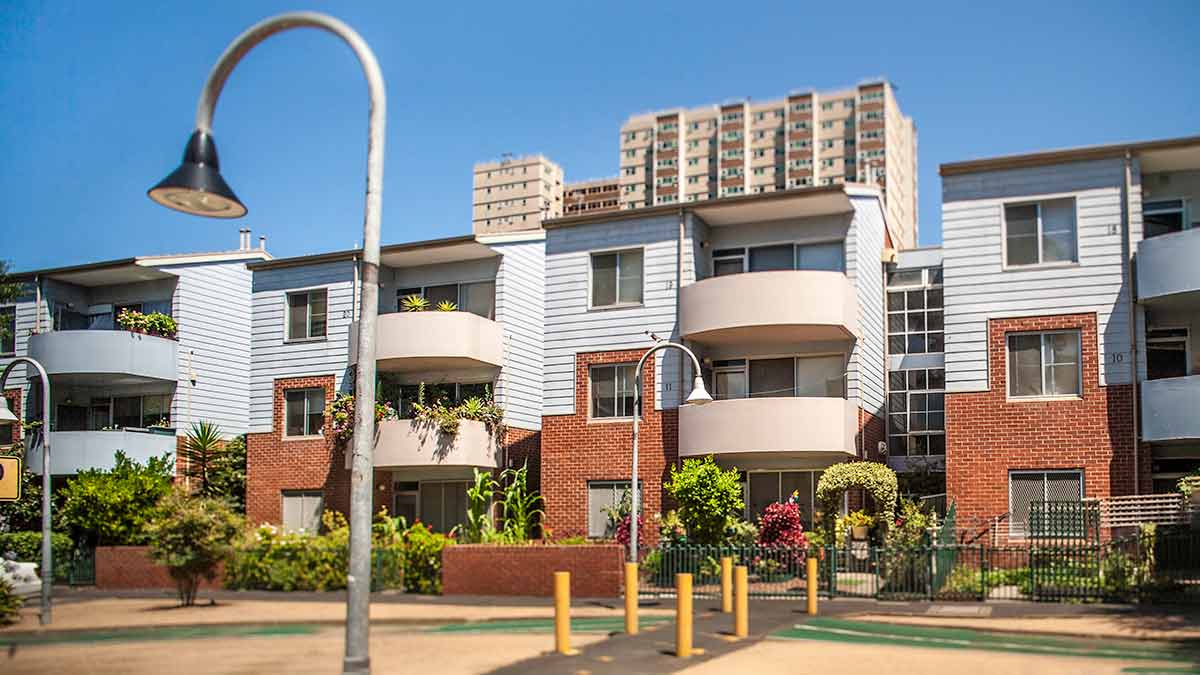
If you’re buying an apartment in Victoria, you’ll need to look beyond the unit itself and understand your obligations as part of the owners corporation. That may include shared areas such as foyers, lifts, gardens, driveways and other common facilities, as well as any annual fees, levies and building rules that come with apartment ownership.
Consumer Affairs Victoria says buyers should review the owners corporation certificate attached to the Section 32 before signing.
More: What should I check in the Section 32 and contract?
How do I know if the building is in good condition?
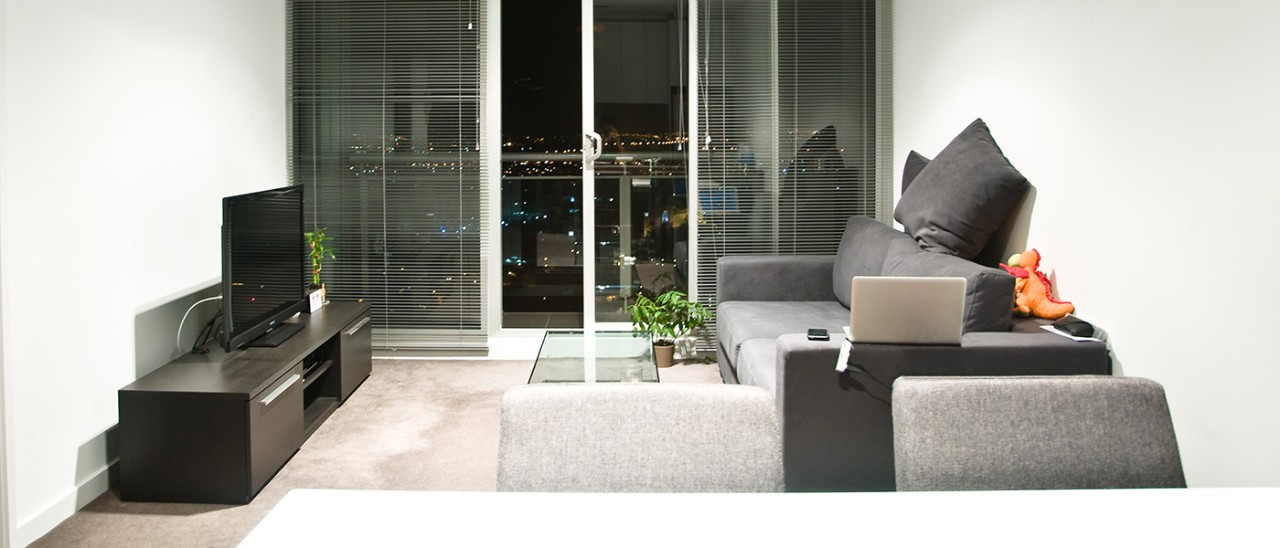
A stylish apartment can still sit within a poorly maintained building, so it’s important to inspect the broader complex as well as the unit itself.
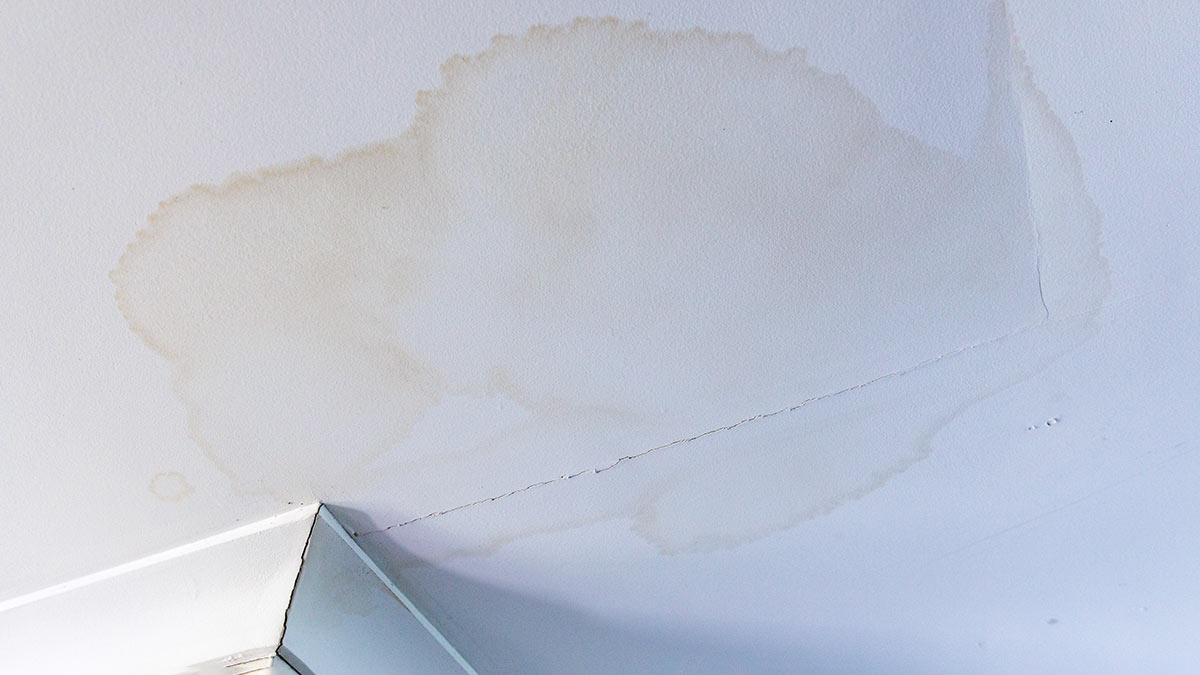
Consumer Affairs Victoria recommends making several visits to inspect a property and looking for signs of cracks, peeling paint, mould, water stains, rust, and damaged flooring. Tired or poorly maintained common areas, including corridors, foyers, lifts, garages or outdoor spaces, can point to bigger issues or future repair costs.
Consumer Affairs Victoria also recommends a professional building and pest inspection before committing to a purchase. It is important to note that professional building inspections are generally limited to the apartment itself and do not include public areas.
Ron Smulders, Lead Building Inspector at Rapid Building Inspections, says inspectors can check the apartment for safety hazards, evidence of pest infestations, signs of water leaks and any other areas of potential concern.
"It can give you greater confidence in your purchase, help you negotiate a better price, or provide the certainty to walk away if the property has issues you don’t want to deal with,” he says.
Related reading: What are the benefits of a property inspection?
What should I check about energy efficiency and appliances?
Energy efficiency can affect both the comfort and ongoing cost of owning an apartment. Before buying, check whether the apartment has good insulation, effective window coverings, double glazing or other features that help with heating and cooling. Orientation also matters: a north-facing apartment may receive better winter sun, while apartments with limited natural light or poor ventilation may be harder and more expensive to keep comfortable.
Look closely at the apartment’s fixed appliances, including heating and cooling, hot water, cooking and ventilation. Older gas or electric systems may be less efficient, more expensive to run or nearing replacement age. If the apartment has gas appliances and you would prefer to switch to electric, ask whether the building’s electrical capacity can support upgrades such as an induction cooktop, and reverse-cycle air conditioner.
In apartment buildings, some energy upgrades may need owners corporation approval or may be limited by common property, wiring, ventilation, roof space or building rules. Buyers can also ask whether the building has solar, EV charging infrastructure or plans for future efficiency upgrades. These details may not be deal-breakers, but they can influence running costs, renovation options and long-term resale appeal.
What should I check about the location and neighbourhood?
Location matters with any property, but with apartments it can have an even bigger impact on liveability and future value. A well-located apartment close to public transport, shops, schools, green space and everyday services may be more convenient to live in and easier to sell later.
You should also check whether major developments are planned nearby, as new construction can affect outlook, privacy, traffic and future demand.
Like any property, consider visiting the neighbourhood at different times of day to get a more realistic sense of traffic, noise and activity levels.