
If you purchase residential property in Victoria, or receive it as a gift, you may have to face an extra charge known as stamp duty (or land transfer duty). So, what are the rates, how is it calculated and do you qualify for any concessions or exemptions?
Apartment
Apartment inspections: what professionals find that buyers miss
Learn what a professional apartment inspection covers, what it doesn't, and why reviewing strata records can help uncover hidden risks before you buy.
Buying an apartment can be a great way to enter the property market, downsize or invest, but it's important to understand exactly what you're buying. While a freshly renovated apartment may look immaculate during an open inspection, some issues aren't immediately obvious to an untrained eye.
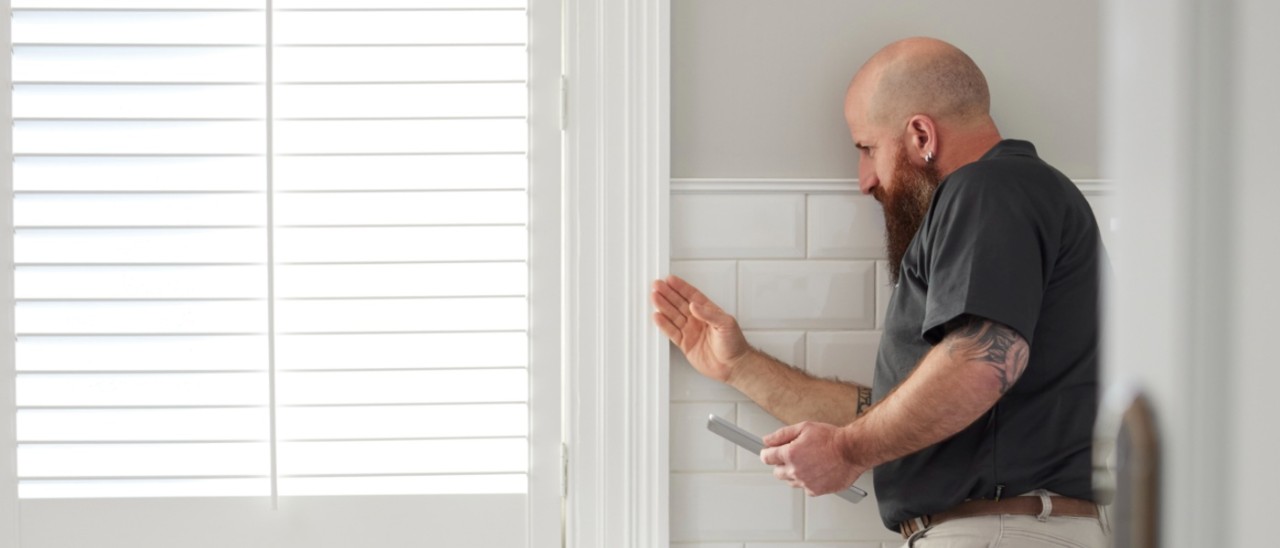
A professional apartment inspection can help identify defects within the apartment itself and may also note readily visible issues in surrounding common areas that warrant further investigation. However, an apartment inspection is only one part of the due diligence process.
Because apartment owners also share responsibility for common property, buyers should combine a building inspection with a careful review of strata or owners corporation records to better understand any potential future costs. Identifying any problems before settlement could save you thousands of dollars in unexpected repair costs or give you the chance to factor those extra costs into your budget.
Here's what professional inspectors typically look for during an apartment inspection, what falls outside the scope of a standard inspection, and why both are important when buying an apartment.
RACV Members save on fast, quality building inspections without the hefty price tag.
Why apartment inspections are different from house inspections
Apartment inspections differ from inspections of standalone houses because the building ownership is shared.
A standard pre-purchase apartment inspection generally focuses on the interior of the apartment and its immediate exterior, in accordance with Australian Standards. It does not include a comprehensive inspection of common property, neighbouring apartments, or a review of strata or owners corporation records.
While inspectors may observe obvious issues in common areas as they access the apartment, these areas are not the primary focus of the inspection. If clear evidence of a significant defect is visible, the inspector may recommend further investigation of the building or common property by an appropriate specialist.
Understanding these limitations helps buyers know what additional checks may be worthwhile before purchasing.
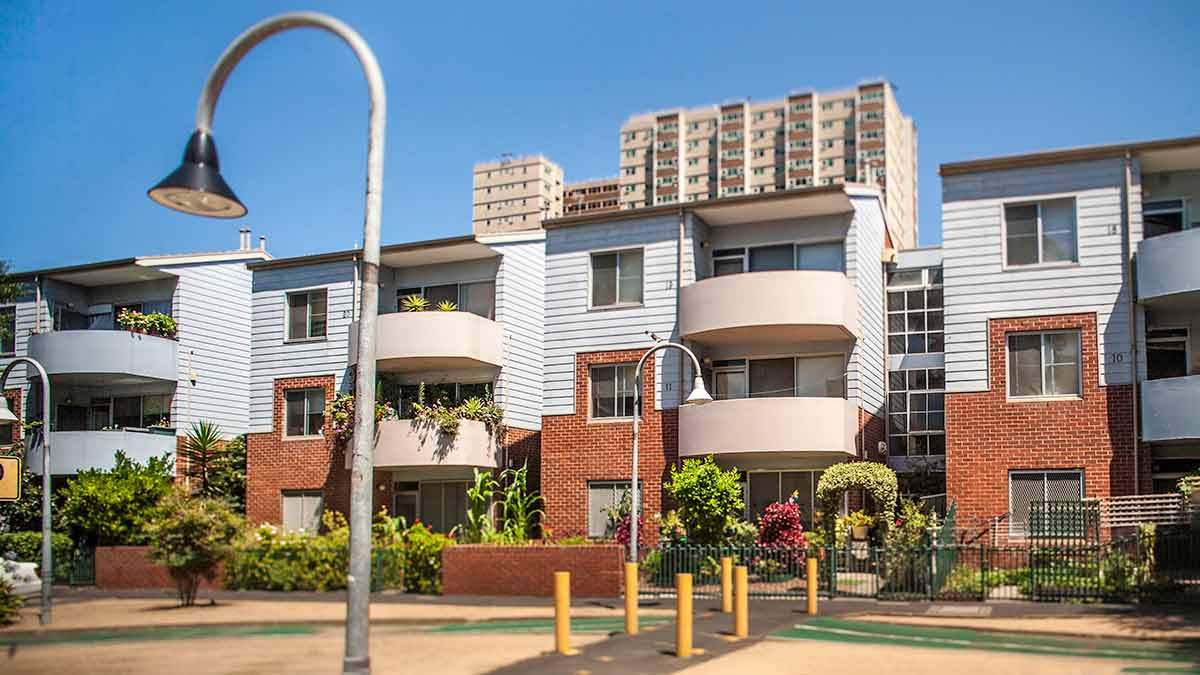
Apartment inspections aren't just about your home, but the health of the building itself too. Image: Getty
What apartment inspections may uncover
Hidden water damage and moisture problems
Water damage is one of the most common problems identified during residential building inspections.
Professional building inspectors look for visible signs of moisture issues, including:
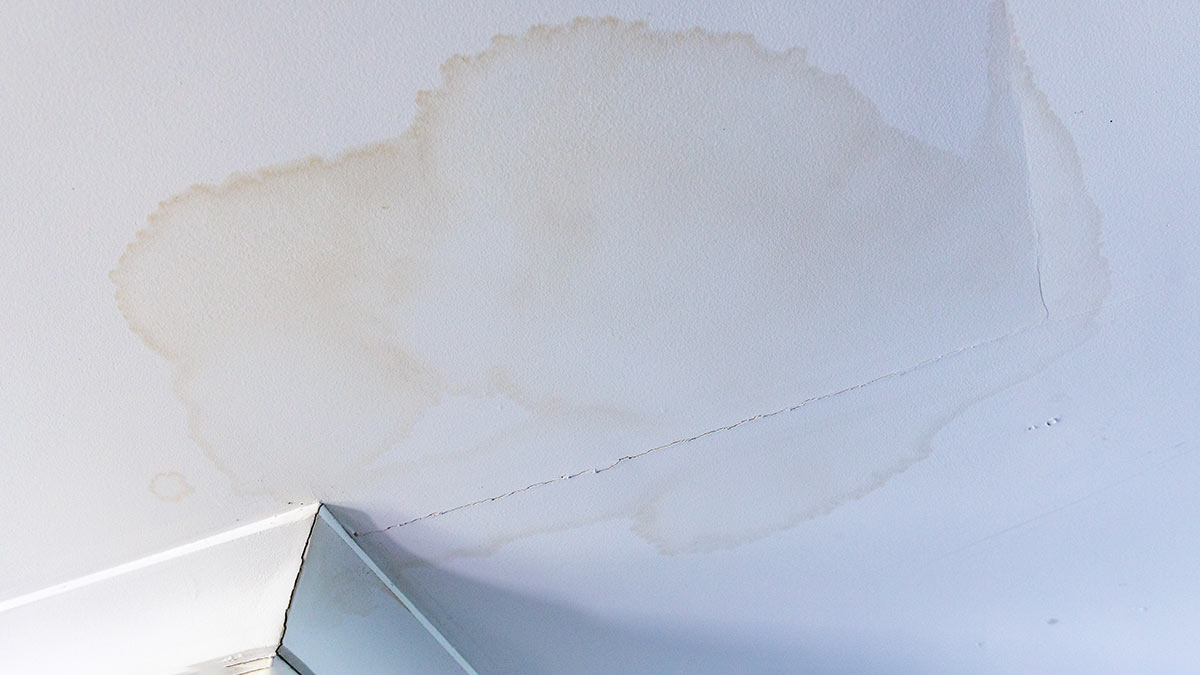
- water stains on ceilings or walls
- swollen skirting boards or flooring
- mould or mildew
- deteriorating bathroom sealants
- cracked tiles
- signs of leaking showers
- poor drainage around balconies, windows or doors.
Property inspectors may also use moisture meters to detect elevated moisture levels in accessible areas that aren't obvious during a visual inspection.
Identifying moisture issues early can help buyers understand whether further investigation or repairs may be required before settlement. Because apartment leaks can originate from neighbouring units, common property plumbing, balconies or the roof, repairs may involve multiple owners, the owners corporation and insurers, making them more complex than leaks in a standalone home.
Structural and maintenance issues within the apartment
Professional building inspectors assess the overall condition of the apartment and look for defects that could affect safety, functionality or future maintenance costs.
Depending on the property, this may include checking for:
- cracking in walls or ceilings
- uneven flooring
- doors and windows that don't open or close correctly
- damaged plaster or finishes
- deteriorating timber
- signs of movement
- poor-quality renovations or workmanship.
Not every crack indicates a structural problem, but inspectors can help distinguish between normal cosmetic movement and defects that may warrant further assessment.
Interior services and fixtures
Although inspectors can't dismantle building components or inspect concealed services, they assess the visible condition and operation of accessible fixtures within the apartment where possible.
This may include checking:
- taps and visible plumbing fixtures
- sinks and basins
- toilets
- exhaust fans
- accessible electrical fittings
- doors and windows
- kitchen and bathroom finishes.
Where visible defects or signs of deterioration are present, the inspection report may recommend repairs or further specialist assessment.
Cosmetic upgrades that hide bigger problems
Fresh paint, new flooring and modern kitchens can make an apartment appear well maintained, but cosmetic renovations don't necessarily indicate the overall condition of the property.
Professional inspectors look beyond presentation for visible signs of previous repairs, movement, moisture damage or workmanship issues that may not be immediately obvious during an open inspection.
If recent renovations have been completed, buyers may also wish to confirm whether any required approvals, compliance certificates or waterproofing documentation are available.
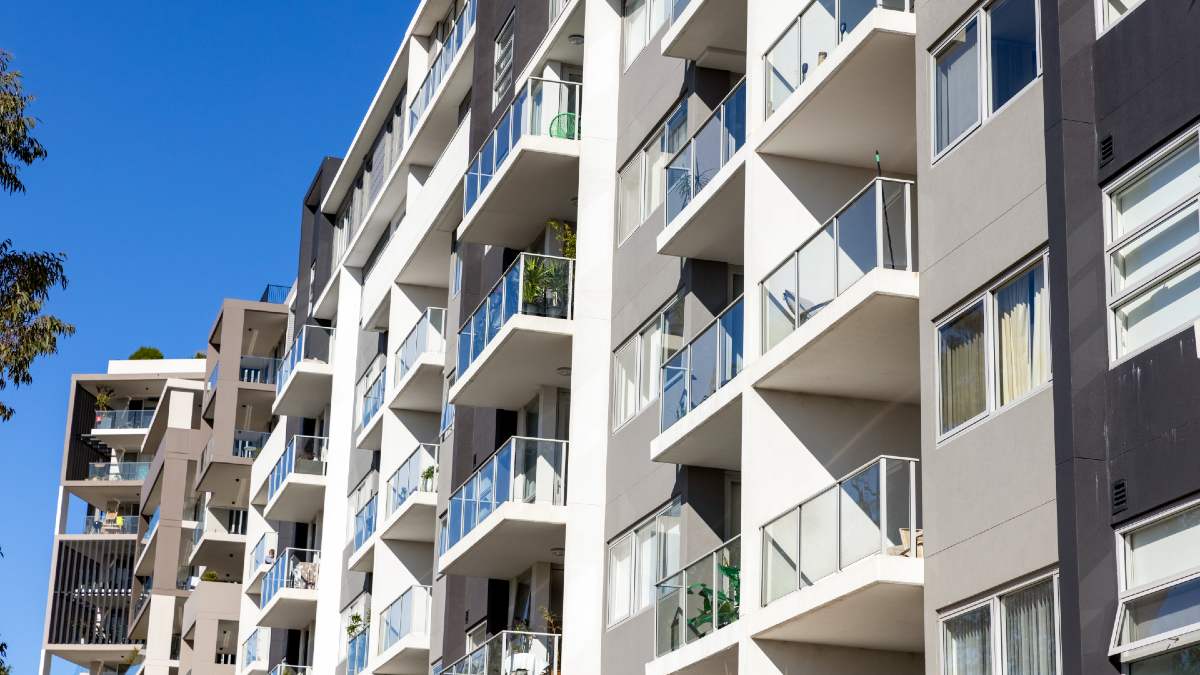
Property inspectors know that shared structures are important - not just the apartment. Image: Getty
What inspectors may notice beyond the apartment
While common property is generally outside the scope of a standard apartment inspection, inspectors may observe readily visible issues while entering or leaving the property.
These observations could include obvious signs of:
- significant cracking
- deteriorating concrete
- water staining
- damaged balconies
- movement in building elements
- other visible maintenance concerns.
If clear evidence of a major defect is apparent, the inspector may recommend that buyers obtain a more comprehensive inspection of common property or seek further expert advice.
These observations shouldn't be considered a full assessment of the building's overall condition, but can highlight areas that deserve closer investigation.
Why reviewing strata records is just as important
A building inspection tells you about the condition of the apartment itself, but it doesn't provide information about the financial or maintenance position of the owners corporation. Before purchasing an apartment, it's worth reviewing available strata records and documentation to identify potential future costs or known building issues.
Look for information about:
- special levies
- planned capital works
- maintenance fund balances
- administrative fund balances
- engineering or defect reports
- insurance claims
- waterproofing issues
- ongoing legal disputes
- minutes from recent owners corporation meetings.
These documents can reveal whether expensive repairs are already planned or whether building defects have previously been identified.
For example, a beautifully renovated apartment could still be part of a building facing millions of dollars in rectification works for waterproofing, combustible cladding or structural repairs. These costs may eventually be shared among apartment owners through special levies.
Apartment leaks can originate from neighbouring units, common property plumbing, balconies or the roof. Image: Getty
Building-wide issues buyers should investigate
Some defects affect an entire apartment building rather than an individual apartment. Although these issues may not be apparent during an inspection of a single residence, they can still result in significant costs for owners.
Where an inspector observes clear evidence of a significant defect while inspecting the apartment or its immediate surroundings, they may recommend further investigation.
Buyers should also review strata records to determine whether issues such as waterproofing failures, concrete deterioration, cladding remediation or major capital works have already been identified.
Waterproofing failures
Leaks around balconies, rooftops or common areas can eventually affect multiple apartments and require significant remediation works.
Concrete deterioration
Concrete cancer occurs when steel reinforcement corrodes inside concrete, causing cracking and spalling. Repairs can be expensive and often involve common property.
External cladding remediation
Some apartment buildings have required rectification works to address combustible or non-compliant cladding. Understanding whether remediation has already been completed can help buyers avoid unexpected costs.
Major building infrastructure
Lifts, shared plumbing, basement ventilation systems and other common building infrastructure eventually require repair or replacement. Planned upgrades may be reflected in owners corporation records or long-term maintenance plans.
Having your potential property inspected can help you make a more informed decision. Image: Getty
Understand what an apartment inspection doesn't cover
A professional apartment inspection is an important step when buying property, but it's only one part of a thorough purchasing decision.
A standard apartment inspection has defined limits under Australian Standards. It does not provide a comprehensive assessment of the entire building, neighbouring apartments or owners corporation records.
Because apartment owners share responsibility for maintaining common property, buyers should consider reviewing strata documentation and obtaining further specialist advice where recommended. Taking these additional steps can help uncover risks that may not be identified during an inspection of an individual apartment.
Questions buyers should ask before purchasing an apartment
Along with arranging a professional building inspection, consider asking:
- Has the building experienced recent water leaks or major defects?
- Are any special levies planned?
- Are significant capital works scheduled?
- Have waterproofing or cladding issues been identified?
- What is the financial position of the owners corporation?
- Are there engineering or defect reports available?
- Have there been recurring maintenance issues?
- What major repairs have been completed in recent years?
The answers may help you better understand the long-term costs of owning the apartment.
More: Downsizing to an apartment - what you need to know
Why you should have your apartment inspected
A professional apartment inspection can provide valuable insights into the condition of the apartment you're buying. Combined with a review of strata records, it can help buyers identify visible warning signs, understand potential future costs and make a more informed decision before settlement.
The RACV + Rapid Building Inspections offer is redeemable for pest, building, or combined inspections. The offer is redeemable once per inspection service and cannot be combined with any other discount. Offer cannot be transferred or redeemed on behalf of any other person. Available to current RACV Members.
RACV Trades is a trading name of RACV's trade partner, Club Home Response Pty Ltd (Victorian registered domestic building practitioner number CDB-U 100178). All works are performed or arranged by Club Home Response Pty Ltd. trading as RACV Trades. See RACV Trades terms and conditions.

