
Securing your home is a top priority, and one of the most vulnerable entry points for burglars is often overlooked: the windows.
Renovating
How do double-glazed windows work? Are they right for your home?
Wondering if double-glazed windows are worth the investment? Here's how they work, the benefits for Australian homes, and what to consider before you buy.
Energy efficiency and comfort are top priorities for Australian homeowners, and one effective way to achieve both is through double-glazed windows. The Victorian Government reports that double-glazed windows retain up to 30 per cent more heat and conditioned air than single-glazed windows.
Here's what you need to know about double-glazed windows, whether you're building a new home, renovating, or simply trying to keep the heating bill under control.
What are double-glazed windows?
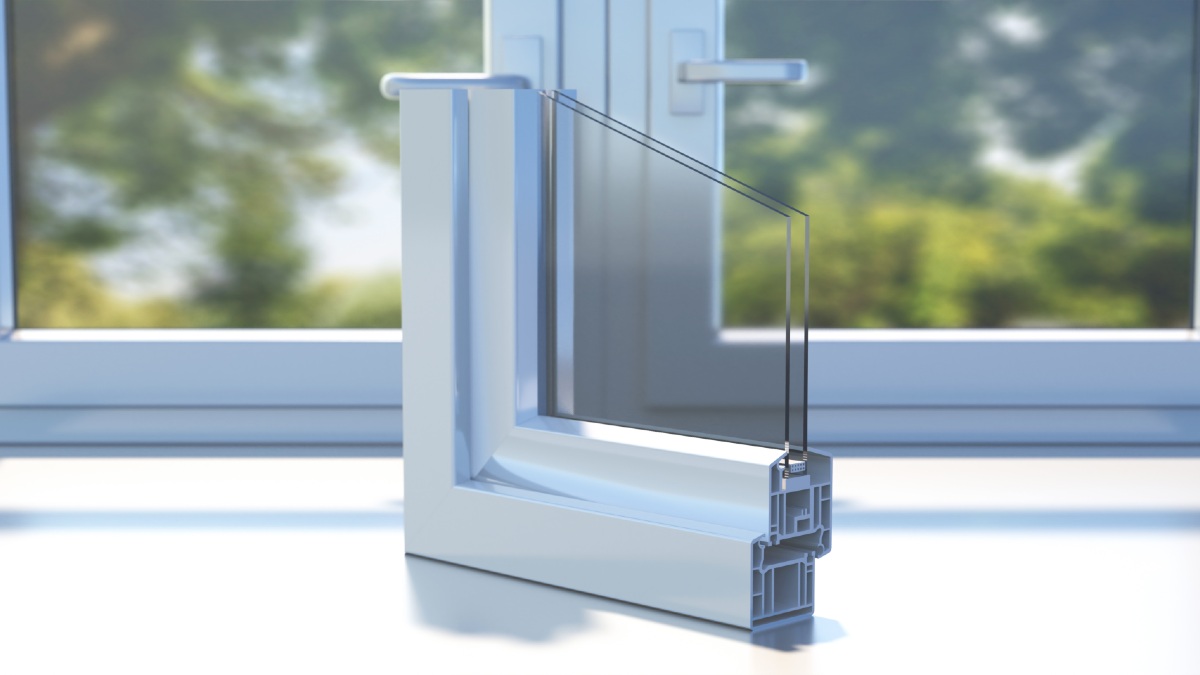
Double-glazed windows - sometimes called double-pane or insulated glass units (IGUs) - consist of two panes of glass separated by a small gap, typically between 6mm and 20mm wide. That gap is either filled with an inert gas such as argon, xenon or krypton, or simply sealed with dry air. A spacer, usually made of aluminium or a similar material, holds the panes at a fixed distance apart. The entire unit is then hermetically sealed to prevent moisture getting in.
This construction might sound straightforward, but the science behind it makes a significant difference to your home's comfort and energy efficiency.
How do double-glazed windows work?
The key principle behind double glazing is thermal resistance; that is, slowing down the transfer of heat between inside and outside your home.
A single pane of glass is a poor insulator. Heat moves through it quickly, which means warmth escapes in winter and heat pours in during summer. Double-glazed windows interrupt this process in several ways:
- The air or gas gap acts as insulation - air is a poor conductor of heat, so the gap between the two panes creates a thermal barrier. Inert gas, which is denser than air, performs even better at reducing heat transfer.
- The sealed unit reduces condensation - because the inside surface of the glass stays closer to room temperature, you're far less likely to see condensation forming on your windows: a common problem with single glazing that can lead to mould and water damage around frames.
- Many double-glazed units are also fitted with a low-emissivity (low-E) coating - this microscopically thin metallic layer applied to the glass. This coating reflects infrared heat back into the room in winter, and blocks solar heat from entering in summer, without significantly reducing natural light.
Are triple-glazed windows any better?
Triple glazing is the use of three panes of glass rather than two for even greater energy efficiency and comfort, but the cost is much higher. Triple glazing is also thicker and heavier than double glazing, which means the window frames must be able to bear the extra weight.
While triple glazing is widely used in Northern Europe, double glazing is the typical choice in Australia.
Double-glazed windows have two panes of glass that are separated and filled with gas. Image: Getty
The benefits of double-glazed windows for Australian homes
Australia's climate varies enormously from Melbourne's cold, damp winters to Queensland's humid summers, and everything in between. Double-glazed windows offer advantages across these varied conditions.
Better energy efficiency
Heating and cooling typically accounts for 40 per cent of a household's energy use, according to the Australian Government website Your Home. By reducing heat loss in winter and heat gain in summer, double glazing eases the load on your heating and cooling systems, which can translate to lower energy bills over time.
Noise reduction
The gap between double-glazed windows' panes helps dampen external noise: particularly useful if you live near a busy road, train line, or flight path.
The gap between the panes disrupts the path of the sound waves so they are absorbed and reflected, creating an effective sound barrier. For the best acoustic performance, look for units with panes of different thicknesses, which disrupts a broader range of sound frequencies.
Reduced condensation and mould risk
Excessive window condensation is common in winter. It occurs when warm, moist air inside the home comes into contact with the cold pane of glass, causing the moisture to condense into water droplets. Over time, this condensation has the potential to damage the windowsills.
Double glazing reduces the likelihood of condensation occuring because the interior pane of glass stays closer to the temperature inside the home.
Reduced condensation also helps prevent the growth of mould, which can be detrimental to both health and the integrity of window frames and surrounding walls. Consequently, double glazing contributes to a more comfortable living environment.
Additional security measure
The added strength of double-glazed windows makes it more difficult for burglars to gain entry. Breaking through two panes of glass requires more time, effort and noise, which acts as a major deterrent for opportunistic thieves.
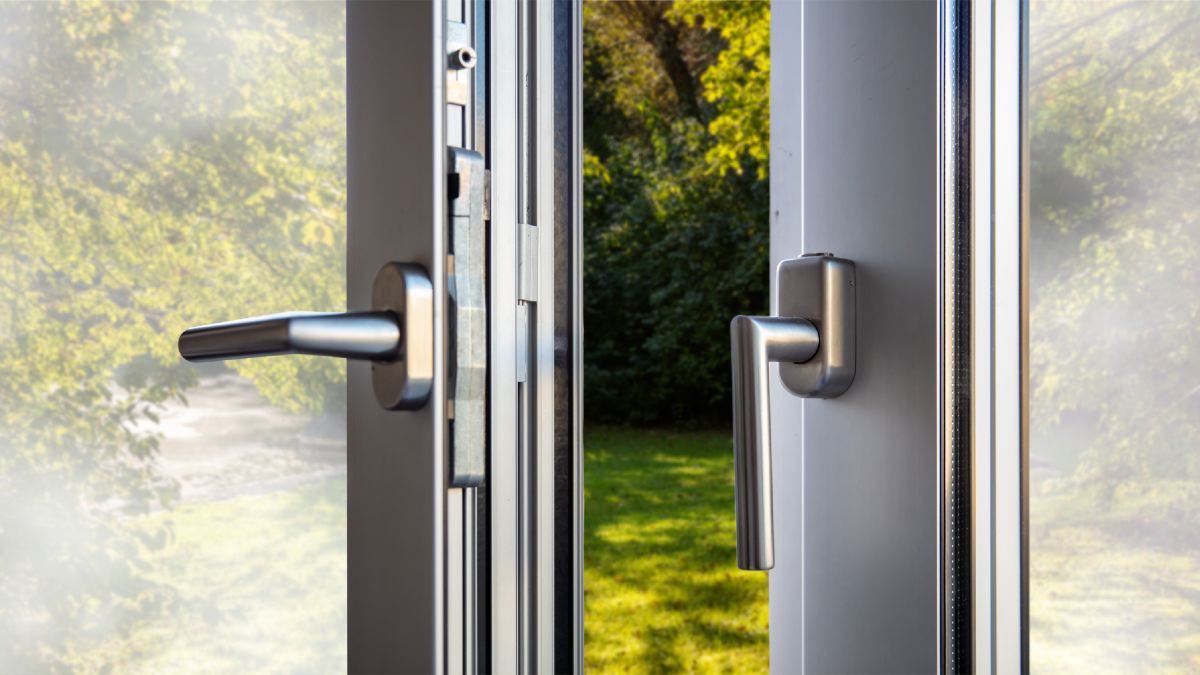
Many double-glazed windows also come with advanced locking mechanisms that are more secure than older systems. These locks often feature multi-point locking systems that secure the window at various points around the frame, further enhancing their resistance to forced entry.
The presence of double glazing can also support the overall structural integrity of the window frame, making it less likely to be pried open or tampered with. In some designs, the glass panes are even laminated or toughened, providing an extra level of security by making the glass even harder to break.
More: What burglars want to steal most from you
Potential increase in property value
Installing double-glazed windows may increase the value of your property. Energy-efficient features are increasingly valued by homebuyers, and double glazing is often cited as a worthwhile improvement when it comes time to sell.
More: Home improvements that add value to your home - and those that don't
Many double-glazed windows come with advanced locking mechanisms. Image: Getty
Are double-glazed windows right for your home?
Double glazing delivers the most benefit in climates with significant temperature variation, like Victoria, South Australia, Tasmania, and elevated parts of New South Wales.
Consider upfront costs vs. savings
Double-glazed windows typically cost around two to three times as much as comparable single-glazed options. The payback period through energy savings can differ depending on your climate, existing setup, and how much of the home you're retrofitting.
If you're building new or replacing windows anyway, you may have accounted for the cost difference.
Even though double-glazed windows can be costly upfront, the long-term benefits can make it worthwhile. Double glazing improves energy efficiency and reduces condensation, contributing to savings and benefits over time.
Select your preferred double-glazed windows
Assess the type and quality of the double-glazed windows you need. Look for features like energy efficiency ratings, noise reduction capabilities, and security enhancements.
Consider the type of gas used between the panes; argon, for example, offers better insulation than dehydrated air. The quality of the window frame is also crucial: materials like uPVC, wood, or aluminium each have their benefits and drawbacks.
It's essential to measure your windows accurately; a professional tradie can assist with this part of the process.
Choose a reputable installer
The quality of the installation matters just as much as the quality of the product. Look for installers who are licensed, experienced, and can provide a clear warranty on both the product and the workmanship.
Be mindful of any local building regulations or planning permissions that may apply to your property before proceeding with the installation.
Minimal maintenance
Double-glazed windows require minimal maintenance. Periodically check for condensation between the panes, which can indicate a broken seal that leads to reduced efficiency. This will need professional attention to fix.
Check for rebates
Some state governments and energy providers offer rebates or incentives for energy-efficient home improvements. It's worth checking what's currently available in your state before making a decision.
In Victoria, households and most businesses with single-glazed windows can receive discounts for eligible window upgrades under the Victorian Energy Upgrades program.
RACV Trades is a trading name of RACV's trade partner, Club Home Response Pty Ltd (Victorian registered domestic building practitioner number CDB-U 100178). All works are performed or arranged by Club Home Response Pty Ltd. trading as RACV Trades. Read the RACV Trades Terms and Conditions.

