
For new builds or renovations, an all-electric approach can help households save on energy bills and create a more comfortable and sustainable home. Here’s a guide to going all-electric.
Energy Efficiency

Eight home improvements that will save you money on household bills
Discover eight home improvements that can help reduce energy and water bills, improve efficiency and save money over the long term.
Making strategic improvements to your home can do more than increase comfort and boost property value – it can also help reduce ongoing household costs. From lowering energy bills to cutting water usage and preventing expensive repairs, the right upgrades can deliver savings year after year.
Whether you're upgrading or renovating, it’s also worth considering practical support such as emergency home assist services, which can help with urgent plumbing, electrical or locksmith issues when unexpected problems arise.
8 home renovation ideas that can save you money
1. Improve your home's insulation
One of the most effective ways to reduce heating and cooling costs is by improving insulation. A well-insulated home stays warmer in winter and cooler in summer, reducing the need for artificial heating and air conditioning.
But RACV Trades Training Manager Andy Anderson says that many homes in Victoria have outdated or missing insulation. Depending on the age of your property, you may benefit from upgrading ceiling, wall or underfloor insulation.
"The roof is the easiest and most effective area to improve insulation," Anderson says. "If a home doesn't have insulation in the roof, it's usually fairly quick and cost-effective to have some installed. Sarking - a pliable membrane that sits under your roof tiles or tin - also helps insulation work more efficiently, and can protect your home from rain, dust, condensation and bushfire ember attack."
If you're planning to replace weatherboards or replaster internal walls, Anderson says this is the ideal time to upgrade your wall insulation, too.
"Always look for products with the highest R-value you can afford, and that will fit within your existing structures," he advises. "The higher the R-value, the better the thermal performance."
For homes built on stumps, Anderson says insulating the floors can also help to reduce heat loss and gain.
"Under-floor insulation is usually fairly easy to install but, if you're on a tight budget, it doesn't provide the same benefits as insulating the roof. For older homes, it's also worth sealing the gaps between floorboards or boarding up an unused fireplace."
By reducing heat loss in winter and heat gain in summer, quality insulation can help lower energy bills while improving indoor comfort throughout the year.
Many period or character home still feature original windows, which are often very thin. Image: Getty
2. Upgrade to energy-efficient windows
Windows are another common source of unwanted heat loss and heat gain.
"Glass is a very good heat conductor, so windows can become a huge source of heat transfer in a home," Anderson says.
Replacing older single-glazed windows with double glazed windows can significantly improve your home's thermal performance (and even reduce noise).
"Double glazing refers to windows with two panes of glass with a vacuumed air gap between them," Anderson explains. "Air isn't a very good heat conductor, so the trapped air becomes a barrier between the cold air on one side of the glass and hot air on the other side."
If replacing windows isn't practical, there are more affordable alternatives such as:
- sealing gaps around window frames
- applying window films to reduce heat transfer
- installing secondary glazing (an extra pane of glass or clear acrylic retrofitted to existing single-glazed windows)
- building eaves or external awnings over windows (an effective way of shielding your home from heat in summer while allowing indirect light into your home in winter)
- adding thermal curtains or blinds.
These improvements help your heating and cooling systems work more efficiently, potentially reducing electricity costs.
More: How do double-glazed windows work? Are they right for your home?
3. Install rooftop solar panels
Solar panels remain one of the most popular home upgrades for reducing electricity bills. By generating your own renewable electricity, you can reduce your reliance on the grid during the day and help reduce energy costs.
The savings you'll achieve depend on factors such as:
- your roof's orientation and shading.
- the size of the solar system.
- household electricity usage.
- feed-in tariffs offered by your electricity retailer
- whether or not you have a solar battery.
“Solar panels and storage batteries are the big retrofit items that can make a real difference to a home's efficiency,” Anderson says.
Adding a solar battery can further increase savings by storing excess electricity for use after sunset. Households can look into current government solar rebates and consider their energy use to decide whether a battery is right for them.
4. Replace old lighting with LEDS
Switching to LED lighting is one of the simplest and most affordable home improvements you can make.
"There are so many options these days; there's almost no barrier when it comes to switching lights to LED," he says. "Any electrician should be able to assist with this."
LED globes:
- use significantly less electricity than traditional incandescent or halogen bulbs
- last much longer
- produce less heat
- require less frequent replacement.
While the upfront cost is slightly higher, LED lighting typically pays for itself through lower electricity bills and reduced maintenance.
Replacing every light throughout the home can result in noticeable savings over time.
"It usually costs more to heat or cool a home than it does to light a home, which is why thoughtful lighting design is often seen as not overly important," Anderson says. "But every little bit counts."
Smart lighting is also becoming increasingly popular, as it allows you to tailor illumination to your needs.
"Smart lighting can allow you to group lights into smaller sections and lights can be programmed to turn on and off at certain times, as well as at different levels of brightness," Anderson says. "The use of sensors also ensures lights aren't left on when they’re not being used."
5. Upgrade to energy-efficient appliances
Older appliances often consume much more electricity than newer energy-efficient models.
When it's time to replace major appliances, look for products with high energy star ratings, including:
Although energy-efficient appliances may cost more initially, they generally have lower running costs throughout their lifespan. Compare the appliance's estimated annual energy consumption rather than focusing solely on the purchase price.
More: The household appliances that use the most power
6. Install water-saving fixtures
Reducing water consumption can help lower both your water bills and the energy needed to heat water.
The Water Efficiency Labelling and Standards (WELS) scheme helps Australians compare the water efficiency of a range of appliances and fixtures.
Simple upgrades include:
- water-efficient showerheads
- dual-flush toilets
- tap aerators
- efficient washing machines and dishwashers.
Many of these improvements are relatively inexpensive and can provide immediate savings without affecting day-to-day comfort.
If you're renovating, consider installing a rainwater tank to collect water for gardens, toilets or outdoor cleaning, helping reduce reliance on mains water.
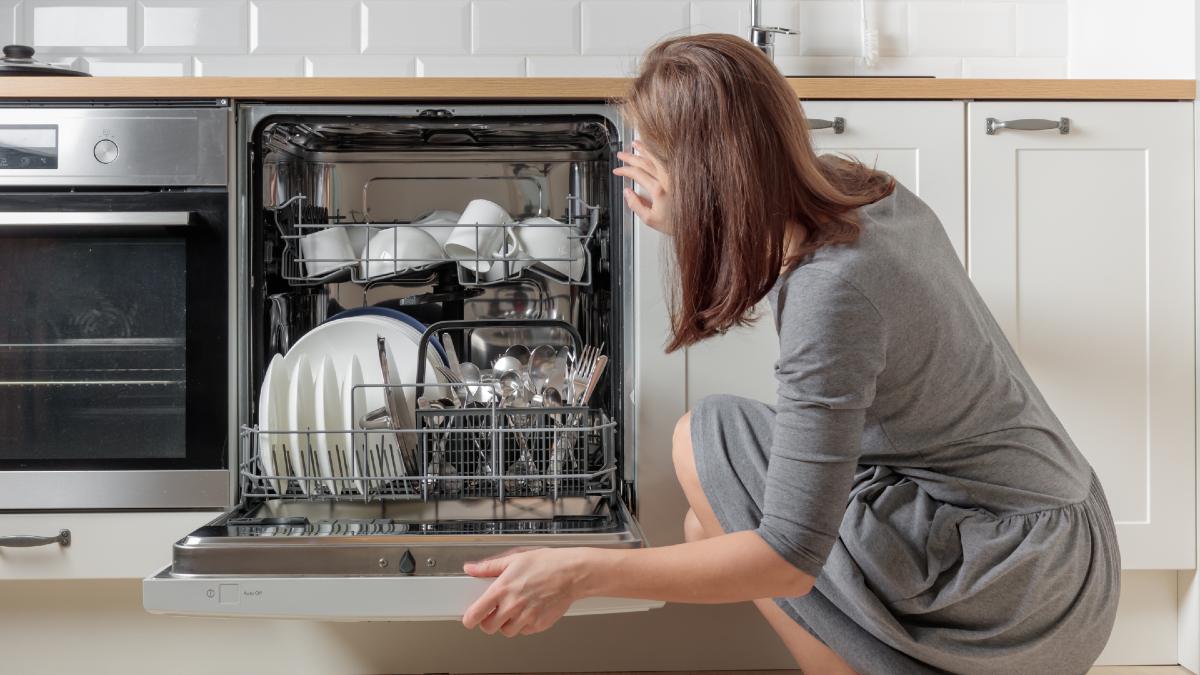
Efficient dishwashers can conserve more energy and water. Image: Getty
7. Seal draughts around your home
Even a small gap around a door or window can allow warm or cool air to escape, making your heating and cooling systems work harder.
Common areas where draughts occur include:
- external doors
- windows
- exhaust fans
- chimneys
- floorboards
- gaps around plumbing and electrical penetrations.
"Doors and windows are usually the main culprits," says Anderson. "But things such as old evaporative coolers with no back-draught prevention can also be a pretty big hole in a home."
The quickest and easiest fix is to buy door and window draught-stop strips from a hardware store.
"They come in all shapes and sizes to suit all applications, and are usually self-adhesive for ease of installation," Anderson says. "These strips are placed around the outer edge of door and window frames to seal any gaps most houses acquire after years of wear and movement."
For older homes, Anderson says it's also worth sealing the gaps between floorboards or boarding up an unused fireplace.
This relatively low-cost improvement can noticeably improve comfort while helping reduce heating and cooling costs.
8. Upgrade your hot water system
Heating water accounts for a significant portion of household energy use, making your hot water system an important area for potential savings.
If your existing system is ageing or inefficient, replacing it with a more energy-efficient electric option can be a practical first step, especially if you’re looking to move away from gas and reduce ongoing energy costs.
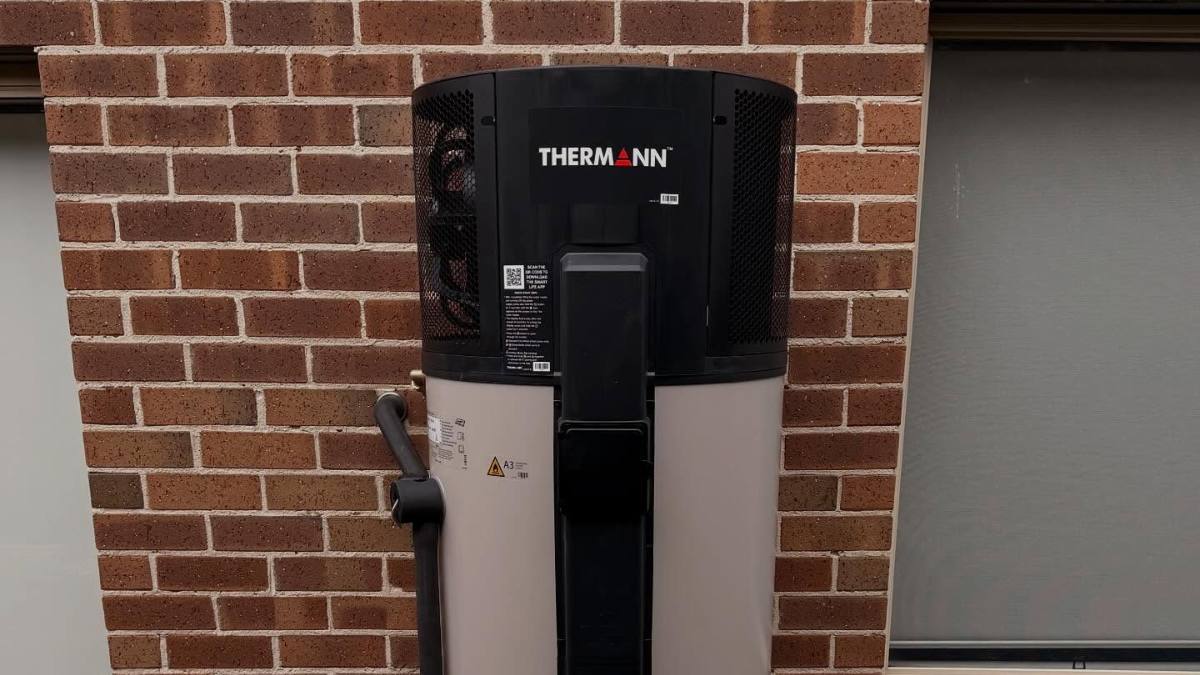
The most energy efficient option is generally a heat pump hot water system.
Choosing the right system depends on your household size, local climate, available installation space and energy source.
"Make sure your unit is an efficient one, and that it is as close to the kitchen or bathroom as possible to reduce how long the pump needs to run for," Anderson advises.
Regular servicing and insulating exposed hot water pipes can also improve efficiency and extend the life of your system.
More: Guide to choosing the right hot water system for your home
Heat pump hot water systems are often the most efficient option when it comes to heating water.
How to prioritise money-saving home improvements
Not every upgrade needs to happen at once. The best approach is to prioritise improvements based on your home's current condition, your budget and where you'll achieve the greatest return.
Generally, low-cost improvements such as sealing draughts, installing LED lighting and improving insulation offer some of the quickest payback periods. Larger investments like solar panels, double glazing or a new hot water system typically involve higher upfront costs but can provide substantial long-term savings.
It's also worth checking whether state or federal government rebates or incentives are available for eligible energy-efficient upgrades, which can help reduce installation costs.
Money-saving home improvement FAQs
The biggest savings vary between households, but insulation, rooftop solar and upgrading inefficient heating or hot water systems often deliver the greatest reductions in ongoing energy costs.
If an appliance is nearing the end of its life or consumes large amounts of electricity, replacing it with a more energy-efficient model may reduce running costs over time. However, it's generally more economical to replace appliances when they naturally need upgrading rather than discarding relatively new ones.
Yes. Simple improvements such as switching to LED lighting, sealing draughts and installing water-saving fixtures are relatively inexpensive but can collectively reduce household bills while improving comfort throughout the year.
RACV Trades is a trading name of RACV's trade partner, Club Home Response Pty Ltd (Victorian registered domestic building practitioner number CDB-U 100178). All works are performed or arranged by Club Home Response Pty Ltd. trading as RACV Trades. See RACV Trades terms and conditions.

