
Securing your home is a top priority, and one of the most vulnerable entry points for burglars is often overlooked: the windows.
Security
How to secure your home and deter burglars
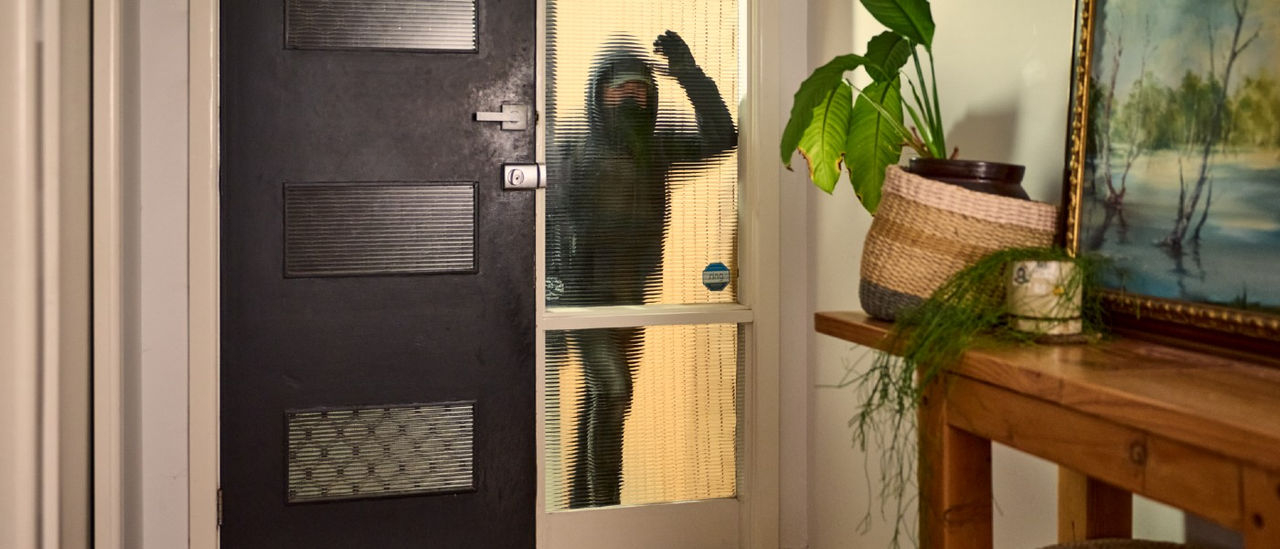
Having your home burgled can be unsettling. Here are some practical ways to improve home security and help reduce the risk of a break-in.
There were 24,992 residential burglaries in Victoria in the year ending June 2026, an 18.7 per cent increase since 2021 but an 18.1 per cent decrease compared with June 2025, according to the Crime Statistics Agency (CSA). However, Neighbourhood Watch warns that Victorians should not be complacent about opportunistic burglary.
Car accessories, cash, electrical appliances and tools were some of the most commonly stolen items.
Understanding what burglars look for can help you identify ways to better protect your home and belongings.
"Burglars are lazy, fearful of being caught, and opportunistic," says Neighbourhood Watch CEO Bambi Gordon. "If they see a quick and easy way to steal property, they will."
These home security tips can help reduce the risk of a break-in. It's also worth checking that your home insurance cover is adequate.
If your home has been burgled, our guide to what to do after a burglary explains how to secure your home, report the crime and make a claim on your home and contents insurance.
More: How to make a home insurance claim
How to improve your home security
Meet your neighbours and local community
Getting to know your neighbours can help you look out for one another. Introduce yourself, exchange contact details and stay in touch about local safety concerns. Joining a Neighbourhood Watch group is another way to get involved, and social media can help you find established community safety groups in your area.
For advice specific to your home, take the free How Safe is My Place quiz. It can help you identify potential security weaknesses and provides a report with tips tailored to your home.
More: How to improve security in your neighbourhood
Lock your doors, windows and garages
Locking doors and windows is a simple way to help protect your home. For added security, consider installing and using door deadlocks, window locks and sturdy security doors, and storing valuables in safes.
Include your garage in your home security checks. To help prevent garage break-ins, keep garage doors well-maintained and regularly serviced.
Invest in security equipment (and keep it serviced)
Home security systems can help deter burglars. Have your system regularly tested and serviced by a licensed security technician. Signs at your gate, garage or entrance can also let potential intruders know that a security system is in use.
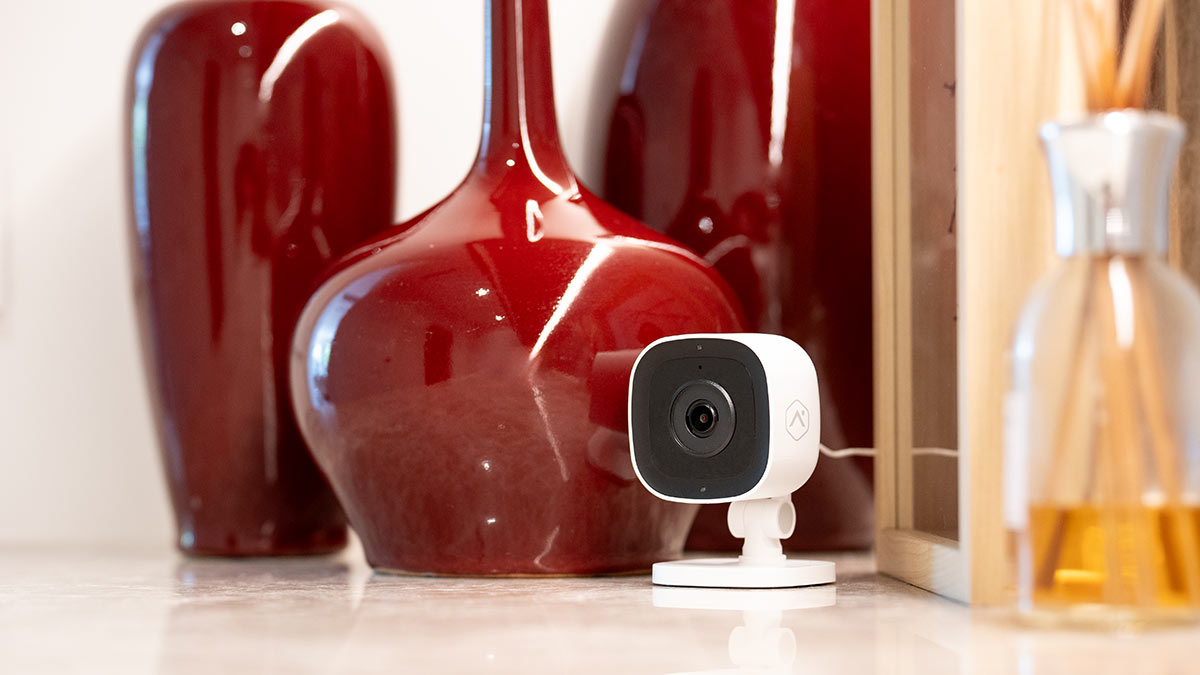
Smart security cameras (CCTV) with remote access let you check on your home while you're away, provided you have an internet connection. Recorded footage may also help police investigate a break-in. Home alarm systems can cover your whole home or selected areas. An audible alarm may deter intruders and alert neighbours, while professional monitoring can notify a security team when an alarm is triggered.
Home alarm systems and cameras can cover your whole home or selected areas.
Keep your property well-lit
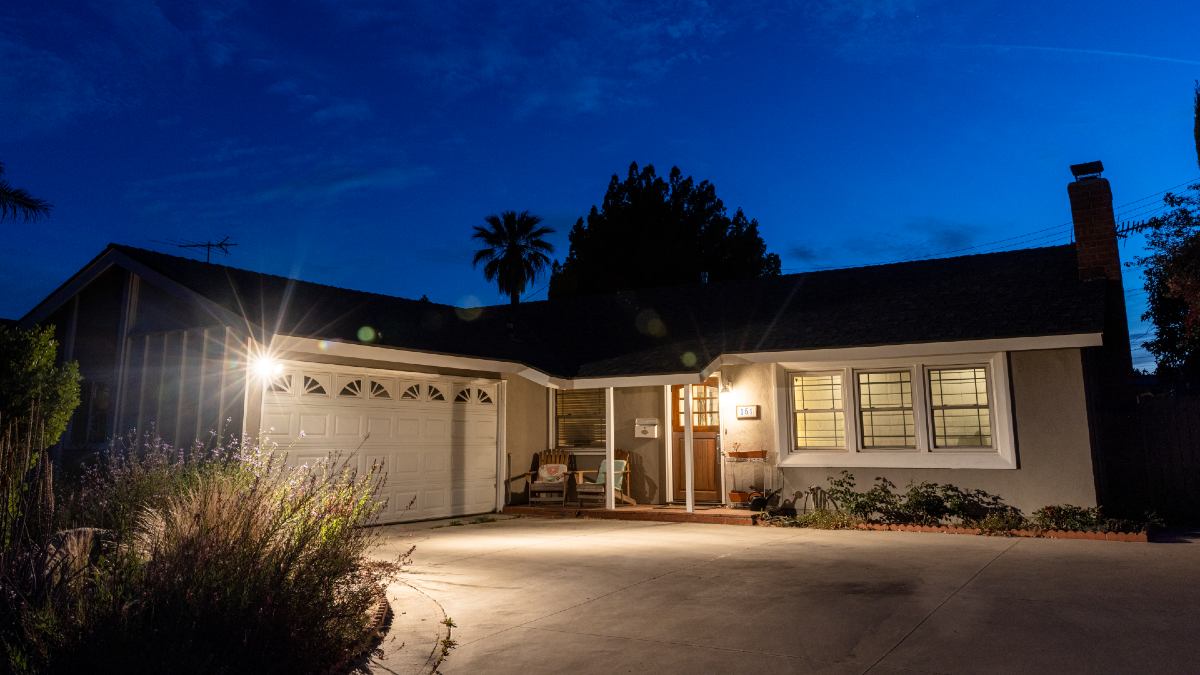
Outdoor lighting can improve visibility around your home and help deter intruders. Landscape lights, motion sensor lights and lights on timers can illuminate dark areas, making it harder for someone to approach unnoticed.
Motion sensor lights switch on when movement is detected, which may draw attention to unexpected activity around your property.
Keep valuables out of sight
"Burglars don’t want to be in your house for any longer than they have to," says Gordon. "The average time spent on a burglary is eight minutes, so the items most likely to be stolen are those that are clearly in sight, just inside an open door or window."
Hot items for burglars include mobile phones, tablets, laptops, cash, power tools, jewellery, passports and even bikes. When you're away from home, make valuables difficult to find by keeping them locked in a safe or in hidden drawers.
Secure valuable documents and identifiers
Burglars may also target documents containing personal information, which could be used for identity theft or financial fraud.
Keep documents such as passports, tax returns, bank statements and utility bills out of sight in a locked drawer or safe. Store the keys securely and away from the documents.
Sensor lights improve visibility around your property and may deter burglars. Image: Getty
Keep your garden neat and tidy
An overgrown garden can provide cover for intruders, making it harder for neighbours to spot someone approaching doors and windows. Keeping plants trimmed around these entry points can improve visibility.
Keep your garden and porch tidy, and consider motion sensor lights near entrances and windows that are difficult to see from the street. If you’re going on holiday, ask a trusted neighbour to put your bins out for collection and bring them back in afterwards. You could also arrange for someone to park in your driveway to help make your home look occupied.
Learn about rental property security
If you rent, it's important to know what you can and can't do to increase your rental property's security. According to Consumer Affairs Victoria, you can install removable security devices, such as an alarm system or camera, without your rental provider’s permission, provided those devices are not hardwired. Battery-operated or solar-powered security cameras are examples. This does not apply if the building is on the heritage register.
The devices must not affect your neighbours’ privacy, must be easily removable and must not damage or permanently change the property.
You must get your rental provider’s permission to install permanent fixtures or devices, such as a hardwired alarm system. A hardwired security system may need to be installed by a qualified installer.
Rental providers cannot unreasonably refuse permission for reasonable security measures — devices or changes that most people would consider fair to keep someone safe. Examples include:
- installing a security light or camera that does not affect neighbours’ privacy
- installing a secure letterbox
- modifying external gates to make them more secure.
Before making changes, confirm your obligations to remove them and restore the property when you move out, including any agreement with your rental provider.
More: Renting rules in Victoria: what you can and can’t do as a renter
More: Essential tips for better apartment security
Leave a spare key with a trusted person
Avoid hiding spare keys in obvious places, such as under the doormat, where they could give thieves easy access to your home. Instead, leave a spare set with a trusted friend or family member.
If you need to keep a spare key near your home, consider a strong key safe in a discreet location. A smart lock that opens with a code or smartphone is another option if you're concerned about locking yourself out.
Avoid posting your holiday photos on social media
Sharing holiday photos or updates on social media while you're away can reveal that your home is unoccupied. Wait until you're home before posting about your trip.
More: What thieves want to steal from your home while you're on holiday
The information provided is general advice only. Before making any decisions please consider your own circumstances and the Product Disclosure Statement and Target Market Determinations. For copies, visit racv.com.au. As distributor, RACV Insurance Services Pty Ltd AFS Licence No. 230039 receives commission for each policy sold or renewed. Product(s) issued by Insurance Manufacturers of Australia Pty Ltd ABN 93 004 208 084 AFS Licence No. 227678.

