
Blocked toilet? Learn what to do first, how to safely use a plunger, what causes toilet blockages, and when it's time to call a licensed plumber.
Plumbing
Sewage overflow: what should you do?
A sewage overflow can cause serious damage to your home and pose significant health risks. Learn how to recognise the warning signs, what to do when sewage backs up and when to call an emergency plumber.
A sewage overflow is one of the most unpleasant plumbing emergencies a homeowner can face. Whether wastewater is backing up through your drains, overflowing from a toilet or pooling in your backyard, acting quickly can help minimise damage and protect your household.
Understanding what causes sewage overflows, how to respond safely and when to seek professional help can make a stressful situation easier to manage.
What is a sewage overflow?
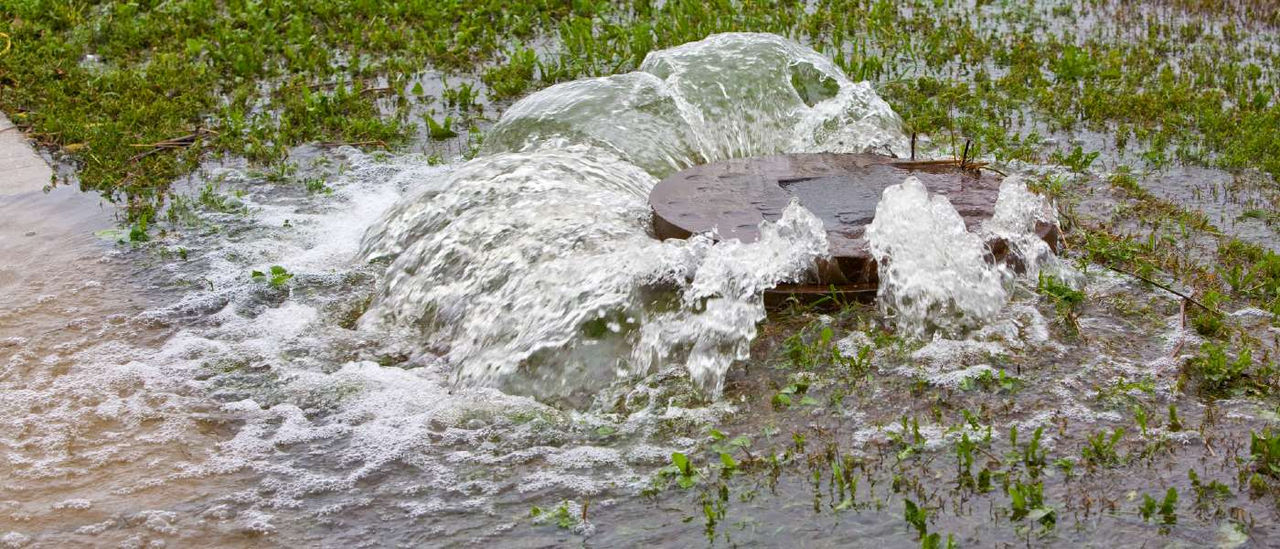
A sewage overflow occurs when wastewater escapes into your yard or home from a sewer pipe, drain or plumbing fixture instead of flowing safely through the sewerage system.
Sewage overflows can happen inside your home, particularly through toilets, showers and floor drains, or outside through inspection openings and damaged underground pipes.
Unlike a typical water leak, a sewage overflow can contain harmful bacteria, viruses and other contaminants, making professional assistance essential.
What causes a sewage overflow?
Several plumbing problems can cause sewage to back up or overflow, including:
- Blocked sewer pipes - tree roots, grease, wet wipes and other debris can obstruct wastewater flow.
- Damaged pipes - cracked, collapsed or ageing sewer pipes can restrict drainage.
- Heavy rainfall - stormwater entering sewerage systems can contribute to overflows during severe weather.
- Incorrect plumbing connections - stormwater pipes connected to sewer pipes can overload the system.
- Sewer infrastructure problems - blockages or failures in the public sewer network can cause wastewater to back up.
Older Melbourne homes may be particularly vulnerable to tree root intrusion and deteriorating underground pipes.
More: The common household items you should never flush down the toilet
What are the warning signs of a sewage overflow?
Recognising the early signs of a blocked sewer can help prevent a more serious plumbing emergency. Common warning signs include:
- multiple sinks, showers or toilets draining slowly
- gurgling sounds coming from toilets or drains
- unpleasant sewage smells inside or outside your home
- wastewater backing up through floor drains or showers
- water rising in one plumbing fixture when another is used
- unexplained wet patches or sewage pooling in your garden.
If several plumbing fixtures are affected simultaneously, the problem may involve your main sewer line rather than an individual drain.
Stop flushing toilets or running taps if you discover a sewage overflow. Image: Getty
When should you call an emergency plumber?
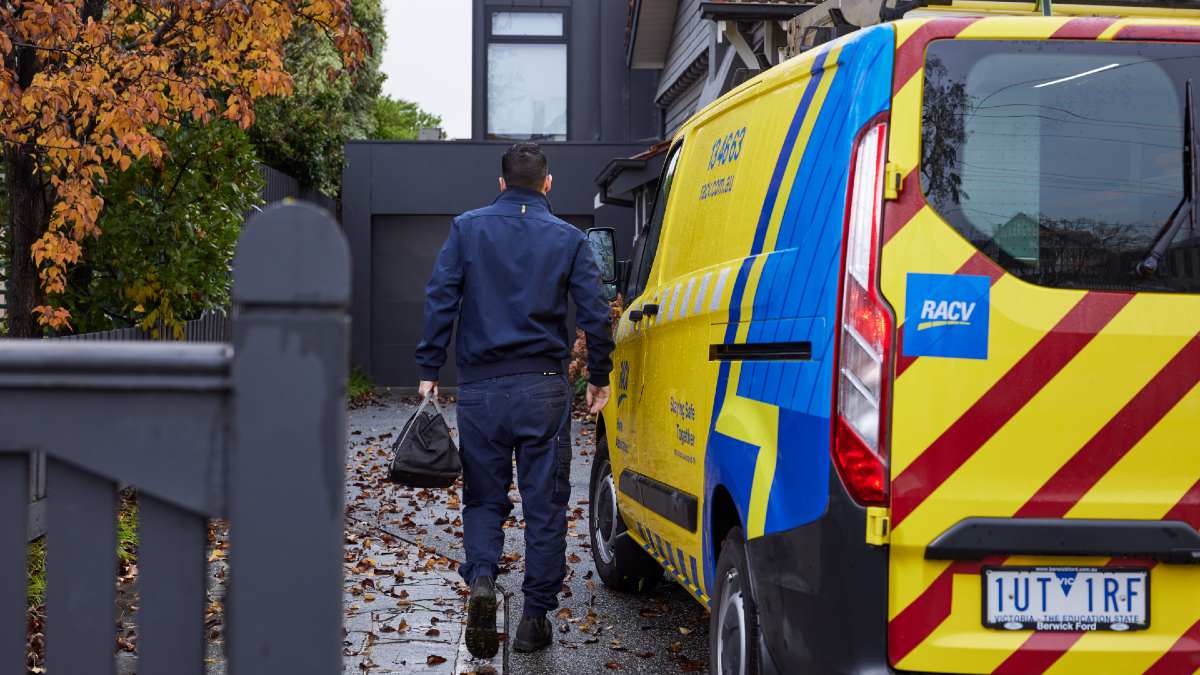
Call an emergency plumber immediately if sewage is overflowing into your home, wastewater is backing up through multiple drains or you suspect a major sewer blockage.
An emergency plumber can identify the source of the problem, clear blockages and assess whether damaged pipes require repairs.
In Melbourne and regional Victoria, sewage overflows involving public sewer infrastructure should also be reported to your local water authority.
If sewage is leaking outside your property boundary, contact your local water business or the local council.
What should you do while waiting for a plumber?
If you discover a sewage overflow, take these precautions:
- Stop using water - avoid flushing toilets, running taps or using appliances that discharge wastewater.
- Keep clear - prevent people and pets from entering contaminated areas.
- Avoid electrical hazards - stay away from electrical outlets and appliances exposed to wastewater.
- Ventilate safely - open windows where possible without entering contaminated areas.
- Document the damage - take photographs from a safe location for potential insurance claims.
- Avoid DIY drain clearing - don't use chemical drain cleaners or attempt to access sewer pipes yourself.
Don't attempt to clean up extensive sewage contamination without appropriate protective equipment and professional guidance.
How can you help prevent sewage overflows in the future?
Regular plumbing maintenance and good household habits can reduce the likelihood of a sewage overflow. To help prevent blocked sewer pipes:
- only flush toilet paper and human waste
- never pour cooking oils, fats or grease down drains
- keep wet wipes, sanitary products and other non-flushable items out of toilets
- arrange professional drain inspections if blockages occur repeatedly
- address damaged pipes and tree root intrusion promptly
- keep outdoor overflow relief gullies clear of debris and obstructions.
If your home experiences recurring drainage problems, a licensed plumber can investigate the underlying cause before it develops into a major sewage overflow.
More: Blocked toilet? What to do first and when to call a plumber
Call an emergency plumber immediately if you're experiencing sewage or wastewater overflow.
Is a sewage overflow a health risk?
Yes. Sewage can contain harmful microorganisms that may cause gastrointestinal illness, skin infections and other health problems.
Avoid direct contact with sewage-contaminated water and keep children and pets away from affected areas.
If sewage has entered your home, professional cleaning and disinfection may be necessary, particularly where carpets, furniture or porous building materials are affected.
Can a sewage overflow damage your property?
Yes. Sewage overflows can damage flooring, carpets, walls, furniture and electrical systems. Wastewater can penetrate porous materials, potentially causing structural deterioration, persistent odours and mould growth if not properly cleaned and dried.
Prompt emergency plumbing repairs and professional cleaning can help minimise long-term damage and costly restoration work.
Does home insurance cover sewage overflow damage?
Home insurance may cover certain types of sewage overflow damage, depending on the cause and your policy's terms, conditions and exclusions.
For example, damage caused by a sudden escape of wastewater from a sewerage system may be covered under some policies. However, damage resulting from gradual deterioration, poor maintenance or existing plumbing problems may be excluded.
Check your Product Disclosure Statement (PDS) to understand your coverage.
RACV Trades is a trading name of RACV's trade partner, Club Home Response Pty Ltd (Victorian registered domestic building practitioner number CDB-U 100178). All works are performed or arranged by Club Home Response Pty Ltd. trading as RACV Trades. See RACV Trades terms and conditions.
The information provided is general advice only. Before making any decisions please consider your own circumstances and the Product Disclosure Statement and Target Market Determinations. For copies, visit racv.com.au. As distributor, RACV Insurance Services Pty Ltd AFS Licence No. 230039 receives commission for each policy sold or renewed. Product(s) issued by Insurance Manufacturers of Australia Pty Ltd ABN 93 004 208 084 AFS Licence No. 227678.

