
How often should I service my air conditioner? How do I increase the lifespan of my air conditioning unit? Here’s what you need to know ahead of summer from RACV Trades.
Heating and cooling

Air conditioning installation cost in Melbourne
Installing air conditioning in Melbourne? Discover the factors that can affect costs and what to consider before choosing a system.
Find out how much it costs to install air conditioning in Melbourne, including split system and ducted air conditioning prices, installation factors and tips for choosing the right system.
Installing air conditioning can make your home more comfortable during Melbourne's hot summers and chilly winters. Whether you're replacing an older unit or installing air conditioning for the first time, understanding the costs can help you budget for your home improvement project.
The air conditioner installation cost in Melbourne depends on the system you choose, the size and layout of your home, and the complexity of the installation.
Here’s a guide for Melbourne homeowners to air conditioning installation prices, additional expenses and choosing an energy-efficient system.
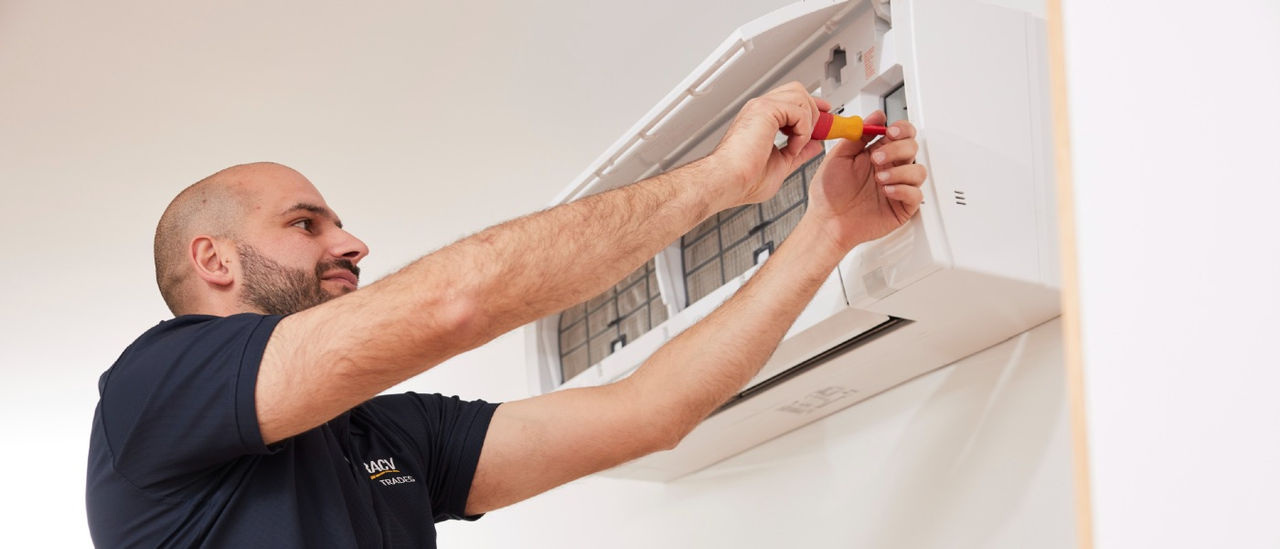
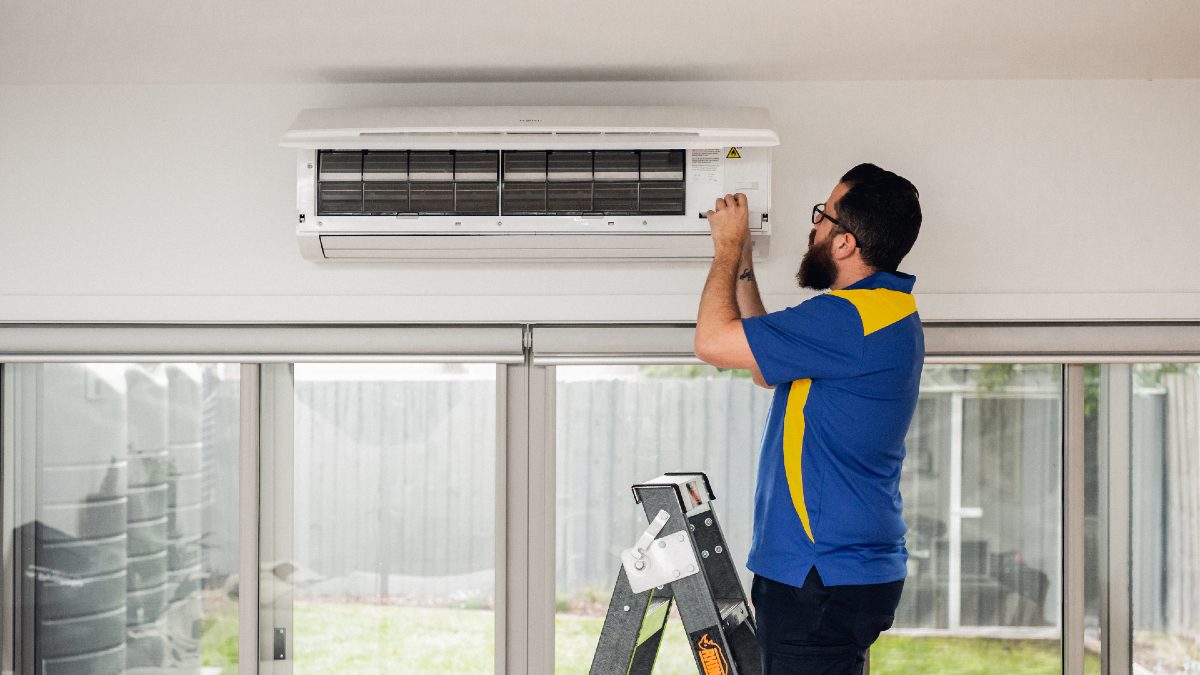
RACV Trades can install, service, repair or replace your heating and cooling system.
How much does air conditioning installation cost in Melbourne?
Air conditioning installation prices vary depending on whether you're installing a split system or ducted air conditioner.
As a general guide, Melbourne homeowners can expect to pay:
| Air conditioning system | |
|---|---|
|
Small split system |
$1,500–$3,000 |
|
Medium split system |
$2,000–$3,600 |
|
Large split system |
$2,900–$4,500 |
|
Ducted reverse cycle |
$8,000–$20,000+ |
Prices are indicative Australian dollar estimates for 2026. Actual costs depend on the brand, installation requirements and property.
What factors affect the cost of air conditioning installation?
Several factors influence the final air conditioner installation cost, including:
- System type - split systems generally cost less to install than ducted systems.
- Cooling and heating capacity - larger-capacity units typically cost more.
- Brand and efficiency - premium models and advanced energy-saving features may increase upfront costs.
- Installation complexity - difficult access, longer pipework and electrical upgrades can increase labour costs.
- Property characteristics - multi-storey homes, older buildings and limited installation space may require additional work.
Getting an itemised quote can help you understand which expenses are included.
Choose an accredited installer for your air conditioning unit.
Split system or ducted air conditioner: what's the difference?
Split system air conditioners feature an indoor unit connected to an outdoor compressor. They're generally designed to heat or cool individual rooms or open-plan spaces. The price to install a split system air conditioner is usually lower than ducted air conditioning, making it a popular option for bedrooms, living areas and smaller homes.
Ducted air conditioning distributes heated or cooled air throughout the home using concealed ducts and vents. It generally costs more to install but can provide whole-home comfort, particularly when combined with zoning controls.
For homeowners comparing systems, the split system air conditioner installation cost may be more affordable upfront, while ducted air conditioning can suit larger properties requiring temperature control across multiple rooms.
More: Eight home improvements that will save you money on household bills
How does home size affect air conditioning installation costs?
Larger homes generally require greater heating and cooling capacity, which can increase installation costs. A small apartment may only need one split system, while a larger family home might require several split systems or a ducted system.
However, floor area isn't the only consideration. Ceiling height, insulation, window size, orientation and room layout can influence the capacity required.
A qualified installer can assess your home's heating and cooling requirements and recommend an appropriately sized system.
Split system air conditioners generally service individual rooms. Image: Getty
What additional air conditioning installation costs should homeowners consider?
Beyond purchasing the unit and paying for standard installation, homeowners may need to budget for:
- electrical upgrades or dedicated circuits
- additional refrigerant piping and drainage
- wall brackets, concrete pads or outdoor unit supports
- removal and disposal of existing air conditioning equipment
- repairs or modifications to walls and ceilings.
Ongoing electricity consumption, servicing and maintenance should also be considered when comparing the long-term costs of different systems.
More: Air conditioner servicing and maintenance - what you need to know
Does the location of the air conditioner affect installation costs?
Yes. Where the indoor and outdoor units are positioned can significantly affect installation costs.
A straightforward split system installation typically places the outdoor unit directly behind the indoor unit, minimising pipework and labour. Installing units further apart, on upper storeys or in difficult-to-access locations may increase costs.
Outdoor units also need adequate ventilation and suitable clearance. Noise, neighbouring properties and any applicable owners corporation or planning requirements should be considered.
Outdoor air conditioning units need adequate ventilation and suitable clearance.
When is the best time to install air conditioning in Melbourne?
You can arrange an air conditioning installation at any time of year, although wait times may be longer during periods of high demand.
Spring can be a convenient time to install cooling, while autumn may suit systems that provide both heating and cooling. Demand is often lower outside the peak summer and winter periods, which may give you more flexibility when booking an installer.
Planning ahead also means your system can be ready before extreme temperatures arrive.
More: 10 ways to prepare and maintain your home for summer
How can you choose the right air conditioning system for your home?
Choosing the right system involves balancing installation costs, energy efficiency and household comfort.
Consider the rooms you want to heat or cool, your budget, available installation space and how frequently you'll use the system.
For Melbourne's variable climate, reverse cycle air conditioning can provide both heating and cooling from one system.
Compare energy efficiency ratings and obtain quotes from appropriately licensed professionals. Eligible Victorian households may also access discounts through the Victorian Energy Upgrades program.
By considering both upfront installation expenses and ongoing running costs, you can choose an air conditioning system that suits your home, lifestyle and budget.
RACV Trades can install, service, repair or replace your heating and cooling system.
RACV Trades is a trading name of RACV's trade partner, Club Home Response Pty Ltd (Victorian registered domestic building practitioner number CDB-U 100178). All works are performed or arranged by Club Home Response Pty Ltd. trading as RACV Trades. See RACV Trades terms and conditions.

