
The best smoke alarms save lives. Check that your smoke alarms are all working effectively when changing your clocks back as daylight saving time comes to an end.
Safety

How to stay cool and keep safe during heatwaves in Victoria
Summer in Victoria can increase risks for extreme weather events that can put your health and home at risk. Learn how to stay safe, keep cool and protect your home during heatwaves.
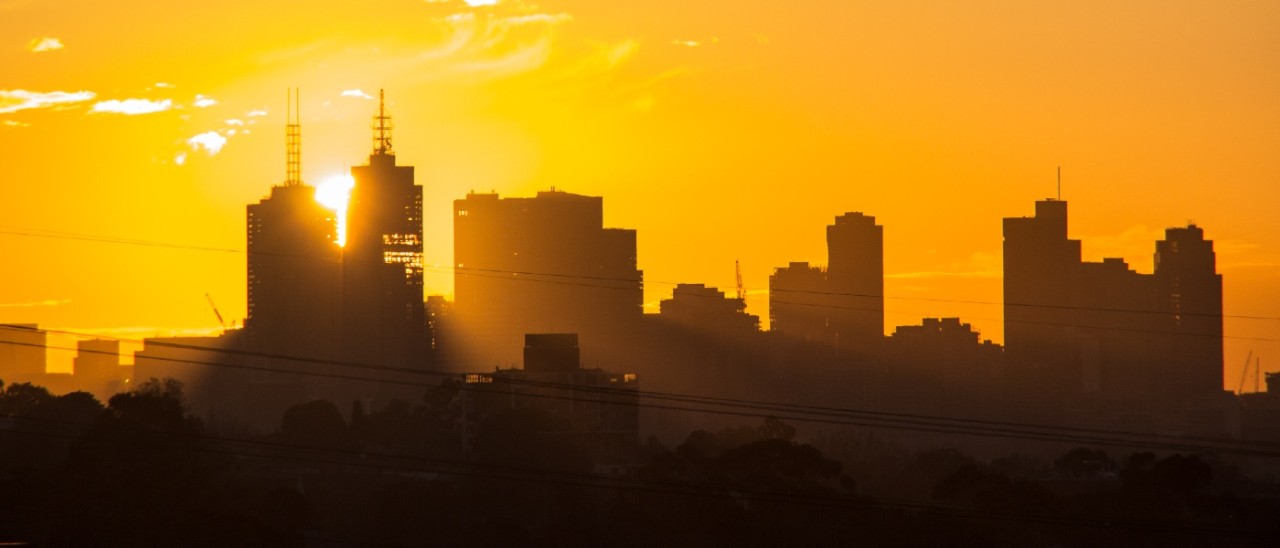
The Bureau of Meteorology has forecasted an increased chance of unusually high daytime temperatures across Victoria in 2026, meaning heatwaves during summer are likely to impact residents across the state.
Heatwaves pose a significant risk across the entire community, especially the health of very young and older people, pregnant women, those with acute or chronic health problems and those who are socially isolated. Heatwaves have caused more deaths in Australia than any other natural hazard and can also impact your property, including vehicles, gardens, pets and the wear and tear of your home.
This article is a guide to why heatwaves have become more intense, how to prepare for them, and how to stay as cool as possible when they arise.
In this article
What is a heatwave?
Heatwaves are prolonged periods of excessive heat that generally last for at least three or more successive days. The Bureau of Meteorology’s heatwave forecasts and warnings are based on a three-day period, comparing against the local climate and past weather (30 days) and accounting for night-time temperatures as well as the daily maximum.
Essentially, the BOM measures how much of a shock to the body the forecast temperatures will be, using an excess heat factor (EHF), compared to the weather over the past month. The heatwaves can be classified as low-intensity (where most people can cope), severe (more challenging for vulnerable people) or extreme (impacting anyone who doesn’t take precautions, even healthy people).
Are heatwaves in Victoria happening more often?
According to Victoria’s Climate Science Report 2024, heatwaves have become more intense, frequent and longer in the state since the 1950s. The heatwave season also now starts earlier.
Heatwave warnings and forecasts
The best way to stay safe and cool during a heatwave is to be well prepared ahead of time. This starts with being alert to the weather forecast for the days ahead.
You can monitor heatwave warnings issued by the Bureau of Meteorology and freely subscribe to receive alerts whenever the BOM releases a warning for severe or extreme heatwave conditions. The warnings are issued on the bureau’s website, the BOM Weather app and through its telephone audio warnings service.
The VicEmergency app and website is another good resource for alerts on extreme weather conditions, while the Victorian Department of Health also issues heat health warnings when temperatures risk impacting people’s health.
The Department of Health’s Better Health Channel also has excellent advice on how to handle a heatwave and recognise early symptoms of heat-related health problems.
Preparation for a heatwave can include making plans with your support network and signing up for Bureau of Meteorology heatwave warnings.
Maintain contact with support networks, vulnerable friends and family
The Australian Red Cross is among a number of authorities offering practical tips to help you prepare for heatwaves and very hot weather. As well as checking the weather forecasts (as described above), these include:
- Speak to your doctor about the potential impacts of heat and precautions you can take, particularly if you have a health condition.
- Download the Red Cross First Aid app, which provides vital information to help with common emergencies and safety advice during a crisis.
- Identify your support network – family, friends, neighbours or a caregiver, for example – who can help you before and during a heatwave. This may include adjusting your air-conditioning, closing blinds, doing your shopping and checking in on you.
- Write down important numbers – doctors, mental health services, support network, care agencies, electricity company (if there’s a blackout), etc – so they are easily accessible if you need help. You can also store these contacts on your phone.
- Make plans with your support network about what you will do if you lose power during a heatwave. Identify a place in your local area where you can go to stay cool (such as a public library, community centre, shopping centre or cinema) and decide how you'll let your support network know where you are.
If you or someone in your household relies on life support equipment, you may be eligible for protection under the life support energy regulations. This means that your local distributor should advise you in advance of any electricity outages, and that in the event of an outage your property will be on the priority list for reconnection. Speak to your local energy retailer for more information or visit Arcline by RACV’s Life Support page here.
More: What to do in a power outage or blackout
Closely monitor your pets
Just like us, pets are affected by prolonged bouts of heat. But unlike us, they can’t be relied on to cool themselves down. In a heatwave, ensure your pets are kept in a cool place in the home.
Relocate them to cool, tiled surfaces if needed (dogs and cats are a big fan of this), darkened rooms or where you’ve got air-conditioning and fans. If possible, don’t keep them outside, as even shade and a full water bowl might not be enough during a heatwave. Keep your pets hydrated by checking that their water supply is plentiful.
You might like to drape damp, cool cloths over them for some relief, and it’s worth keeping your ice tray stocked as they make a welcome addition in a water bowl.
Also keep an eye out for signs of heatstroke in your animals. Symptoms include rapid panting, excessive drooling, vomiting, fatigue and/or twitching muscles. Call your vet immediately if your animal is displaying any of these symptoms.
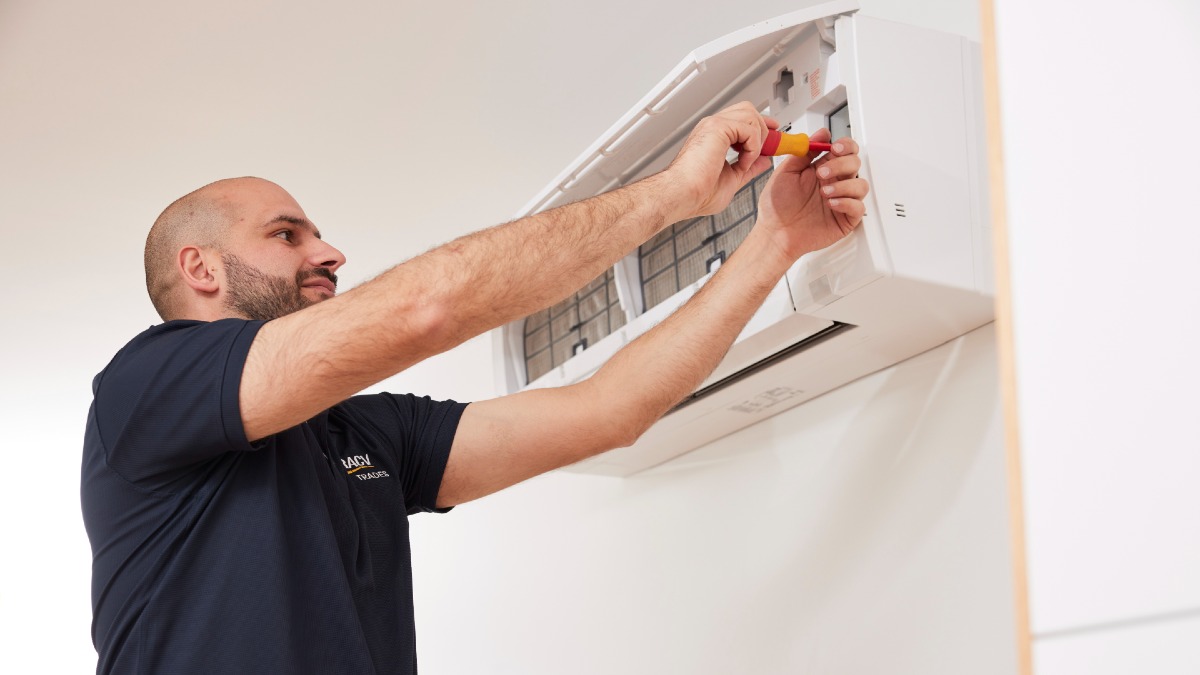
Air conditioner servicing before summer can help prevent breakdowns when you need it most, such as during a heatwave.
How to prepare your home for a heatwave
Ideally, preparation for heatwaves should begin well before summer hits. This can involve servicing appliances ahead of the hot season, doing any necessary home maintenance or upgrades and putting together any emergency supplies.
Have your air conditioner serviced
It’s important to ensure the AC unit has been serviced and is working well. Always use a qualified professional who can handle servicing, maintenance and repair or replacement, especially if the air-conditioner is older. Modern systems are designed to keep homes cooler while consuming less power. You might also consider how to operate the AC at optimum efficiency, such as leaving it on rather than using it in short bursts. The CSIRO provides advice on this.
Broken air conditioner? RACV Emergency Home Assist can send out a qualified electrician 24/7.
Consider energy efficient and insulation upgrades
Any home upgrade that improve your building's insulation and energy efficiency can help keep you cool (and save money) during a heatwave.
Renovations that can help improve your home's heatwave resilience include:
- Double-glazed windows
- Weatherstrips and sealing around doors and windows
- Reverse-cyle split systems
- Ceiling fans
- Wall and ceiling insulation
- Energy-efficient light fittings
- Reflective coatings
- Window awnings
- Blinds, shutter and thermal curtains
Many of these upgrades will also help keep your home warm in winter.
Water your plants
Outside, your plants will appreciate some pre-heatwave planning, such as mulching and heavy watering ahead of the extreme event. You might also move pot plants indoors or under shade, or create temporary shaded areas in the garden using an umbrella or shade cloth, for example. Longer-term planning might involve planting more trees to provide more shade around your home.
Clean your gutters
While heatwaves don't necessitate bushfires, they can increase the risk of them occuring. For this reason, it's a good idea to clean your gutters out of any leaf litter and debris before summer, as this can serve as kindling for any flying embers.
It's recommended that your gutters are cleared out twice a year, as blocked gutters can also cause roof leaks during wetter months.
Stock up on essentials and create a home emergency kit
A little preparation with food, water and other essential items can go a long way to keeping you and others in your household – including pets – cool and safe during a heatwave or other extreme weather events that might last for several days.
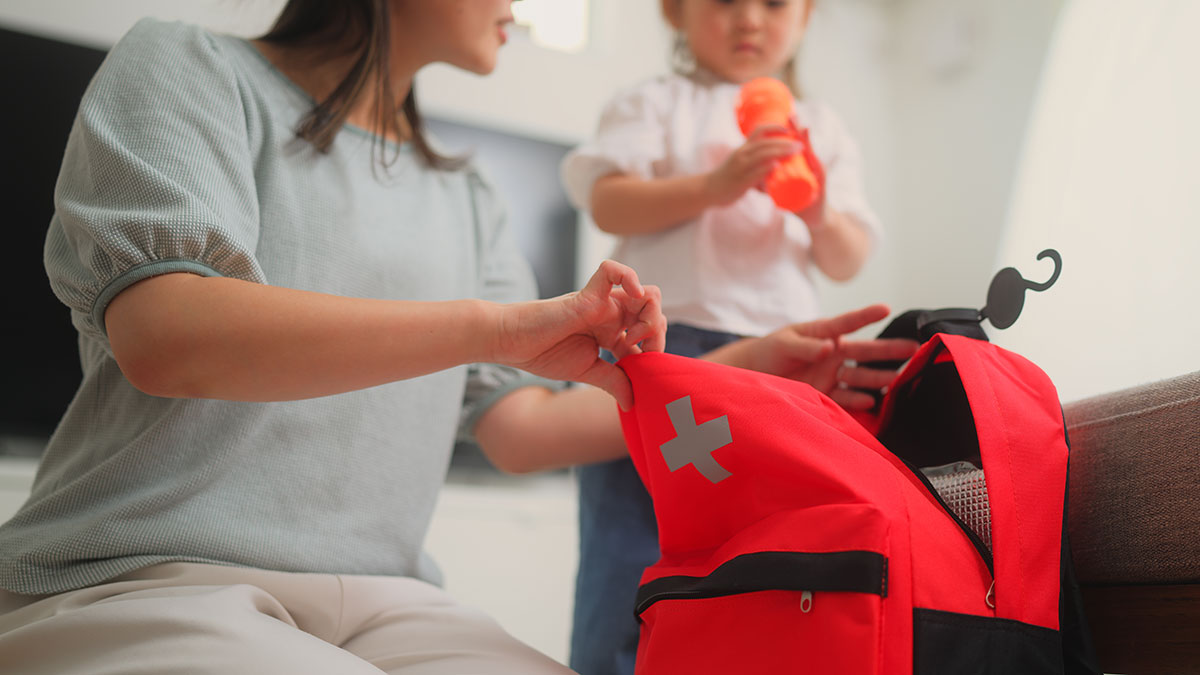
A home emergency kit can be especially helpful in an emergency of this nature, or in the event of a blackout. Some essential items include:
- Medications and essential toiletries.
- First-aid supplies.
- Bottled water.
- Non-perishable food.
- Mobile phone charger.
- Torches and headlamps (with extra batteries).
- Copies of important documents.
You might also consider personal cooling products such as an ice vest or battery-powered fans. It might help to have cooler bags or ice boxes, and ice bricks ready to cool down water and medications, too.
If you have pets, the home emergency kit should include their food, water, medications and other essential supplies and equipment.
Heatwaves can cause power outages, so have a home emergency kit ready to go with battery-powered torches and other supplies. Image: Getty
How to stay cool at home during a heatwave
As well as offering tips on how to prepare for a heatwave, the Australian Red Cross and Victoria’s Department of Health provide useful tips for coping when the heatwave arrives:
Stay indoors
Keep out of the heat by staying inside as much as possible. Cancel or reschedule any non-essential outings and plan to do most of your activities early or late in the day to avoid being outside during the hottest hours. Avoid vigorous physical activity.
Stay hydrated
Drink plenty of fluids to stay hydrated, even if you don't feel thirsty. Make sure children, the elderly and pets keep up their fluid intake too.
Water can also help keep you cool. Take cool showers or foot baths, splash or spray yourself with cold water or use a damp cloth or sponge to cool down. Ice cubes wrapped in a damp towel make for a great cooling cloth for your neck - if a heatwave is forecast, make sure you fill up and freeze any ice trays.
Block out the sun
Make sure all curtains are closed and external shade cloths or blinds are in place to shield the inside of your home from direct sunlight.
Use air conditioning and fans
Where possible, use a combination of air-conditioning and fans to keep certain rooms in the home cool. Using both appliances in combination can help circulate the cool air further, and reduce energy consumption.
How to stay cool during heatwaves if you don't have air conditioning
Even homes without air conditioning can take steps to minimise the internal temperature during heatwaves.
Open windows during the cooler parts of the day and allow ventilation between rooms. Close windows and doors once it starts getting hot (usually around mid morning) to prevent hot air settling in your home. Don't reopen your windows until dusk or a cool change arrives.
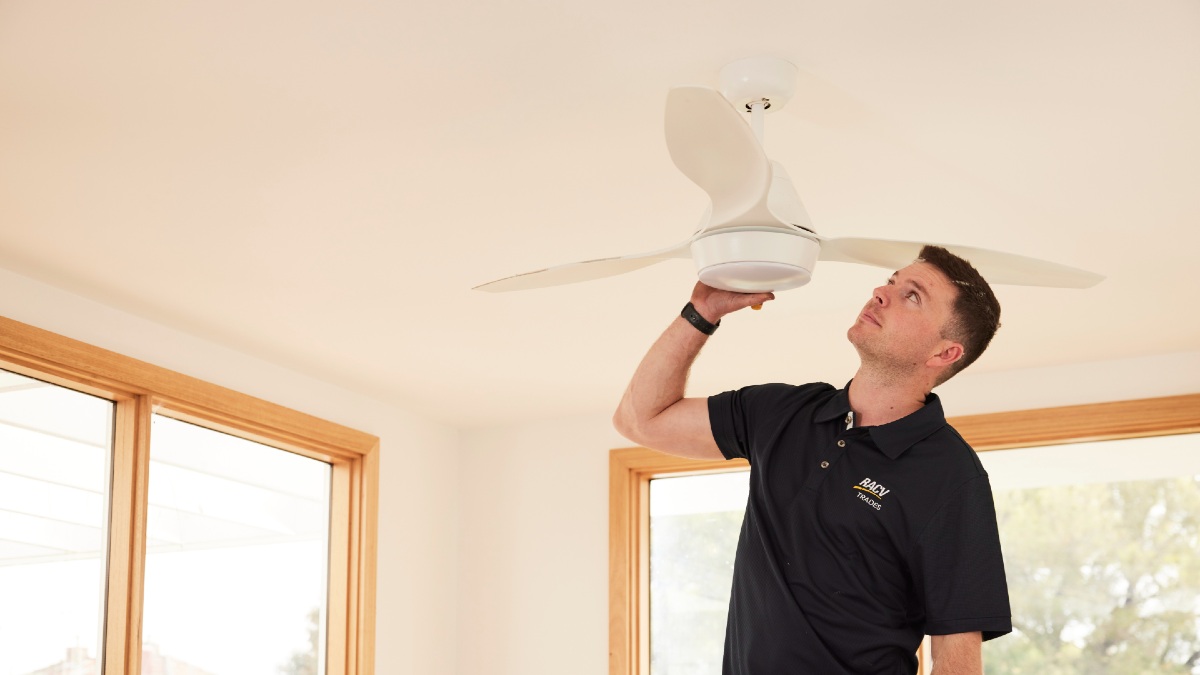
Use ceiling fans if you have them, or plug-in pedestal or desk fans if you don't. Make sure any fans are set to their summer 'cool' setting and not the winter 'warm' setting.
Relocating yourself to somewhere with air conditioning is another option. This could be the home of a friend or family member, or a public space such as a library, shopping centre or cinema.
New minimum standard for cooling systems in rental properties
Renters and rental providers should note that as of March 1, 2027, it will be a minimum standard for rental properties to have an efficient electric cooling system installed in the main living space. This requirement applies at the start of any new rental agreement, or conversion to a month-to-month agreement from 1 March 2027.
From 1 July 2030, all rental properties must have an energy-efficient cooling system in the main living area regardless of the date of the rental agreement.
Using your air con in conjunction with a ceiling or plug-in fan can help circulate the cool air throughout your home.
How to stay cool outside during heatwaves
Avoid being outside wherever possible during heatwaves, especially during the hottest parts of the day. However, if you must go outside, the following tips can help.
Do not leave children or animals in parked vehicles
Tests conducted by RACV have shown that vehicle interiors can reach more than 70°C in just minutes when the outside temperature is 30°C.
Despite this, RACV Emergency Roadside Assistance responded to 514 callouts for children in locked vehicles during the year to November 30, 2025, and 595 callouts for animals.
If you see a child or animal locked in a car, call 000 in an emergency or 13 11 11 for RACV Roadside Assistance. Emergency lockouts are prioritised by RACV and you don't need to be a member to call.
Slip, Slop, Slap, Seek, Slide
The Cancer Council's mantra of Slip, Slop, Slap, Seek, Slide is all about dressing and acting in a way that maximises your protection from the sun. If heading outside, slip on sun-protective clothing, slop on SPF50+ sunscreen, slap on a broad-brimmed hat, seek shade, and slide on sunglasses to prevent skin cancer and damage from UV rays.
Remember, it's still possible to get sunburnt through your car's windows, so always wear sunscreen on hot days even if you're not getting out of your car.
Drive to the conditions
If you have a car with remote functions, pre-cool the cabin before getting in. With other cars, cool down the cabin with the AC before setting off.
Do not park the car in direct sunlight if possible. Use sun protectors for glazed areas.
It’s also recommended that your vehicle’s emergency roadside assistance and scheduled servicing are up-to-date and that the car’s air-conditioner works well. See our separate guide on how to maintain your car during hot weather.
Check for bushfire warnings
If heading out on a road trip during a heatwave, always make sure you check for bushfire alerts before departing. This includes warnings for your destination, but also for any locations you may travel through on the way.
Bushfire warnings can be found on the Vic Emergency website.

