
Learn how to improve security in your street or neighbourhood with practical tips, from lighting and cameras to community watch and crime prevention strategies.
Security
How to improve your home safety and security on a budget
Simple, practical changes can help make your home feel safer and more secure. Here are cost-effective ways to improve home safety and security.
Feeling safe at home matters but improving your home security does not always need to involve major renovations or expensive technology. For many households, the best place to start is with simple checks, small upgrades and practical habits that can help reduce risk around doors, windows, garages and outdoor areas.
RACV’s Home Safety Pulse found that one in five Victorians do not feel safe at home, while around one in three feel less safe than they did 12 months ago. The research also found many Victorians would like greater support to take practical action to improve home security.
Whether you own your home or rent, here are budget-friendly steps you can take to make your property safer, more secure and better prepared for common household risks.
More: Home security guide - CCTV, alarm systems and monitoring
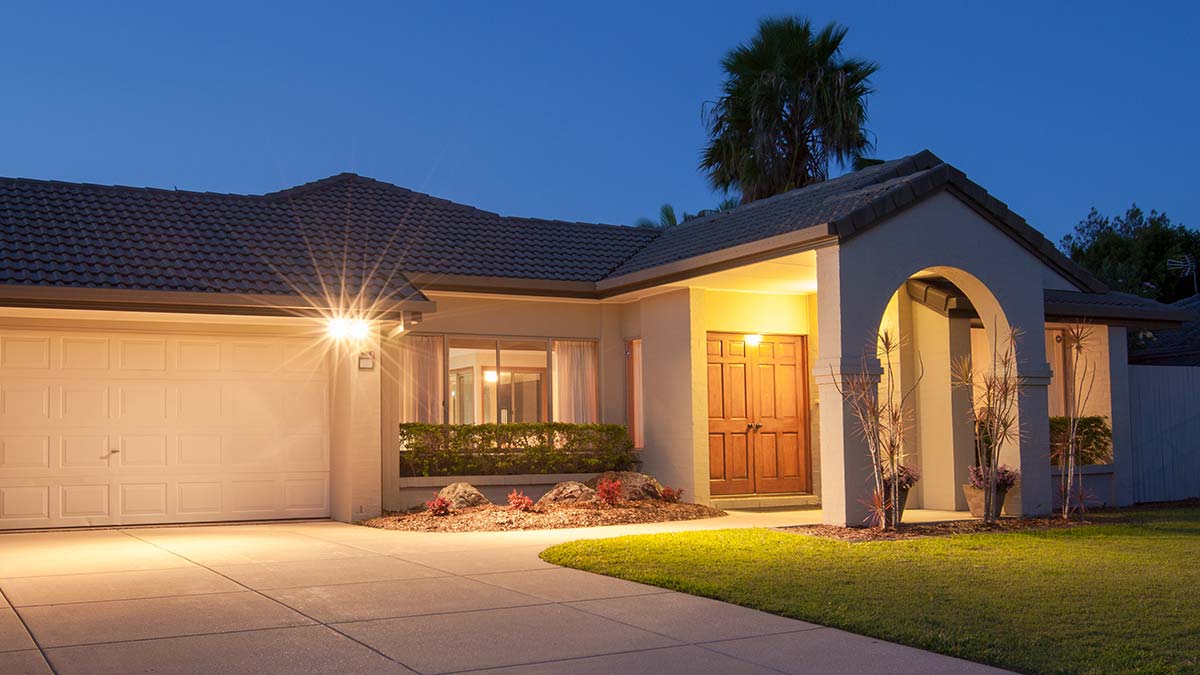
If you're on a budget, start with simple security upgrades such as sensor lights, flood lights and keeping your home well lit at night. Image: Getty
Start with a home safety and security check
Before buying new products, walk around your home and look for easy fixes. Check whether doors and windows close properly, locks work as intended, side gates are secure, and outdoor areas are well maintained. Small issues, such as a broken latch or a dark entryway, can make a home feel less secure.
It can also help to think like a visitor arriving after dark. Are entrances easy to see? Are paths clear? Are valuables visible from outside? Improving visibility, lighting and everyday routines can be a low-cost way to strengthen home security.
More: How to secure your home and deter burglars
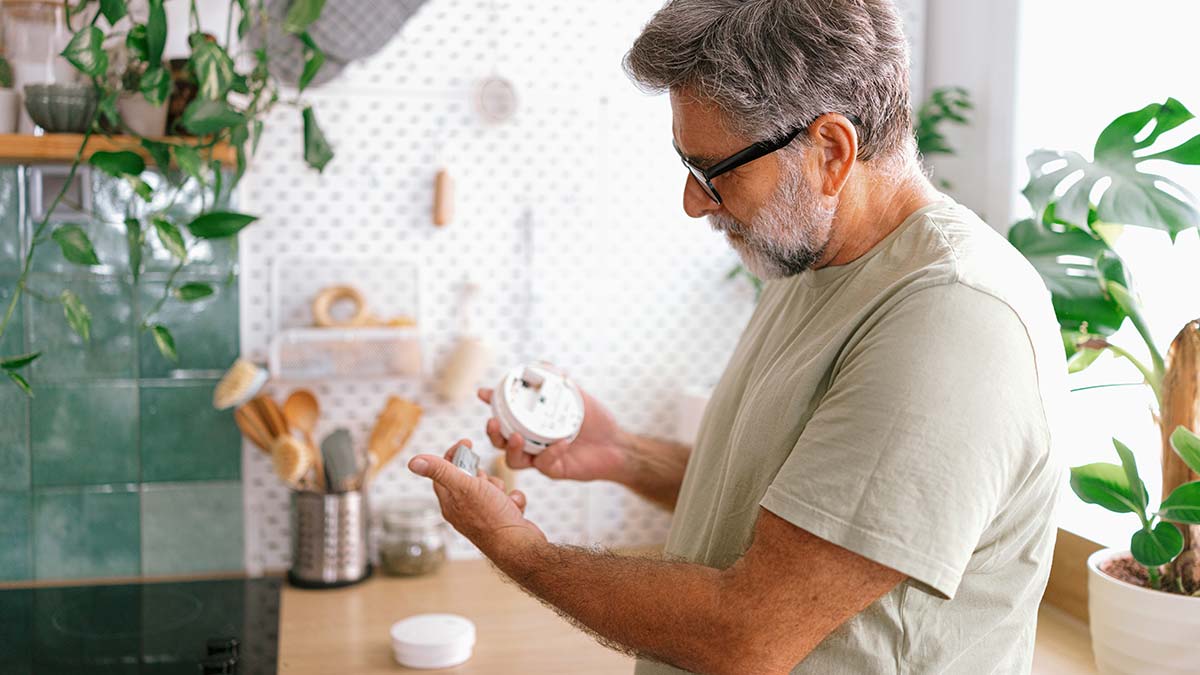
Staying safe at home includes working smoke alarms. Standard batteries should be replaced every year, while hardwired units should be replaced every 10 years. Image: Getty
Budget-friendly safety equipment to consider
If you have some budget available, prioritise safety and security items that address the most common risks around the home, such as smoke alarms, fire blankets, fire extinguishers, deadlocks, security screens, shutters, alarms and motion-sensor lighting.
Smoke alarms are compulsory in Victorian homes and must meet relevant Australian Standards. For the best protection, fire authorities recommend working smoke alarms in bedrooms, living areas and hallways, and alarms should be tested and maintained regularly.
Some installations, including mains-powered smoke alarms, electrical work and more complex security systems, may need to be completed by a licensed professional. If you rent, check your rental agreement and speak with your rental provider (landlord) before making changes to the property.
Read the latest safety and security articles
What to prioritise if you're on a budget
If you're working with a limited budget, start with the changes that address the biggest gaps in your home. A practical approach is to group improvements into three stages.
Free or low-cost checks
Start by fixing loose locks, checking outdoor lighting, trimming vegetation, securing tools and reviewing everyday habits such as locking garages, side gates and windows.
Moderate-cost upgrades
Consider items such as deadlocks, sensor lights, security screens, window locks, smoke alarm upgrades and basic home security devices.
Larger investments
If your budget allows, you may want to look at more comprehensive upgrades such as monitored alarms, security shutters, stronger screen doors or broader electrical and lighting improvements.
More: Which home security system is right for you? CCTV, alarms and monitoring explained
Getting a quote for a new home security system could be the first step towards greater peace of mind.
Could a home safety and security rebate help?
RACV is calling on the Victorian Government to introduce a Home Safety and Security rebate to help eligible Victorian households make practical safety and security upgrades.
RACV General Manager Corporate Affairs Liz Carey says the RACV’s Home Safety Pulse survey highlights the need for practical, preventative solutions that support households to improve home security.
“Home should be a place where people feel secure and at ease, but this research shows that for many Victorians, that sense of safety is being eroded,” Carey says.
“Importantly, this isn’t just about personal experience. People’s perceptions of safety are shaped by what they see and hear in their community, and what’s happening in the broader conversation about crime.”
RACV modelling indicates that a $500 rebate could help 30,000 high-risk households improve their safety and security. Eligible items for the rebate could include smoke alarms, fire extinguishers, fire blankets, door and window deadlocks, security screens, shutters and alarms.
RACV advocates the government also consider the benefits of prioritising those households that have experienced home break-ins or theft.
When to get professional advice
For electrical work, hard-wired smoke alarms, security system installation or structural changes to doors and windows, speak with a licensed professional. A qualified installer can help you understand what is suitable for your home, what may be required by law and how to avoid creating new safety risks while trying to improve security.
Home safety and security checklist
Internal checks
- Test smoke alarms and replace batteries or units when needed.
- Check that doors and windows close and lock properly.
- Keep valuables and spare keys out of sight and securely stored.
- Review whether deadlocks, security screens, shutters or alarms would suit your property.
- Ask a licensed professional about electrical, structural or more complex installations.
- If you rent, speak with your rental provider before making changes.
External checks
- Check that garages, side gates and external doors lock properly.
- Repair damaged latches, flyscreens and gates.
- Improve lighting around entrances, paths and driveways.
- Trim plants that block visibility around doors and windows.
- Keep tools, ladders and outdoor equipment out of sight and securely stored.
- Ask a trusted neighbour to collect mail or put bins out when you’re away.
RACV Security Pty Ltd ABN 49 079 148 342 trading as RACV Home Security. Security Licence (Vic.) 733-411-10S and Security Registration (Vic.) 733-411-31S.

