
From sports memorabilia to gold bullion, Victorians have some interesting collectibles tucked away in their homes.
Locksmith
Re-key or change your locks? What you need to know
Lost your house keys, moved into a new home or experienced a break-in? Find out whether re-keying locks or changing locks is the best way to keep your home secure.
Your door locks are an important part of your home's security. But if you've lost your keys, recently moved house or experienced a burglary, you may be wondering whether it's safer to re-key or replace your locks.
While both options can help protect your property, they involve different processes, costs and security considerations.
Understanding the difference between re-keying locks and changing locks can help you choose the right solution for your home.
Emergency locksmiths are on call 24/7 with RACV Home Emergency Assist.
What's the difference between re-keying and changing your locks?
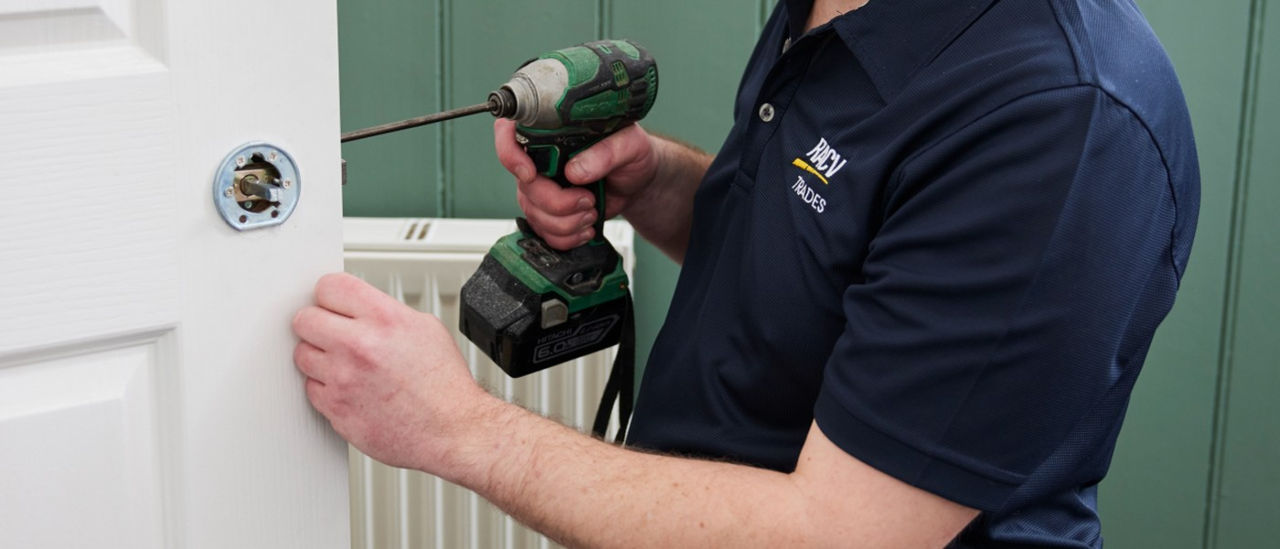
Re-keying locks involves changing the internal mechanism of an existing lock so it works with a new key. The lock itself stays in place, but the old keys will no longer operate it.
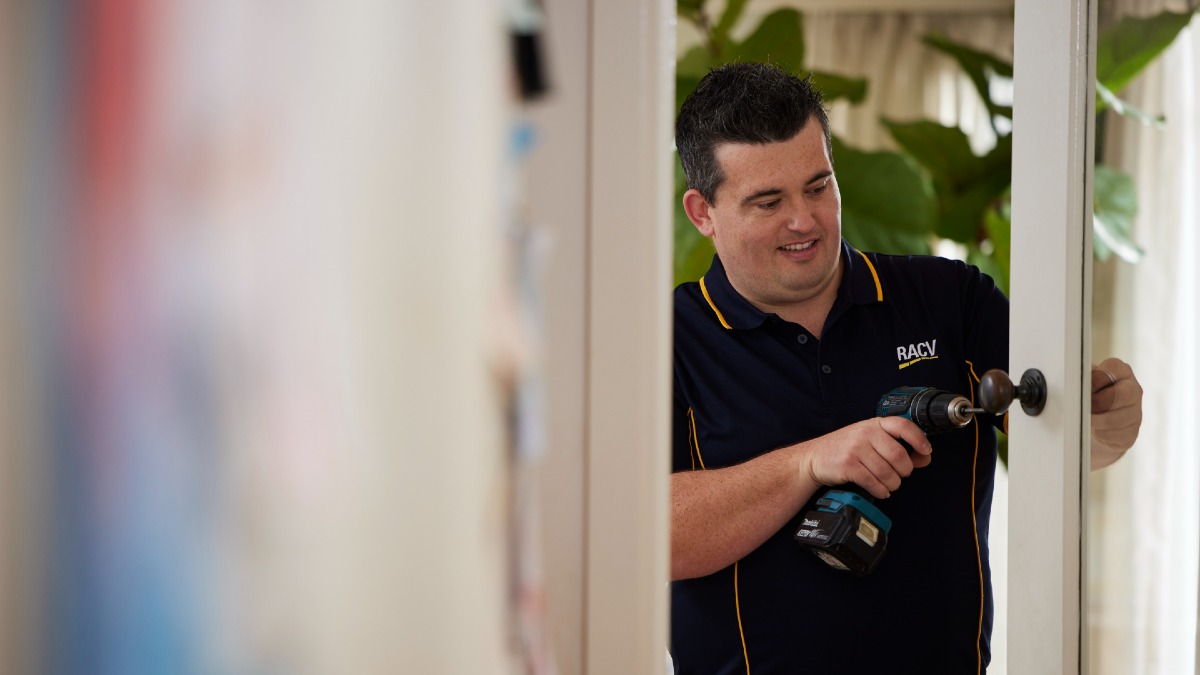
Changing locks involves removing the existing lock and replacing it with a new one. This may include upgrading to a more secure locking system or installing a different type of lock.
Re-keying is generally suitable when your existing locks are in good condition, while replacing locks may be preferable if they're damaged, outdated or no longer meet your security needs.
When should you re-key your locks?
Re-keying can be a practical and cost-effective way to improve home security without replacing the entire lock.
Here are some reasons you may consider re-keying your locks.
- You've lost your house keys and are concerned someone could find them.
- You've moved into a new home and don't know who has spare keys.
- A previous tenant, housemate or contractor may still have access.
- You want multiple compatible locks to operate with the same key.
- Your existing locks are in good working condition.
A qualified locksmith can assess whether your locks are suitable for re-keying.
More: The most common home emergencies for calls to tradies
When is it better to replace your locks?
Changing locks may be the better option when your existing locks are damaged, unreliable or no longer provide adequate security.
Here are some reasons you may consider replacing your locks.
- A lock was damaged during an attempted break-in.
- Your keys regularly stick or the lock is difficult to operate.
- Your locks are old, worn or showing signs of corrosion.
- You want to upgrade to deadbolts, smart locks or other security features.
- Your existing locks cannot be re-keyed.
Replacing locks also provides an opportunity to review your home's overall security.
A qualified locksmith can re-key or replace your locks.
Should you re-key or change your locks if you lose your keys?
If you've lost your house keys, the best option depends on where they were lost and whether someone could identify your address.
If your keys were stolen or lost alongside identification showing your address, consider arranging a locksmith promptly. Re-keying is often sufficient if your existing locks are secure and undamaged.
However, changing locks may be necessary if re-keying isn't possible or you want to upgrade your security.
More: Safest places to keep your keys - how to avoid losing house and car keys
Should you change the locks when you move into a new home?
Re-keying or changing locks is a sensible precaution when moving into a new house, apartment or investment property.
Even if the previous owners or occupants have returned their keys, you can't be certain how many copies exist. Re-keying suitable locks can prevent old keys from working, while replacing outdated or damaged locks can improve security.
If you're renting, check with your landlord or property manager before arranging changes, as Victorian rental rules apply.
More: Security tips for moving and protecting your new home
Should you change your locks after a break-in?
After a break-in or attempted burglary, inspect your doors and locks for damage. If locks have been forced, damaged or compromised, replacement is generally recommended.
If keys were stolen but the locks remain intact, re-keying may be sufficient.
Report the incident to Victoria Police and contact your insurer if necessary. Avoid disturbing potential evidence before police have assessed the scene.
A locksmith can help secure your property and recommend suitable repairs or replacements.
Re-keying or changing locks is a sensible precaution when moving into a new home.
Can all door locks be re-keyed?
Not all locks can be re-keyed.
Many traditional cylinder locks can be re-keyed, including certain deadbolts and door handle locks. However, some older, specialised or integrated locking systems may require replacement.
Smart locks and electronic locks may allow access codes or digital credentials to be changed instead.
A locksmith can identify your lock type and recommend the most appropriate solution.
More: Guide to the best locks for front doors and other entrances
Is it cheaper to re-key or replace your locks?
Re-keying is generally cheaper than changing locks because it involves modifying the existing mechanism rather than purchasing and installing new hardware.
However, the final cost depends on the number and type of locks, their condition, labour requirements and whether emergency or after-hours service is needed.
Replacing locks typically costs more, particularly when upgrading to premium security hardware or smart locks.
Ask your locksmith for a quote before proceeding.
More: Guide to the best window locks for security
When should you call a locksmith?
Contact an emergency locksmith if you've lost your keys, been locked out, experienced a break-in or noticed problems with your door locks. They can assess your existing hardware, explain whether re-keying or replacement is appropriate, and help restore your home’s security.
For eligible home lockout emergencies, RACV Emergency Trades can arrange a qualified locksmith 24 hours a day through a one-off emergency callout. If you’re planning ahead, an annual Emergency Home Assist plan provides assistance for future qualifying emergencies, subject to a 72-hour waiting period.
Whether you need help now or are preparing for the unexpected, professional advice can help you address lock problems and understand your options.
More: Locked out, lost keys and broken locks - when to call a locksmith
RACV Trades is a trading name of RACV's trade partner, Club Home Response Pty Ltd (Victorian registered domestic building practitioner number CDB-U 100178). All works are performed or arranged by Club Home Response Pty Ltd. trading as RACV Trades. See RACV Trades terms and conditions.

