Thank you for subscribing

You’ll be sent the latest news, exclusive offers and competitions to your inbox.

Winter home maintenance checklist: how to prepare your home for cold weather

Mother on couch with two young children laughing and reading books.
RACV

June 03, 2026

A few simple winter maintenance jobs can help keep your home warmer, safer and better protected from cold-weather damage.

Winter can be hard on homes, with cold snaps, heavy rain and stormy weather all putting extra pressure on heaters, roofs, gutters and hot water systems. A few simple maintenance checks before the season sets in can help keep your home warmer, safer and less likely to need costly repairs.

RACV Emergency Home Assist (EHA) sees a significant increase in callouts in winter for issues that could often be prevented with regular servicing and checks. In 2025, EHA attended more than 8000 callouts for broken hot water systems (4175), broken or damaged heating systems (3625) and gas leaks (895), with demand highest between May and July.

“Cold weather puts homes under extra strain, and winter is often when hidden issues start to show,” says RACV Trades Senior Product Manager Nathan Tayeh.

"Checking your heater, clearing gutters and making sure your hot water system is working properly can go a long way towards keeping your home warm, safe and running smoothly this winter.”

Here’s a guide on how to make sure your home is well prepared for winter. 

Try RACV’s free electrification calculator to estimate your savings when going electric.

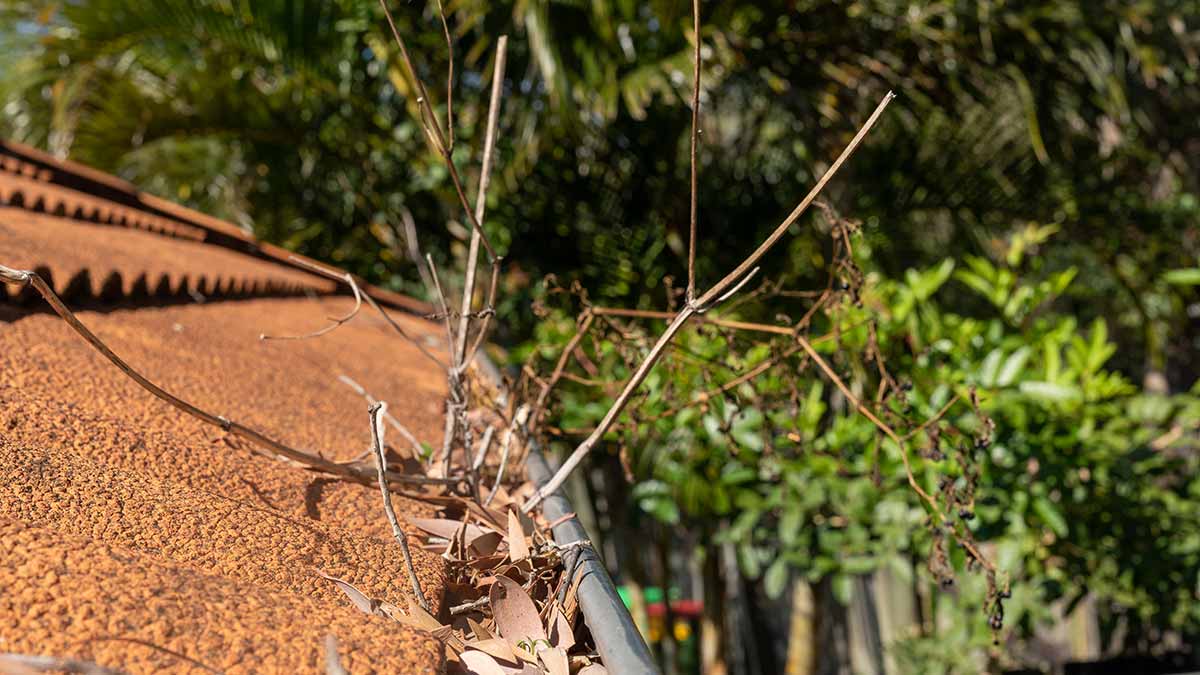
Old roof and gutters on Australian house full of leaves and twigs.

Leaving your gutters blocked with leaves and debris increases the risk of water damage inside the home. Image: Getty

Quick winter home maintenance checklist

What should be on a winter home maintenance checklist?

Service your heater before winter

A well-maintained heating system is essential for keeping your home warm and your energy bills manageable during winter. Having a qualified professional inspect your heating system can help identify worn parts, leaks or inefficiencies before they lead to a breakdown on a cold day.

Servicing can also improve air quality by addressing dirty filters and blockages. If you have a gas heater, regular maintenance is especially important because it can help identify potential safety issues.

Worth the investment: If your heater is old or inefficient, upgrading to an energy-efficient split system could help keep your home comfortable while using less energy.

More: How to save money while staying warm this winter

Clean gutters and downpipes

Cleaning gutters before winter helps rainwater flow away from your roof, walls and foundations. When gutters and downpipes are blocked by leaves and debris, water can overflow and lead to roof leaks, damp patches and damage inside the home.

Because working at height can be risky, consider a professional gutter cleaner who can also spot signs of roof or gutter damage that may need repair.

More: Regular house maintenance that can help with home insurance

Seal draughts around doors and windows

One of the easiest ways to prepare your house for winter is to stop warm air escaping. Check for gaps around doors, windows, floorboards and vents, then seal them with weather strips, door snakes or other suitable products.

Reducing draughts can make your home feel more comfortable, ease pressure on your heater and help reduce heating costs during winter.

Worth the investment: For a longer-term fix, insulating walls and floors or upgrading to double glazing can help reduce heat loss and improve comfort in future winters.

More: How to insulate a house in a cost effective way

Learn how to seal door gaps with RACV's Handy Andy


Test your smoke alarms

Smoke alarms are one of the most important home safety checks at any time of year, but they are especially important in winter when heaters, electric blankets and extra appliances may be used more often.

Test each alarm regularly using the test button and replace batteries or the whole unit as needed according to the manufacturer’s guidance. If you are unsure whether your alarms are up to standard, arrange a professional check.

More: Guide to home fire hazards, prevention and safety

Check your hot water system

Winter is not the time to discover your hot water system is struggling. Check for signs of trouble such as inconsistent water temperature, unusual noises, rust, leaks or reduced water pressure.

If your system is older or showing signs of wear, booking a plumber before peak winter demand can help you avoid an inconvenient breakdown.

Worth the investment: If you’re thinking longer term, rooftop solar and battery storage can help reduce household energy costs and improve overall efficiency.

More: Guide to heat pump hot water systems

Trim branches that could damage your home

Heavy rain, strong winds and storms can bring down weak or overhanging branches. Trimming back branches near your roof, gutters, driveway or powerlines can help reduce the risk of damage during winter weather.

Small jobs may be manageable from the ground, but larger trees or branches near structures or electrical lines should be handled by a qualified arborist.

More: Why pruning and trimming trees can protect your home

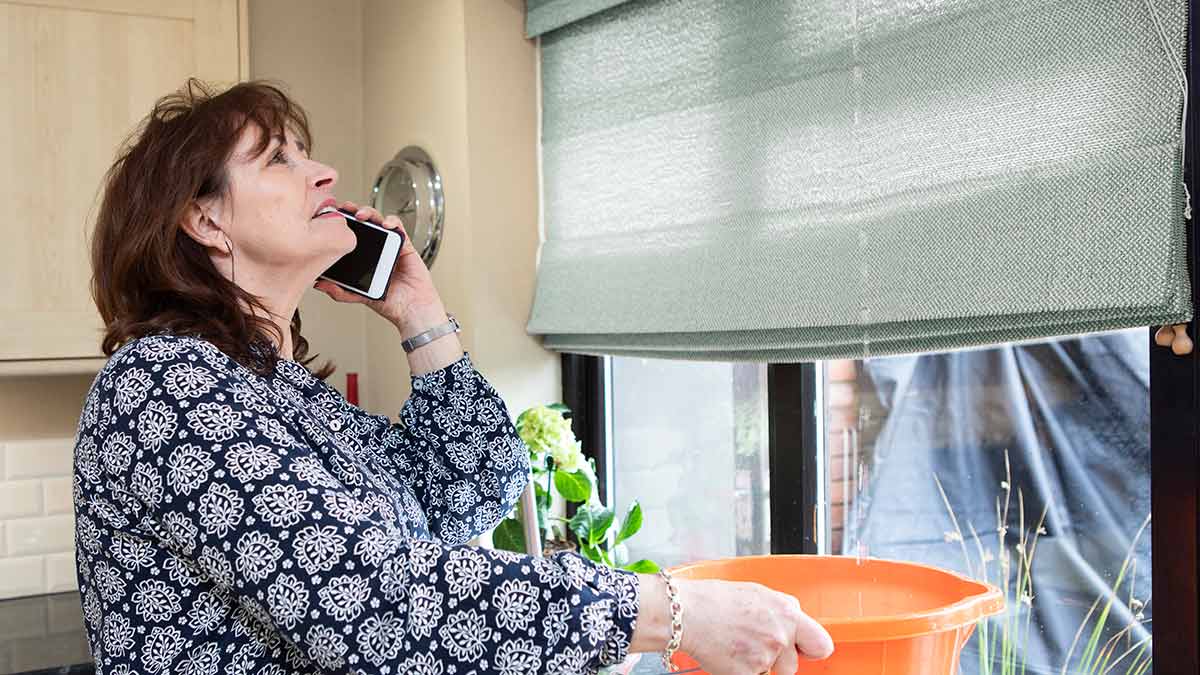
Woman on phone, holding orange bucket and looking up at ceiling leak

Don't wait until a storm to discover you have a roof issue. Image: Getty

Check your roof for leaks and damage

Your roof is your home’s first line of defence against winter weather. While roof inspections and repairs are best left to a professional, there are still some safe checks you can do yourself from inside your home or at ground level.

Look for warning signs such as cracked or loose tiles, damaged flashing, blocked valleys, sagging gutters, water stains on ceilings and other signs that rain may be getting in. If you spot an issue, a qualified roofer can inspect the roof more closely and carry out any necessary repairs before a small problem turns into major water damage during a storm.


More: Guide to house roof leaks, repairs, maintenance and reroofing

Protect exterior timber

If you have a weatherboard house, it’s important to regularly inspect the timber for any signs of cracks or rotting. Extreme weather, such as storms, can damage the surface of the weatherboards. 

It’s also advisable to wash your weatherboard home once a year to remove dirt and dust and to repaint it every five to seven years to ensure the integrity of the boards and prevent rot. Weatherboards homes are also susceptible to termite damage, so maintain air flow under the house and keep dead foliage away from the foundations.

More: What are the benefits of a property inspection?

Inspect your chimney and fireplace

If you have a fireplace and chimney, an annual inspection is essential. Over time, chimneys can accumulate creosote, a highly flammable byproduct of burning wood, which poses a significant fire hazard if not removed. Additionally, blockages caused by debris, animal nests, or structural damage can obstruct the airflow, leading to smoke and harmful gases like carbon monoxide backing up into your home.

A thorough inspection and cleaning by a professional can identify and rectify these issues, helping ensure that your fireplace operates safely and efficiently throughout the winter months. 

More: Gas, electric or wood: the best type of fireplace for your home

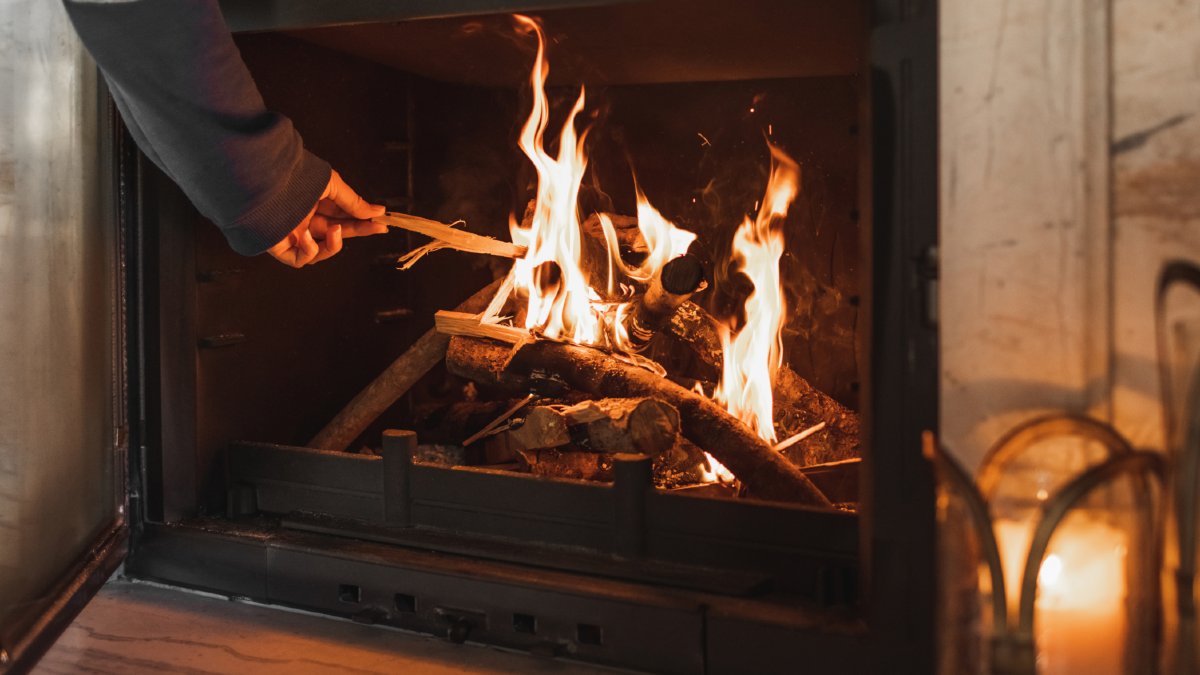
person placing a stick on an indoor fireplace

Get your fireplace checked and cleaned to ensure it's safe and efficient through winter. Image: Getty

Which winter home maintenance jobs can you do yourself?

Some winter home maintenance tasks are straightforward for homeowners, while others are safer and more effective when handled by a qualified professional.

  • Usually suitable for DIY: testing smoke alarms, checking for draughts, looking for visible roof leak signs from inside the home, and clearing small ground-level debris.
  • Leave to a professional: heater servicing, gutter cleaning at height, gas-related issues, major roof repairs, and tree work near buildings or powerlines.

Winter home maintenance FAQs

Heating systems often sit unused for months, so worn parts, dirty filters or hidden faults may not become obvious until you need them again. Getting a professional to test and service your heater before winter can help reduce the chance of an inconvenient breakdown when demand for repairs is high.

Cold weather, indoor heating and poor ventilation can cause moisture to build up on windows, walls and ceilings. Over time, that dampness can contribute to mould growth, especially in bathrooms, laundries and poorly ventilated rooms. Keeping gutters clear, fixing leaks and improving airflow can all help.

Common warning signs include water stains on ceilings, damp patches on walls, peeling paint, musty smells and overflowing gutters during rain. Catching these issues early can make repairs simpler and help prevent more serious water damage.

Sealing draughts may help reduce heating costs, while servicing your heater, checking your hot water system and dealing with roof or gutter issues early may help you avoid larger repair bills later.

Preparing your home for winter does not need to be complicated. A few timely maintenance checks can help protect your property, improve comfort and reduce the risk of avoidable problems during the colder months.


Need help fast this winter?

RACV Emergency Home Assist