
From burst pipes to electrical faults, unexpected issues can lead to potential damage and pose safety risks at home. Find out the most common reasons for calling an emergency trade and how to get help when you need it most.
Maintenance
How to clean rangehood filters – common problems and tips
Learn how to clean a greasy rangehood, wash rangehood filters, remove built-up oil and when to call a licensed electrician.
Rangehoods are a sometimes overlooked, but highly important, appliance in modern kitchens. Installed over cooktops, they serve to extract steam, grease and fumes created through the cooking process that could otherwise damage your home or effect your health.
But to keep them working effectively rangehoods and their filters must been kept clean. Fortunately, the process is easier than you might think.
Here's how to keep your rangehood and filters clean – and what signs mean you should call in an expert.
For more practical advice on choosing, using and maintaining home appliances, explore RACV’s latest appliance guides.
In this article
Why do you need to clean your rangehood?
Keeping your rangehood clean is important for three main reasons:
1. Safety
A dirty rangehood can pose a fire hazard, with trapped grease and debris in the filters able to drip onto your stove and start fires. Dirty filters can also prevent the appliance from effectively extracting smoke, fumes and steam, potentially worsening the air quality in your home.
2. Running costs
Dirty rangehoods have to work harder to function. Similar to dirty filters in an air conditioning unit, this leads to the appliance drawing more electricity and costing more to run.
3. Longevity
A rangehood that is cleaned regularly is likely to last longer than one that is always dirty. Keeping your rangehood clean prolongs the life of the appliance, helping you get the most bang for buck.
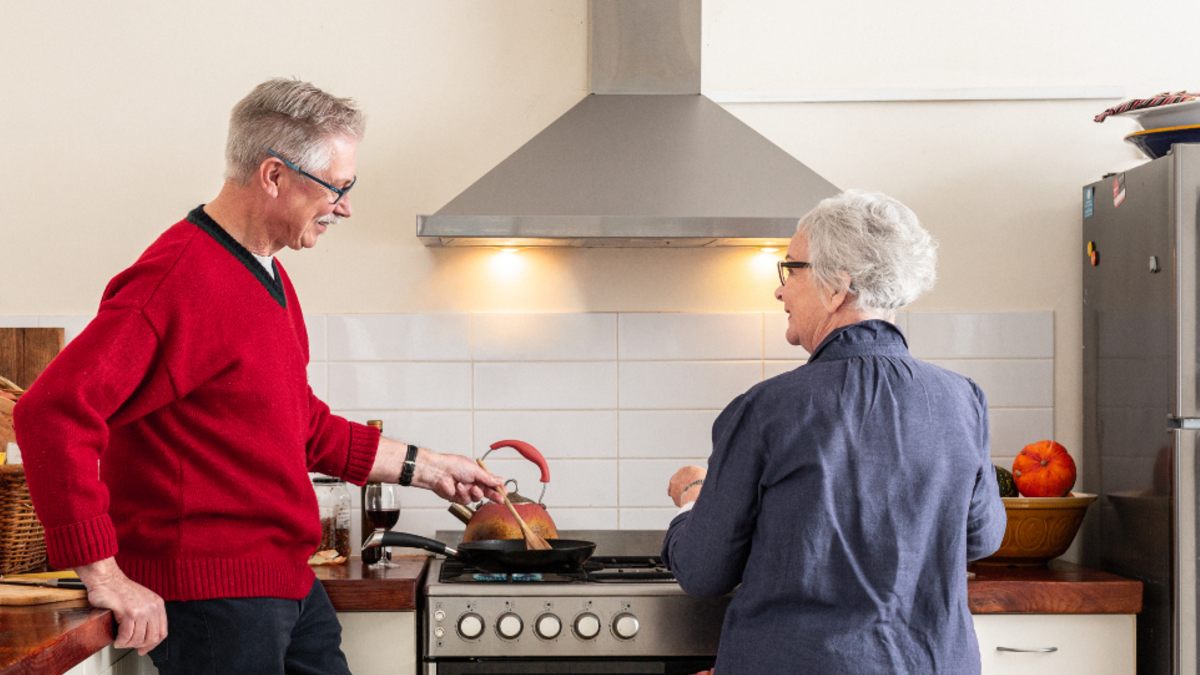
Fat dripping from a rangehood onto a gas stove is a kitchen fire risk.
How often should you clean your rangehood and its filters?
The following is a rough guide to how often you should clean your rangehood and its filters.
External rangehood surfaces: Wipe down daily
Filters and internal surfaces: Clean every one to two months.
Signs you need to clean your rangehood
Your rangehood might need cleaning if you notice:
- Weak suction
- Bad smells
- A noisy or tired sounding fan
- Dripping grease.
Noticing any of these signs can indicate that your rangehood or its filters need cleaning or replacing. Contact a licensed electrician if the problem persists even after cleaning.
More: The home maintenance jobs you should always call an electrician for.
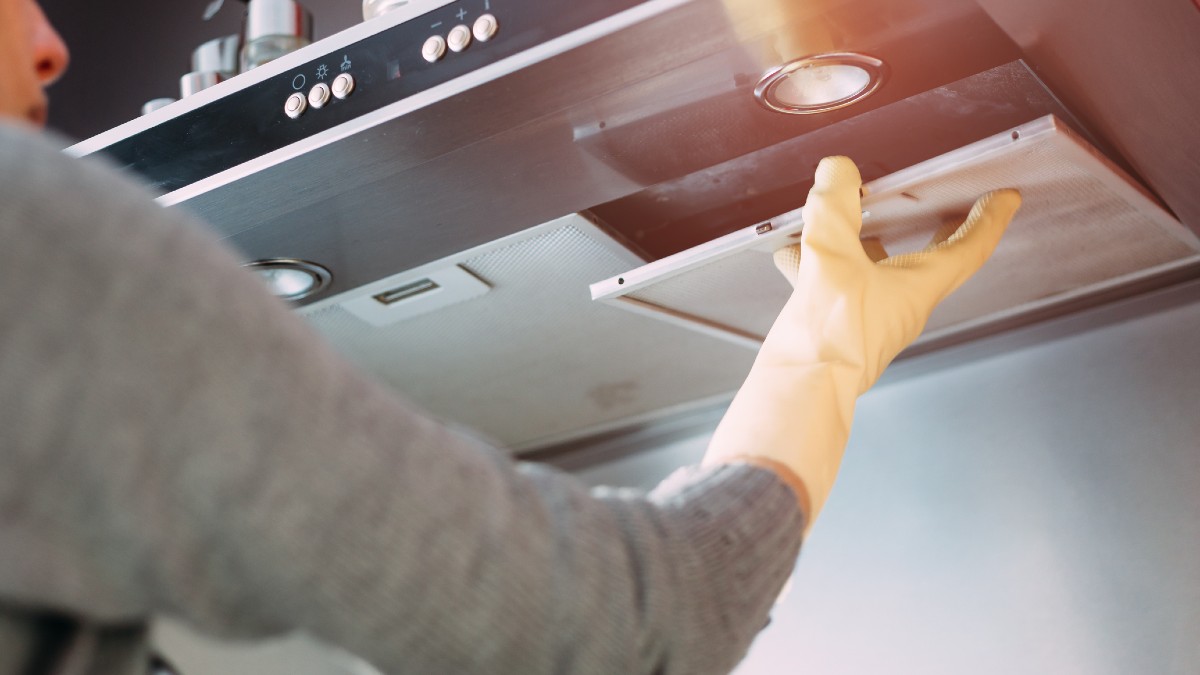
Wearing rubber gloves to remove rangehood filters protects your hands and provides a better grip. Image: Getty
How to clean your rangehood
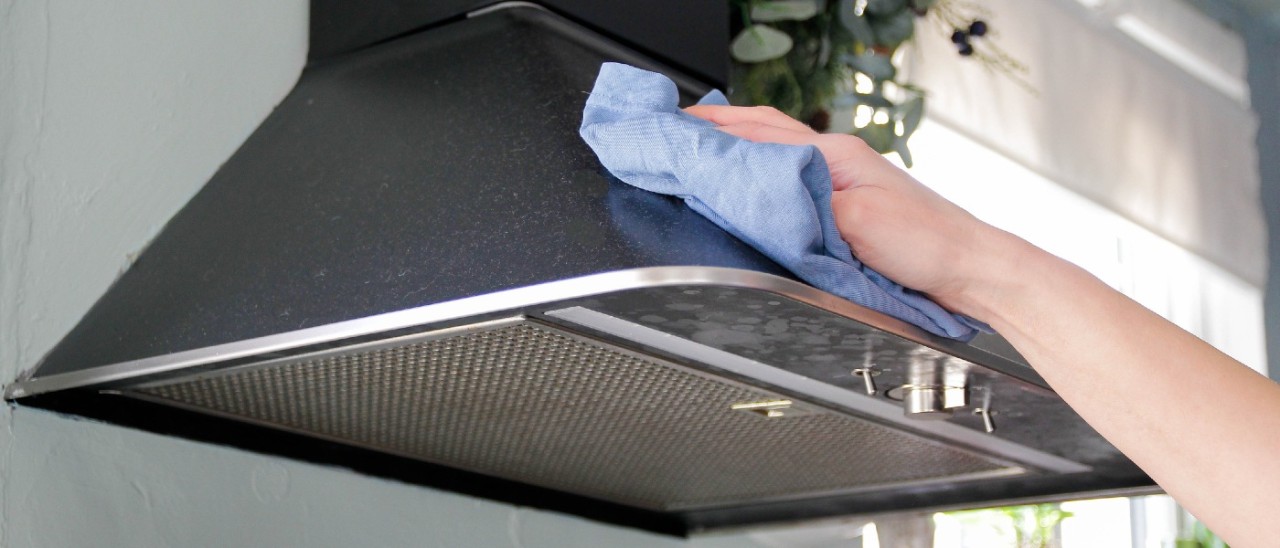
Get into the habit of wiping down the external casing of your rangehood with warm, soapy water and a soft cloth after each use (and especially after cooking oily or fatty foods on the stovetop). This will slow down grease and grime build up, reducing the need for big cleans.
Avoid using a scourer or abrasive cleaning implements on your rangehood, as this can scratch the surface. For stainless steel rangehoods, follow the direction of the steel grain when wiping down the appliance.
Can you clean the inside of your rangehood?
In many cases, yes, you can clean the inside of your rangehood. However, you should only gently clean the internal surfaces that are visible and easily accessible.
Turn off the appliance, remove the filters, then use warm, soapy water and a soft cloth to wipe down and remove any built-up grease or grime inside the rangehood. You want the cloth to be damp, but not dripping water, when cleaning. An old, soft toothbrush can be helpful for cleaning any small spaces or tight corners.
Dry completely with paper towel before reinstalling the filters.
Do not touch or take apart wiring or electrical components. If any such components look like they need to be cleaned or fixed it's best to contact a licensed electrician for assistance.
Consult your rangehood's manual for further guidance on safe cleaning of your rangehood's internal surfaces.
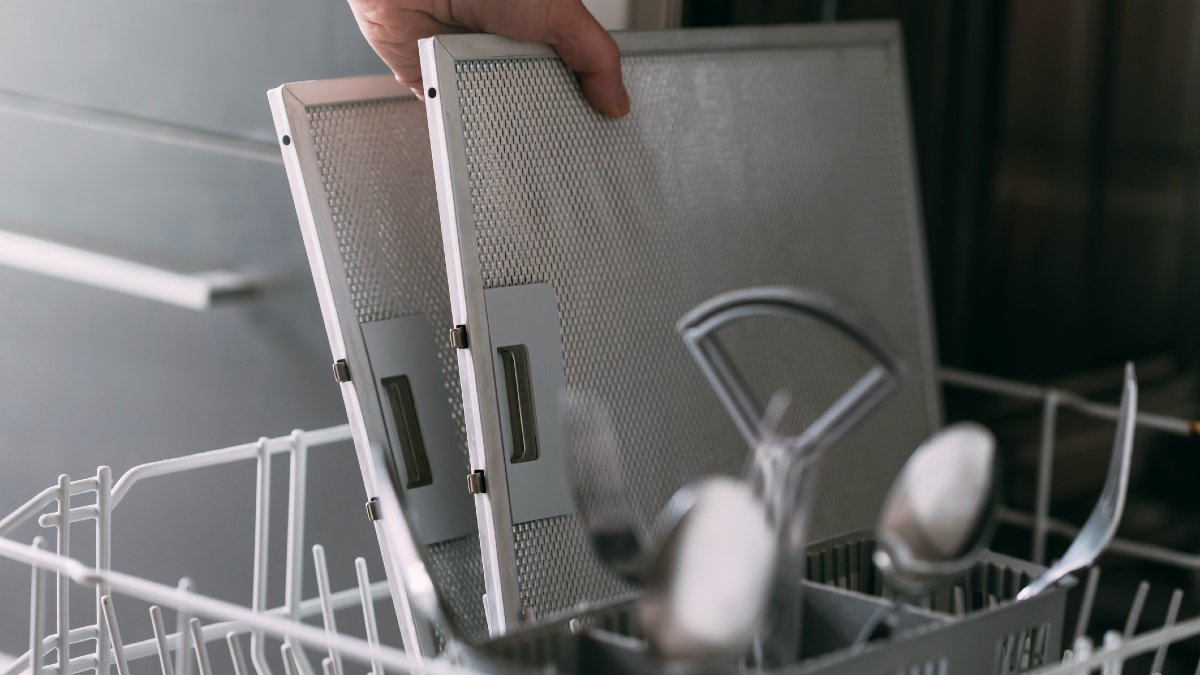
Metal rangehood filters can often go in the dishwasher but always check the appliance's manual first. Image: Getty
How to clean rangehood filters
Metal rangehood filters
Metal filters made out of aluminium or stainless steel are the most common filters found in rangehoods. While they can get very greasy if left unchecked, they are generally very easy to clean.
- Turn off the rangehood.
- Wearing rubber gloves, detach the filters from the rangehood. There should be a tab or button to assist with this – check the appliance manual if unsure.
- Fill a sink with hot, soapy water. Dishwashing liquid works well for cutting through grease.
- If the filters are very dirty, allow them to soak for 10 minutes.
- Use a dish sponge, brush or cloth to gently scrub the filters. Take care not to bend the filters.
- Rinse the filters in clean water and pat dry with a tea towel. Filters with a metal mesh can be difficult to fully dry with a cloth – leave them to dry in a warm, sunny location propped up on an angle to allow residual water to drain or evaporate away.
- Once dry, reattached the filters to the rangehood.
Charcoal or carbon rangehood filters
Charcoal or carbon rangehood filters typically cannot be washed. Instead, they must be replaced on a regular basis. Your rangehood manual should specify how often they'll need replacing, but usually every few months is a good rule of thumb.
Can you put your rangehood filters in the dishwasher?
Yes, in many cases you can put metal rangehood filters in the dishwasher. Check your appliance's manual to confirm if they're dishwasher safe.
When to call an electrician for your rangehood
Cleaning your rangehood and its filters is a task that most people can safely undertake themselves.
If you notice any of the following issues in your rangehood, however, it's best to contact a licensed electrician to investigate.
- Rangehood doesn't turn on
- Rangehood light flickers or won’t turn on
- Fan doesn’t work, sounds laboured or intermittent (even when clean)
- Your safety switch trips when turning on your rangehood
- Exposed or damaged wiring
- Burning smells
- Sparks or buzzing noises
Do I need an electrician to install a new rangehood?
If your rangehood needs to be hardwired, or a new power point needs to be installed, the electrical work must be carried out by a licensed electrician.
Replacing an existing rangehood may be more straightforward if it plugs into a suitable, accessible power point. However, you should still check the manufacturer’s instructions and use a licensed tradesperson if any electrical, cabinetry, ducting or roofing work is required.
Electrical work should not be treated as a DIY task, as it must meet relevant Australian standards and be completed safely.
RACV Trades is a trading name of RACV's trade partner, Club Home Response Pty Ltd (Victorian registered domestic building practitioner number CDB-U 100178). All works are performed or arranged by Club Home Response Pty Ltd. trading as RACV Trades. See RACV Trades terms and conditions.

