
A step-by-step guide to making and managing a car insurance claim if your motor vehicle is damaged in an accident or unforeseen event.
Car Safety


How to keep your car cool in summer and stay safe
Don’t let the Australian summer catch you off guard. Whether you’re navigating Melbourne’s busy streets, exploring Victoria’s scenic coast, or venturing into bushland, discover practical strategies to keep cool, stay safe, and enjoy every journey.
Australian summers can be harsh on both drivers and vehicles. Rising temperatures, relentless sun and long holiday road trips all place extra stress on your car.
Extreme heat can have a significant impact on vehicle performance and longevity. High cabin temperatures can also lead to driver fatigue, loss of concentration and irritability, increasing the risk of a collision.
With a few smart practices and some seasonal preparation, you can ensure your car, whether it's petrol, diesel, electric or hybrid, remains reliable even when the temperature soars.
In the event your car does overheat and you’re left stranded, contact RACV Emergency Roadside Assistance for help.
More: What is a heatwave and how to keep safely cool during one
In this article
- How hot can a car get in summer?
- Is it dangerous to leave children or pets in a parked car during summer?
- What are the best ways to keep my car cool when parked?
- Are there products that help keep cars cool?
- Can window tinting help keep my car cool?
- How can I protect the steering wheel and seats from heat?
- How can I keep my car cool while driving?
- What maintenance should I do to prepare my car for summer?
- Do electric cars overheat?
How hot can a car get in summer?
A car’s interior can reach dangerous temperatures very quickly, even on mild days.
According to James Williams, RACV Head of Policy, tests conducted by RACV have shown that vehicle interiors can reach more than 70°C in just minutes when the outside temperature is only 30°C.
Cracking windows does not significantly slow the heating process or reduce the maximum temperature.
Is it dangerous to leave children or pets in a parked car during summer?
Absolutely. Williams warns that even a few minutes in a hot car can be life-threatening. Children, pets, and vulnerable adults should never be left in a parked car, regardless of outside temperature. Heatstroke and dehydration are among the most immediate and severe risks, and symptoms can escalate rapidly.
RACV Emergency Roadside Assistance regularly rescues children and pets from locked vehicles across Victoria. In the past year, as of November 2025, RACV responded to 1,109 lockout emergencies, rescuing 514 children and 595 animals from parked cars.
What are the best ways to keep my car cool when parked?
Where you leave your car can make the biggest difference to its interior temperature. Parking in shade offers immediate relief from the sun, greatly reducing heat buildup even if the vehicle remains stationary for several hours. Shaded parking also slows down deterioration of paintwork and plastics, extending the life of your vehicle's exterior.
Trees, undercover car parks and multi-level shopping centre structures are all beneficial options that help keep external surfaces cooler. Even a simple carport provides important shelter from overhead heat and direct UV radiation.
If your workplace or daily routine requires parking outdoors, you can try to position the car so that the sun moves behind a building or tree throughout the day, offering gradual protection as time passes.
More: How to read parking signs in Victoria
Are there products that help keep cars cool?
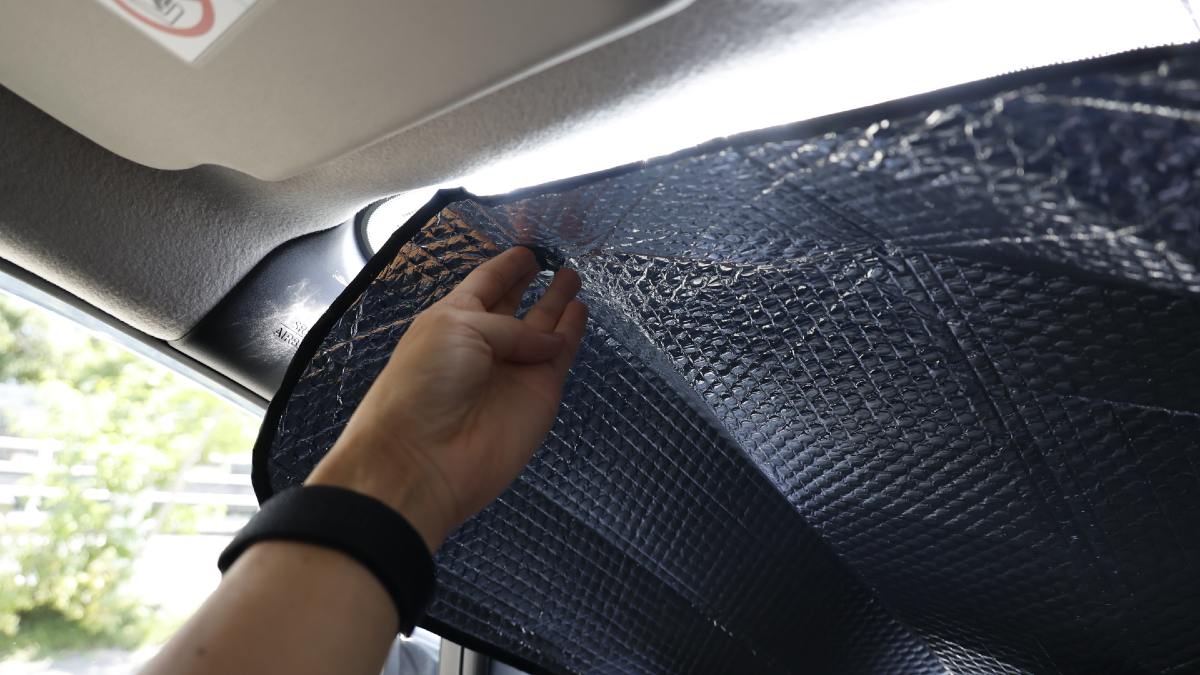
Sunshades are among the most effective ways to keep your car cool when parked. A reflective windscreen shade blocks direct sunlight from entering the cabin, preventing the dashboard and steering wheel from heating up. This not only lowers the initial cabin temperature when you return to the vehicle, but also protects interior materials from fading and cracking. Choosing sunshades with UV-resistant materials provides an extra level of defence against Australia's strong sunlight.
Rear window covers and side-window shades offer additional cooling benefits, especially if your vehicle has large glass panels that allow significant heat transfer.
Can window tinting help keep my car cool?
Yes, quality window tinting can block a significant amount of solar heat and UV rays. Professional tinting must meet Victorian road regulations, but when done correctly, it can significantly reduce cabin temperatures while improving visibility and reducing strain on your eyes.
How can I protect the steering wheel and car seats from heat?
A scorching steering wheel or car seat can make your first moments back in the car extremely uncomfortable. Using simple accessories such as steering-wheel wraps, cloth tarps, and seat covers that are compatible with airbags helps prevent direct sunlight from heating these surfaces.
Light-coloured fabrics reflect more sunlight than dark materials, which helps maintain a cooler cabin tone. Leather seats also benefit from additional protection because they absorb heat quickly and can become dangerously hot on exposed skin.
If your car has cloth seats, they typically retain less heat, but you can still improve comfort by placing a breathable cover over them when parking in direct sun. Some drivers keep a towel in the car during summer for quick protection when leaving the vehicle temporarily.
You may wish to try cooling seat covers and gel pads. If your car has built-in ventilated or cooled seats, only use seat covers made of breathable materials that allow airflow.
Windshield reflectors reflect heat away from the car to reduce interior temperatures. Image: Getty
How can I keep my car cool while driving?
Ventilate your car before driving off
A parked car traps hot air, especially near the roofline where temperatures climb fastest. One of the simplest ways to cool your vehicle is to release this trapped air before entering. Opening all doors for a short period allows hot air to quickly escape, making it easier for the air-conditioning system to stabilise the temperature once the engine is running.
Some newer vehicles, including electric vehicles, include remote-start or ventilation systems that allow drivers to pre-cool their cars before getting inside. If your vehicle offers this feature, you can use it to run the air-conditioning for a few minutes while the car remains locked. However, never run a petrol or diesel vehicle in an enclosed garage due to the risk of carbon monoxide poisoning.
Control airflow through your car
Many drivers assume that blasting the air-conditioning on the coldest setting is the fastest way to cool the car's cabin. However, using a more strategic approach can help your car stay cooler while using less fuel. Once you begin driving, use the 'fresh air' mode to push hot air out of the vehicle. After a few minutes, switch to 'recirculate' mode to circulate chilled air rather than pulling in warm air from outside.
Ensuring vents are angled correctly also enhances cooling efficiency. Directing cold air toward the upper body rather than the feet helps regulate your temperature more effectively.
Moving the air-conditioning to a slightly higher temperature setting once the cabin is comfortable reduces energy use and helps preserve long-term engine and battery performance. Ensure you replace your vehicle's cabin filter every second service to maintain a clean air flow into the cabin.
Monitor your dashboard
Pay attention to your car's temperature gauge on the dashboard. If the temperature goes up rapidly and unexpectedly, it may indicate an overheating issue. To avoid engine damage, stop driving and seek emergency expert assistance if you're not confident checking the vehicle yourself.
Always watch and listen out for warning signs. If you have a modern car, your car dashboard will likely turn on warning lights that can help you decipher where the issue might be. In an older vehicle without a comprehensive dashboard, you may need to listen out more for any unusual noises, such as boiling or hissing sounds, which could indicate cooling system problems. Never inspect a cooling system while it is hot.
Stay safe by managing heat during long drives
Staying safe on the road requires more than cooling the cabin. Ensuring you begin your journey well-hydrated helps maintain alertness and reduces fatigue. Keep a supply of cool water in the car and drink regularly to stay hydrated, plus wear sunglasses while driving in strong sunlight.
Scheduling rest breaks is also essential. Stopping every two hours helps manage fatigue, allowing you to stretch stiff muscles and provide a mental reset. Walking into a shaded, air-conditioned rest area for a few minutes can dramatically improve your alertness.
If you're travelling with children or pets, ensure they remain hydrated and protected from direct sunlight. Never leave a child or animal unattended in a vehicle, even for a moment.
Schedule your trips during cooler parts of the day to keep safe on the road and avoid peak hours for heat and traffic.
What maintenance should I do to prepare my car for summer?
Plan your travel around cooler times of day
Adjusting your schedule around the weather is one of the easiest ways to stay safe and keep your car cool. Early mornings and late afternoons offer more comfortable driving conditions and reduce the likelihood of overheating. Travelling outside peak heat can also improve fuel efficiency because the air-conditioning system doesn't need to work as hard.
Choosing to avoid long stretches of exposed, rural highways during the hottest periods of the day also keeps you safer, especially if you're covering long distances between towns. If a heatwave is forecast, check road-weather alerts, fire danger ratings and travel conditions to help plan your route more effectively.
Maintain your air-conditioning system for better cooling
Your car's air-conditioning system works especially hard during summer, so proper maintenance is essential for effective cooling. Regular servicing ensures components such as refrigerant gas, compressors, filters and fans remain in good working order.
When air-conditioning systems start to lose efficiency, drivers often compensate by lowering the temperature setting, which forces the system to work even harder. This cycle continues until the system struggles to cool the cabin at all. Having your air-conditioning checked by a qualified technician once a year keeps it running efficiently and reduces the risk of sudden failures during a heatwave.
Clean cabin air filters also make a significant difference, improving both cooling performance and air quality. If you notice unpleasant odours or reduced airflow, it may indicate the filter needs replacing or the system requires professional cleaning.
If you have an electric vehicle, on days above 35°C, the cooling system uses extra battery energy to protect the battery, which can reduce the EV’s range by up to 10 per cent. Using air conditioning may also slightly reduce range but using ventilated seating instead can be more energy efficient.
Monitor vehicle fluid levels to prevent overheating
Hot weather places considerable stress on petrol and diesel engines, so monitoring coolant levels, engine oil and transmission fluids becomes even more important during summer. Coolant is the main defence against overheating. If levels are low or the coolant is old, the engine is more likely to overheat in traffic or on long drives. Checking coolant levels regularly (when the vehicle is cold), and following manufacturer recommendations for flushing and replacing coolant helps prevent breakdowns. If in doubt, book an appointment with your mechanic.
Engine oil also plays a key role in keeping components cool. When oil degrades, it loses its ability to lubricate and dissipate heat. Fresh, high-quality oil helps keep the engine running smoothly.
Your car's radiator helps to control the temperature of your car's engine, so periodically inspect the radiator for any leaks, corrosion or damage. Ensure that the radiator fins are clean and free from debris, using a soft brush or compressed air to remove any obstructions. Inspect the radiator cap for wear and tear too: a faulty cap may lead to loss of coolant and subsequent overheating.
Ensuring your vehicle receives routine servicing is the best way to protect against heat-related issues. Drivers planning long road trips should also consider booking a service before travelling.
Do electric vehicles overheat?
EV batteries work best between 15–35°C, ideally around 22°C, and are less likely to overheat than internal combustion engine (ICE) vehicles because their motors generate less heat.
Most modern EVs use active thermal management systems (similar to radiators in ICE vehicles, but often with efficient heat pumps) to keep batteries within the optimal temperature range. For example vehicles including, Tesla models can pre-condition their batteries for optimal charging.
On very hot days (above 35°C), the cooling system uses extra battery energy to protect the battery, which can reduce the EV’s range. Using air conditioning also slightly reduces range.
During extreme heat, electric vehicle owners can consider charging overnight or in the shade to reduce energy consumption and the need for active cooling.
More: Research and compare electric vehicles
What should I do if my car overheats while driving?
- Pull over safely and turn off the engine.
- Wait for the engine to cool before opening the bonnet.
- Check coolant levels and look for leaks, if it's a petrol or diesel vehicle.
- Call for roadside assistance if needed.
How do I prepare for a roadside emergency?
A car emergency kit may help you in the event of a breakdown while you wait for assistance. The kit may include basic tools and supplies in your car, such as a flashlight, coolant and a funnel for emergency cooling system interventions.
Make sure to keep a container of water in your car too. In case of overheating, you can use it to top up the radiator after it cools down. Always carry your own water bottle too, to keep you hydrated.

