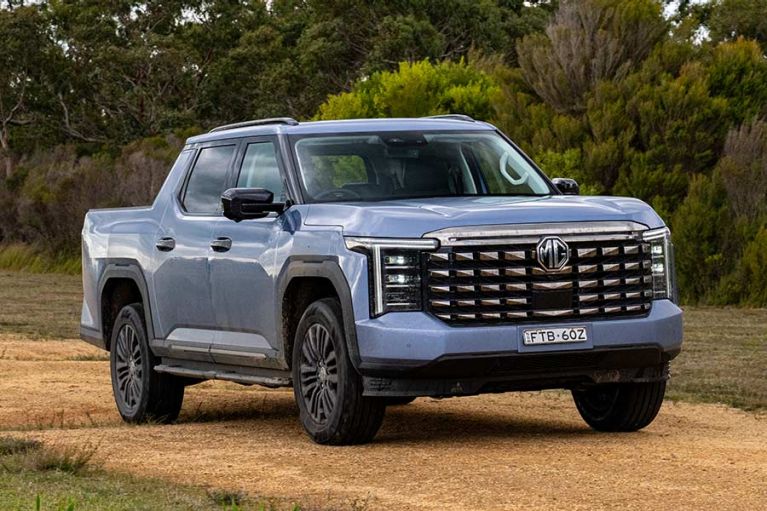
The 2026 Nissan X-Trail gets refreshed styling and upgraded specs and tech. Here’s what’s new, what it costs and when it arrives in Australia.
Car Loans

Buying a new car with finance: what to know
This article explains finance for new cars, including budgeting, loan terms and total ownership costs.
Car finance allows buyers to spread the cost of a new car over time, rather than paying the full purchase price upfront. In Australia, common options include a car loan, dealer finance or a lease, each with different costs, conditions and obligations.
Understanding how these options work can help buyers assess which approach may suit their circumstances.
More: Research and compare different cars on sale in Australia
Why people use car finance
For many buyers, finance offers predictability and structure through set repayments over a fixed term.
“Generally, a car loan is a fixed loan in nature, over a shorter term, with defined repayment amounts,” says Carlos Gasser, General Manager of RACV Finance. “Once the loan is repaid, the car remains an asset in your name.”
Some people use finance because they prefer not to pay the full purchase price upfront, while others value the flexibility of keeping cash available for other priorities.
What works best depends on individual circumstances, including income, expenses and comfort with repayments.
More: Best car finance options in Australia: compare your choices
Setting your budget before you buy
Setting a realistic budget is an important early step when considering a new car purchase.
Using a tool like RACV Car Match can help compare vehicle prices and estimate running costs, including fuel, servicing and maintenance. Any finance figures provided through these tools are estimates only and do not represent a personalised loan offer.
“It’s helpful to have a rough guide before entering the market,” says Gasser. “There’s little benefit in spending time looking at vehicles such as a Land Rover when a Chery Tiggo may be better suited to your financial position.”
Some buyers also choose to speak with a lender or financial adviser to better understand what level of repayments may be manageable for them.
Calculate your repayments: Estimate your monthly or fortnightly repayments on your loan
Applying for finance
Many people have an initial discussion with a lender before submitting a formal loan application. These conversations can help explain how applications are assessed and what information may be required.
Formal applications are typically recorded on your credit file. Applying for multiple loans in a short period may affect your credit profile, which is why some buyers gather information before proceeding.
While assessment criteria vary, lenders generally consider income, regular expenses and existing financial commitments. This process is guided by responsible lending requirements.
More: How much can I borrow for a car loan?
Choosing loan terms
When comparing car loans, two key factors are the interest rate and the loan term.
New car loans are commonly taken out for between three and seven years. Shorter terms usually mean higher repayments but less interest paid overall. Longer terms can reduce each repayment but may increase the total interest paid over time.
Understanding these trade offs can help buyers choose a loan structure that aligns with their priorities.
Total cost of ownership
The purchase price of a new car is only part of the overall cost of owning a vehicle.
Ongoing expenses may include registration, insurance, servicing, tyres, fuel or electricity, and roadside assistance. Looking at the total cost of ownership can provide a clearer picture of what a particular vehicle may cost to run over time.
Comparison tools can help estimate these costs and show how different vehicles compare, but figures should be treated as indicative only.
More: Money saving tips to help cut the costs of owning a car
Ready to start your car buying journey?
Use RACV tools and guides to help plan your purchase and understand costs before you buy:
- Compare cars with Car Match to see estimated ownership and running costs across electric, hybrid and petrol models.
- Get your personalised loan rate to understand what finance options may be available to you.
- Explore RACV Car Loans to learn about different loan types, features and eligibility.
- Read essential car-buying advice to help plan your purchase and budget with confidence.
- Browse the latest car reviews from RACV experts to compare real‑world performance and ownership insights.
R.A.C.V. Finance Limited ABN 82 004 292 291 Australian Credit Licence No. 391488. RACV Finance is subject to RACV lending criteria. Conditions, fees and charges apply.
Advice given in this article is general in nature and is not intended to influence readers’ decisions about financial products and does not take into account your objectives, financial situation or needs. You should always seek your own professional advice that takes into account your own personal circumstances before making financial decisions.