
Australians bought a record number of new cars in 2025, favouring SUVs and utes while showing a strong appetite for hybrids. EV sales also grew, and while Toyota led the field and Ford Ranger was the best seller, BYD and other Chinese brands are rising fast.
Car Maintenance
Your essential guide to test driving a new petrol or diesel vehicle
So you’re looking for a new petrol or diesel car, SUV or ute? Here's a guide to what you need to know before testing, buying and driving away in the best vehicle to suit your needs.
Buying a new car is a significant financial decision, one that most Australians make only a handful of times in their lives.
When deciding what car to buy next, today’s buyers are weighing up a complex mix of factors, including technology, practicality, cost and car finance. The Australian market has seen a rapid shift towards hybrids and battery electric vehicles (BEVs), especially in the medium car and medium SUV segments, but petrol and diesel vehicles still have a strong presence.
The AAA's latest quarterly report shows nearly 70 per cent of sales were internal combustion engine vehicles, while hybrids (16 per cent) and BEVs (9.7 per cent) accounted for just over a quarter of the market, with plug-in hybrids (PHEVs) making up a smaller share at 4.12 per cent.
If you’re a first-time car buyer looking for a budget-friendly car, choosing a new petrol or diesel car can seem overwhelming with so much choice on the market. Even for those purchasing their second or third vehicle, the rapid advancements in automotive technology over the past five to ten years can make the process feel overwhelming.
Thankfully, RACV’s Motoring Editor, Andrew Matthews, has you covered with a step-by-step guide steering you in the right direction.
More: Research and compare different cars on sale in Australia
What you need to know before test driving a petrol or diesel car
What to consider before you start your search
No two car buyers are the same, so it pays to stop and think about what you need from a new internal combustion engine (ICE) car.
“Have a think about who will be using the new car and for what,” Matthews says. “Even if you’re looking for the flexibility of a family SUV – the driving position, the boot space, the configurability – you may not need the biggest one available.”
Matthews recommends focusing on your priorities. “How long is your work commute? Are you mostly doing the school run or grocery shopping? Sticking to tarmac, or navigating dirt roads and rivers where you might need 4WD or AWD? How much boot space do you need? If you’re contemplating a seven-seater, who can actually fit in that third row?
“You can use the RACV’s Car Match tool to research and compare which models might meet your needs,” Matthews says. “It’s also worth asking your friends and family circle, or even online groups, what they’re driving and whether they’re happy.”
Setting a realistic budget
Set a clear budget before you start shopping and factor in running costs, insurance, and potential resale value. A good starting point is to use a calculator to estimate your monthly or fortnightly repayments on your car loan^.
“The RACV has a wide range of car finance options and a handy car loan calculator,” Matthews says. “That will give you an indicative idea of what your monthly or fortnightly repayments will look like.” A personalised finance rate can be obtained from RACV in around two minutes, with no impact to your credit score.
If you're a salaried employee, you may be able to consider a novated lease. “That will typically cost you more monthly, but you’re also covering off things like servicing and tyres,” Matthews says. “But leasing can be quite restrictive in terms of the number of kilometres you’re allowed to travel.”
Don’t forget to factor in insurance, servicing and warranty costs. “Also keep in mind where you’ll get the car serviced and if parts are readily available,” Matthews says. “And don’t be afraid to ask a salesperson if there’s any room to manoeuvre on the price.”
More: Compare up to 3 cars and see the specs, features, ratings and running costs side-by-side.
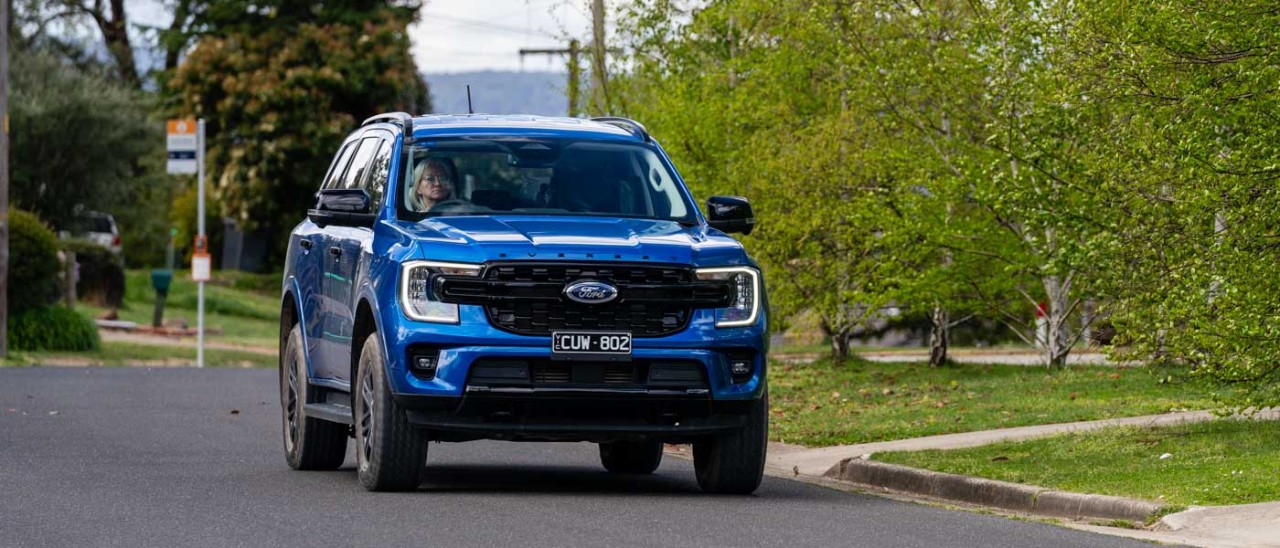
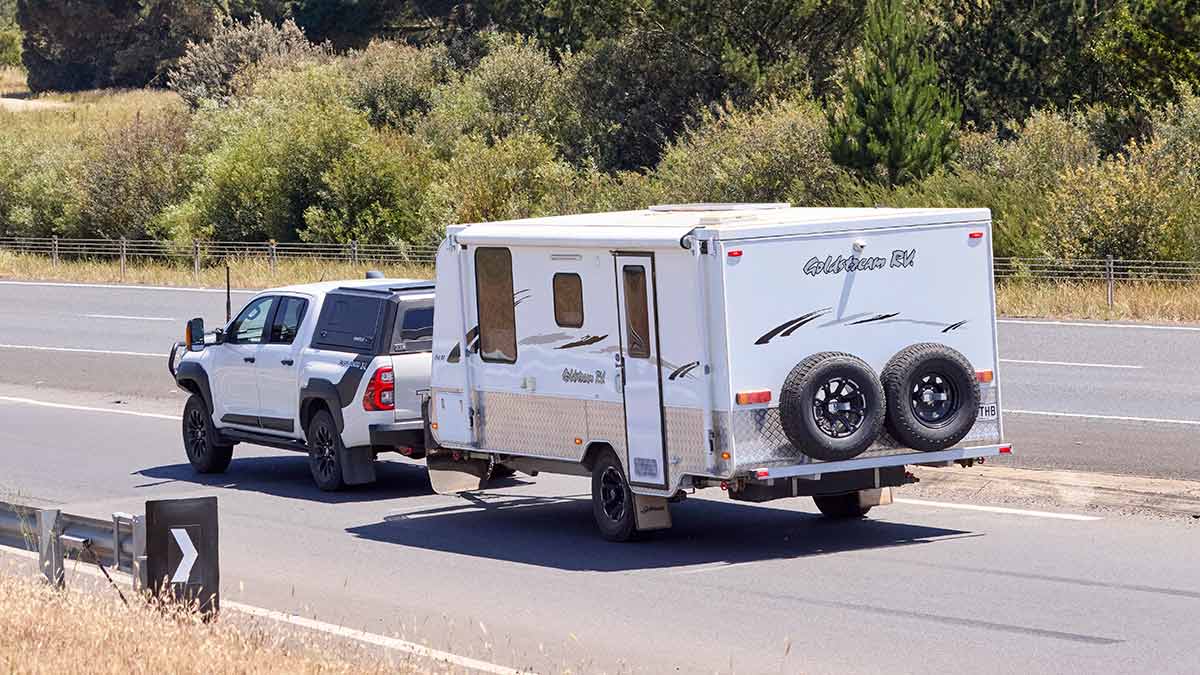
Diesel engines typically offer more torque, making them better for towing and carrying heavy loads.
Petrol vs diesel: which is right for you?
“It’s not just a straightforward decision between a petrol and diesel, or electric,” Matthew says. “There are various configurations of hybrids.”
Petrol cars are usually the most affordable when it comes to refuelling. “Manufacturers have done an awful lot of work to downsize petrol engines and make them more efficient, but they have some downsides in that they’re not as capable when it comes to towing,” Matthews says.
Diesel engines are generally more fuel-efficient on long journeys, while petrol engines may be more economical for city driving.
“If you’re looking at trailers or caravans, or drive long-distance regularly, then a diesel SUV or ute is more likely to fit the bill.”
Safety first: checking ratings and features
It’s always good practice to check out the car's ANCAP safety rating on research and comparison sites like RACV Car Match.
“Manufacturers have been extraordinarily focused on safety, thankfully, with a five-star ANCAP rating basically the entry point to the Australian market,” Matthews says.
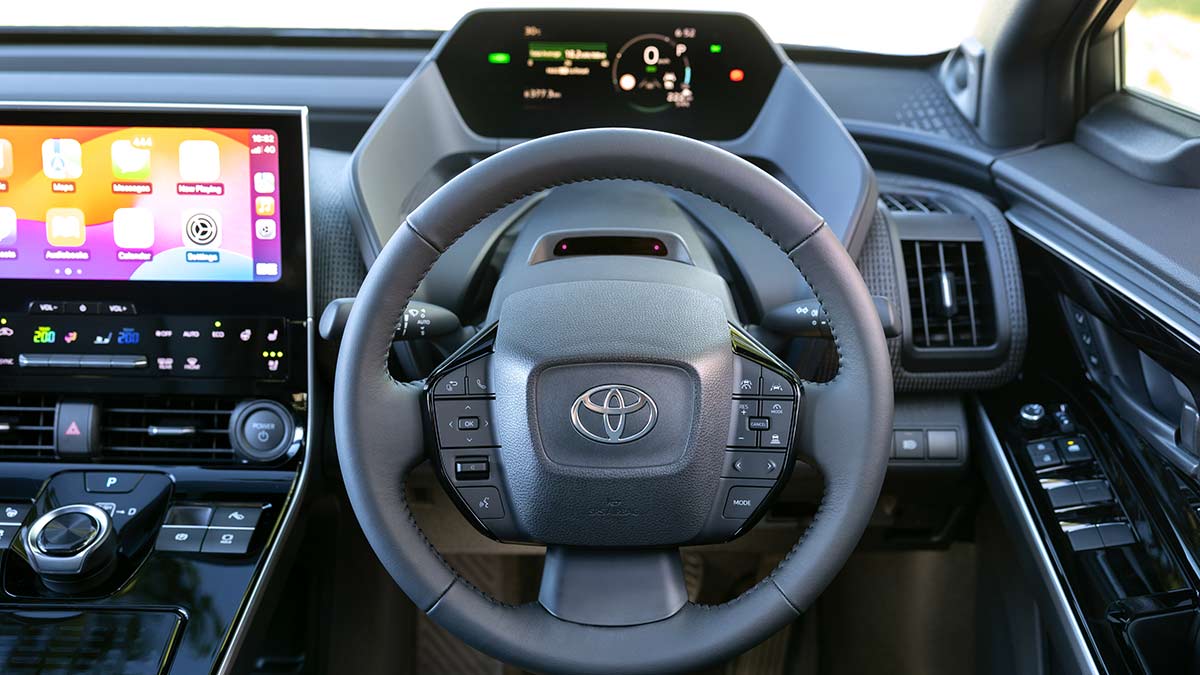
Modern dashboards are packed with advanced technology, so familiarise yourself with the controls before your test drive.
Preparing for the test drive
Once you’ve decided which petrol or diesel cars you want to test drive, plan ahead. “It’s a good idea to make an appointment with the dealership, so they know you’re coming and are prepared,” Matthews says. “Make sure they have the right cars in stock. There’s no point test-driving the top of the range if your budget only allows for an entry-level variant.”
Dress comfortably, allow yourself plenty of time and don’t forget to bring your license and supplementary ID too. “It makes sense to bring a friend or family member for a second opinion.”
What to look for behind the wheel
From safety to infotainment, new vehicles have evolved rapidly over the past decade, and the driving experience may be starkly different if you're accustomed to driving an older car. “It’s like going from an iPhone to an Android,” Matthews says of the leap forward in car technology such as Apple CarPlay and Android Auto.
“There’s probably no key to turn in the ignition, the gear shifter may have moved, or you might have a toggle now, there’s unlikely to be a manual handbrake and there will probably be an infotainment screen that interacts with your phone.
“Take your time to familiarise yourself with the new layout and how things work, which your salesperson should talk you through.”
That includes ensuring your seat, wing mirrors and steering wheel are in the right position to suit your driving style, and checking your visibility. “The car may have a 360-degree camera and blind spot alert, but you still need to be responsible for the observation basics, keeping you, pedestrians and other road users safe," Matthews advises.
“If you’re not confident with a car that’s very new to you, I would suggest an accompanied test drive."
What about when I’m out on the road?
“Before you set out, plan your test-drive route and make sure you take in whatever type of road surface and environmental details you’re likely to experience daily, so you can get a sense of how the car handles,” Matthews suggests.
Try out everything the new petrol or diesel car has to offer. “Modern vehicles are equipped with a range of advanced features, and how well these technologies are integrated varies among manufacturers,” Matthews says. “Make sure all they’re all on and that you're comfortable with them, including the audible safety alerts and notifications.”
Following your drive, jot down notes so you can easily compare models and run through all your priorities. Once you’ve decided which model works best for you, check how long it will take to order. “Buying a new petrol or diesel a car requires using both your head and your heart,” Matthews says.
New car buyer’s checklist
- Define your needs: Consider how you’ll use the car (commuting, family, towing, etc).
- Set your budget: Include purchase price, different car loans for new and used cars, insurance, registration, and ongoing costs.
- Research models: Compare makes, models, safety ratings (look for 5-star ANCAP), and running costs.
- Check for incentives: Look for manufacturer offers, government rebates, or dealer promotions.
- Review the contract: Understand all terms, fees, and inclusions before signing.
- Arrange finance: Get pre-approval if needed, and compare loan options. If applicable, find out from your employer if you're eligible for a novated lease.
- Help protect your investment: Car insurance helps protect you against costs and liabilities if you're in a collision or if your vehicle is stolen, damaged or vandalised. If you buy a car on finance, the lender will usually require you to have a comprehensive level of insurance*. Make sure you’re covered before you drive away.
R.A.C.V. Finance Limited ABN 82 004 292 291 Australian Credit Licence No. 391488. RACV Finance is subject to RACV lending criteria. Conditions, fees and charges apply.
Advice given in this article is general in nature and is not intended to influence readers’ decisions about financial products. You should always seek your own professional advice that takes into account your own personal circumstances before making financial decisions.
*The information provided is general advice only. Before making any decisions, please consider your own circumstances and the Product Disclosure Statement and Target Market Determinations. For copies, visit racv.com.au. As distributor, RACV Insurance Services Pty Ltd AFS Licence No. 230039 receives commission for each policy sold or renewed. Product(s) issued by Insurance Manufacturers of Australia Pty Ltd ABN 93 004 208 084 AFS Licence No. 227678.
^ Comparison rate calculated on a loan amount of $30,000 secured over a term of 5 years based on monthly repayments. WARNING: This comparison rate is only true for the examples given and may not include all fees and charges. Different terms, fees or other loan amounts will result in a different comparison rate.

