
Are EVs harder to steal? Discover the security features that help protect modern cars, how thieves target vehicles today, and what drivers can do to reduce risk.
ERA
The car problems more likely to happen during winter
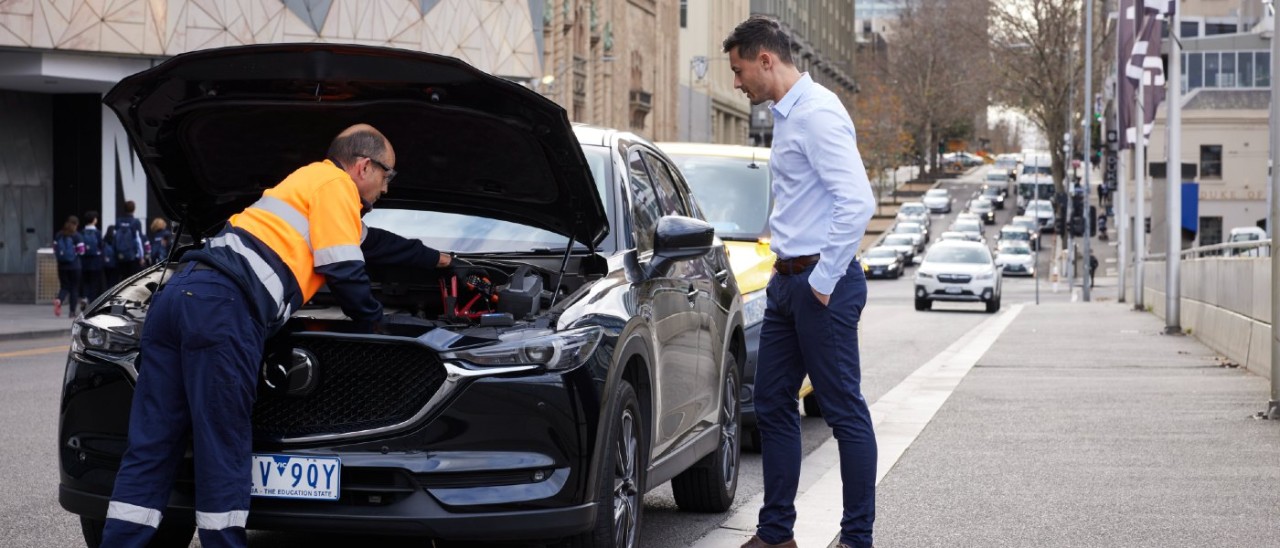
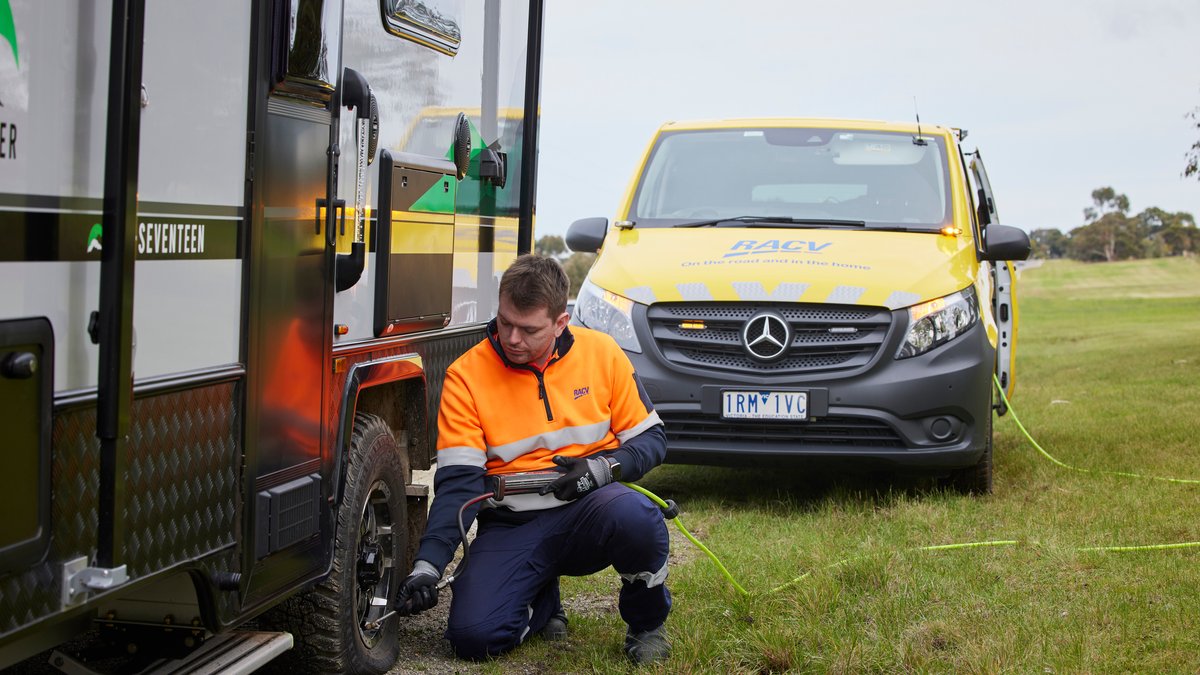
RACV Emergency Roadside Assistance drivers experience more callouts for certain vehicle problems during winter. Here are the car issues that rise during Victoria's cold season and what to do if they happen to you.
RACV patrol vans attended 635,912 callouts for Emergency Roadside Assistance during 2025, 26 per cent of which happened during winter (June through August).
While battery issues dominated the reasons for roadside assistance callouts (as they do year-round), data shows that there are specific vehicle issues that are occurring at a higher rate during Victoria's winter season.
Caught out with car problems? You can now use the RACV App to request RACV Emergency Roadside Assistance, with the app able to pre-fill location information using your phone's GPS.
The vehicle fault that spikes in winter
Callouts for engine flooding noticeably increase during winter, with 2,307 callouts for this problem between June and August 2025.
Engine flooding was the seventh highest overall reason for an RACV Emergency Roadside Assistance callout during 2025. But unlike faults that occurred more often than it (by volume), callouts for this fault occurred at a higher rate during winter.
Approximately 25 per cent of callouts for top issues like batteries, wheels and lock outs occurred during winter 2025 - not surprisingly given winter accounts for 25 per cent of the year. In comparison, 37 per cent of total yearly callouts for engine flooding during 2025 occurred during winter.
The increase in callouts for flooding rises roughly in line with the seasonal changes in temperature. During summer (December through February), only 813 engine flooding callouts were recorded, accounting for 13 per cent of yearly callouts for the problem.
The number of callouts for engine flooding then begins to rise from April, before peaking in July and gradually declining from September.
What is engine flooding?
Engine flooding is where petrol inside the engine fails to vaporise and sits as a liquid inside the cylinders, stopping the engine from igniting.
The risk of engine flooding rises in winter because the cold temperature makes it easier for the petrol to condense into liquid, and therefore harder to vaporise as required for ignition.
Can you fix engine flooding yourself?
Possibly – motorists can attempt to fix a flooded engine through the following steps:
- Place your car in park, with the handbrake on
- Depress the accelerator fully (to the floor)
- Attempt to start the engine, allowing up to 10 seconds for the engine to switch on.
- If the engine starts, allow the car to idle for a few minutes, before either turning the car off safely or using as normal.
If your car still won't start (or doesn't sound, look or feel right) call for roadside assistance. You can also now request RACV Emergency Roadside Assistance through the RACV App.
Top 7 reasons for RACV Emergency Roadside Assistance callouts during 2025
| Fault description | |||
|---|---|---|---|
|
Battery |
276,861 |
73,408 |
26.5% |
|
Wheels & tyres |
112,418 |
28,437 |
25.2% |
|
Lock outs |
16,314 |
4,065 |
24.9% |
|
Other condition |
17,070 |
4,136 |
24.2% |
|
Alternator |
14,022 |
3,474 |
24.7% |
|
Starter motor - solenoid |
10,901 |
2,886 |
26.4% |
|
Engine flooding |
6,130 |
2,307 |
37.6% |
While there may have been more overall callouts for batteries, wheels and lockouts, the percentage of engine flooding problems was significantly higher during winter 2025.
Winter the season for bogged cars, electrical issues
In addition to flooded engines, RACV also experiences an uptick in roadside assistance callouts for bogged vehicles.
In 2025, RACV attended 1,456 callouts for bogged vehicles across Victoria. Of these, 585 – or 40 per cent – occurred during winter.
Although November typically records the highest volume of rainfall in Melbourne, the city's winter months have a relatively high number of rainy days (August has the highest mean number of rainy days per year). Combined with a low number of clear days and fewer hours of sunshine, this potentially creates the perfect conditions for bogging vehicles.
Emergency Roadside Assistance callouts for electrical issues such as wiring, connections and lights were also slightly higher during winter.
Wintry conditions can lead to damaged tyres, flooded engines or bogged vehicles.
How to prevent car problems during winter
Properly maintaining your vehicle is the first step in preventing problems occurring. Car maintenance tasks for winter include:
- Checking your battery
- Testing your lights are working properly
- Topping up fluids like engine oil, coolant and wiper fluid
- Cleaning cameras and sensors
- Regularly inspecting your tyres for wear and correct pressure
- Replacing worn windscreen wipers
Make sure you also test your heater and demister before winter begins so that you're not caught out the first time you get fogged or icy windscreens.
Driving hazards during winter
Winter can also feature multiple hazards for motorists, including:
Reduced visibility
Fog, rain and snow are all conditions that can reduce your visbility while driving in winter. Additionally, fewer daylight hours increase the likelihood of driving at nighttime or during twilight hours where you're more likely to encounter wildlife.
Slippery terrain
It's not just travellers to Victoria's ski fields that need to worry about slippery roads. Snowy or icy roads can pose safety risks to drivers across many parts of the state, including in metropolitan locations.

