
One type of car insurance claim occurred more often than any others, demonstrating a need for motorists to remain vigilant while driving.
Property
What types of excess are there for car insurance?
What is a car insurance excess and how does it work?
The term ‘excess’ is commonly used when dealing with car insurance, but what does it mean, and what will it cost?
When you purchase a car insurance policy, it may come with a variety of excess options. This excess is the fee that you agree to pay out of your own pocket if you make a claim for an insured event or incident in the future.
Your excess options are dependent on what's offered by the insurer. It’s important to know that the excess you choose affects your premium, which is the amount you pay an insurer for insurance cover. Premiums are usually paid monthly or annually. If you choose a higher basic excess on your policy, you can decrease your premium, and if you choose a lower basic excess, it may increase your premium.
It is worth thinking carefully about the excess you choose when you purchase a car insurance policy. While it is cost-effective to pay lower premiums, you need to consider your capacity to pay a higher excess payment in the future if you need to make a claim.
If you have a car insurance policy with RACV Insurance there are three types of excess to consider.
Car insurance excess options and when you might need to pay it.
Car insurance helps protect your vehicle from loss or damage - whether you need cover for your own car, or damage to third parties.
If you have a car insurance policy with RACV Car Insurance, there are three types of excess: Basic, Age and Special. In practice, whether an excess is payable depends on what happened and the details available at the time of the claim. If you have RACV Comprehensive Car Insurance, here are some situations where you might make a claim and, if it’s approved, pay an excess:
- At-fault incidents: if you (or the person driving your car) were responsible.
- Not-at-fault incidents without the other party’s details: if it wasn’t your fault but you can’t provide details of the at-fault party.
- Theft: you generally have to pay an excess if your car is damaged or a total loss as a result of being stolen.
- Keys, locks and barrels replacement: If your car key is stolen and you have reported the incident to police.
- Animal collisions: where damage is caused by hitting an animal.
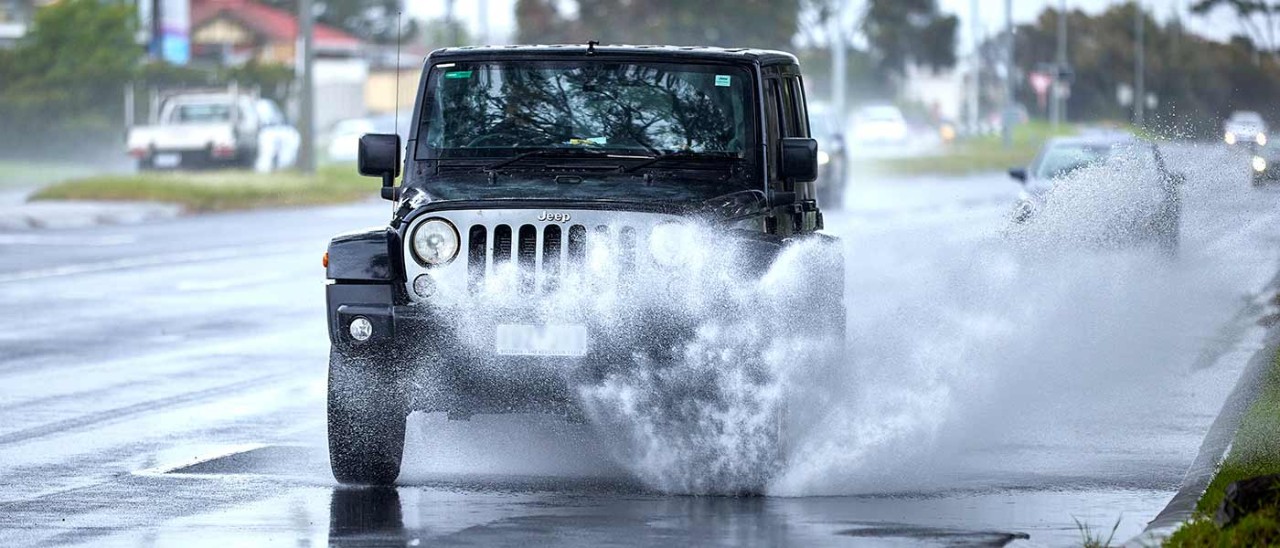
- Non-collision events: where your car is damaged by an event such as hail or a tree during a storm.
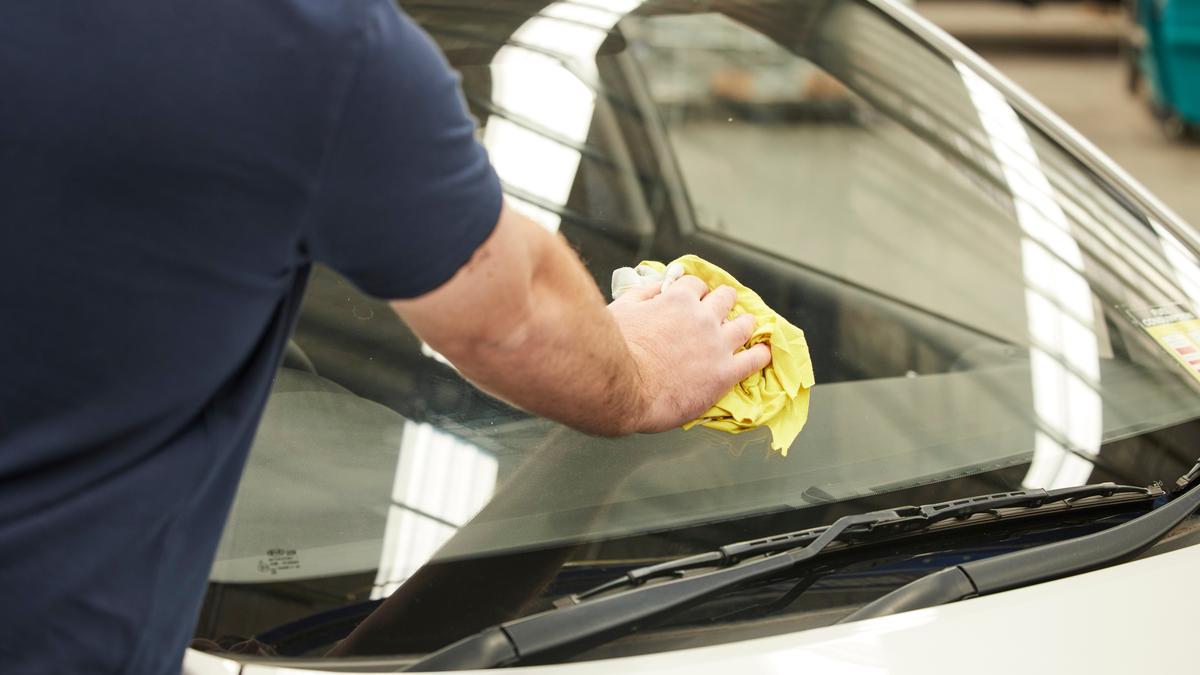
- Windscreen damage: an excess may apply depending on your cover and options (RACV Complete Care® includes windscreen damage with no excess).
More: Should you repair or replace a cracked windscreen?
What types of excess are there for car insurance?
It’s important to choose the right type of car insurance for you. RACV Car Insurance offers three types of excess:
Basic excess
If you make a claim, a basic excess may apply. The basic excess is determined at the time a policy is taken out based upon the type of insurance you have chosen and whether you are insuring a motor vehicle or a motorcycle.
The basic excess amounts also depend on whether you have chosen RACV Complete Care® Motor Insurance, Comprehensive, Third Party Fire and Theft, or Third Party Property Damage. In the case of a motorcycle, your choices with RACV Motorcycle Insurance are Comprehensive or Third Party.
If you choose a higher basic excess on your policy, you can decrease your premium. You should make sure the basic excess you choose is appropriate for you, considering the limits of your cover, including any additional covers or options.
To find out the basic excess amounts, see the Premium, Excess and Discounts Guide (PED).
Age excess
This excess is paid in addition to any basic excess and applies to:
- any driver under 25 years of age, or
- any driver 25 years of age or over with no more than 2 years driving experience after obtaining a provisional or probationary licence
but does not apply to:
- a learner driver who was accompanied by a fully licensed driver aged 25 years of age or more.
To find out the age excess amounts, see the Premium, Excess and Discounts Guide (PED).
Special excess
RACV Car Insurance may decide to apply a special excess to an individual owner or driver, or in relation to a specific incident, taking into account such factors as the type of vehicle and owner or driver incident, claims or traffic offence history.
The amount of the special excess will be shown on your current Certificate of Insurance and generally ranges from $200 to $2,500.
A special excess is payable in addition to your basic or age excess where applicable. You cannot pay an additional premium to remove a special excess.
More: How to avoid collisions with wildlife and who to call for help if it happens
If you have RACV Complete Care® Car Insurance, your policy covers you for windscreen damage.
What are the policy options for car insurance?
Depending on the cover you choose, you may add the following policy options to your policy by paying any additional premium that applies:
- Hire car option
- Windscreen option
- Any repairer option.
If you have RACV Complete Care®, your policy automatically covers you for a hire car after an incident up to $100 a day, windscreen damage with no excess and access to any licensed repairer of your choice at the time of a claim, including RACV partner repairers. For Comprehensive Car insurance, any optional extras you choose will be shown on your current Certificate of Insurance.
Are there any instances when an excess does not apply?
There are several instances in which you may not be required to pay an excess when you make a claim, depending on your policy inclusions. These are specific to the type of insurance you have: either Complete Care, Comprehensive, or Third Party Fire & Theft.
When you start a claim online, you'll find out whether an excess is payable. If you have an excess to pay, you can log in to pay it online. For more detailed information, and to find out when an excess does not apply, see the Premium, Excesses and Discounts Guide (PED).
Can I change my car insurance excess?
If you have Complete Care or Comprehensive policies with RACV Car Insurance, you can choose your basic excess amount when you join or renew your policy.
- If you want to increase your basic excess, you can do this at any time. Keep in mind if you choose a higher basic excess, it may decrease your premium.
- Changing your excess may also affect the types of incidents for which you can make a claim. For example, if the damage is not above the basic excess, you’ll be unable to claim.
- You can only decrease your excess when your policy is due for renewal, and no claims are pending.
Your current Certificate of Insurance shows the amount and types of excesses that apply to your policy.
The information provided is general advice only. Before making any decisions, please consider your own circumstances and the Product Disclosure Statement and Target Market Determinations. For copies, visit racv.com.au. As distributor, RACV Insurance Services Pty Ltd AFS Licence No. 230039 receives commission for each policy sold or renewed. Product(s) issued by Insurance Manufacturers of Australia Pty Ltd ABN 93 004 208 084 AFS Licence No. 227678.

