From steering wheel locks to OBD port locks and Faraday pouches, the best car security setup combines visible deterrents, electronic protection and practical home security measures.
Motoring

The most common car insurance claims in Victoria
Which incidents top the list of car insurance claims in Victoria? Discover what motorists lodged claims for most often – and where the unexpected can catch you out.
Having adequate car insurance can help provide peace of mind if an unexpected event occurs. So what types of incidents most commonly lead to a claim in Victoria?
The Insurance Australia Group recorded 129,337 car insurance claims in Victoria for the year ending 30 June 2026, with collisions (categorised as "damage while driving"), glass damage and "damage whilst parked" accounting for the largest numbers.
Collision was the most common car insurance claim category for the year ending 30 June 2026, according to IAG data for Victoria, with 84,394 claims over the 12-month period. Glass ranked second with 24,776 claims, followed by damage whilst parked with 14,470.
The IAG data for Victoria shows that October 2025 had the highest number of claims lodged, with 11,501 across six categories, while April 2026 had the lowest number of claims lodged, with 9,686. Along with collision, glass and damage whilst parked, the three other categories covered in this article are theft, other (lower-frequency incidents grouped together) and natural events.
More: How to make a car insurance claim
What were the most common car insurance claims in Victoria for FY26?
| Rank | ||
|---|---|---|
|
1 |
Collision |
84,394 |
|
2 |
Glass |
24,776 |
|
3 |
Damage whilst parked |
14,470 |
|
4 |
Theft |
3,958 |
|
5 |
Other |
958 |
|
6 |
Natural event |
881 |
IAG's top six car insurance claim categories for FY26.
Collision: the most common car insurance claim in Victoria
Collision accounted for 84,394 claims in the IAG dataset for the year ending 30 June 2026, making it the largest category across the full 12-month period and in every individual month.
This data for Victoria does not break collisions down by cause or identify who was at fault, but rear-end crashes, reversing incidents and failure to give way are examples of collision causes.
More: The most misunderstood road rules in Victoria
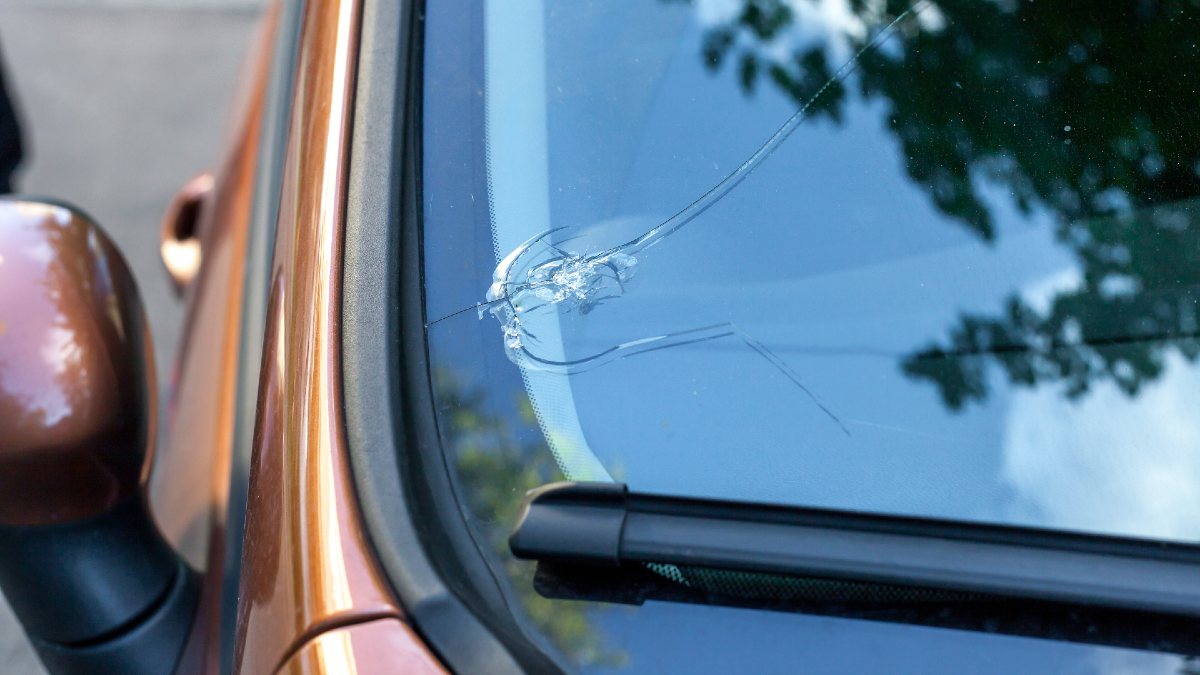
A cracked windscreen is one example of glass damage, the second-largest claim category in the IAG dataset. Image: Getty
Car insurance claims for windscreen and other glass damage in Victoria
Glass ranked second in Victoria for the year ending 30 June 2026, with 24,776 claims, according to IAG data. It also ranked second in each of the 12 months.
The data does not separate windscreen damage from other vehicle glass or distinguish repairs from replacements.
Standard comprehensive car insurance policies generally cover windscreen and window glass damage (from rocks, storms, or accidents), but you usually have to pay your standard policy excess.
Many insurers offer an optional window and window glass cover or excess-free glass cover as an add-on for an extra premium.
RACV Complete Care Car Insurance, the highest level of cover offered by RACV Insurance, offers no excess for glass-only claims (i.e. windscreen, window glass, or sunroof damage) in an insured incident. Always read the Product Disclosure Statement (PDS) carefully to understand exactly what is and is not covered.
More: Should you repair or replace a cracked windscreen?
Car insurance claims for damage whilst parked in Victoria
Damage whilst parked ranked third in Victoria for the year ending 30 June 2026, with 14,470 claims, according to IAG data. This is a separate category from collision or damage whilst driving.
The data in this article does not identify where vehicles were parked, what caused the damage or whether another party was identified, but there are ways to help minimise the chances of your vehicle being damaged whilst parked. These include parking away from trees during windy or stormy weather and parking further away from your destination in a less crowded spot.
More: How to help avoid damage to your vehicle when it’s parked
Car theft insurance claims in Victoria
Theft accounted for 3,958 claims in Victoria for the year ending 30 June 2026, according to IAG data.
Separately, Crime Statistics Agency data shows 31,298 motor vehicle theft offences were recorded in the year ending 30 June 2026, up 67 per cent since 2023. Of these, 10,543 occurred at residential locations, a rise of 19 per cent over the same period.
Theft from motor vehicles also rose, with 77,348 offences recorded in the year ending 30 June 2026 – up 46 per cent since 2023.
The 10,543 motor vehicle theft offences recorded at residential locations are a reminder not to overlook security when your car is parked at home.
Leaving personal belongings in a vehicle can also make it a target for thieves, while car parts and accessories, such as catalytic converters, can be stolen too. Avoid leaving personal belongings in your car and check your vehicle’s security wherever you park.
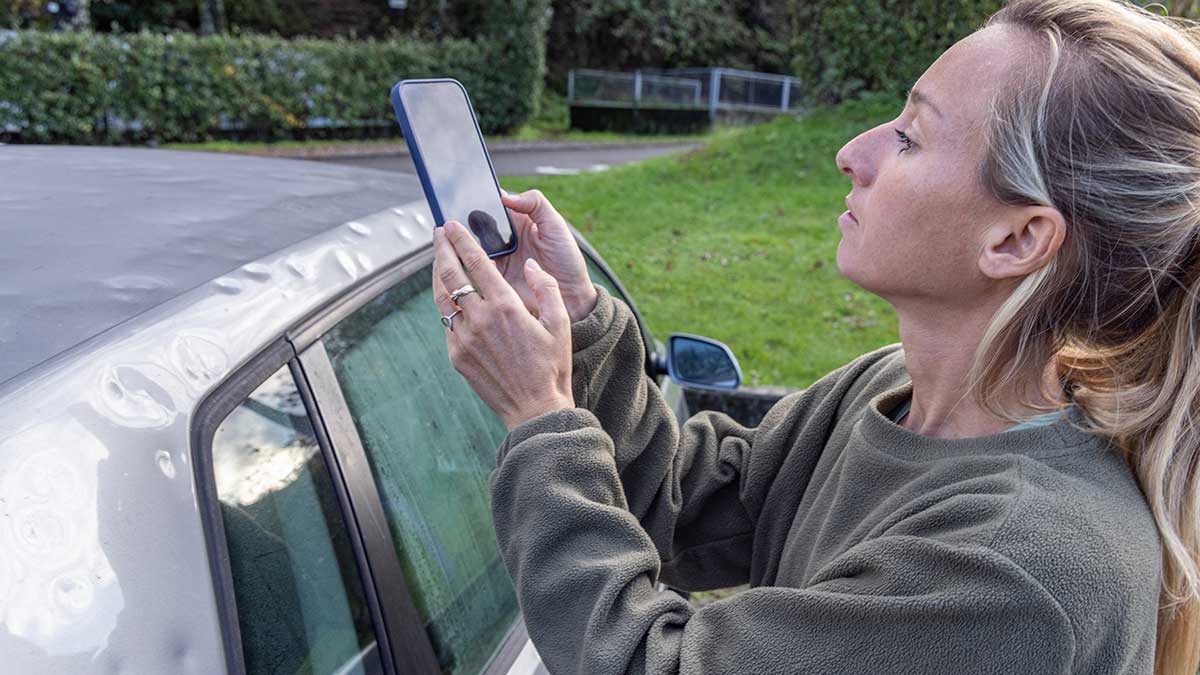
Hail is one natural event that can damage cars and lead to insurance claims. Image: Getty.
Car insurance claims for storms, floods and bushfires in Victoria
Natural events, such as storms, floods and bushfires, accounted for 881 claims in the year ending 30 June 2026, according to IAG data for Victoria
January 2026 had the highest number of natural event claims, with 145, followed by December 2025 with 117 and November 2025 with 109.
More: Car hail damage: what to do, insurance cover and repair options
Other car insurance claim categories in the IAG data
The IAG dataset for Victoria also recorded 958 claims classified as "other" for the year ending 30 June 2026. The other category covers miscellaneous, lower-frequency incidents that do not fit neatly into the top five categories of collisions, galss, damage whilst parked, theft and natural event.
What car insurance claims data means for motorists
A collision isn’t the only reason you might need to make a car insurance claim. Glass damage, damage while parked and theft are also worth considering when reviewing your cover.
Check your policy documents to understand which events are covered, what limits and exclusions apply, and the excess you may need to pay. If anything is unclear, ask your insurance provider before an incident occurs. Knowing where you stand can help you avoid surprises if you need to claim.
The information provided is general advice only. Before making any decisions please consider your own circumstances and the Product Disclosure Statement and Target Market Determinations. For copies, visit racv.com.au. As distributor, RACV Insurance Services Pty Ltd AFS Licence No. 230039 receives commission for each policy sold or renewed. Product(s) issued by Insurance Manufacturers of Australia Pty Ltd ABN 93 004 208 084 AFS Licence No. 227678.