No. EVs can be insured under standard car insurance policies. Coverage depends on policy terms and conditions.
Property
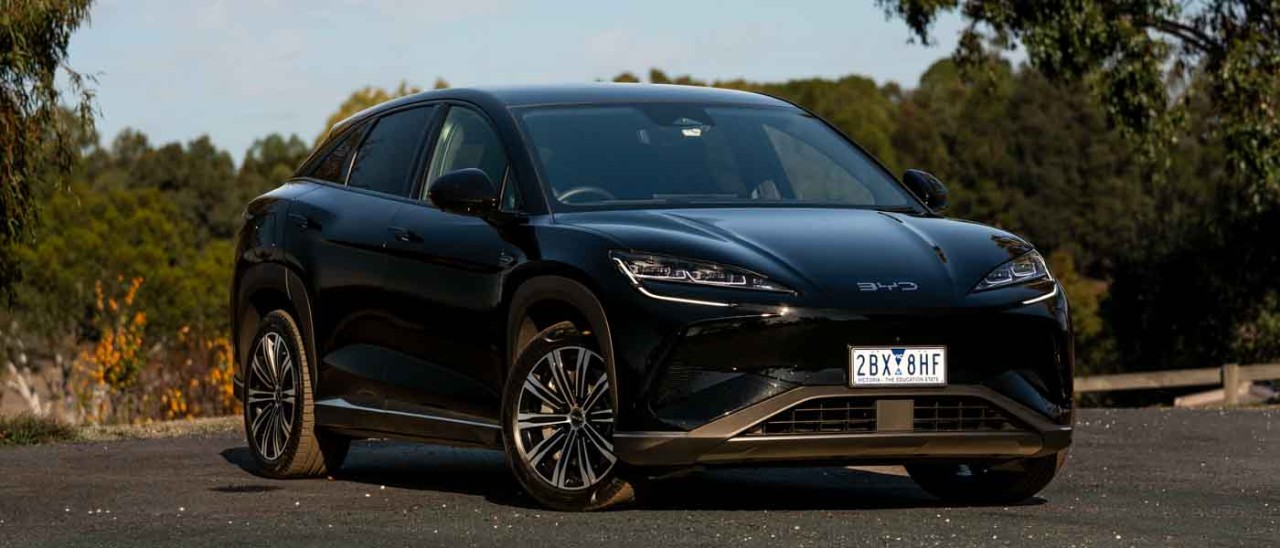
EV insurance in Australia: costs, coverage and what you need to know
Everything Australians need to know about EV insurance in Victoria, including how much it costs, what’s typically covered, and how insuring an electric vehicle compares with petrol and diesel cars.
Electric vehicles are becoming an increasingly mainstream choice for Australians, with a growing range of models now available at more accessible price points from brands such as BYD, Kia, Tesla, MG, GAC and GWM, including several EVs priced under $30,000.
This rapid shift since the onset of higher petrol prices is already translating directly into insurance demand. RACV has seen a sharp increase in EV insurance quotes via its website, with BYD insurance quotes up 134 per cent in March 2026 compared to the same month last year, and Tesla insurance quotes up 54 per cent, reflecting how quickly Australians are moving from EV consideration to ownership, and positioning RACV as a leading destination for EV insurance.
While electric vehicles don’t require a separate insurance policy type with RACV, they do have unique components, repair risks and charging considerations that drivers should understand before choosing cover.
“Electric vehicles can be insured under standard car insurance policies, but it’s important to understand how cover applies to EV-specific components such as batteries, charging equipment and repairs,” RACV General Manager – Insurance Bill Bloodworth says.
This guide explains how EV insurance works in Australia, what affects pricing, and how insurance fits into the broader EV ownership journey.
Research and compare electric vehicles in Australia
Insurance for electric cars: what you need to know
Do electric vehicles need special insurance?
Electric vehicles do not require a separate category of insurance when insuring with RACV Insurance. EVs can be insured under standard RACV Car Insurance policies, including:
- Complete Care® Car Insurance
- Comprehensive Car Insurance
- Third Party Property Damage
- Third Party Fire and Theft.
How does EV insurance work in Victoria?
In most cases, EV insurance works the same way as insurance for petrol or diesel vehicles. Loss or damage caused by an insured event - such as an accident, theft, fire or certain weather events - may be covered subject to policy terms.
Where EVs can differ is in:
- High-voltage battery systems
- Specialist repairs and parts
- Charging cables and accessories.
Are EV batteries covered by insurance?
EV batteries are a key concern for many drivers due to their cost and importance to vehicle use and performance such as driving range.
Damage to major vehicle components, such as batteries, may be covered if the damage is caused by an insured event, subject to policy limits, exclusions and conditions. Wear and tear or manufacturing faults are generally not insured events.
Are EV charging cables and accessories covered?
Some insurance policies include cover for:
- Factory-fitted components
- Declared accessories
Charging cables and accessories may be covered depending on the policy and level of cover chosen.
For more details about what's covered and how insurance premiums are calculated, refer to the Motor Insurance Premium, Excess and Discounts Guide and Product Disclosure Statement.
Agreed value vs market value for electric cars
Some comprehensive policies offer a choice between:
- Market value – the insurer’s assessment of the vehicle’s value at the time of a claim
- Agreed value – a fixed amount agreed when the policy starts.
Can other drivers use my insured EV?
Other drivers may be covered if they:
- Have your permission
- Meet the policy’s licence and age requirements.
How insurance fits into the buying an electric vehicle
Insurance is one part of total EV ownership, alongside:
- Purchase price
- Running and maintenance costs
- Charging options and infrastructure
- Vehicle range and suitability
RACV supports Australians at every stage of the EV journey with tools and guides including:
- RACV Car Match, which helps identify EVs suited to your driving patterns and lifestyle needs
- The cheapest electric vehicles guide, helping car buyers understanding the options available at budget-friendly price points
- Electric Vehicles in Australia guide, helping you understand the end-to-end journey when buying an EV, including test drives, cost of ownership and charging
- Best used electric cars guide, which provides practical information for car buyers wishing to switch to a second-hand EV
Reviewing insurance alongside these factors provides a clearer picture of what owning an electric vehicle involves. Car buyers considering an electric vehicle are encouraged to obtain a quote and understand indicative running costs via RACV Car Match prior to purchasing.
Trusted and independent car reviews and previews on electric cars coming to Australia
Are electric cars easier or harder to steal?
Available data suggests electric vehicles are generally harder to steal and less frequently targeted than many petrol and diesel vehicles, despite growing sales. Advanced security systems, including software‑based immobilisation and GPS connectivity, contribute to lower theft rates across several popular EV models, which may be a factor when insurers assess risk.
More: Most stolen cars in Melbourne and Victoria
Frequently asked questions about EV insurance
Loss or damage caused by insured events, subject to the policy’s inclusions, limits and exclusions.
Battery damage may be covered if caused by an insured event, subject to the policy.
Coverage for accessories varies by policy and may depend on whether items are listed.
Yes. Cover depends on the vehicle’s age, condition and value, as outlined in the Product Disclosure Statement.
Yes. Pricing and eligibility can vary by location, including differences between different suburbs in Victoria.
The information provided is general advice only. Before making any decisions, please consider your own circumstances and the Product Disclosure Statement and Target Market Determinations. For copies, visit racv.com.au. As distributor, RACV Insurance Services Pty Ltd AFS Licence No. 230039 receives commission for each policy sold or renewed. Product(s) issued by Insurance Manufacturers of Australia Pty Ltd ABN 93 004 208 084 AFS Licence No. 227678.


