
Flight cancelled or delayed? Learn what to do step by step, understand your airline rights, manage missed connections and see how travel insurance can help.
International
Solo travel for women: safety and planning tips
Planning a solo trip? Discover essential safety tips, destination advice and practical planning guidance for women travelling alone with confidence.
Solo travel can be one of the most empowering and rewarding ways to explore the world. It allows you to move at your own pace, follow your interests and build confidence in unfamiliar environments. Although solo travel can come with additional considerations for women, with thoughtful planning and awareness it can be deeply fulfilling.
Here are some practical tips to help women travel solo with confidence, from choosing destinations to staying safe on the road.
Before you go, make sure to tick off your overseas travel checklist, consider booking travel insurance, and learn how to protect your passport and mobile phone while travelling.
Choose a safe travel destination when travelling solo
Selecting the right destination is one of the most important decisions for a successful solo trip.
Safety is subjective, but certain destinations consistently rank high on the Global Peace Index and have a reputation for being friendly and welcoming to women travelling alone.
Look for places with reliable public transport, strong tourism infrastructure and positive reviews from other solo female travellers. Countries with lower crime rates and a culture of hospitality can make a significant difference, especially for first-time solo travellers.
Some of the best destinations for solo female travel include New Zealand, Japan, Iceland, Portugal, Canada, Switzerland, Finland, South Korea, Denmark, Austria, Singapore, Ireland, Hawai'i, Slovenia, Norway, and the Netherlands.
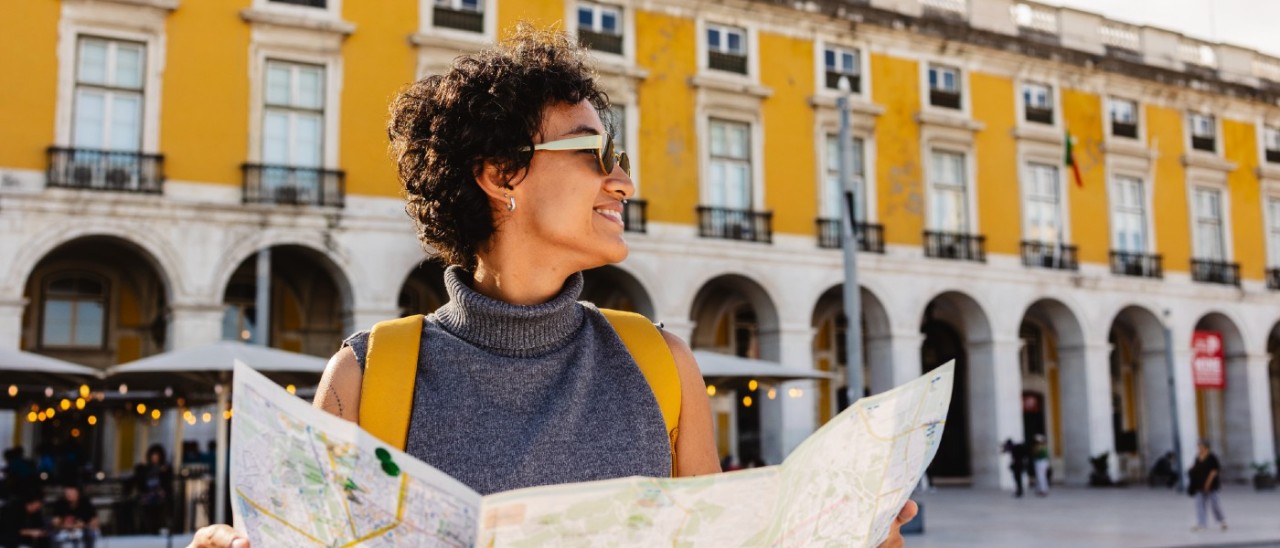
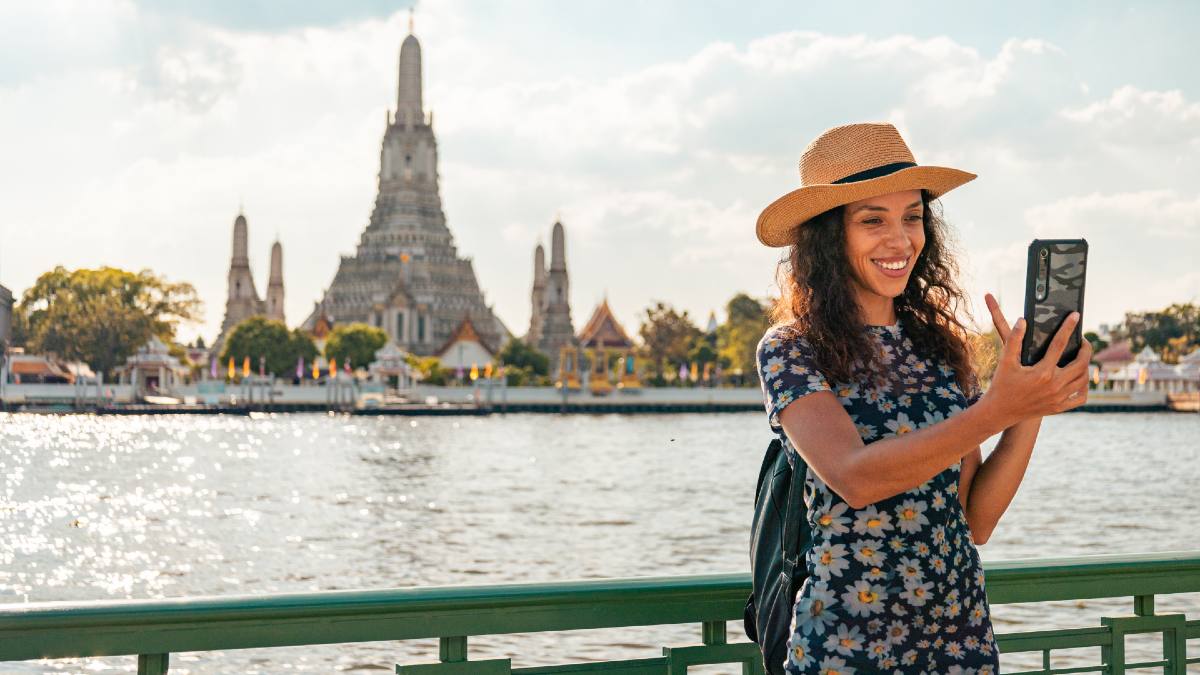
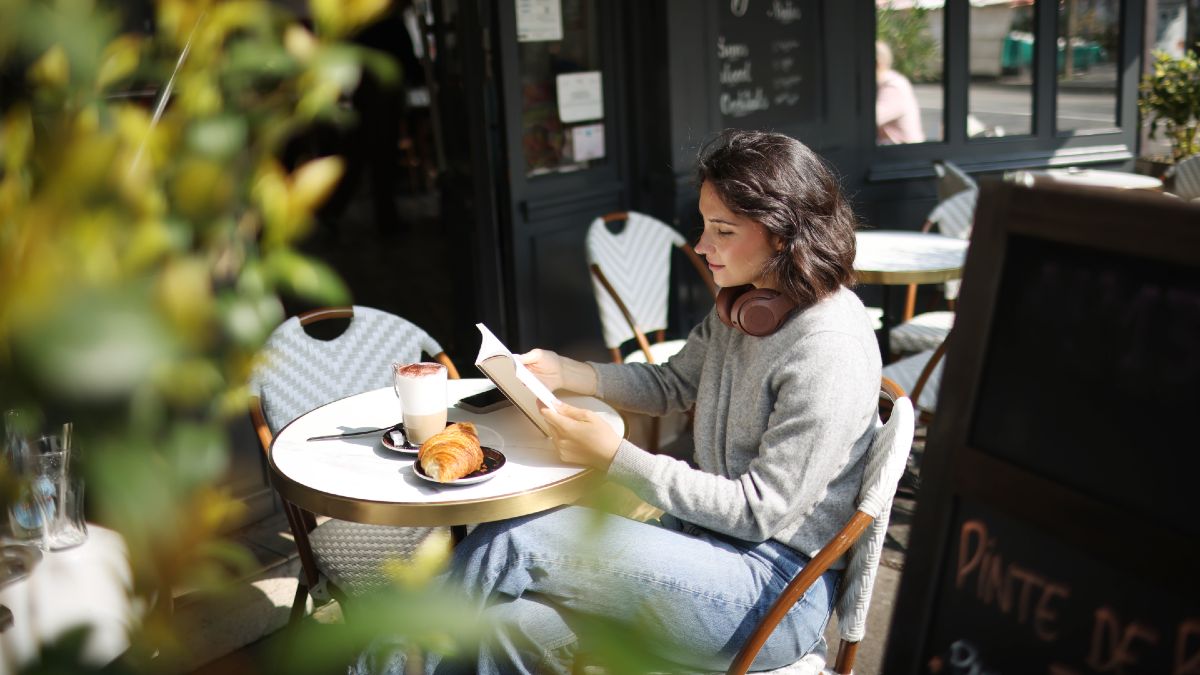
Solo travel can be both rewarding and empowering. Image: Getty
How to stay safe as a solo female traveller
While the world is largely welcoming to solo travellers, women face unique challenges. Safety doesn't mean avoiding adventure; it means being aware and prepared.
Research local customs and laws
Before you go, read up on your destination's culture, laws and gender-specific norms. Understanding the cultural norms of your destination can help you blend in and avoid uncomfortable situations - especially when it comes to dress codes, gender roles and acceptable public behaviour.
Look on government travel advisories like Australia's Smartraveller site to learn if there are current dangerous events, particular areas to avoid, or scams that target tourists.
If you belong to the LGBTQ+ community, it's also recommended to check Equaldex. This independent website is highly regarded worldwide and uses crowdsourced data to score each country's Equality Index, which measures how LGBTQ+ individuals are protected legally and perceived in public opinion. You can also look for certain rights, such as non-binary gender recognition or recognition of gay marriage.
Research local customs and laws before arriving in a new country. Image: Getty
Only use registered transport
Understanding how to get around safely is essential when travelling solo. Research local transport options before you arrive. Many cities offer efficient public transport systems, but it’s important to understand routes, operating hours and safety considerations.
Avoid unmarked taxis or unofficial drivers, particularly in airports or tourist areas. In cities, use licensed taxi companies, ride-share apps with driver ratings or hotel-arranged transfers. In rural areas, confirm transport arrangements in advance. Download offline maps and ride-hailing services before you travel.
For longer journeys, choose reputable transport providers and try to travel during daylight hours where possible. If travelling overnight, keep your belongings secure and within reach.
If hiring a car, make sure to check the backseat and boot before you get in and lock the doors immediately after entering.
Choose reputable accommodation
Where you stay plays a major role in your safety and comfort.
Look for accommodation in well-lit, central areas with good transport links. Hotels, reputable hostels and serviced apartments are often good options. Many hostels now offer female-only dorms, which can provide added comfort and security.
Check reviews carefully, paying attention to comments about safety, cleanliness and location. Look for properties with 24-hour reception, secure key card entry and and CCTV in public areas.
If using short-term rental platforms, verify the host's credentials and read recent reviews to ensure reliability.
It's also wise to pack a doorstop alarm or portable lock for added security in accommodation.
Dress to blend in
Adapting your clothing to local customs can help you avoid unwanted attention. A lightweight scarf or shawl is invaluable for covering your shoulders and hair when entering religious sites or navigating more conservative areas.
Carry only what you need each day, and store cash and important documents in a money belt or neck pouch under your clothing. Use anti-theft bags with zippers to reduce pickpocket risk.
Limit alcohol consumption
It's wise to stay in control of your surroundings, especially when travelling solo. Drinking excessively can impair judgement and make you more vulnerable. If you do drink, keep your beverage in sight and avoid accepting drinks from strangers.
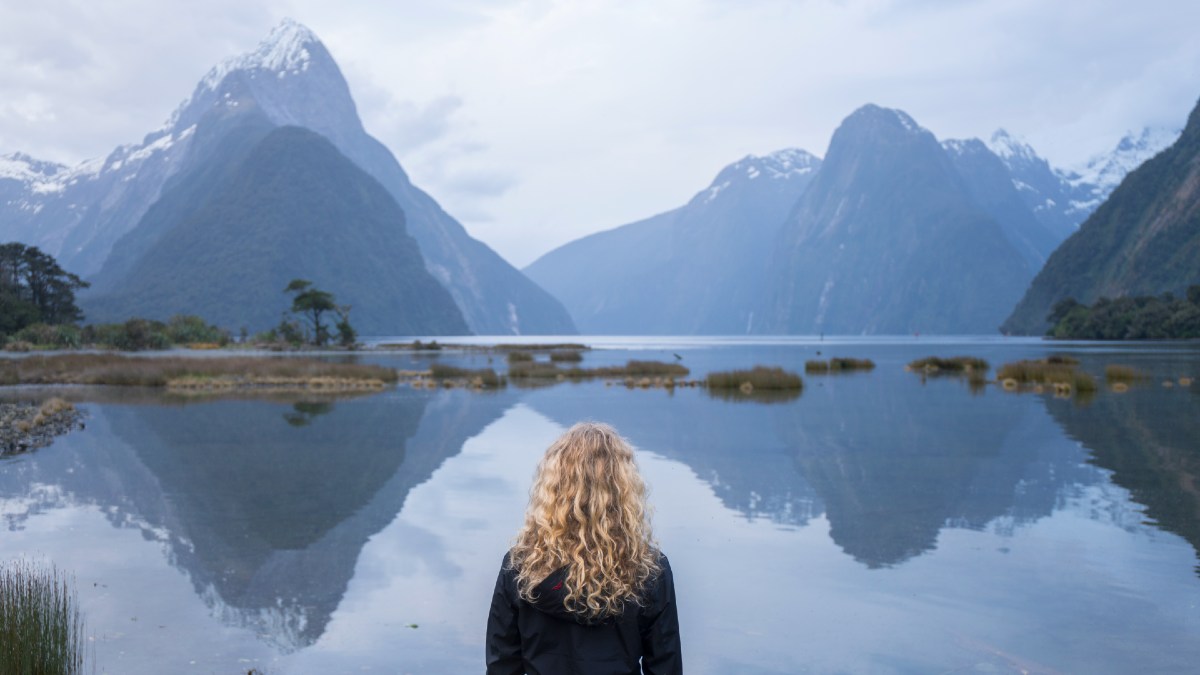
Safety means being aware and prepared, not avoiding adventure. Image: Tourism NZ
Stay connected
Keep a trusted friend or family member updated on your travel plans, including hotel details and major activities. Check in regularly - a simple message each day is a great idea - and consider sharing your live location with them via an app like Google Maps.
That said, on social media, avoid posting your exact location in real-time when travelling alone. Instead, share updates after you've moved on to your next destination.
Solo travel also doesn't mean you have to be alone the entire time. Joining walking tours, group activities or day trips is a great way to meet other travellers while still maintaining your independence. Many cities offer free or low-cost tours that provide both social interaction and local insights.
Stay alert and trust your instincts
If a situation or person makes you uncomfortable, remove yourself quickly and without explanation. Have a physical and digital copy of important phone numbers, including local emergency services, your country's embassy and family contacts.
Avoid burying yourself in your phone or wearing headphones: awareness of your surroundings can deter opportunistic crime and help you notice potential safety issues early.
Stick to well-lit, busy streets and use main entrances for buildings. If you must walk at night, let someone know your route and ETA, or take a taxi.
Research female-only tours
Booking into a women-only tour can provide extra reassurance when exploring new destinations.
"There's a unique energy in a group of women travelling together," says Intrepid Travel ANZ General Manager Yvette Thompson. "You often find an immediate sense of trust and ease and the space to just be yourself."
Intrepid Travel runs Women's Expeditions to Morocco, Cambodia, India,
Nepal, Peru, Türkiye, Bhutan, and Saudi Arabia - all able to be booked through RACV.
Bench Africa's Explore Kenya Ladies-Only Safari Tour also offers an inspiring journey for women, featuring an immersive wildlife and culture safari headed by an English-speaking female guide.
Consider travel insurance
Travel insurance can help protect you in overseas medical emergencies, natural disasters, and unexpected events like lost luggage or a stolen passport when you are overseas. You can opt for different policy options and add-ons to cover specific activities, like ocean cruises or skiing.
*RACV Travel Insurance Member discount applies to the premium only (not applicable taxes).
Royal Automobile Club of Victoria (RACV) Limited (ABN 44 004 060 833, AR No. 1243563) (RACV) is an authorised representative of the RACV Travel Insurance insurer Tokio Marine & Nichido Fire Insurance Co., Ltd. (ABN 80 000 438 291 AFSL 246 548) (Tokio Marine). Tokio Marine Management (Australasia) Pty Ltd (ABN 69 001 488 455, AR No. 1313066) is an authorised representative of Tokio Marine, and administers RACV Travel Insurance as the managing agent on behalf of Tokio Marine.
Terms, conditions (including eligibility criteria), exclusions, limits and sub-limits apply. Any advice is general advice only, and does not take into account your specific objectives, financial situation or needs. Before you purchase, please consider the Combined Product Disclosure Statement (PDS) / Financial Services Guide (FSG) and Target Market Determinations (TMDs) available on RACV’s website, or on request from RACV.

