
Planning to drive overseas? This guide for Australians explains licence requirements, International Driving Permits (IDP), rental car insurance, and key road rules to help you stay safe and compliant abroad.
Travel
What to do if your flight is cancelled or delayed
Flight cancelled or delayed? Learn what to do step by step, understand your airline rights, manage missed connections and see how travel insurance can help.
A delayed or cancelled flight can quickly derail a holiday, business trip or family visit. Missed connections, extra accommodation costs and long waits at the airport can leave travellers stressed and out of pocket.
While flight disruptions are sometimes unavoidable due to weather, mechanical issues or air traffic congestion, knowing what to do can help you minimise inconvenience and recover costs where possible. Whether you're flying within Australia or overseas, understanding your rights and preparing a backup plan can make a major difference.
Here's a comprehensive guide to how often flights are delayed and cancelled in Australia, the responsibilities the airlines have in these situations, and your rights to a replacement flight or compensation if you're impacted.
Why is my flight delayed or cancelled?
Flights can be delayed or cancelled for many reasons, including:
- severe weather such as storms, fog, snow or strong winds
- mechanical or engineering problems with the aircraft
- air traffic control restrictions
- airline staffing shortages
- industrial action or strikes
- airport operational issues
- natural disasters or geopolitical events.
Some disruptions are within an airline's control, while others are considered extraordinary circumstances. This distinction can affect what compensation or assistance you may receive.
Step 1: Check your flight status immediately
If you receive a notification that your flight has been delayed or cancelled, confirm the details directly with the airline as soon as possible.
Check:
- the airline app (enable notifications so you receive updates in real time)
- SMS or email alerts
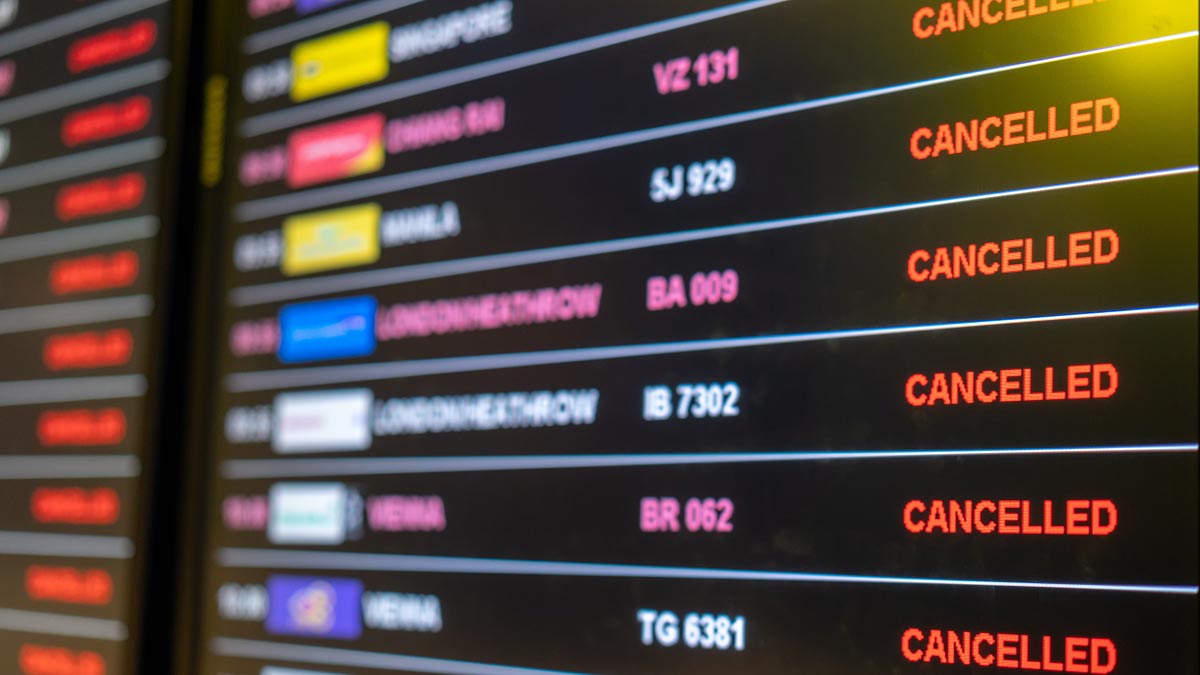
- airport departure boards
- the airline website
- airport announcements.
Flight times can change multiple times during disruptions, especially during severe weather or airport congestion.
Step 2: Contact the airline quickly
When flights are disrupted, customer service queues can become extremely long. Contact the airline at once via:
- airport customer service desks
- phone support
- online live chat
- social media messaging
- self-service kiosks.
The earlier you act, the more likely you are to secure a suitable alternative flight before services fill up.
Remember that staff at the airline's service desk will do their best, but they are at the mercy of other bookings and must act in accordance with the company's policies and procedures.
Step 3: Understand your options
If your flight is delayed or cancelled, the airline may offer one or more of the following:
- rebooking on the next available flight
- a flight credit
- a refund
- meal vouchers
- accommodation
- airport transfers.
What you're entitled to will depend on the airline's policies, your ticket type, the cause of the disruption, and whether the delay was within the airline's control.
For example, severe weather disruptions are often treated differently from mechanical faults or staffing shortages.
When the events are within the airline's control, such as issues relating to the aircraft’s performance, refuelling, cleaning or baggage handling, the response will often include rebooking you on the next available flight at no extra cost, and possibly covering a certain amount of expenses such as meals and accommodation if you're facing a long wait.
The option of a full refund or flight credits could also be offered if you do not wish to continue travelling, depending on the airline and the class of fare - a budget ticket may have no refund option at all.
If the delay or cancellation is determined as beyond the airline's control, such as bad weather, air traffic control issues or an airport security threat, the airline may be only willing to try and book you on the next available flight, or sometimes offer a refund.
A travel insurance policy may help cover expenses incurred as a result of a flight cancellation. Image: Getty
Step 4: Ask about accommodation and meals
If you are stranded overnight or facing a long delay, ask the airline whether they will provide:
- hotel accommodation
- meal vouchers
- transport between the airport and hotel.
Some airlines offer assistance automatically, while others require passengers to request it directly.
If the airline cannot organise accommodation immediately and you need to book your own hotel or meals, keep all receipts for possible reimbursement or insurance claims later.
Step 5: Keep records and receipts
Good documentation can make a major difference if you later need to request compensation, refunds or make a travel insurance claim.
Keep copies of:
- boarding passes
- booking confirmations
- delay or cancellation notifications
- hotel invoices
- meal receipts
- taxi or rideshare receipts
- any communications with the airline.
Taking screenshots of delay notifications and departure boards can also help support claims.
Step 6: Check your travel insurance policy
Travel insurance may help cover expenses caused by flight delays or cancellations, depending on your policy and the reason for the disruption.
Cover can include:
- additional accommodation costs
- meals and transport
- alternative travel arrangements
- missed tours or prepaid activities
- missed connections.
Many insurers only provide cover after delays exceed a minimum number of hours (usually at least six), and some events may be excluded entirely.
Expenses are normally subject to your ability to be reimbursed by the airline directly (or anyone else involved), but most travel insurance policies will specify a daily limit for travel delay. There may also be a maximum limit per adult.
If you have to cancel a flight yourself due to unforeseen circumstances, your travel insurance policy may also help reduce any financial impact. Again, the level of cover provided will depend on the specific plan.
Always read your Product Disclosure Statement (PDS) carefully to know what you are covered for.
An airline's conditions of carriage do not include a guarantee of flight times. Image: Getty
Step 7: Manage connecting flights
If your flights are on one booking
If all flights were booked under the same itinerary, the airline is usually responsible for helping you reach your final destination.
This may include:
- rebooking missed connections
- providing overnight accommodation
- offering meal assistance.
If your flights were booked separately
Separate bookings can be more complicated. If your first flight is delayed and causes you to miss another separately booked flight, the second airline may not assist you. This can leave travellers responsible for paying for replacement flights themselves.
When booking separate flights, allow extra time between connections - especially for international transfers.
Step 8: Know your rights in Australia
Australia does not have the same passenger compensation laws as some overseas regions, such as the European Union. However, airlines still have obligations under Australian Consumer Law to provide services within a reasonable time after being delayed or cancelled.
But as the Australian Competition and Consumer Commission (ACCC) points out, there's no one set definition of what will be a 'reasonable time'. Any decision on compensation for a flight delay or cancellation could end up being made in a court or tribunal.
The ACCC makes it clear that an airline's compensation policies and procedures do not replace the consumer guarantees that automatically apply to you when you purchase your ticket.
Depending on the circumstances, travellers may be entitled to:
- refunds
- rebooking
- flight credits
- other remedies under the airline's conditions of carriage.
Each airline's policy is different, so check the terms and conditions before travelling.
If you're not satisfied, you can take other steps to resolve the dispute. These include contacting Consumer Affairs Victoria or the industry-funded Airline Customer Advocate (for Qantas, Jetstar and Virgin), which handles complaints about flight delays and cancellations, among other issues.
Step 9: Stay comfortable during long delays
Extended airport delays can be tiring and stressful, particularly when travelling with children. Packing a few essentials in your carry-on luggage can make delays easier to manage.
Consider carrying:
- chargers and power banks
- essential medications
- spare clothes
- toiletries
- snacks
- reusable water bottles
- entertainment for children.
If delays become lengthy, ask airport staff whether lounge access or quiet waiting areas are available.
Step 10: Prepare for baggage issues
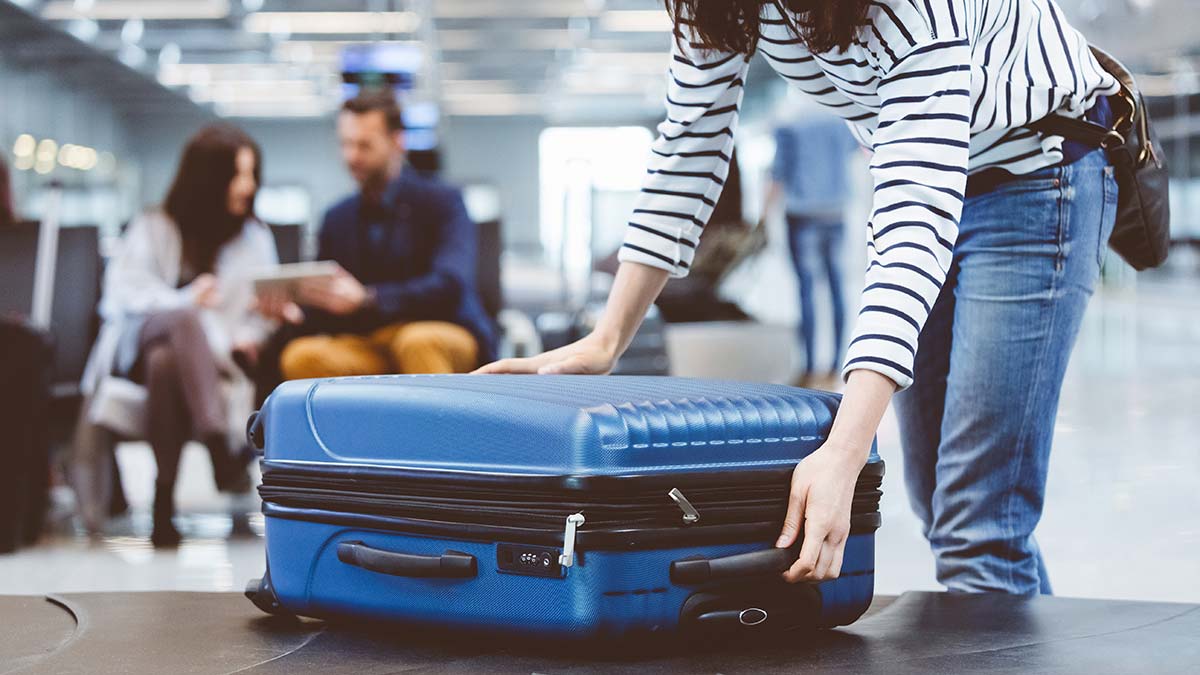
Flight disruptions can sometimes separate passengers from their checked luggage.
If your baggage is delayed or missing:
- Report it immediately at the airline baggage desk
- Obtain a Property Irregularity Report (PIR)
- Keep all baggage claim documents
- Ask about reimbursement for essential purchases.
Some travel insurance policies may cover emergency clothing or toiletries if baggage is delayed for a certain period.
Airlines have compensation policies that detail what they'll do in the case of a flight delay or cancellation. Image: Getty
FAQ: flight delays and cancellations
Most airlines notify passengers about delays or cancellations through their app, SMS or email. You can also check flight status updates on the airline’s website, airport departure boards or flight tracking apps.
Because delays can change throughout the day, it's important to continue monitoring updates regularly before and during your journey.
Full-service agencies, such as the RACV Travel and Experiences team, can help provide information and support with flight changes, delays and cancellations.
No. Flight departure and arrival times are generally considered estimates rather than guaranteed times. Airlines may change schedules due to weather, operational issues, air traffic congestion, safety concerns or other unexpected events.
Most airlines outline this in their conditions of carriage, which explains passenger rights and the airline's responsibilities during disruptions. You should be able to find these on the airline's website.
Check the airline app or website immediately, then contact the airline to discuss rebooking, refunds or accommodation assistance. Acting quickly can improve your chances of securing an alternative flight.
In many cases, yes. If the airline cancels your flight, you may be offered a refund, travel credit or alternative flight, depending on the airline's policy and your ticket conditions.
Travel insurance may cover additional expenses such as accommodation, meals and transport if your flight is delayed for a specified period. Cover depends on the policy terms and the reason for the delay.
If your connecting flights were booked with the original airline or one of its affiliates, the airline will usually help rebook you onto the next available flight to your destination. Depending on the delay and the airline's policy, you may also receive accommodation or meal assistance if an overnight stay is required.
If your connecting flights were booked with a different carrier, the second airline may not be responsible if you miss your connection. In this situation, you may need to arrange and pay for a replacement flight yourself.
If you've booked through a travel agency, they should be able to help with organising new flights and providing a broad range of support.
There is no standard compensation rule in Australia. Eligibility depends on the airline's policy, the reason for the disruption and your travel insurance coverage.
If the delay is short, airlines may still expect passengers to check in as normal. Always monitor airline communications carefully before deciding to stay home or leave the airport.
Report missing baggage to the airline immediately and request a Property Irregularity Report (PIR). Keep receipts for emergency purchases and check whether your travel insurance provides baggage delay cover.
Some ways to minimise disruption include:
- booking early morning flights
- avoiding tight connections
- purchasing travel insurance
- monitoring flights before leaving for the airport
- keeping essential items in carry-on luggage.
Contact your cruise line's emergency telephone number if a delayed or cancelled flight causes you to miss embarkation. They will be able to discuss options with you, which may include joining the cruise at an alternative port en route (where possible), or cancelling the cruise altogether.
The same steps apply should a delayed flight cause you to be late for a tour. Contact the tour operator and they'll talk you through the available options.
Many travel agents recommend arriving at your port of embarkation or tour start point at least one day prior to help reduce the risk of running late. This also gives you time to explore the embarkation city.
*RACV Travel Insurance Member discount applies to the premium only (not applicable taxes).
Royal Automobile Club of Victoria (RACV) Limited (ABN 44 004 060 833, AR No. 1243563) (RACV) is an authorised representative of the RACV Travel Insurance insurer Tokio Marine & Nichido Fire Insurance Co., Ltd. (ABN 80 000 438 291 AFSL 246 548) (Tokio Marine). Tokio Marine Management (Australasia) Pty Ltd (ABN 69 001 488 455, AR No. 1313066) is an authorised representative of Tokio Marine, and administers RACV Travel Insurance as the managing agent on behalf of Tokio Marine.
Terms, conditions (including eligibility criteria), exclusions, limits and sub-limits apply. Any advice is general advice only, and does not take into account your specific objectives, financial situation or needs. Before you purchase, please consider the Combined Product Disclosure Statement (PDS) / Financial Services Guide (FSG) and Target Market Determinations (TMDs) available on RACV’s website, or on request from RACV.

