
Learn how to keep your smartphone safe when travelling with practical tips on preventing theft, protecting data and staying secure on public Wi-Fi.
Travel Insurance
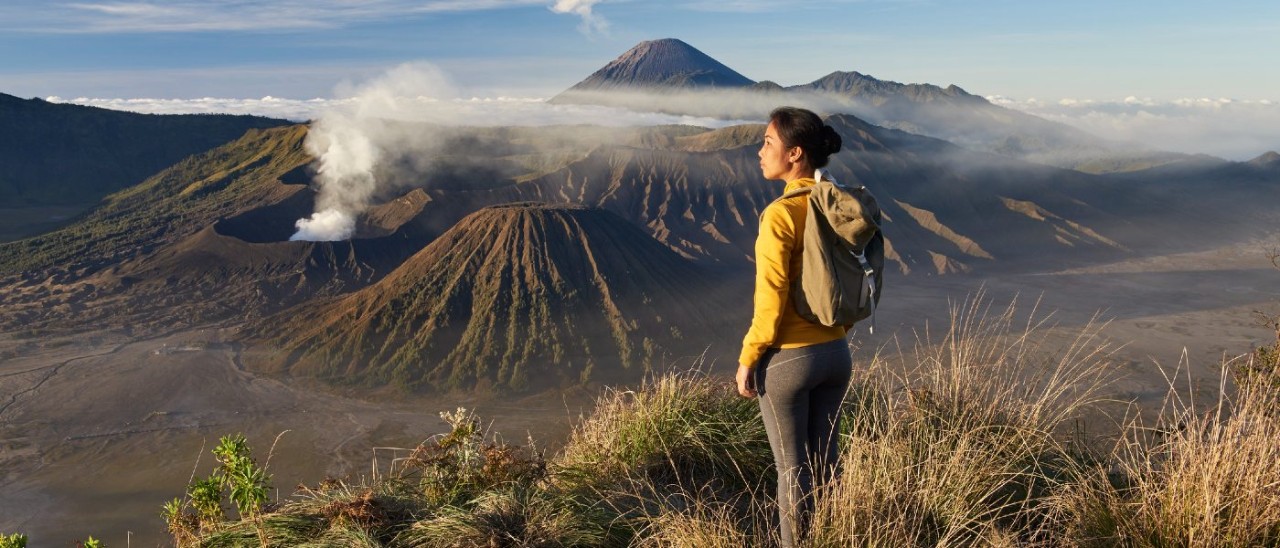


Volcanic travel disruption and flight cancellations: What to do in the event of an eruption
Prepare for volcanic travel disruption: learn how to stay safe, protect your health, and use travel insurance during flight cancellations caused by volcanic eruptions.
Volcanic eruptions can strike suddenly, grounding flights, closing airports, and creating health risks for travellers worldwide. This guide explains what to do in the event of a volcanic eruption, how to use travel insurance effectively, and highlights the most notable volcanic events that have caused flight cancellations and travel chaos in recent years.
Why volcanic eruptions disrupt flights and travel
Flying through volcanic ash is extremely dangerous for aircraft engines, which is why even minor eruptions can result in widespread flight delays and cancellations. Airports in affected regions may close temporarily, and ash can disrupt ground transport and local services. Health risks also rise in areas affected by ash clouds, especially for individuals with respiratory conditions. Understanding these risks helps travellers make informed decisions about whether to proceed with, delay, or modify travel plans.
If you want cover for flight cancellations, then you need to choose a travel insurance policy that includes it. Image: Getty
Volcanic travel disruption: How to use travel insurance and safety tips to stay protected
RACV's Executive General Manager for Leisure, Craig Peachey, says travellers should review their travel insurance coverage and follow this advice to help stay protected during your travels.
Understand your travel insurance coverage
“Before embarking on your journey, thoroughly review your travel insurance policy to understand what is covered in the event of volcanic activity. Look for specific clauses related to natural disaster provisions, trip cancellation terms, delay compensation and emergency medical coverage,” Peachey says.
“Ensure that your policy includes explicit coverage for volcanic ash clouds and related travel disruptions."
It is important to note that travel insurance policies often have exclusions for “known events.” Once a volcanic eruption is widely reported, insurers typically consider it a known event, and any new policies purchased after that point will not cover losses related to the eruption. This is a common exclusion in travel insurance, but many travellers are unaware of it until they try to make a claim.
The Australian government travel site Smarttraveller found that one in four Australian travellers experienced an insurable event on their last overseas trip.
Consider your travel insurance coverage
Consider a travel insurance policy that offers broad cover across multiple scenarios. Key features to look for include natural disaster coverage, emergency medical evacuation, trip interruption and cancellation benefits, and 24/7 emergency assistance services.
Purchasing travel insurance early can help provide coverage for situations such as trip cancellations and help reduce the financial impact of potential complications. In the event of a volcanic ash cloud disruption, meticulous documentation is crucial.
“Keep all travel-related receipts, collect official documentation from airlines and local authorities, take photographs of any travel disruptions and maintain a detailed timeline of events to help you when you make a travel insurance claim,” Peachey says.
It's important to consider your personal health and circumstances when travelling during volcanic eruptions, including if your travel insurance is sufficient. Image: Getty
Consider your personal health and circumstances
Volcanic ash can pose significant health risks, particularly for individuals or seniors with respiratory conditions, asthma, allergies, and compromised immune systems.
“Check your travel insurance to see if it includes medical coverage for ash-related health issues, potential medical evacuation and coverage for emergency medical treatments,” Peachey says.
For example, a travel insurance policy may cover emergency medical treatment if you're affected by ash during your trip, provided you do not have an undeclared or excluded pre-existing condition. Claims arising from, or made worse by, undeclared or excluded medical conditions may not be covered. Make sure you read the Product Disclosure Statement. If you're purchasing an RACV Travel Insurance policy and have questions or concerns, call 13 13 29.
More: Travel insurance for medical emergencies and natural disasters
Safety checklist during a volcanic eruption
- Monitor volcanic activity at your destination
- Regularly check government travel advisories such as Smartraveller
- Maintain flexible travel plans
- Keep emergency contacts easily accessible
- Pack essential medications and protective gear
- Register your travel plans with local authorities for updates
- Contact your insurance provider to clarify the specifics of volcanic ash cloud coverage.
“It is advisable to contact your insurance provider to clarify the specifics of volcanic ash cloud coverage,” Peachey says.
“While volcanic activity remains unpredictable, informed travellers can minimise risks and protect their investments. By understanding your travel insurance coverage and being prepared, you may be better equipped to handle potential ash cloud disruption".
More: Countries with reciprocal healthcare agreements when travelling overseas
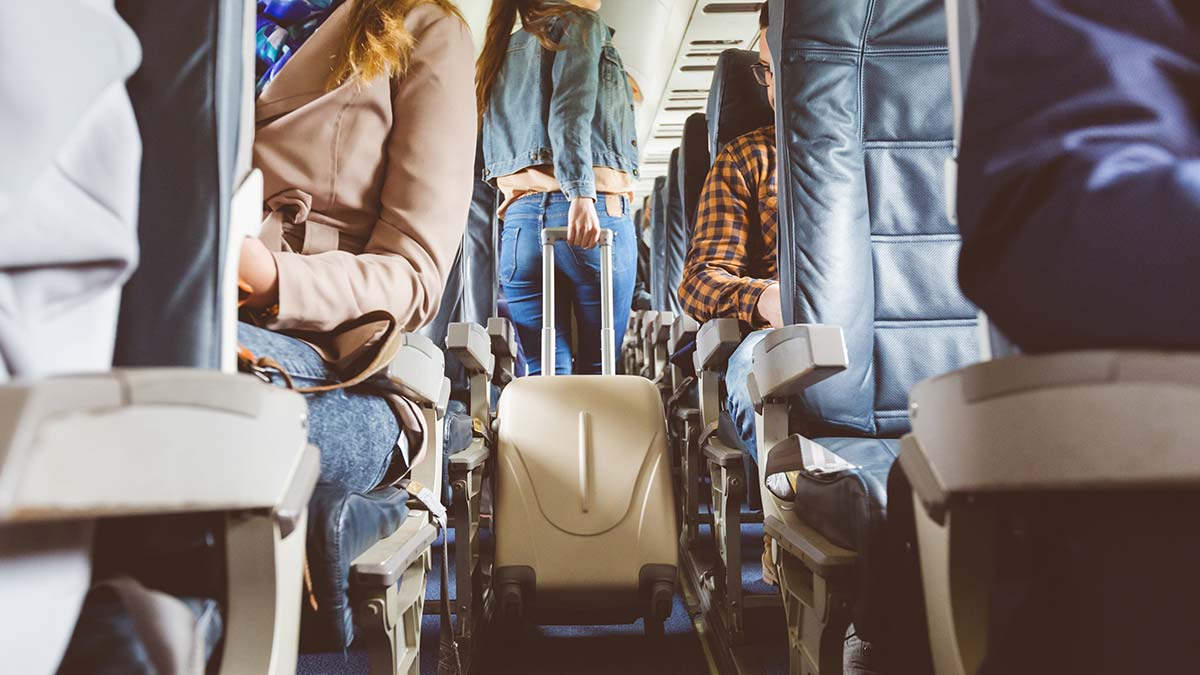
Packing essential medications in your carry-on luggage is a good idea when travelling, whether there is a risk of volcano eruption or not. Image: Getty
Major volcanic eruptions that disrupted flights
1. Eyjafjallajökull, Iceland (2010)
Over 100,000 flights were cancelled at the height of the eruption. The ash plume grounded large parts of European airspace for about a week. On its worst day, roughly 30 per cent of global scheduled passenger capacity was grounded.
2. Grímsvötn, Iceland (2011)
Approximately 900 flights were cancelled during the eruption period. The ash cloud spread over parts of Northern and Western Europe.
3. Taal Volcano, Philippines (2020)
On 12 January 2020, Manila’s NAIA airport temporarily suspended operations. At least 516 flights were disrupted, impacting roughly 80,000 passengers. Several international flights were diverted to alternative airports.
4. Hunga Tonga–Hunga Haʻapai, Tonga (2022)
A massive submarine eruption on 15 January created an enormous ash plume. Regional flights in the Pacific, including routes to Australia and New Zealand, were disrupted.
5. Mount Lewotobi Laki Laki, Indonesia (2024–2025)
Multiple eruptions produced ash columns up to 11km high. Dozens of flights to and from Bali were cancelled, affecting approximately 14,000 passengers.
*RACV Travel Insurance Member discount applies to the premium only (not applicable taxes).
Royal Automobile Club of Victoria (RACV) Limited (ABN 44 004 060 833, AR No. 1243563) (RACV) is an authorised representative of the RACV Travel Insurance insurer Tokio Marine & Nichido Fire Insurance Co., Ltd. (ABN 80 000 438 291 AFSL 246 548) (Tokio Marine). Tokio Marine Management (Australasia) Pty Ltd (ABN 69 001 488 455, AR No. 1313066) is an authorised representative of Tokio Marine, and administers RACV Travel Insurance as the managing agent on behalf of Tokio Marine.
Terms, conditions (including eligibility criteria), exclusions, limits and sub-limits apply. Any advice is general advice only, and does not take into account your specific objectives, financial situation or needs. Before you purchase, please consider the Combined Product Disclosure Statement (PDS) / Financial Services Guide (FSG) and Target Market Determinations (TMDs) available on RACV’s website, or on request from RACV.

