
Flight cancelled or delayed? Learn what to do step by step, understand your airline rights, manage missed connections and see how travel insurance can help.
Road Trip


Driving overseas for Australians: licences, IDP, insurance & road rules
Planning to drive overseas? This guide for Australians explains licence requirements, International Driving Permits (IDP), rental car insurance, and key road rules to help you stay safe and compliant abroad.
Driving overseas can be one of the most rewarding ways to explore a new country.
For Australians, international motoring requires correct documentation, legal compliance, and an understanding of local road rules.
This comprehensive guide explains what you need to know about driving overseas, including what licences you need, whether you require an International Driving Permit (IDP), how overseas insurance works, and essential road rules to follow in popular travel destinations.
Your Australian driver licence overseas
Your Australian driver licence remains your primary legal driving document. When travelling, you should always carry:
- your original Australian driver licence
- your International Driving Permit (if required)
- a photocopy of both documents stored in your luggage.
Keep in mind that some countries may require you to apply for a local driver licence if you're spending an extended time in the country. The overseas driver licensing authority may need your driver licence history, which you can order from VicRoads for a fee.
Always carry your driver licence when driving overseas, and an International Driving Permit where required. Image: Getty
Do you need an International Driving Permit?
What is an International Driving Permit?
An International Driving Permit (IDP) is a United Nations-sanctioned translation of your Australian licence for driving (or riding a motorbike) in more than 150 countries. It translates your driver licence into nine different languages: English, Spanish, French, German, Russian, Greek, Arabic, Japanese and Chinese.
IDPs make it easier for local authorities and rental companies to verify your driving credentials. It is not a standalone licence but works in conjunction with your current Australian licence: it needs to be accompanied by your current hard copy Australian driver licence photo card. A digital driver licence is unacceptable.
Who needs an IDP?
Whether you need an IDP depends on your destination. Every country has its own rules about whether an IDP is legally required.
In general, an IDP is:
- required in many non‑English‑speaking countries (for example, Japan, France and Spain)
- optional but recommended in some English‑speaking countries, as it can help smooth the vehicle rental process
- not typically required in countries with reciprocal licence recognition arrangements with Australia (for example, New Zealand).
Always check specific local rules before you travel. For the most up‑to‑date list of countries requiring an International Driving Permit (IDP), consult the Australian Automobile Association (AAA). The AAA and its member clubs, including RACV, are the only authorised distributors of IDPs for Australian driver licence holders. Beware of travel scams and third‑party suppliers using fake websites or unofficial email addresses.
Travellers can also confirm permit requirements with the embassy or consulate of the country they plan to visit. Even if an IDP isn’t required by the country itself, some rental companies may still require one to hire a car, motorbike or go‑kart.
How to get an IDP
To be eligible for an IDP, you need to:
- be at least 18 years old
- have a current Australian driver licence (current when you apply and while you are driving overseas).
You can use your digital driver licence to apply; however, you must carry your physical licence card and your IDP while travelling.
To apply, you’ll need:
- a current Australian driver licence (plastic photo card or digital licence)
- a recent passport‑sized colour photo of yourself against a plain white background
- a Visa or Mastercard (the IDP costs $53 plus postage).
You can apply online for home delivery. Just be sure to allow enough time before you travel, especially during busy periods or public holidays. Alternatively, you can apply in person at an RACV store and receive your IDP on the same day. Some RACV stores can also take the required photo for an additional cost.
When does an IDP expire?
International Driving Permits are valid for 12 months from the date of issue, or until the expiry date of your Australian driver's licence.
If you're overseas, you can apply online for a new IDP and have it delivered to an overseas address using international express post or direct courier.
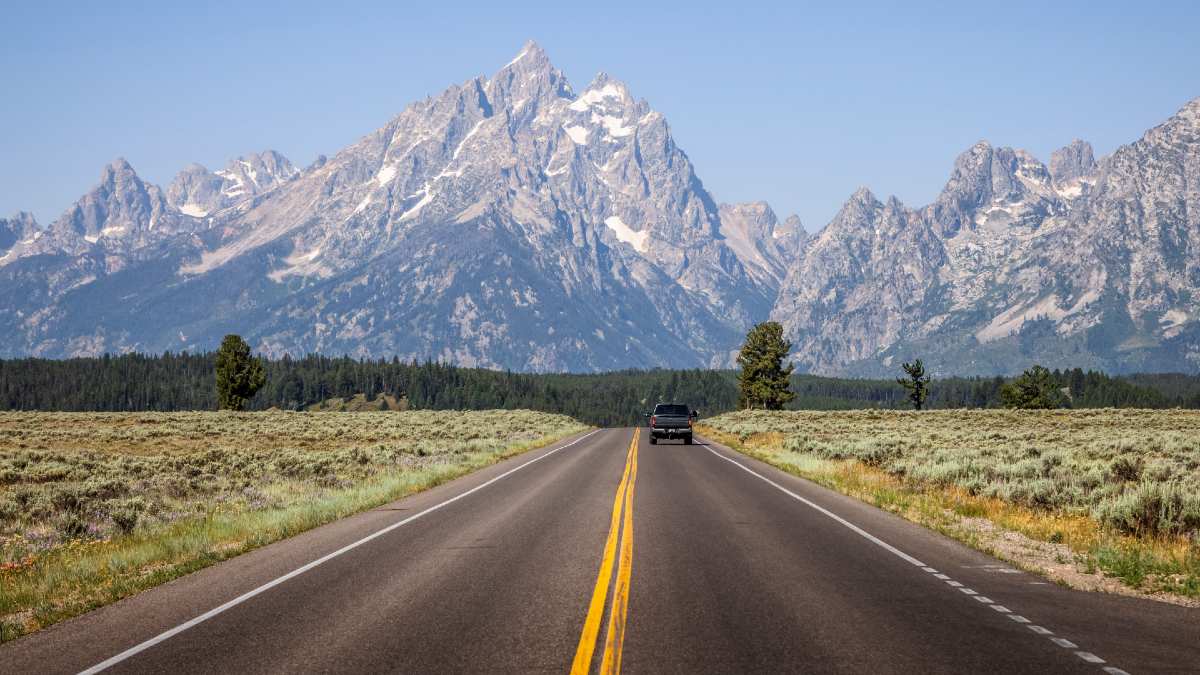
In some countries, like the US, you'll be driving on the right-hand side of the road. Image: Getty
Rental car insurance overseas
Rental car insurance basics
When renting a vehicle overseas, you will encounter various types of insurance. Rental companies typically offer:
- Collision Damage Waiver (CDW) / Loss Damage Waiver (LDW) - covers damage to the rental car
- Third-Party Liability Insurance - mandatory in most countries to cover damage to others
- Theft Protection - covers theft of the vehicle
- Personal Accident Insurance - covers medical costs for drivers and passengers.
What type of coverage is available?
With travel insurance such as RACV International Travel Insurance, you can get cover for up to $8,000 against any excess payable if your rental car is involved in an accident, stolen or damaged.#
Credit card benefits may also provide rental car insurance if the booking is made using the card. If this is the case, you may be able to decline certain rental car insurance options. However, be cautious:
- some credit card policies exclude certain countries
- some policies may not cover off-road driving
- some policies don't start until your have booked your outgoing and return fares
- some policies require a minimum spend on the card to trigger cover
- some policies need to be manually activated before you depart
- excess charges may still apply unless extra cover is purchased.
# Limits, sub-limits and exclusions apply. Refer to the Product Disclosure Statement for full details.
Tips for choosing rental car insurance
Car hire companies' insurance usually comes with a large excess in the case of an incident. Additional excess may apply depending on where you collect the car, or even the type of car your select. To help avoid unexpected expenses:
- read all insurance terms carefully before signing
- ask about excess amounts and any exclusions
- consider 'excess buyout’, where you can pay the rental company more to reduce or remove the excess
- confirm whether there are geographical or age restrictions
- take photos of the vehicle at pick-up and return.
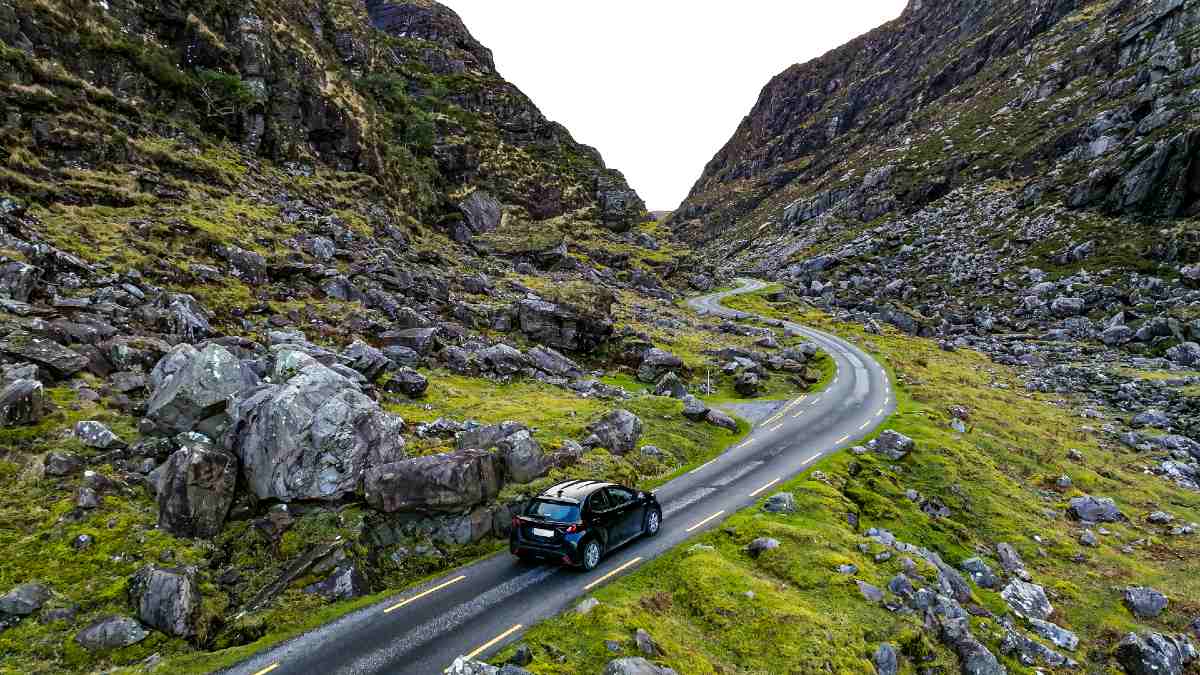
Be prepared for some very narrow country roads when driving in the UK and Ireland. Image: Getty
Understanding overseas road rules
Driving on the left vs on the right
One of the most important differences Australians will encounter is the side of the road on which vehicles drive:
- Left-hand driving (as in Australia) is used in countries such as New Zealand, the United Kingdom, Ireland, Japan, Cyprus, Malta, and several countries across Africa, Asia, the Caribbean, and Oceania.
- Right-hand driving is used in most of Europe, the USA, Canada, and many other countries.
Transitioning to the opposite side of the road can be challenging. Allow time to adjust, especially at intersections, roundabouts, and when exiting car parks.
Speed limits and road signs
Australia's speed limits are measured in kilometres per hour (km/h), but some countries use miles per hour (mph). Always check local signage and be aware of:
- school zones
- pedestrian areas
- variable speed limits in different regions or seasons
- toll roads and cameras.
For example, most city centres in France require a 30km/h speed limit.
Seatbelts and child restraints
Most countries have strict seatbelt laws for all occupants. Child safety rules vary widely, including:
- age requirements for booster seats
- forward-facing vs rear-facing mandates
- fines for non-compliance.
Check the specific rules of the country you plan to visit before travelling with children.
Drink-driving laws
Drink-driving limits differ globally. Many European countries, for example, set very low or zero blood alcohol concentration (BAC) limits. Some have zero-tolerance policies, with strict penalties for any offence. Always nominate a sober driver if consuming alcohol.
Note that in Japan, it's also illegal to ride in a car as the passenger of a drunk driver.
Mandatory safety items
Before you drive overseas, check whether your destination requires extra safety equipment, like winter tyres in colder months.
In Spain, for example, you must carry two red warning triangles and a reflective jacket. You must also carry a spare pair of glasses in your car if you have prescription lenses.
Headlights
Headlights are required to be always switched on in some countries, such as Sweden and Norway.
Driving across borders
Whether you can legally drive your rental car across a state or country border depends on your hire car company's conditions. Read the fine print and ask questions if you're unsure.
Sometimes you may need to pay a cross-border fee or limit how long you're in another country.
Note that some car hire companies don't allow their cars on board ferries, such as between islands of a country.
The Australian Automobile Association (AAA) is the only authorised body to sell International Driving Permits in Australia. RACV is an authorised sales agent of the AAA. Terms and Conditions apply
# Limits, sub-limits and exclusions apply. Refer to the Product Disclosure Statement for full details.
The information provided is general advice only. Before making any decisions please consider your own circumstances and the Product Disclosure Statement and Target Market Determinations. For copies, visit racv.com.au. Royal Automobile Club of Victoria (RACV) Ltd AR 001243563 is an authorised representative of the issuer and receives commission for each policy sold or renewed. RACV Travel Insurance issued by Tokio Marine & Nichido Fire Insurance Co., Ltd ABN 80 000 438 291 AFSL 246 548. Terms & conditions apply, refer to the PDS.

