
From world-class wines to breathtaking alpine views, Victoria’s High Country has something for everyone. Here are the best things to do across the High Country's best towns.
Victoria
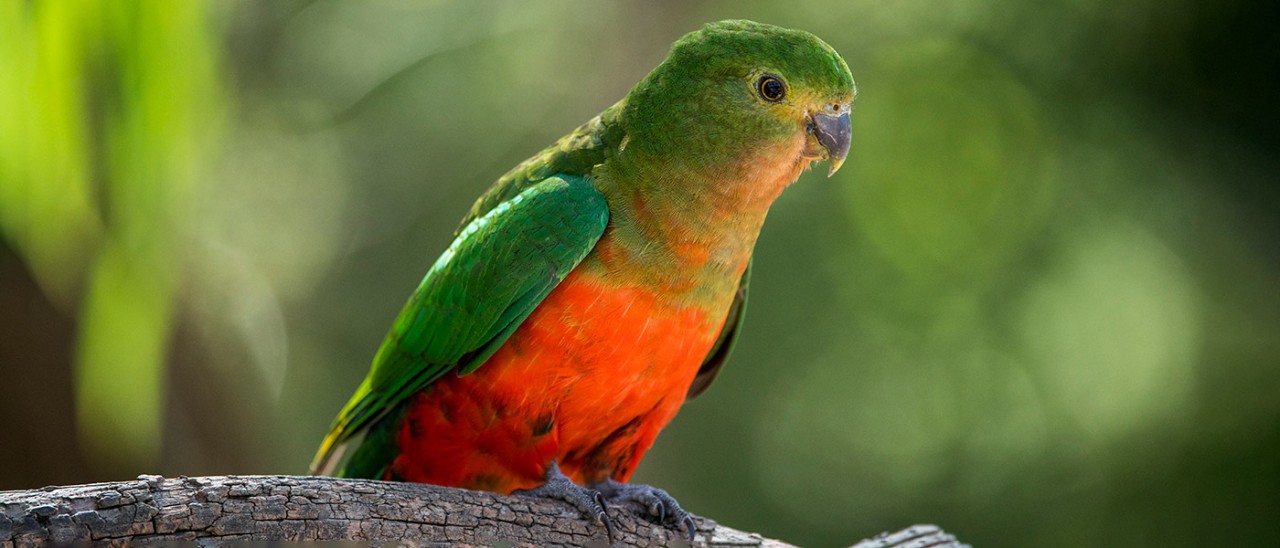
Best places for a birdwatching holiday in Victoria
From wetlands and coastal reserves to forests, mallee country and city gardens, Victoria is one of Australia’s best destinations for birdwatching holidays.
Birdwatching is one of the simplest ways to slow down on holiday. You do not need to travel far, pack specialist equipment or be an expert twitcher to enjoy it. Sometimes it's as easy as looking up from a walking track, listening for a call in the trees or noticing the flash of colour as a rosella moves through the bush.
Victoria is especially rewarding for bird lovers, with a wide variety of habitats within easy reach of Melbourne. You can watch the pelican feeding at San Remo before exploring Phillip Island, look for lyrebirds in the Dandenong Ranges, or go on a road trip to Murray-Sunset National Park to spot distinctive arid-zone species such as the malleefowl.
Visit Victoria says more than 400 bird species can be seen across the state, while Parks Victoria notes that more than half of Australia’s 800-plus bird species can be found in Victoria.
In this guide, we look at why birdwatching is capturing more attention across Australia, where to plan a nature-focused break in Victoria, and how birds continue to inspire artists, photographers and everyday observers.
More: Best walks, hikes and trails near RACV Resorts
In this article
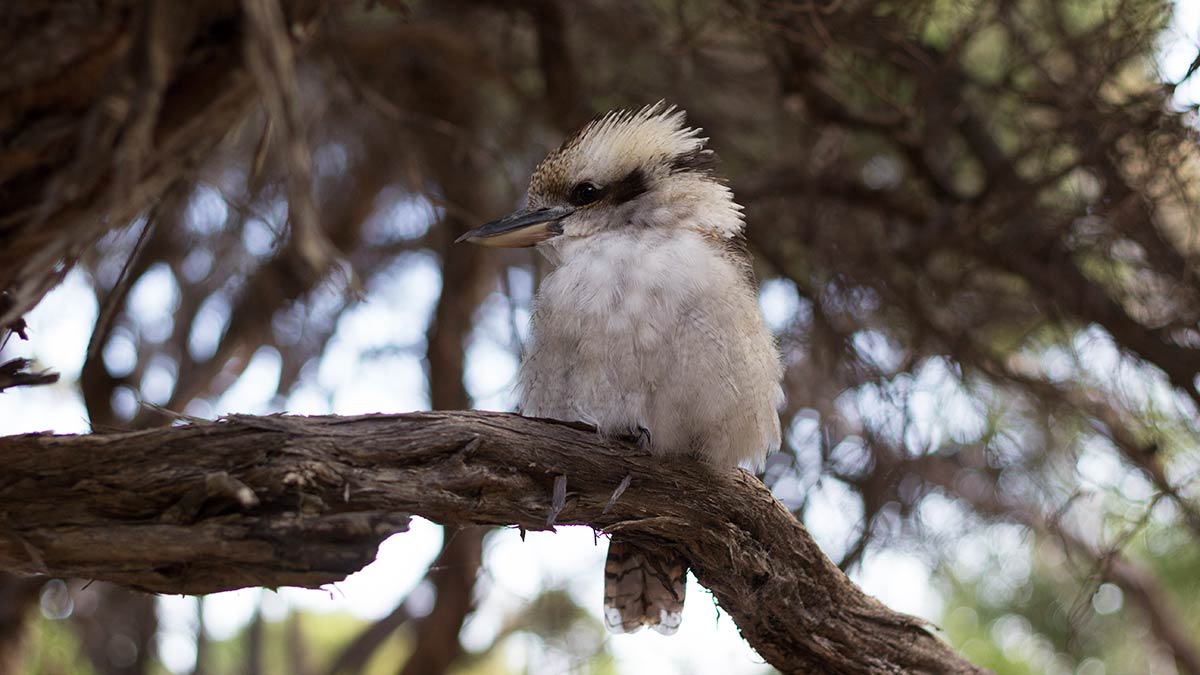
You’re likely to hear a kookaburra before you see one in many places across Victoria. Image: Getty
Why birdwatching is having a moment in Australia
Birdwatching has moved well beyond a niche hobby. BirdLife Australia’s 2025 Aussie Bird Count recorded 63,990 participants, 153,855 surveys and more than five million birds counted across Australia. The annual citizen science event asks people to spend 20 minutes observing birds in a backyard, park, school, workplace or favourite outdoor space.
The 2025 count found the Australian magpie was the bird most commonly seen across the continent, appearing in one in every two surveys, while the rainbow lorikeet remained the most numerous bird counted, thanks to regular sightings of colourful flocks.
Australians also vote for their favourite birds. The Guardian Australia and BirdLife Australia’s Australian Bird of the Year poll invites the public to choose a favourite native bird, celebrating birdlife while raising awareness of conservation. In 2025, the tawny frogmouth was crowned Australian Bird of the Year after more than 310,000 votes were cast.
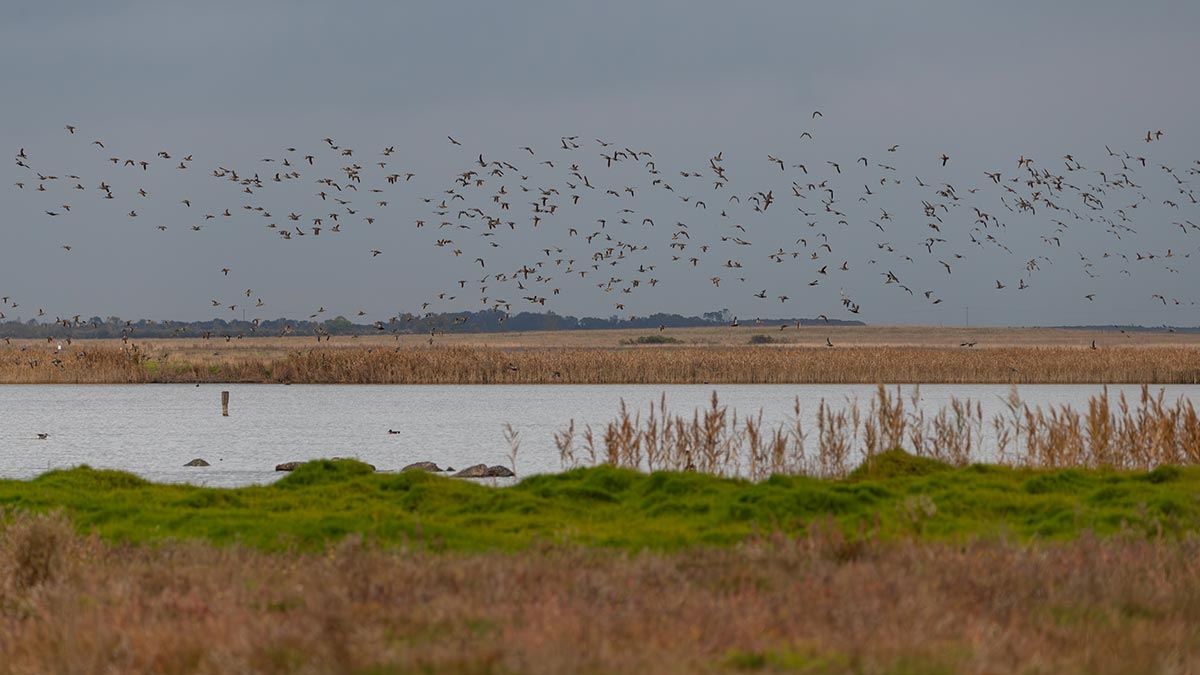
A flock of birds takes flight over Werribee’s Western Treatment Plant, one of Victoria’s top birdwatching sites. Image: Getty
Best birdwatching spots in Victoria
1. Werribee Western Treatment Plant
Often described as one of Victoria’s premier birdwatching sites, Werribee’s Western Treatment Plant combines lagoons, grasslands, coastline and internationally significant wetlands that attract tens of thousands of birds, including migratory shorebirds and rare species.
Because it is an operational site, birdwatching access is controlled. Visitors can apply for Melbourne Water birdwatching access in advance and explore on a self-guided visit, in which case a car is essential for getting around the large site. Alternatively, visitors can join a licensed guided tour, with expert guides providing transport.
For an easy birdwatching road trip from Melbourne, start at Werribee’s Western Treatment Plant, continue towards the You Yangs or Lara wetlands for woodland birds such as honeyeaters and fairy-wrens, before heading for a stay at Torquay and see coastal species, including rufous bristlebirds, sea eagles, and shearwaters, along the Surf Coast. On the return loop, stop near the Barwon River estuary, Breamlea or Lake Connewarre to look for hooded plovers, spoonbills and swamp harriers before heading back to Melbourne.
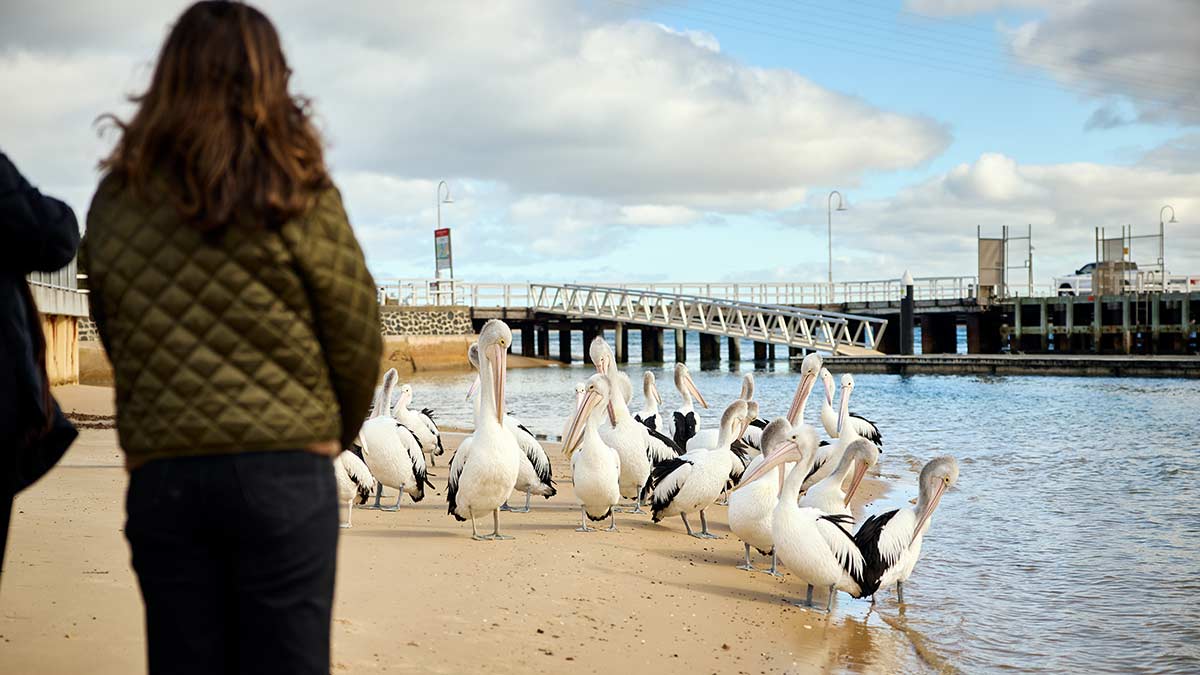
Pelican feeding time is one of San Remo’s most popular wildlife attractions. Image: Visit Victoria
2. Phillip Island, Rhyll Inlet and Western Port
Phillip Island may be best known for little penguins, but birdwatchers should also make time for Rhyll Inlet and the island’s coastal habitats. Mangroves, mudflats and beaches attract waders, spoonbills, oystercatchers, cormorants and pelicans, while nearby shorelines may reveal hooded plovers and migratory birds at the right time of year.
This is a good choice for families or casual birdwatchers because wildlife experiences, walking tracks and coastal scenery are easy to combine in one short break. Don’t miss the San Remo Fisherman’s Co-op pelican feeding, held daily at noon on the foreshore next to San Remo Pier.
More: The best things to do and see on Phillip Island
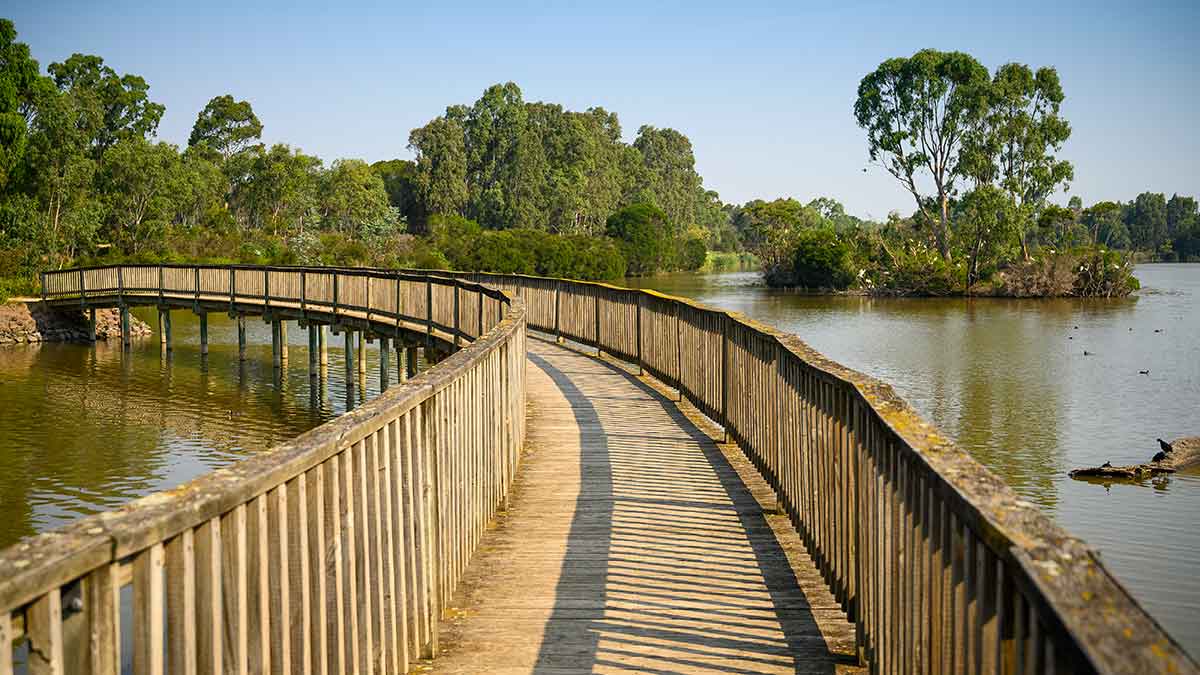
Lake Guthridge’s boardwalk in Sale is a peaceful spot for morning and evening walks, with plenty of birdlife to spot along the way. Image: Visit Victoria
3. Gippsland Lakes and Sale Common Nature Conservation Reserve
The Gippsland Lakes are among Victoria’s great birdwatching holiday destinations, especially for people interested in wetlands and waterbirds. This vast network of coastal lagoons, rivers and wetlands supports thousands of birds, including swans, spoonbills, cormorants, ibis, herons, coots and raptors such as whistling kites and white-bellied sea eagles.
Sale Common Nature Conservation Reserve is a popular stop for a short walk, with boardwalks and wetland views that make birdwatching accessible. It can also be included in a longer Gippsland road trip, taking in Phillip Island before a stay at Inverloch, with cabin, villa and caravan park accommodation available.
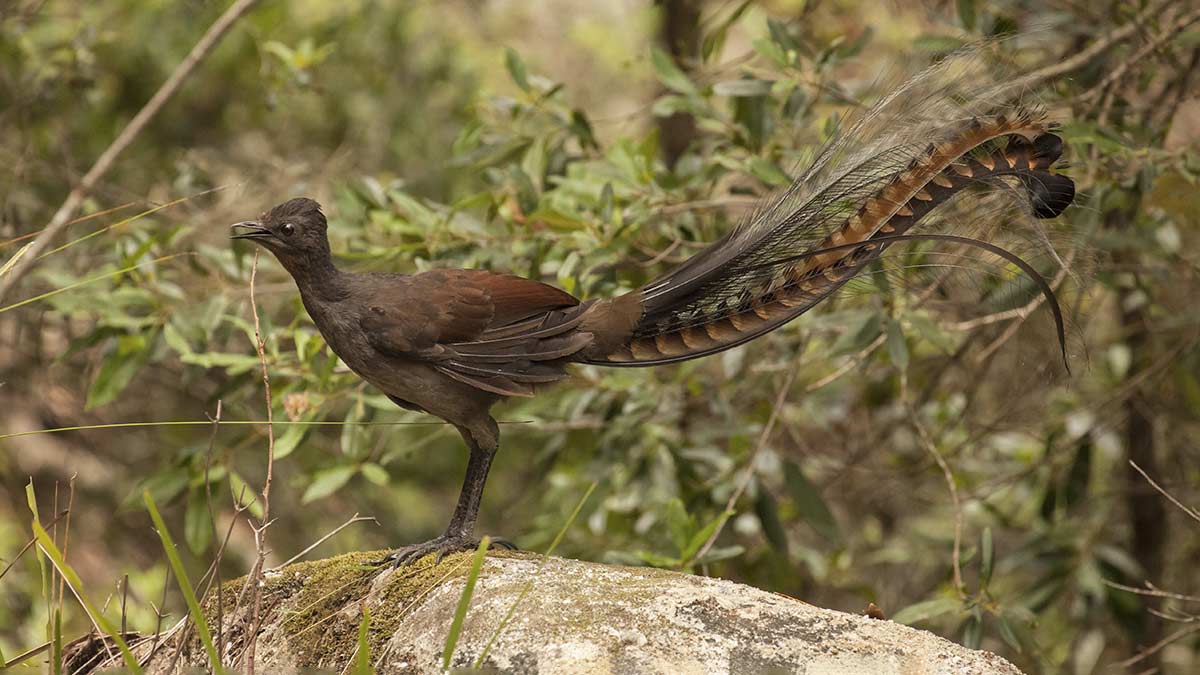
Early morning in Sherbrooke Forest is one of the best times to hear lyrebirds in Dandenong Ranges National Park. Image: Getty
4. Dandenong Ranges and Yarra Valley
For a birdwatching day trip or weekend close to Melbourne, the Dandenong Ranges are hard to beat. Cool forests, fern gullies and tall mountain ash provide habitat for superb lyrebirds, crimson rosellas, kookaburras, currawongs and honeyeaters. Visit early in the morning for the best chance of hearing the lyrebird’s remarkable mimicry.
The nearby Yarra Valley adds gardens, reserves and open woodland to the itinerary, making it a useful option for travellers who want a relaxed nature escape with food, wine and scenic drives. Accommodation options include cottages, farm stays, cabins, caravan parks and a resort with golf course and day spa.
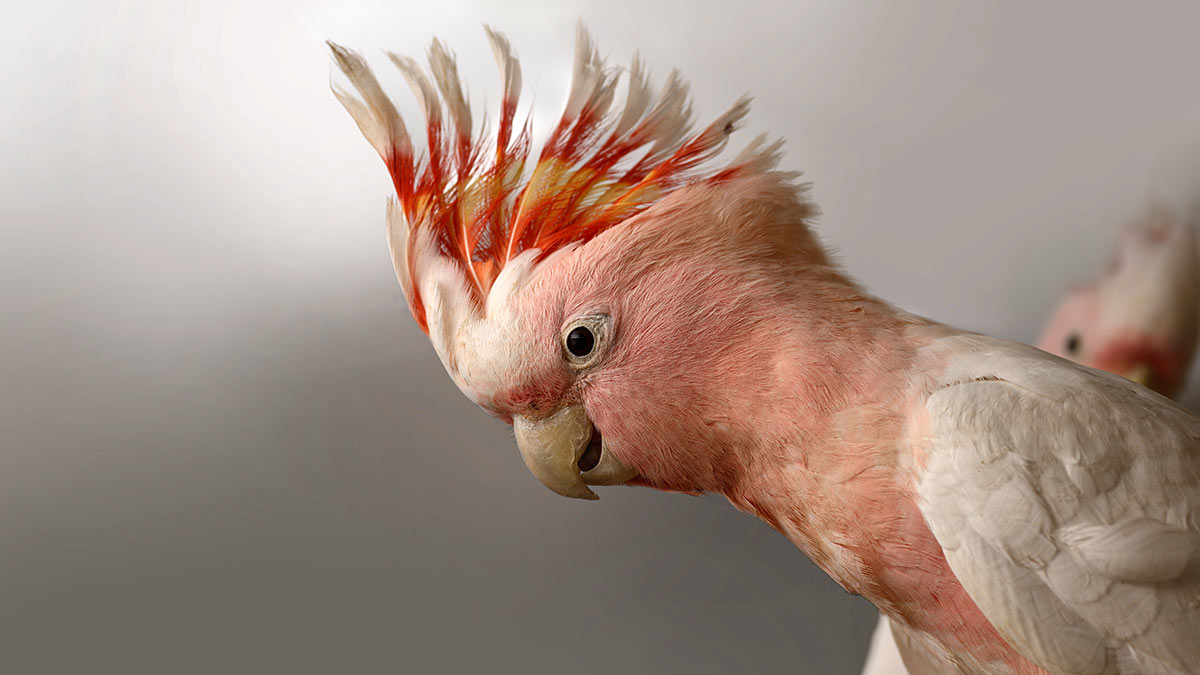
The Major Mitchell’s cockatoo is recognisable by its striking pink, yellow and red crest. Image: Getty
5. The Mallee: Hattah-Kulkyne, Wyperfeld and Murray-Sunset national parks
North-west Victoria is a favourite for more dedicated birdwatchers. The Mallee’s sandy soils, saltbush plains and mallee eucalypts support species that are difficult to see elsewhere, including malleefowl, regent parrots, Major Mitchell’s cockatoos, mulga parrots and mallee ringnecks.
Birdlife also appears in the region’s public art. Along Victoria’s Silo Art Trail, the Werrimull Mobile Silo Art features a budgie, Major Mitchell’s cockatoo, Mallee ringneck parrot, echidna, little eagle and emu.
Spring is considered one of the best times to visit north-west Victoria, when conditions can be more comfortable and bird activity increases. Because distances are long and conditions can be remote, plan carefully: check your car and park conditions before you go, pack an emergency car kit, and carry water, sun protection and reliable navigation. Download the VicEmergency App before you go.
More: Victoria's Silo Art Trail: how to explore Australia’s biggest outdoor art gallery
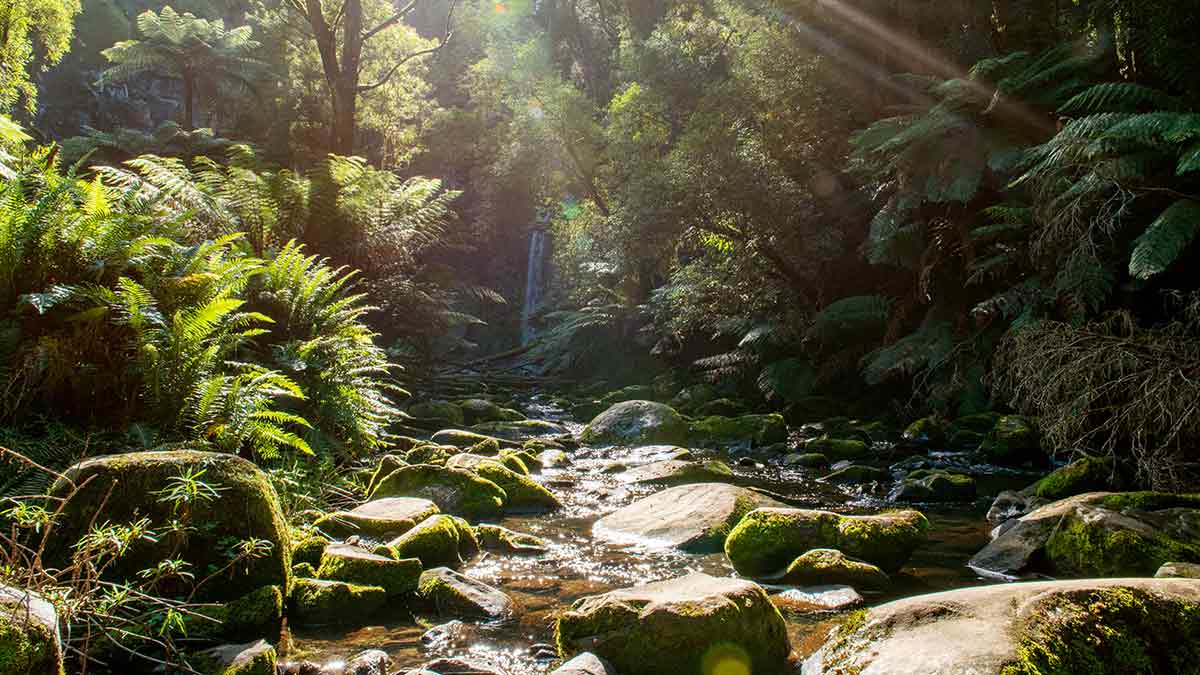
Birdwatching is a bonus on a visit to Hopetoun Falls in the Otways. Image: Visit Victoria
6. Great Otway National Park and the Great Ocean Road
The Great Ocean Road is already one of Victoria’s most popular holiday routes, but it is also rewarding for birdwatchers. Great Otway National Park combines rainforest, tall forest, heathland and coastline, creating opportunities to see species such as satin bowerbirds, pink robins, honeyeaters, southern emu-wrens and rufous bristlebirds.
Build birdwatching into a broader coastal holiday by stopping at lookouts, forest walks and quieter reserves. Dawn and late afternoon are generally better for bird activity, while coastal areas can be rewarding for seabirds and shorebirds.
More: Ultimate Great Ocean Road itinerary: Torquay to Warrnambool
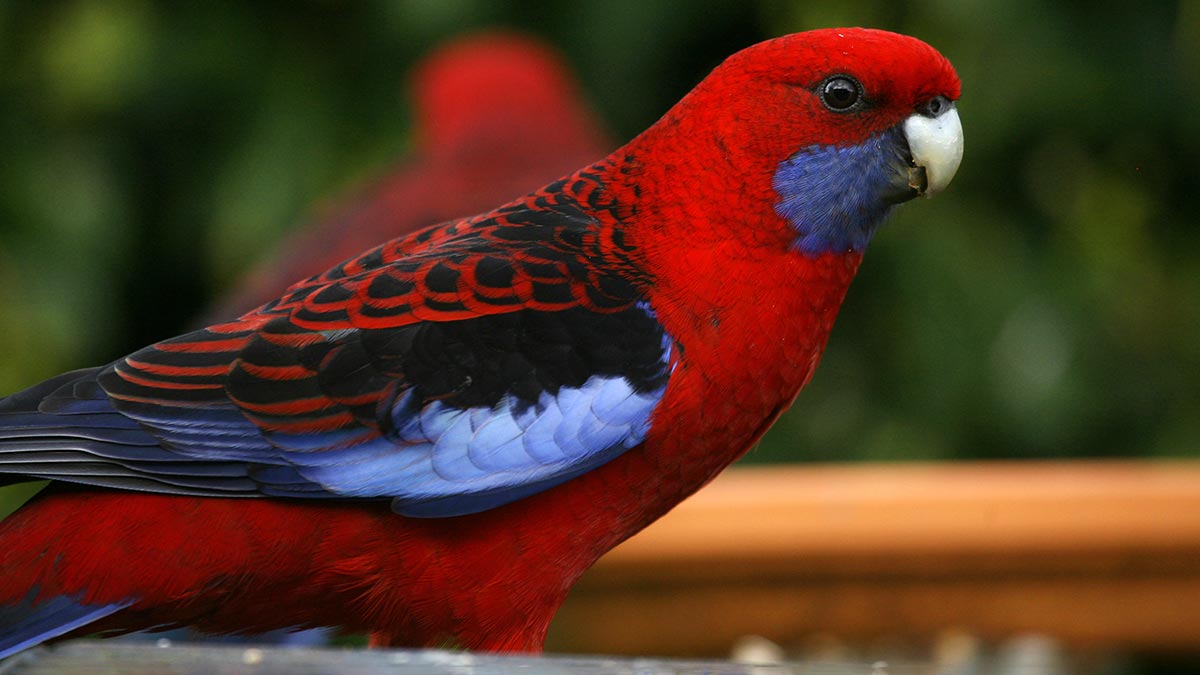
The Grampians National Park is home to vibrant populations of the crimson rosella. Image: Visit Victoria
7. Grampians, Barmah and Kerang Wetlands
The Grampians are a strong option for travellers who want dramatic scenery with their birdwatching. Look for parrots, cockatoos, kookaburras and woodland birds while exploring bushland walks and lookouts. In northern Victoria, Barmah and Kerang Wetlands offer a different experience, with waterbirds such as egrets, spoonbills, ibis and other wetland species.
These regions work particularly well for travellers who enjoy slow touring, regional towns and varied landscapes across a longer Victorian road trip.
More: The ultimate travel guide to the Grampians
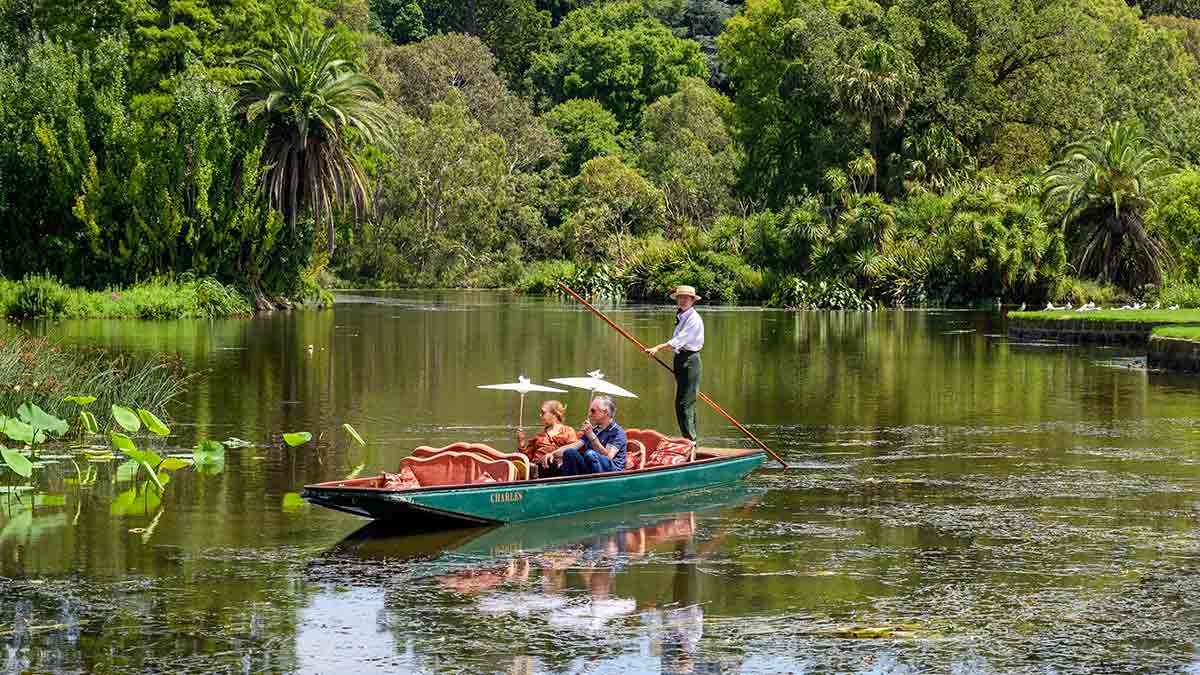
Listen out for birds as you glide across the lake. Guided Punting Boat Tours operate in the Royal Botanic Garden from September to May. Image: Visit Victoria
8. Melbourne birdwatching: Royal Botanic Gardens, Yarra Bend Park and city reserves
You do not need to leave Melbourne to start birdwatching. The Royal Botanic Gardens, Yarra Bend Park, Royal Park and other city reserves can be rewarding for beginners, photographers and families. Common urban species such as rainbow lorikeets, magpies, noisy miners, kookaburras, cockatoos and waterbirds are often easy to observe.
City birdwatching is also a useful warm-up before a regional birding holiday. Practise using binoculars, listening for calls and noting behaviour before heading further afield.
More: The best free botanic gardens and parks to visit in Melbourne
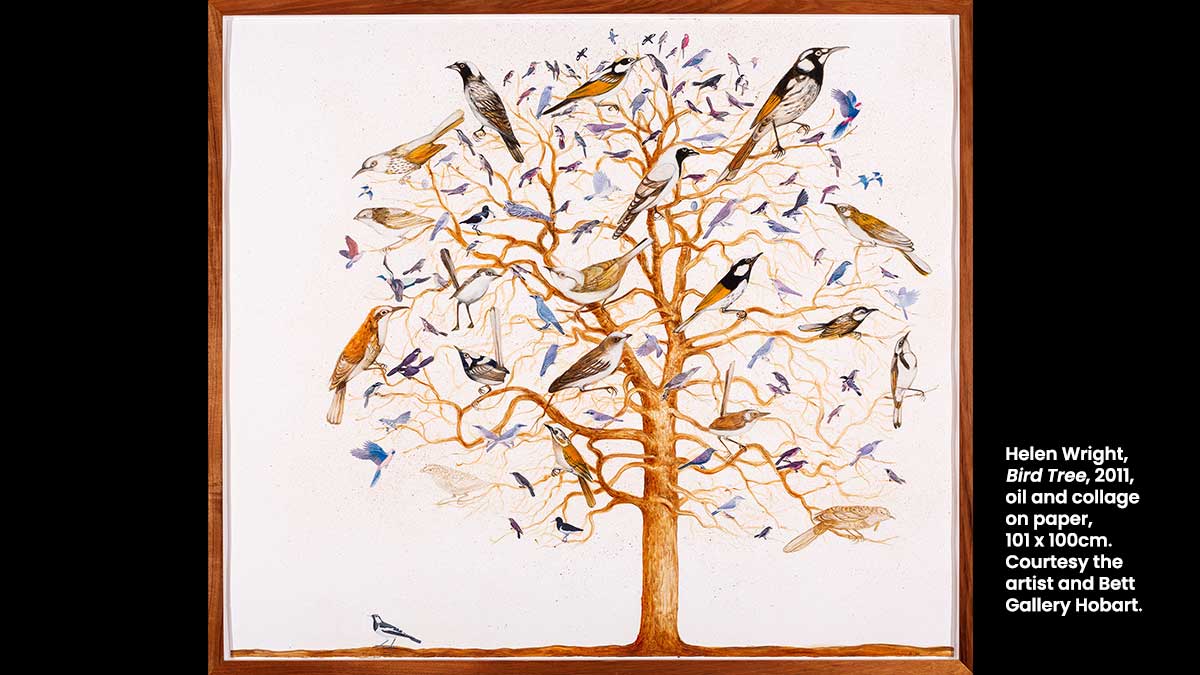
This artwork is on display at RACV Goldfields Resort.
Where birds meet art
Birds have long fascinated artists, and the Bird Nerds exhibition at RACV City Club brings together works that celebrate the character and quiet wonder of Australian birdlife.
RACV Visual Arts Curator Ellen Wignell says the RACV Art Collection reflects a long-standing affection for birds and the natural world.
“Birds have an extraordinary ability to connect people with the natural world," Wignell says. "Across the RACV Art Collection, we see artists drawn to them for their colour, movement, symbolism and the sense of wonder they bring to everyday landscapes."
RACV Club Members and their guests can see Bird Nerds at RACV City Club’s Gallery Lounge from 28 August to 15 November 2026, including works by Helen Wright, whose recent practice reflects her fascination with native birdlife. Other works by Wright are displayed at RACV Goldfields Resort.
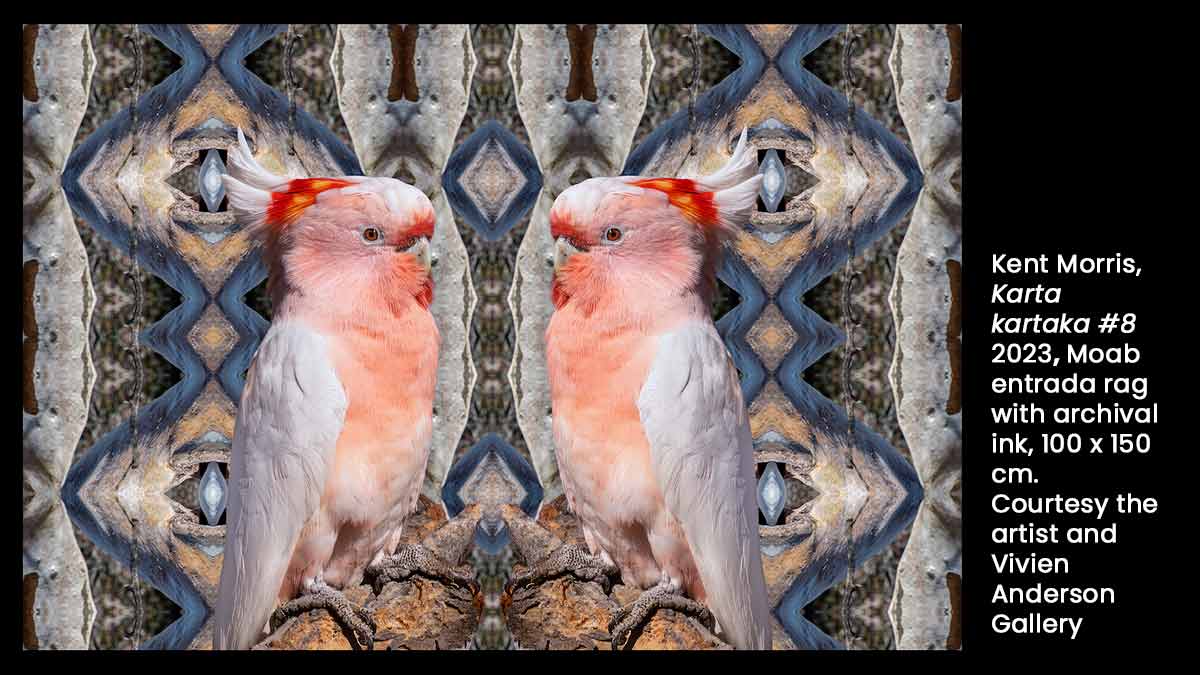
From 12 September to 29 November 2026, guests staying at RACV Goldfields Resort can also see Karta kartaka by Kent Morris, a Barkindji artist living and working on Yalukit William Country in Narrm/Melbourne. In this exhibition, Morris honours the Karta kartaka (pink cockatoo), which was recently added to the national threatened species list.
The photographic images tell stories of the pink cockatoo’s place in the ancestral order, along with layered histories of colonial and ecological devastation, and millennia of art, culture and language engrained in Country.
See the Karta kartaka exhibition by Kent Morris at RACV Goldfields Resort in Victoria, from 12 September to 29 November 2026.
Tips for planning a birdwatching holiday in Victoria
- Go early or late: Birds are often more active in the cooler parts of the day.
- Pack binoculars: A simple pair can make distant birds easier to identify without disturbing them.
- Use a bird guide or app: Field guides and bird identification apps can help you recognise calls, colours and behaviour.
- Move slowly: Stop, listen and scan before walking on. Many birds are heard before they are seen.
- Respect wildlife: Keep to tracks, avoid nests and never feed wild birds.
- Check access: Some birdwatching sites, including operational or protected areas such as Werribee’s Western Treatment Plant, may require permits, safety inductions or guided access
FAQs about birdwatching in Victoria
Some of the best birdwatching places in Victoria include Werribee’s Western Treatment Plant, the Gippsland Lakes, Dandenong Ranges, Great Otway National Park, Phillip Island, the Mallee parks, the Grampians and Melbourne gardens such as the Royal Botanic Gardens.
Depending on where you travel, you may see Australian magpies, rainbow lorikeets, superb lyrebirds, crimson rosellas, kookaburras, cockatoos, honeyeaters, shorebirds, seabirds, wetland birds and specialist mallee species.
No. Birdwatching is suitable for beginners, families and casual nature lovers. Start with common birds in local parks or gardens, then build confidence with a field guide, bird app or guided walk.

