
Stats on roadstrike are at record levels in Victoria. Here's how you can help prevent hitting wildlife in your car and what to do if it happens.
ERA

What to do when your car breaks down – and who to call
From quiet country roads to busy freeways, there’s never a good time for your car to break down - but it doesn't have to ruin your day. Here's what to do if your car breaks down, so you can get back on the road ASAP.
During the 2024-2025 financial year, RACV responded to 865,000 Emergency Roadside Assistance callouts, many of which were for unexpected car breakdowns.
Breakdowns are always inconvenient, but they can also be dangerous: multiple fatal incidents have occurred in Australia where a person has been hit by a vehicle in an emergency lane or after a car breakdown.
While new laws have been instated in Victoria to help improve safety for emergency and roadside assistance workers, it's still crucial that all motorists know how to deal with a vehicle breakdown.
Related reading: Road rule to help protect emergency roadside assistance workers
How to help prevent a car breakdown
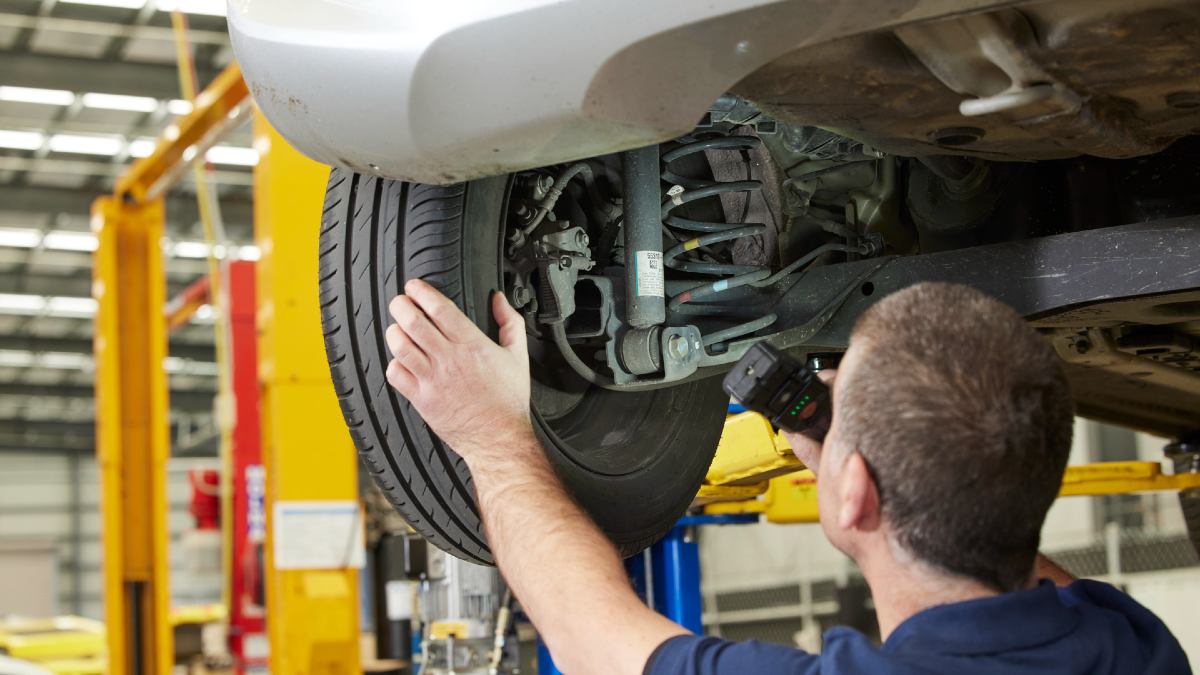
Cars don’t generally break down for no reason. Regularly servicing your vehicle can fix potential problems before they affect your car's performance. Tyre maintenance is also important. Wear and tear, and improper tyre inflation are common causes of flat tyres, as well as punctures. When driving, be aware of any strange noises, a change in the way the vehicle feels, a lack of power, or warning lights on your dash.
Related reading: How to choose the best tyres for your car
If something doesn’t look, sound or feel right, pull into a service station or park well off the road and call a reputable roadside assistance provider such as RACV Emergency Roadside Assistance on 13 11 11.
You should also store some emergency essentials in your car in case of a breakdown. A torch, first aid kit, fully charged mobile, phone charger, and a bottle of water are all helpful items in the event of a car breakdown. If you regularly travel to remote locations where mobile service may not be available, it's worth investing in a satellite phone or personal location beacon (PLB), so you can call for emergency services if needed.
Regular car servicing - including having any strange noises checked - can help prevent breakdowns before they occur.
What to do when your car breaks down
1. Stop your car in a safe location
If you need to stop driving because of a car breakdown, put your hazard lights on and find a safe place to stop your vehicle.
When driving on freeways, motorways and highways, move as far to the left of the road as possible to leave the road clear for other motorists.
When driving on country or regional roads, it's crucial to avoid stopping your car directly after a bend, where high speed limits, poor visibility and narrow road shoulders can create a dangerous environment.
If your car begins to sputter near a bend, stop before the turn or use the vehicle’s momentum to move ahead of the corner, allowing traffic behind you more time to slow down safely and avoid a crash.
2. Move yourself and any passengers to a safe space
Once you've parked your vehicle, switch off your ignition but keep your hazard lights on.
If your car is a safe distance from traffic, stay inside the vehicle and keep your seatbelt buckled while waiting for help.
If your car is in a dangerous position close to traffic, exit through the passenger door to keep the car between yourself and moving traffic. Stand as far from the road as possible. Ensure all passengers, including children, exit the car safely and keep a safe distance from traffic.
If your car breaks down in the middle of traffic and you can't get your vehicle off the road, ring VicRoads’ Incident Response Service on 131 170 for immediate help.
If your car breaks down, park your vehicle in a safe location, leave the hazard lights on, then turn off your car before calling for assistance.
3. Call roadside assistance for help
Once you're safe, it's time to call your roadside assistance service provider immediately. RACV Emergency Roadside Assistance on 13 11 11 is available to subscribers 24/7 Australia wide. RACV Members can also call for Emergency Roadside Assistance using the RACV App.
Let the RACV Emergency Roadside Assistance operator know your name, your vehicle registration, where your car has broken down, and what you believe to be wrong with your vehicle. Note any landmarks or road signs that can help the RACV Emergency Roadside Assistance expert find you.
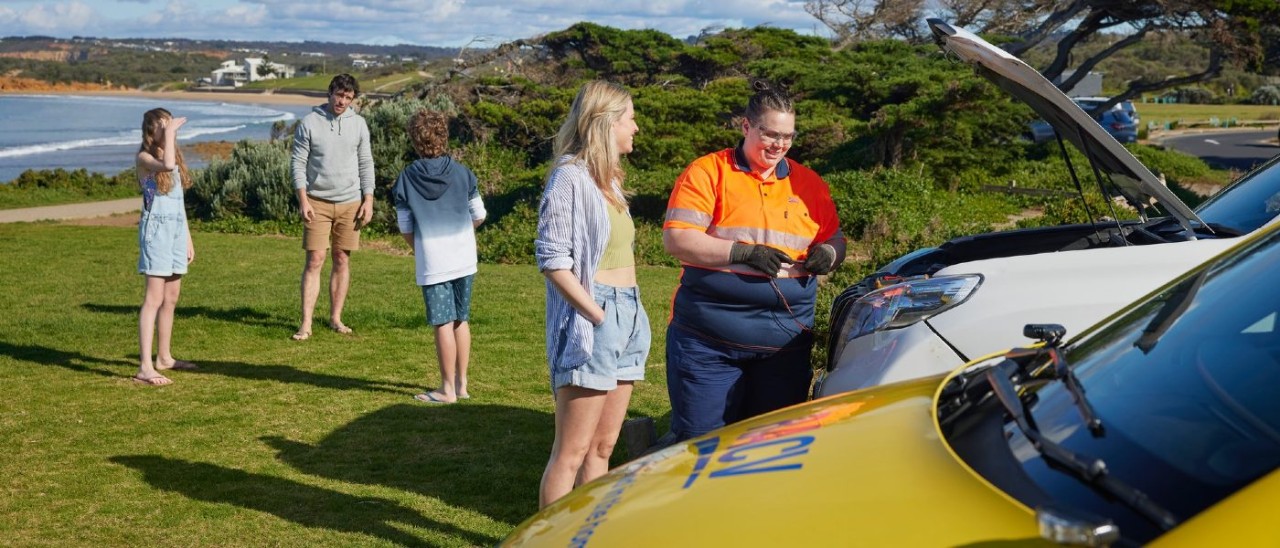
One of RACV's signature yellow Emergency Roadside Assistance vans will then be dispatched to your car breakdown location to help. If you're in metro Melbourne, you'll also receive an SMS to track the patrol van's arrival, giving you peace of mind.
Outside of mobile phone range with no satellite phone? Stay with your vehicle and safely flag down another motorist to help you. Before they give you a ride to a service station or into mobile range, write down their ID details and leave that information in your vehicle for extra security.
4. Wait in a safe location for roadside assistance to arrive
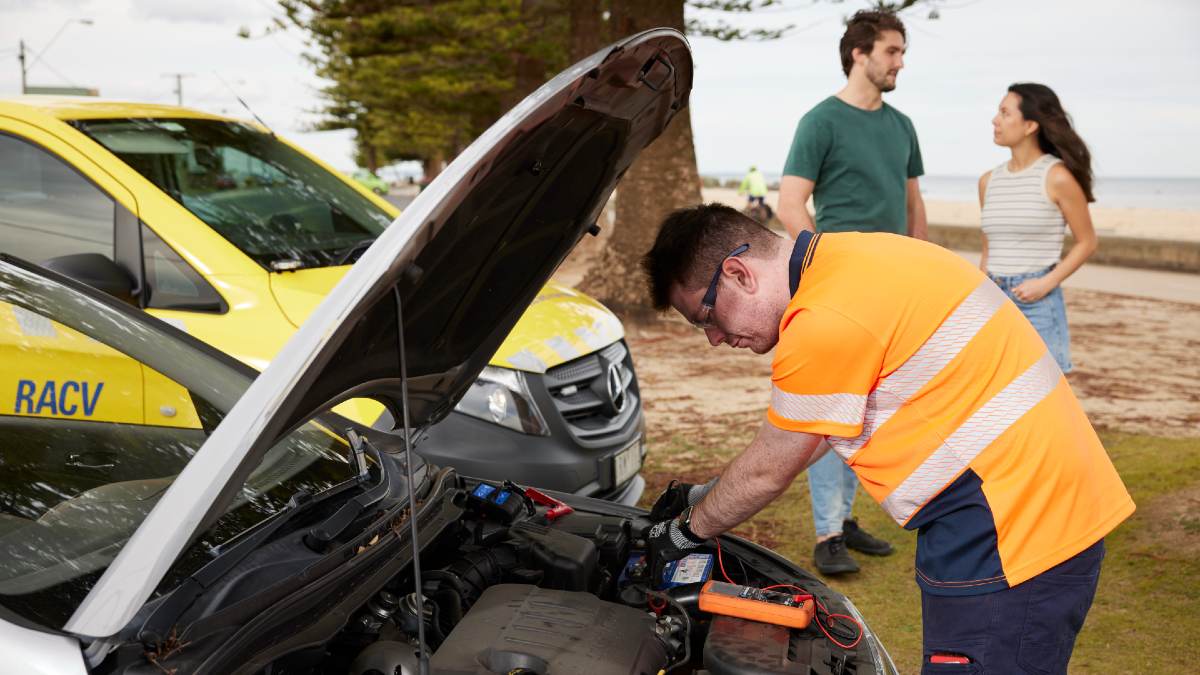
Once the RACV Emergency Roadside Assistance van arrives, a roadside specialist will find out what's wrong with your vehicle by asking you questions, and potentially run a diagnostic test on your vehicle.
Eight out of ten RACV Emergency Roadside Assistance callouts are fixed on the spot, with common issues including flat batteries, empty fuel tanks, locked keys and tyre punctures. If your vehicle can't be immediately repaired, RACV Emergency Roadside Assistance will arrange for your vehicle to be towed to a car repairer. Transport can also be arranged for you to get you where you need to go.
RACV Emergency Roadside Assistance drivers are able to diagnose and fix most callout issues on the spot. If they can't, RACV can arrange for your vehicle to be towed.
Common car breakdown questions
Even non-Members can call RACV Roadside Assistance for help. Call us on 13 11 11 to sign up on the spot and start accessing roadside assistance immediately.
Breakdown help is available no matter what time of day it is, with RACV Emergency Roadside Assistance available 24/7.
If your car breaks down at night, it is vital to prioritise safety. Visibility is reduced at night, both for you and for other motorists. Where it is safe to do so, stay in your car with the doors locked and hazard lights on while waiting for roadside assistance to arrive. Consider keeping a car emergency kit in your vehicle.
RACV Emergency Roadside Assistance includes electric vehicles (EVs) at no extra cost.
Members with RACV Emergency Roadside Assistance can access emergency roadside support across Australia. If you have a breakdown in a state or territory outside of Victoria, call RACV on 13 11 11 and you'll be connected to help from the relevant state auto club.
After parking your vehicle and ensuring passenger safety, contact your roadside assistance provider. Even if you're not exactly sure of your location, the consultant should be able to help narrow it down.
Mobile and internet reception can be spotty in remote areas. Ideally, motorists travelling into remote areas should travel with a satellite phone. If you breakdown without a satellite phone and can't get phone reception, stay with your car and flag down another vehicle for help.
Do not leave your vehicle and do not send other passengers away from your vehicle to seek help. It is easy to become lost or dehydrated when travelling on foot in remote areas in Australia. Always bring adequate water supplied with you if travelling into a remote location.
Drivers on Victorian roads must slow down to 40km/h per hour when passing stationary or slow-moving emergency, law enforcement, and roadside assistance vehicles (such as RACV patrol vans) with flashing lights. This is according to Road Rule 79A, which applies to police vehicles, emergency vehicles, enforcement vehicles, and VicRoads Incident Response Service vehicles. It was extended to include accident towing, breakdown towing, roadside assistance, Peninsula Link Incident Response, Eastlink Incident Response and Transurban Incident Response vehicles from July 1, 2025.

