
Summer in Victoria can increase risks for extreme weather events that can put your health and home at risk. Learn how to stay safe, keep cool and protect your home during heatwaves.
Bushfires
What does a Total Fire Ban mean? Victoria fire rules
Learn what a Total Fire Ban means in Victoria, including rules for barbecues, campfires, mowing and power tools, and how to check fire restrictions.
Hot, dry and windy weather can create dangerous fire conditions across Victoria. When the risk becomes particularly serious, a Total Fire Ban may be declared to reduce the chance of a bushfire or grassfire starting.
But what does a Total Fire Ban actually mean? From barbecues and campfires to mowing the lawn and using power tools, there are strict rules around activities that could start a fire.
Here's what Victorians need to know about Total Fire Ban days.
What is a Total Fire Ban?
A Total Fire Ban (TFB) is a legal restriction on activities that may start a fire.
In Victoria, Total Fire Bans are declared by the Country Fire Authority (CFA) Chief Officer on days when fires are likely to spread rapidly and be difficult to control.
A ban can apply to one or more of Victoria's nine Total Fire Ban districts, or across the entire state. It generally applies for the full day, from 12.01am until 11.59pm.
CFA considers factors including forecast fire weather, existing fires and firefighting resources when deciding whether to declare a Total Fire Ban. This means a Total Fire Ban can sometimes be declared even when the Fire Danger Rating has not reached Extreme.
What can't you do during a Total Fire Ban?
It's important you know what is and isn't allowed during total fire bans. Failing to uphold restrictions can result in fines and even imprisonment.
The basic rule is that fires cannot be lit in the open air or allowed to remain alight during a Total Fire Ban, unless specific exemptions or permits apply.
During a Total Fire Ban, you may not:
- burn off grass, stubble, weeds, scrub, undergrowth or other vegetation (even if you have an exemption or permit for the Fire Danger Period)
- barbecue (unless several requirements are met; see below)
- cook outside using a spit roast, pizza oven, or food smoker that uses heat beads, wood, or other solid fuel; or with liquid fuels such as methylated spirits
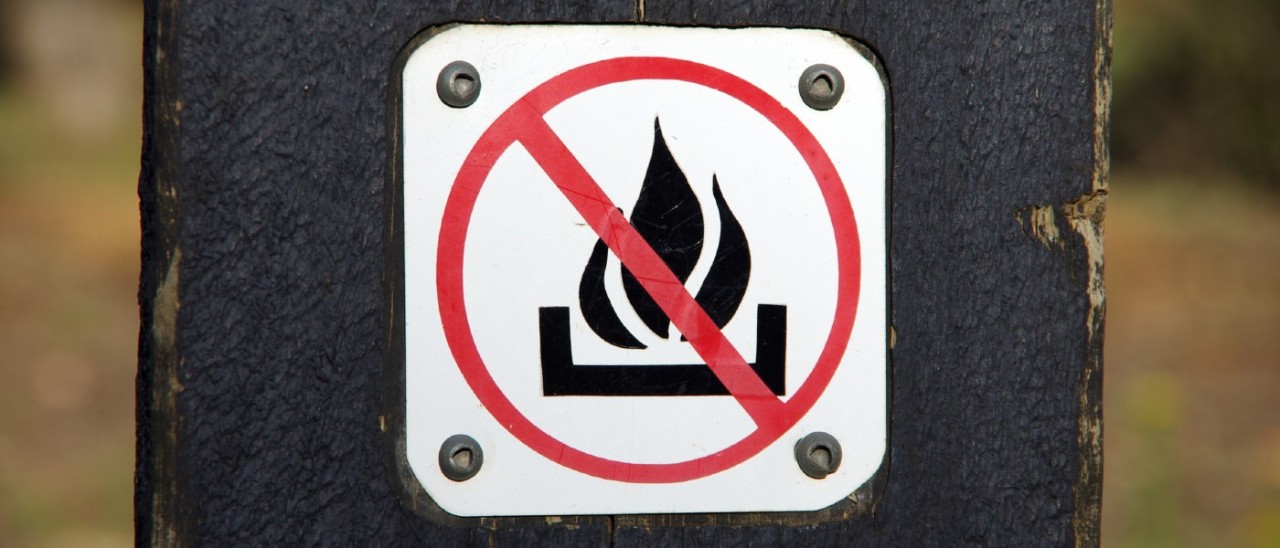
- light a campfire or fire for warmth or comfort (even in a fire pit, brazier or chiminea)
- drive a vehicle in places where the vehicle will be in contact with crops, grass, stubble, weeds, undergrowth or other vegetation (unless the vehicle is fitted with an efficient silencing device that takes all of the exhaust from the engine through the silencing device - but this should still be avoided)
- use an incinerator
- carry out 'hot' activities including welding, grinding, charring, soldering, use of abrasive cutting discs or gas cutting; relocating bees with a bee smoker; extracting honey using heat or flame; rail maintenance; and heating bitumen (in limited circumstances, CFA may issue a permit on Total Fire Ban Days)
- use a gas-powered wildlife scare gun.
Wherever possible, you should also avoid:
- using a chainsaw, plant or grass trimmer, or lawn mower
- using self-propelled farm machinery, tractors, slashers, earth-moving, excavating or road making machines propelled by a heat engine within nine metres of any crops, grass, stubble, weeds, undergrowth or other vegetation.
Total Fire Bans may be introduced during periods of high risk fires. Image: Getty
Can you use a barbecue on a Total Fire Ban day?
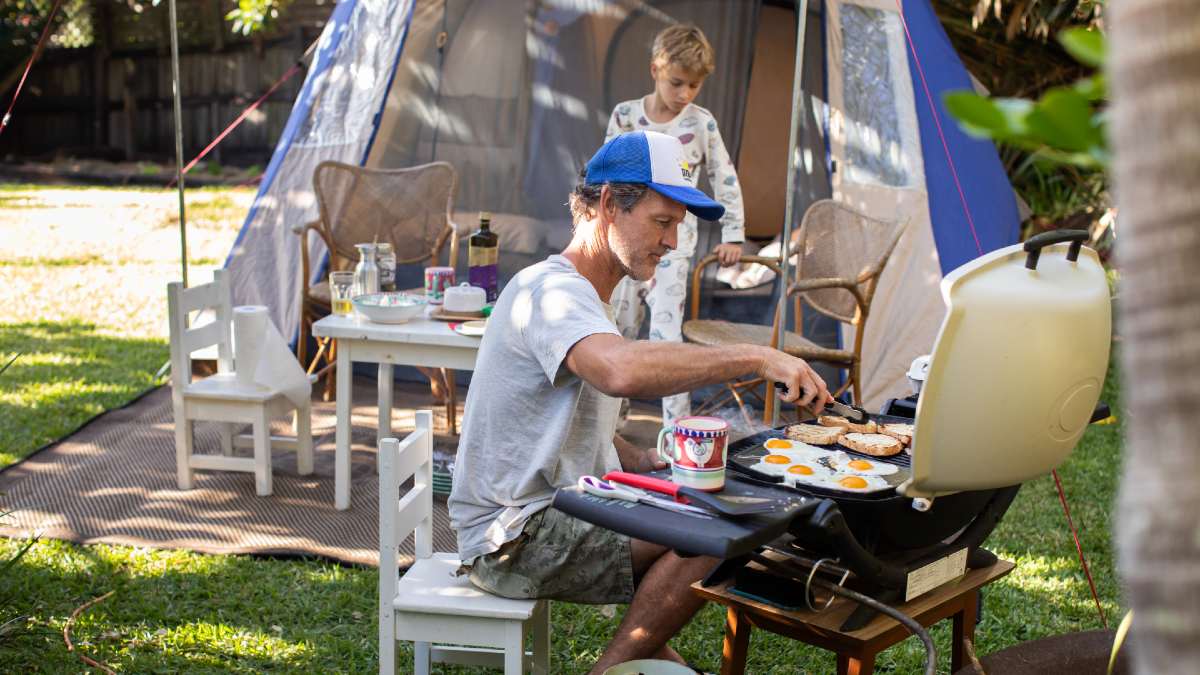
You can use certain gas or electric barbecues during a Total Fire Ban, provided CFA conditions are met.
The barbecue must be designed specifically for cooking and positioned safely. The area within three metres must be clear of flammable material, and you must have at least 10 litres of water available or a hose connected to a water supply.
An adult who can extinguish the fire must remain with the barbecue whenever it is alight.
Wood, charcoal, heat bead and other solid-fuel barbecues cannot be used outdoors during a Total Fire Ban.
Can you mow the lawn during a Total Fire Ban?
Some machinery and equipment can create heat or sparks capable of starting a fire, so extra care is essential.
Restrictions vary depending on the type of machinery, where it is being used and the conditions. Before mowing, slashing or using equipment that could generate sparks on a Total Fire Ban day, check the current CFA rules for that activity.
Barbecues may be permitted under certain conditions during a Total Fire Ban. Image: Getty
Is a Total Fire Ban the same as a Fire Danger Rating?
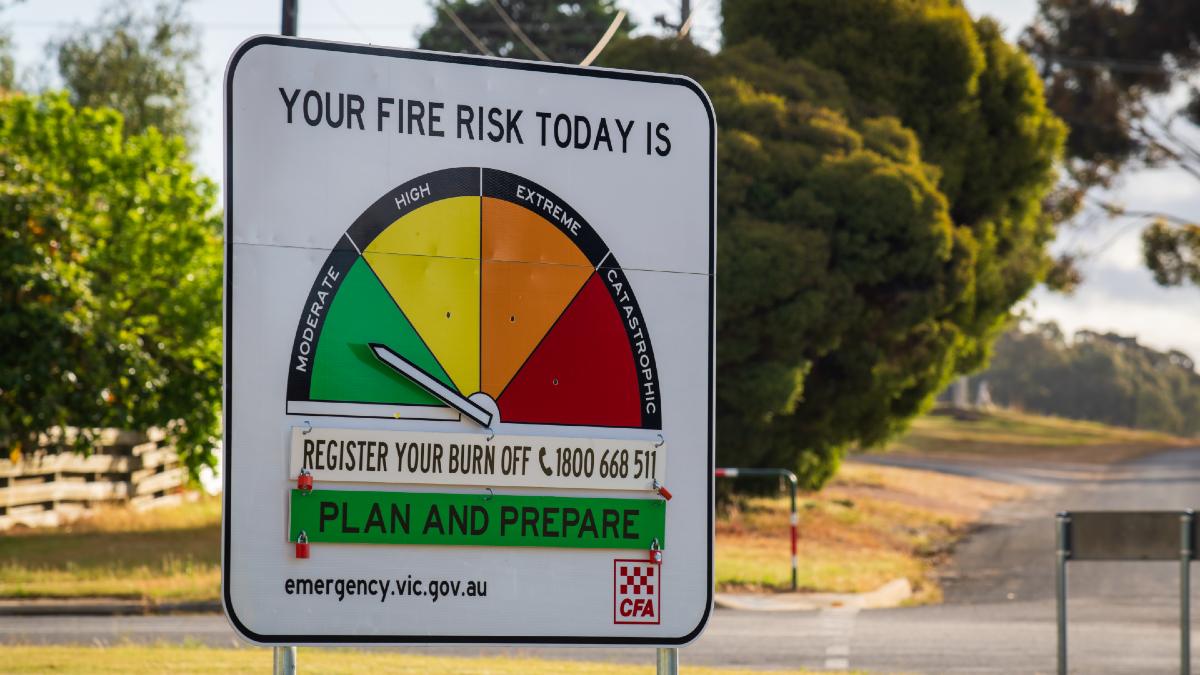
No. A Fire Danger Rating tells you how dangerous a fire could be if one starts, with ratings ranging from Moderate to Catastrophic.
A Total Fire Ban imposes legal restrictions on activities that could cause a fire.
The Fire Danger Period is different again. It is declared for individual municipalities during periods of increased fire risk and can remain in force for several months. A Total Fire Ban can be declared at any time of year.
More: Australian Fire Danger Rating system explained
How do you check if there is a Total Fire Ban?
Check the CFA or Fireban website before travelling, camping, using outdoor cooking equipment or carrying out potentially hazardous work on high-risk days.
Total Fire Bans can apply to individual districts rather than the whole state, so check the conditions for your location and destination.
Breaching Total Fire Ban restrictions can result in substantial fines or imprisonment. More importantly, avoiding activities that could cause a spark or flame can help prevent a fire from starting during dangerous conditions.
How to prepare your home for fire season
Victorians who live near forest, bush, grassland, or the coast should prepare their homes and properties for the possibility of a bushfire each year.
That means clearing excessive vegetation from around your home, emptying gutters, and keeping fuel sources (for example, firewood) away from your home. Remember, you may need a permit from the CFA to burn off.
Have a Bushfire Survival Plan ready to go and that everyone in your household knows what to do if it's enacted. If you're travelling through a bushfire-prone area, be aware of current fire danger ratings and stay updated through the VicEmergency website or VicEmergency app, or by listening to ABC local radio.
The information provided is general advice only. Before making any decisions please consider your own circumstances and the Product Disclosure Statement and Target Market Determinations. For copies, visit racv.com.au. As distributor, RACV Insurance Services Pty Ltd AFS Licence No. 230039 receives commission for each policy sold or renewed. Product(s) issued by Insurance Manufacturers of Australia Pty Ltd ABN 93 004 208 084 AFS Licence No. 227678.

