
With warmer weather already here, RACV has provided bushfire preparation advice and a series of safety tips for Victorians to help prepare their homes for the increased risk of bushfire this summer.
Home Insurance
What are severe thunderstorms?
Safety tips on what to do in a storm this summer
Summer is peak season for storms in Melbourne and Victoria. Here's why they happen and how you can protect your home.
While bushfires are the extreme weather events most closely associated with summer, the hotter weather is also peak season for storms.
“These weather events can be very localised, but extremely intense,” says Bill Bloodworth, RACV's General Manager for Home.
“The strong winds, hail and lightning that accompany these storms can cause enormous damage to property."
Here’s why summer weather can produce storms, and how to prepare– from getting your home in order, to considering updating your home insurance.
Storm safety guide
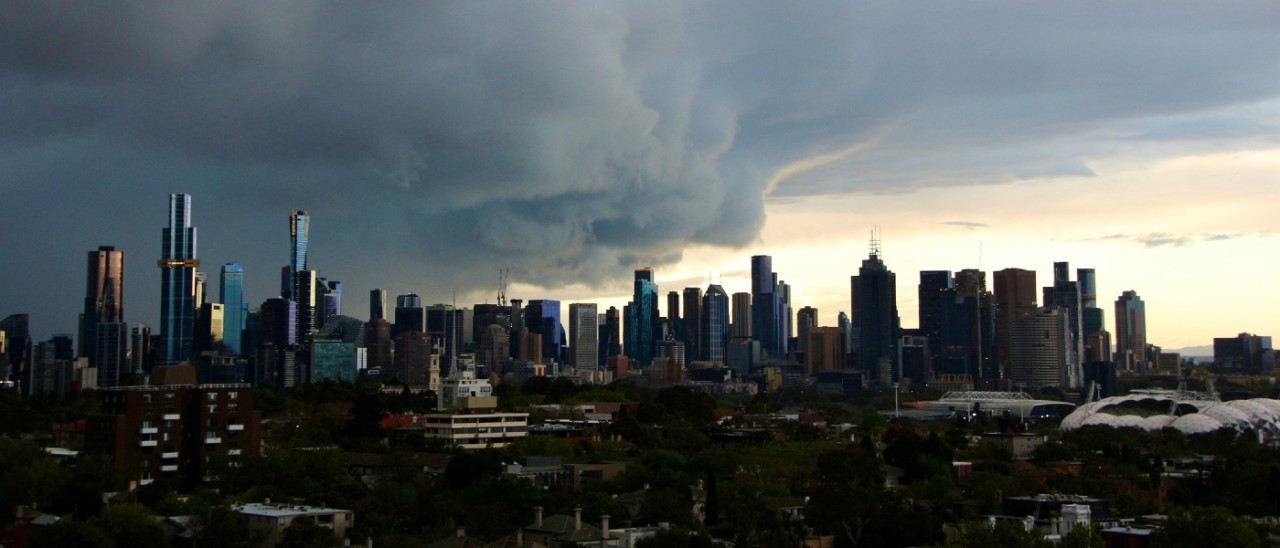
Thunderstorms form when there is increased moisture and heat. Image: Matt Harvey
How are storms formed?
According to the Bureau of Meteorology (BoM), thunderstorms need three main ingredients from the atmosphere to form:
- moisture from humid air carrying water vapour
- atmospheric instability to make the moist air more buoyant
- a lifting mechanism like heat, a low-pressure trough, or an approaching front to make the moist air rise rapidly.
When the warm, moist air is thrown upwards in an ‘updraught pulse’ (also called a ‘convection cell’), a cloud forms and produces a heavy downpour of rain.
Single-cell thunderstorms that only experience one updraught pulse are generally short weather events, while multicell thunderstorms have multiple updraught pulses that maintain the storm over time.
Supercell thunderstorms have a large, continuous updraught that allows the thunderstorm to grow in size and severity for many hours.
What are severe thunderstorms?
Intense, violent thunderstorms are classified as severe thunderstorms. They are formed when the atmosphere is particularly unstable, or when surrounding winds deliver more energy to the storm.
In Australia, a thunderstorm is classified by the BoM as 'severe' when it produces any of the following:
- heavy rainfall that could cause flash flooding
- wind gusts of 90km/h or more
- hail of 2cm diameter or more
- tornadoes.
Severe thunderstorms in Australia are a threat to both property and people's safety.
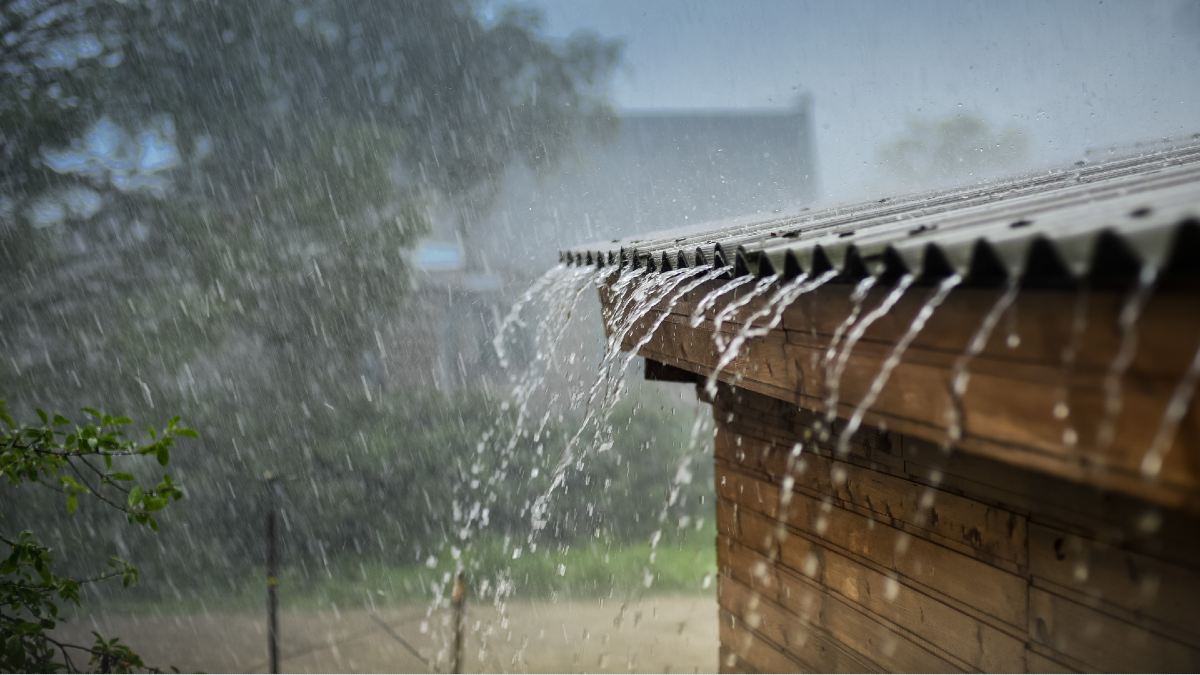
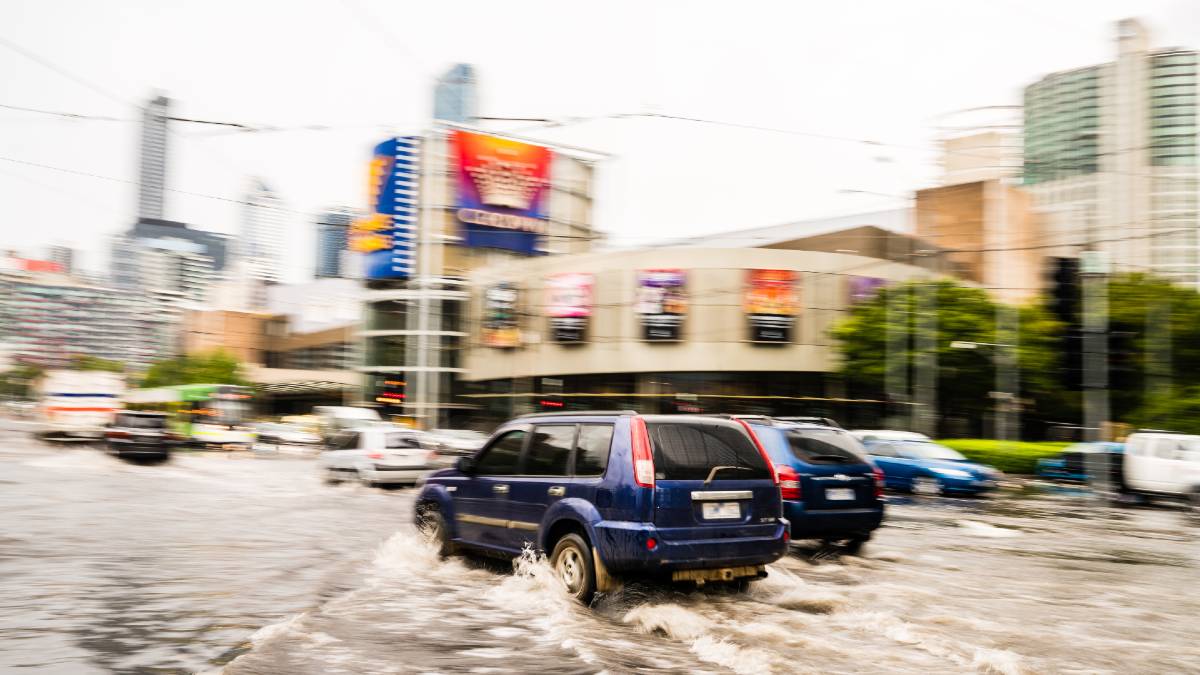
Severe thunderstorms can cause flash flooding and other dangers. Image: Getty
Why are storms more common in summer?
The BoM reports that while severe thunderstorms can occur year-round, they are more likely to occur between October and December.
That’s because summer has longer sunlight hours and warmer temperatures to heat the air above the ground. Summer also has higher humidity than other seasons.
According to the Climate Council, for every single degree of warming, the atmosphere can hold about seven per cent more moisture.
As a result, summer sees lots of warm, moist air rising into the atmosphere, where it can then brew into storms.
During a La Niña or a negative Indian Ocean Dipole (IOD) weather event, the atmosphere can become even more unstable, leading to wetter and stormier weather.
What is the 2026 summer forecast for Victoria?
The BoM's long range summer forecast for January and February 2026 predicts an increased chance of unusually high temperatures. There are near-equal chances of above or below average rainfall during this period.
The IOD is currently at neutral and is expecting to remain that way until the end of autumn 2026. A weak La Niña has been forecasted to remain until late summer but is unlikely to significantly influence Australia's weather.
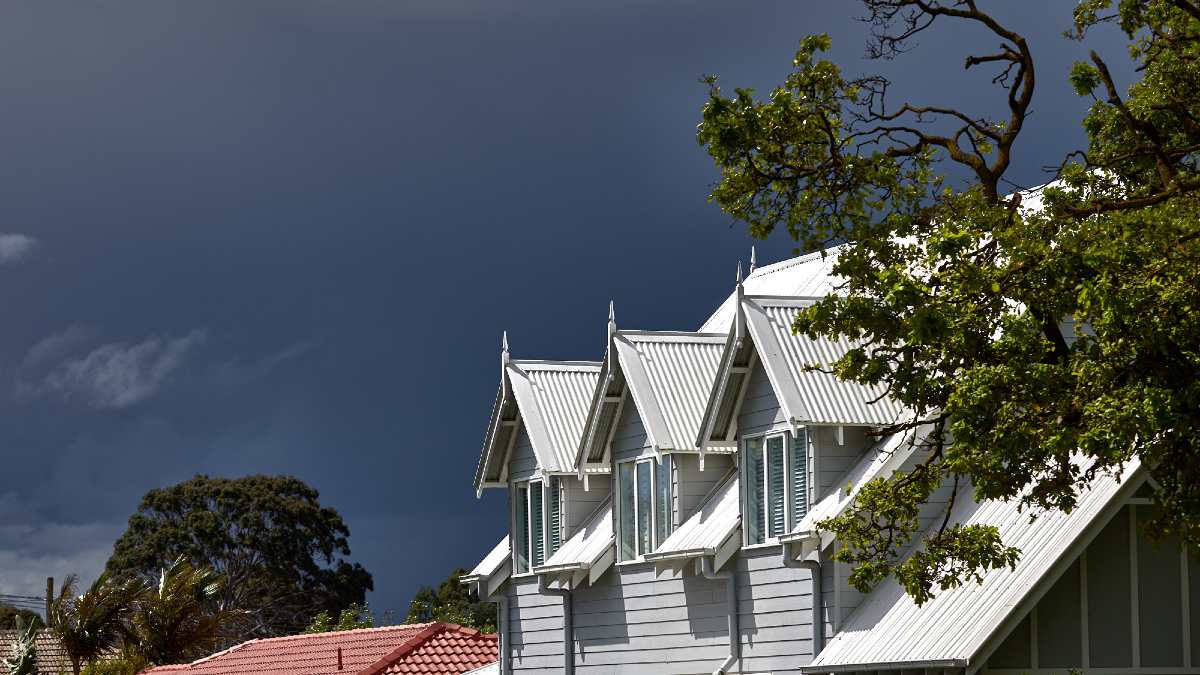
Australian summers induce more thunderstorms due to an increase in humidity. Image: Getty
How to prepare for summer storms
Before storm season or a forecasted storm
The best way to stay safe and manage stormy weather is to prepare. This includes:
- Cleaning out your gutters
- Fixing any loose roof tiles or broken gutters
- Pruning trees and large bushes to minimise branches snapping off
- Securing outdoor objects that could be thrown by strong winds (such as trampolines, umbrellas and outdoor furniture).
- Creating a home emergency kit
- Having a plan in place in case of a blackout
- Confirming your home insurance is up-to-date
If possible, it's also a good idea to park your car undercover in a carport or garage. You should avoid parking underneath trees, however, as strong winds may cause branches to fall on your vehicle.
If hail is predicted and you can't park undercover, commercial car covers can help protect your windscreen and paintwork. In a pinch, a thick towel placed over the windscreen can also help prevent hail damage.
What to do to prepare your home before you go away during storm season
If you’re going away when storms are forecasted, ask a neighbour or family friend to check your property. They may be able to help secure your home, such as tying down loose objects in the yard, and moving your car undercover.
You can also check the SES guide to plan and stay safe during a storm. Make sure you stay abreast of current storm warning in the area you're visiting as well, keeping in mind that conditions may vary significantly to those at home.
Related reading: How to help prevent home theft while you're on holiday.
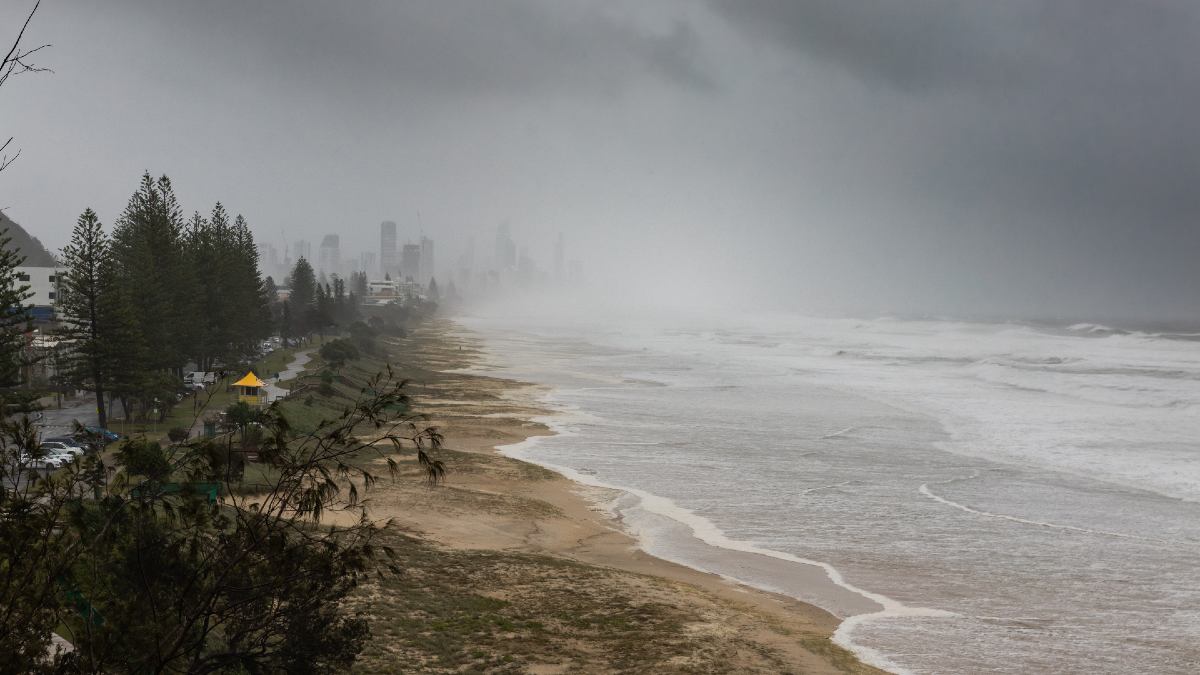
Severe thunderstorms strike mostly between September and March. Image: Getty
What to do during a summer storm
Stay indoors and away from windows during storms. Keep updated on the storm's progress via reputable sources such as the BoM, ABC local radio, the SES, or the Vic Emergency app or website. VicEmergency also lists current incidents and hazards in your area.
If you lose power, don't panic. Implement your blackout plan and avoid opening fridges or freezers. Unplug electronics and use alternative forms of lighting, heating and cooling (if required).
Thunderstorm asthma in summer
Periods of intense storms can also bring about a health epidemic known as thunderstorm asthma, which induces asthma attacks that are triggered by high grass pollen levels and certain types of thunderstorms.
Thunderstorm asthma events are most common during October through December. Those with existing grass pollen allergies (including hayfever) or asthma are most susceptible, but it can occur in anyone.
VicEmergency publishes warnings on days where thunderstorm asthma is possible. Check with your healthcare professional for assistance with managing symptoms or call 000 and ask for an ambulance if you find yourself struggling to breathe.
What to do if a storm hits while you're driving
Avoid unnecessary driving during storms. If you must drive, beware of extra hazards such as reduced visibility and objects on the road. Increase your following distance and use your headlights.
Read more: The rules for using headlights, fog lights and high beams in Victoria.
If you do not feel safe to drive during a storm, slow down and pull over in a safe location. Ideally, this is somewhere undercover such as a carpark or service station (not under a tree).
Never enter floodwaters while driving.
How to clean up after a storm
You may need to clean up after a storm, depending on your property and the severity of weather event.
Always wait until the storm has passed before venturing outside to assess any damage and do not enter floodwaters or go near storm water drains. Wait until outside surfaces are completely high before working at height (such as to check roof tiles or prune damaged branches).
For more information, read our full guide to cleaning up after a flood or storm.
The information provided is general advice only. Before making any decisions please consider your own circumstances and the Product Disclosure Statement and Target Market Determinations. For copies, visit racv.com.au. As distributor, RACV Insurance Services Pty Ltd AFS Licence No. 230039 receives commission for each policy sold or renewed. Product issued by Insurance Manufacturers of Australia Pty Ltd ABN 93 004 208 084 AFS Licence No. 227678.

