
Power outages can occur at any time. Rather than finding a torch, a solar battery with blackout protection can keep the power on during a blackout.
Property

Purchase non-perishable food and drink

What to do in a power outage or blackout
A power outage can happen without warning, leaving homes without lighting, heating, cooling, internet and the ability to charge essential devices.
Whether it's caused by inclement weather, network faults or planned maintenance, knowing what to do during a blackout can help keep you and your family safe.
While most outages are resolved within a few hours, some can last much longer - particularly after sudden and severe weather such as storms, floods, strong winds, bushfires, or heatwaves. Home insurance may cover you for damage caused to your property or contents during events that cause you to lose power, such as fires, floods or storms.
Here's how to deal with a blackout or power outage. Being prepared before the power goes out and knowing how to respond can minimise disruption and reduce safety risks.
RACV Contents Insurance provides up to $500 to replace spoiled food or prescription medication if an insured event interrupts the electricity supply to your fridge or freezer.*
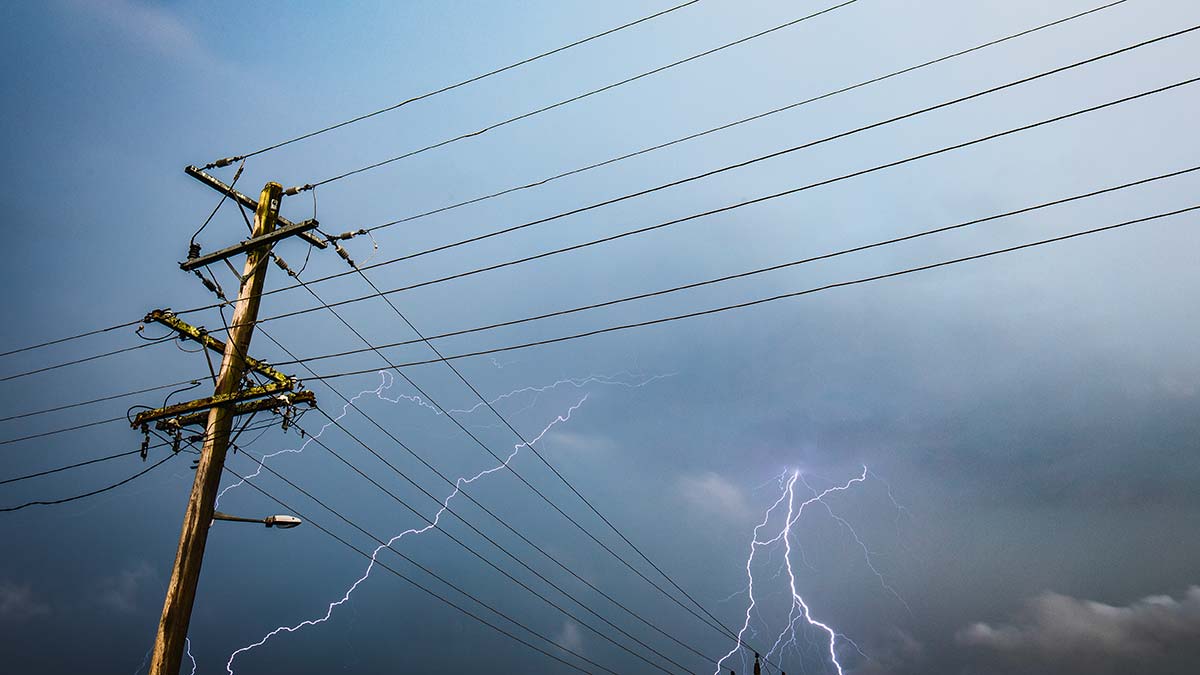
Storms and other severe weather events have the potential to disrupt power supplies. Image: Getty
What to do to prepare for a blackout or power outage
Preparation can make a significant difference if the power goes out unexpectedly. Sometimes you may even receive warning of a scheduled power outage due to maintenance.
If you or someone in your household relies on life support equipment, you may be eligible for protection under the life support energy regulations. This means that your local distributor should advise you in advance of any electricity outages, and that in the event of a power outage your property will be on the priority list for re-connection.
Charge all communication devices
Key communication devices such as mobile phones, tablets and laptops, spare batteries and power banks should be fully charged prior to a scheduled or predicted power outage. Consider purchasing a solar power bank to help keep your devices on during a prolonged power outage.
Put together an emergency kit
Put together a home emergency kit that includes first aid supplies, medicines, toiletries, torches and portable power banks. Also ensure you have a battery-powered radio on hand to listen in for updates from emergency services.
If the power outage is due to a severe weather event, organise key documents, medical information, home insurance and pet plans, and gather any small personal items that are sentimental to you in case you need to quickly leave your home.
Purchase non-perishable food and drink
A prolonged power outage may render the contents of your fridge or freezer unsafe to eat. Ensure you have enough supply of non-perishable food and drink on hand, including bottled water.
Park your vehicles undercover
Park your vehicles undercover in a garage or carport if possible. When preparing for a scheduled maintenance outage, think about whether you will be able to easily access your car without power - your electric garage doors or electric gates may not be operational. You should also ensure that your fuel is topped up, whether you own a diesel, petrol or electric vehicle.
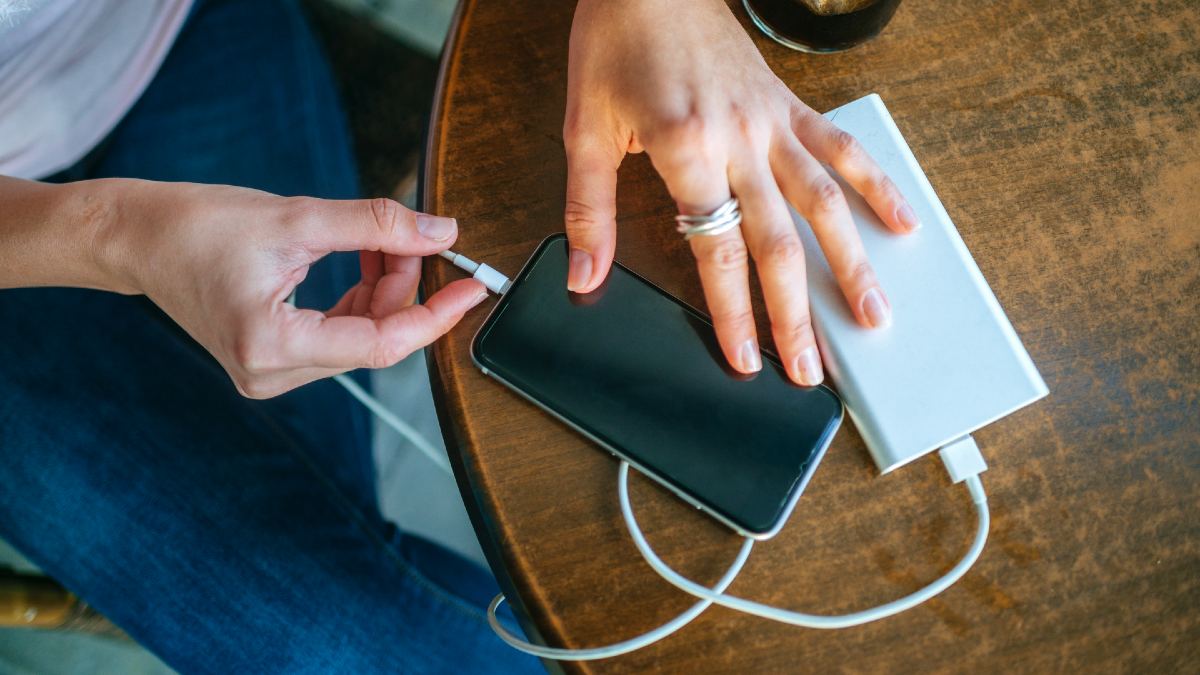
Before a known power outage, charge all mobile phones, laptops and tablets. Image: Getty
What to do during a blackout or power outage
Check the source and nature of the outage
Before reporting a blackout, determine whether the problem is within your property.
Start by checking your switchboard to see if a safety switch or circuit breaker has tripped. If one has, unplug appliances before resetting it. If it trips again immediately, there may be an electrical fault that requires a licensed electrician to fix.
If your neighbours also appear to be without power, the outage is likely affecting the wider area. You can check your electricity distributor's outage map or contact them directly for updates.
Listen to a battery operated radio for updates from emergency services. In the case of a severe weather event, check the Bureau of Meteorology Victorian Warnings Summary on your mobile phone. The VicEmergency website and mobile app also provide emergency warnings and information for Victorians.
If you notice fallen powerlines or damaged electrical equipment, stay well away and report them immediately. Never assume powerlines are safe to approach, even if they appear inactive.
Advice for renters experiencing electrical problems
If you're renting and you believe there is an electrical problem within your property, you should contact your rental provider (landlord) or property manager, or contact the emergency phone number you were given. Follow up any request in writing.
Depending on the issue, it may be considered an urgent repair, which must be attended to immediately, as 'dangerous electrical faults' are considered an urgent repair.
Rental providers are responsible for ensuring their property meets minimum standards. One of the standards is electrical safety and requires properties have modern switchboards, with circuit breakers and electrical safety switches. There may be exemptions to this standard.
There are also requirements for rental providers to have all electrical installations and fittings checked by a licenced electrician at least once every two years.
Rental providers must engage an electrician to ensure their property complies with the electrical safety standard.
Turn off and unplug electronic devices
Turn off all electrical appliances and unplug them at the switch to safeguard your home and contents against a power surge, particularly if the power outage is caused by a storm.
You may wish to keep a light or alarm clock switched on or stay close to a fixture in your home like an oven clock, so that you're aware of when power returns to your property.
Avoid opening your fridge and freezer
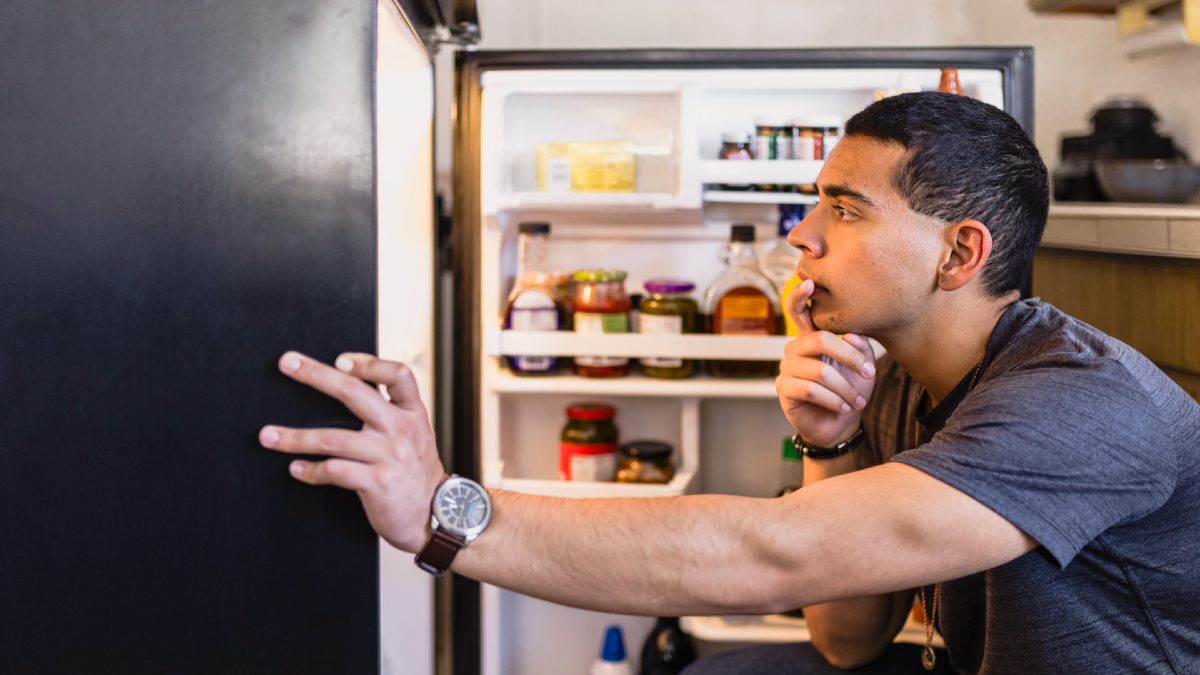
It’s important to keep the doors of your fridge and freezer closed during a power outage or blackout, so that food and drink remains cold for as long as possible. The contents of your fridge can spoil quickly during a power outage and become unsafe to consume.
Instead, eat foods that don't require cooling or cooking, such as breakfast cereals, canned fruits and vegetables, or jerky. As a general guide:
- a refrigerator will usually keep food cold for around four hours.
- a full freezer can generally keep food frozen for approximately 48 hours.
- a half-full freezer may keep food frozen for around 24 hours.
Use alternative heating, cooling, light and hygiene sources
Use torches rather than candles as light sources to avoid a fire risk. Invest in a good stock of back-up batteries.
In summer, keep cool by drinking plenty of water, avoiding strenuous activities, and hang wet towels in a room to help cool down the air. In winter, wearing multiple layers of clothing and a hat can help to keep you warm without turning on the heater.
If your hot water is unavailable, you can use disposable baby wipes for personal hygiene.
Look after vulnerable family members
Some people are more vulnerable during prolonged power outages: particularly older adults, young children, and those with medical conditions.
Check on relatives, neighbours or friends who may need assistance, especially during heatwaves or cold weather. If someone depends on powered medical equipment, ensure they have an emergency plan and know who to contact if the outage is prolonged.
Keep babies and young children warm during winter and ensure everyone stays hydrated during hot weather if air conditioning is unavailable.
Look after vulnerable family members like small children during power outages.
What to do after a blackout or power outage
Avoid turning everything on at once
When electricity is restored, avoid switching every appliance back on at once. This can place additional demand on your home's electrical system. Instead:
- check that power has been fully restored.
- plug appliances back in gradually.
- reset clocks, alarms and timers.
- restart internet equipment if required.
If you experience flickering lights, unusual electrical smells or damaged appliances after power returns, contact a licensed electrician.
Check your fridge and freezer contents
Once power comes back to your home, take careful stock of your fridge and freezer contents and note how long the power was out to avoid food poisoning. Be wary of consuming poultry, meat or dairy products that have been kept in a fridge or freezer without power.
Better Health Victoria reports that cold or frozen food must generally be less than 5°C in order to be safe to use. Discard refrigerated foods such as meat, seafood, dairy products and cooked leftovers if they've been above 5°C for more than four hours. If your freezer food is still cold to touch and less than 5°C when the power comes back on, you can refreeze those foods.
If you're in any doubt about the safety of your fridge or freezer contents, dispose of them immediately.
Can you claim for spoiled food or prescription medication?
RACV Contents Insurance provides up to $500 to replace spoiled food or prescription medication if an insured event interrupts the electricity supply to your fridge or freezer.
When you claim only for food spoilage, you won't need to pay an excess; however, your No Claim Bonus may be affected when you renew your policy. Review your policy's Product Disclosure Statement (PDS) to understand what cover applies.
Discard any refrigerated or frozen foods that have warmed above safe temperatures. Image: Getty
Blackout and power outage FAQs
What causes a power outage or blackout?
Power outages occur when electricity can no longer be safely delivered to homes and businesses. Some of the most common causes include:
- severe weather such as thunderstorms, lightning, high winds or flooding damaging electricity infrastructure
- bushfires affecting powerlines or prompting electricity providers to switch off power to reduce fire risk
- falling trees or branches bringing down overhead powerlines
- vehicle collisions damaging power poles
- equipment failures or faults within the electricity network
- planned maintenance by electricity distributors to upgrade or repair infrastructure
- high demand placing pressure on the electricity network during extreme weather.
Will my gas appliances work during a blackout?
It's a common misconception that gas appliances work during a power outage or blackout. Connections to the gas mains will not work, so don't attempt to operate your gas appliances during a blackout.
Can a solar battery power my home during a blackout?
Solar power systems automatically stop working when there's a power blackout on the grid, to stop power flowing back into the grid. However, many new solar battery storage systems come equipped with a backup option, which can provide backup power during a blackout. Before you invest in solar power in your home, check whether the battery has a backup option.
Advanced solar batteries can even be set to provide storm alerts, and automatically charge from the grid if necessary to make sure you have a full battery if the power does go out.
If your home has solar and battery backup that can provide power during a blackout, only run your essential appliances such as your refrigerator, freezer, and lights. This means the battery won't drain as fast, which is useful if the outage goes on for an extended time.
Speak with your solar retailer about which power circuits can be backed up in your home.
How long will food stay cold during a power outage?
A closed refrigerator typically keeps food cold for around four hours, while a full freezer can maintain safe temperatures for about 48 hours if the door remains closed.
Should I unplug appliances during a blackout?
Yes. Unplug sensitive electronics such as televisions, computers and gaming consoles to help protect them from potential power surges when electricity is restored.
Is it safe to use candles during a blackout?
Battery-powered torches are generally the safest option. If candles are used, never leave them unattended and keep them well away from flammable materials, children and pets.
Who should I contact during a power outage?
If the outage affects your neighbourhood, contact your local electricity distributor for updates. If you see fallen powerlines or damaged electrical infrastructure, stay well clear and report it immediately. If there is an immediate danger to life or property, call emergency services on Triple Zero (000).
The information provided is general advice only. Before making any decisions please consider your own circumstances and the Product Disclosure Statement and Target Market Determinations. For copies, visit racv.com.au. As distributor, RACV Insurance Services Pty Ltd AFS Licence No. 230039 receives commission for each policy sold or renewed. Product(s) issued by Insurance Manufacturers of Australia Pty Ltd ABN 93 004 208 084 AFS Licence No. 227678.
* When you claim only for food spoilage, you won't need to pay an excess; however, your No Claim Bonus may be affected when you renew your policy. Review your policy's Product Disclosure Statement (PDS) to understand what cover applies.

