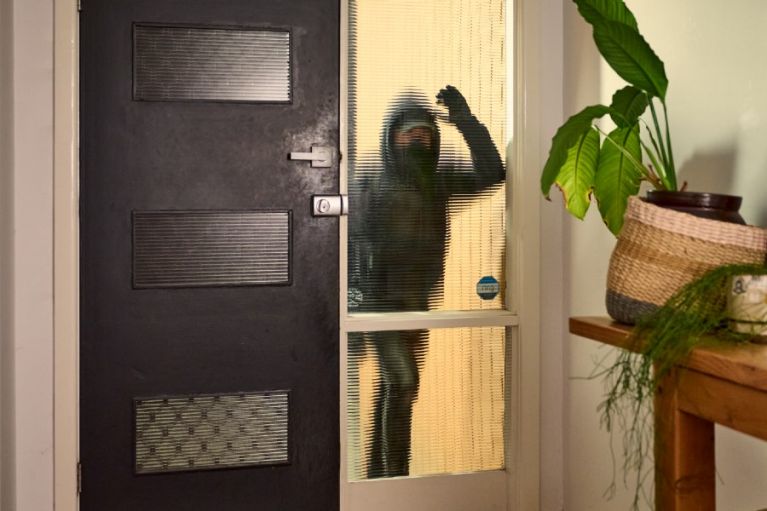
Smell gas at home? Learn the signs of a gas leak, what to do immediately, what to avoid, and how to protect your household with this practical safety guide.
EHA


Going on holiday? What to switch off before you leave
Heading away on holiday? Before locking the front door, taking a few simple precautions around your home can help reduce energy costs, prevent water damage and keep your property secure while you're away.
From unplugging appliances to turning off the water supply, knowing what to switch off when going on holiday can help protect your home from unexpected problems.
Whether you're escaping Melbourne for a long weekend or heading overseas for several weeks, use this pre-holiday home checklist to prepare your property before you leave.
More: How RACV Emergency Home Assist works and what's covered
Why should you switch off appliances before going on holiday?
Switching off unnecessary appliances before travelling can help reduce electricity consumption, minimise fire risks and protect electronic devices from electrical surges.
Many household appliances continue consuming electricity in standby mode, even when they're not being used. Unplugging these devices can help reduce unnecessary energy costs while your home is empty.
However, some appliances and security systems should remain switched on to protect your property.
More: The most common home emergencies for calls to tradies
Which appliances should you unplug before you leave?
When deciding what to switch off when going on holiday, start with non-essential appliances that won't be needed while you're away.
Consider unplugging:
- Televisions and entertainment systems - TVs, gaming consoles and sound systems can consume standby power.
- Kitchen appliances - toasters, kettles, coffee machines and microwaves can generally be unplugged.
- Computers and electronics - desktop computers, monitors, printers and chargers can be disconnected.
- Laundry appliances - washing machines, and dryers can be switched off when not required.
- Portable heating and cooling - portable heaters, fans and air conditioners should be switched off when unnecessary.
Avoid switching off electricity at the main switchboard, as this could disable essential appliances, alarms and security systems.
TVs, gaming consoles and sound systems can consume standby power.
Should you turn off your water before going on holiday?
Turning off your home's main water supply can help prevent significant water damage if a pipe bursts or a plumbing fixture develops a leak while you're away.
For extended holidays, consider turning off the mains water supply at the property's water meter or isolation valve.
However, check whether your hot water system, irrigation system or other equipment requires an active water supply before doing so.
Should you turn off your hot water system while you're away?
Whether to switch off your hot water system depends on the system type and how long you'll be away.
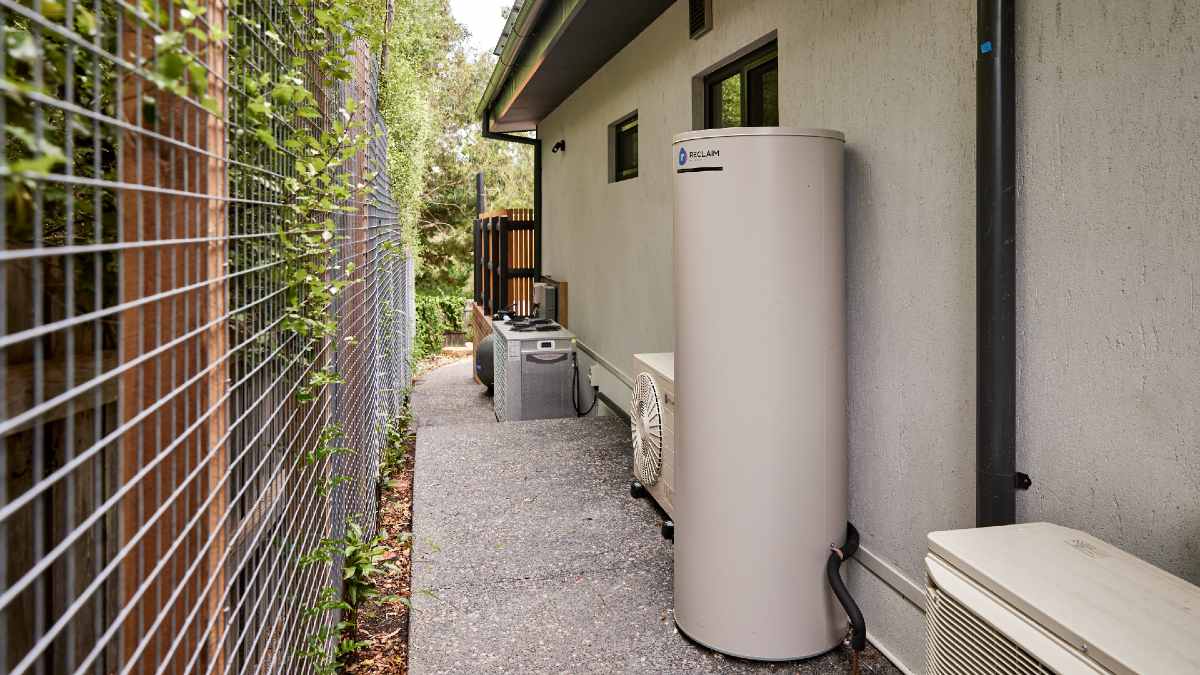
Electric storage hot water systems may benefit from holiday settings or being switched off during extended absences, while some heat pump hot water systems and solar hot water systems have specific operating requirements.
Gas continuous-flow systems generally use little energy when hot water isn't being drawn.
Always follow the manufacturer's instructions. Incorrectly shutting down or restarting a system can create safety or hygiene risks.
More: Guide to choosing the right hot water system for your home
Should you switch off your Wi-Fi router?
Switching off your Wi-Fi router can save a small amount of electricity, but it isn't always advisable.
Keep your router switched on if your home relies on internet-connected security cameras, smart locks, alarms or other monitoring devices.
If no devices require an internet connection while you're away, switching off your router may be worthwhile.
Check the manufacturer's instructions to see whether you can turn your hot water off while you're away for an extended period.
What appliances and devices can you leave switched on?
Some household appliances and devices should generally remain operational during your holiday.
These include:
- fridges and freezers - keep them running if they're storing food.
- security systems - maintain power to alarms, cameras and monitoring equipment.
- smart home devices - leave connected devices operating if they're needed for security or automation.
- essential medical equipment - follow the equipment manufacturer's requirements.
- automated lighting - timers can help make your home appear occupied.
More: Choosing the best home security CCTV, alarm systems and monitoring
How can you reduce the risk of water leaks while you're away?
Water leaks can cause extensive damage when left undetected for several days or weeks.
Before leaving, inspect visible pipes, taps, toilets and appliance connections for signs of leaks. Turn off isolation taps supplying washing machines and dishwashers where appropriate, and consider installing smart water leak detectors in vulnerable areas.
If you notice leaking taps, damp patches or unusual plumbing noises, arrange repairs before travelling.
More: What to do when a pipe bursts or you have a water leak
How can you save energy while your home is empty?
Reducing unnecessary electricity consumption is another benefit of preparing your home before a holiday.
Switch off heating and cooling systems, unplug standby appliances and turn off unnecessary lighting.
For Melbourne households travelling during summer, close curtains or blinds to help limit heat entering the home. During winter, ensure heating systems aren't operating unnecessarily.
If you have solar panels or a home battery, follow the manufacturer's instructions rather than switching off the system.
More: Power-saving tips and upgrades to reduce your home energy bills
What else should you check before leaving your home?
Beyond appliances and plumbing, preparing your property for an extended absence can help reduce security risks.
Lock all doors, windows, garages and sheds. Arrange for someone you trust to collect mail, bring in bins and check your property periodically. Avoid advertising your absence on social media and consider using automated lighting to make your home appear occupied.
It's also worth reviewing your home and contents insurance before travelling to understand any conditions relating to unoccupied properties, particularly during extended holidays.
More: What thieves want to steal from your home while you're on holiday
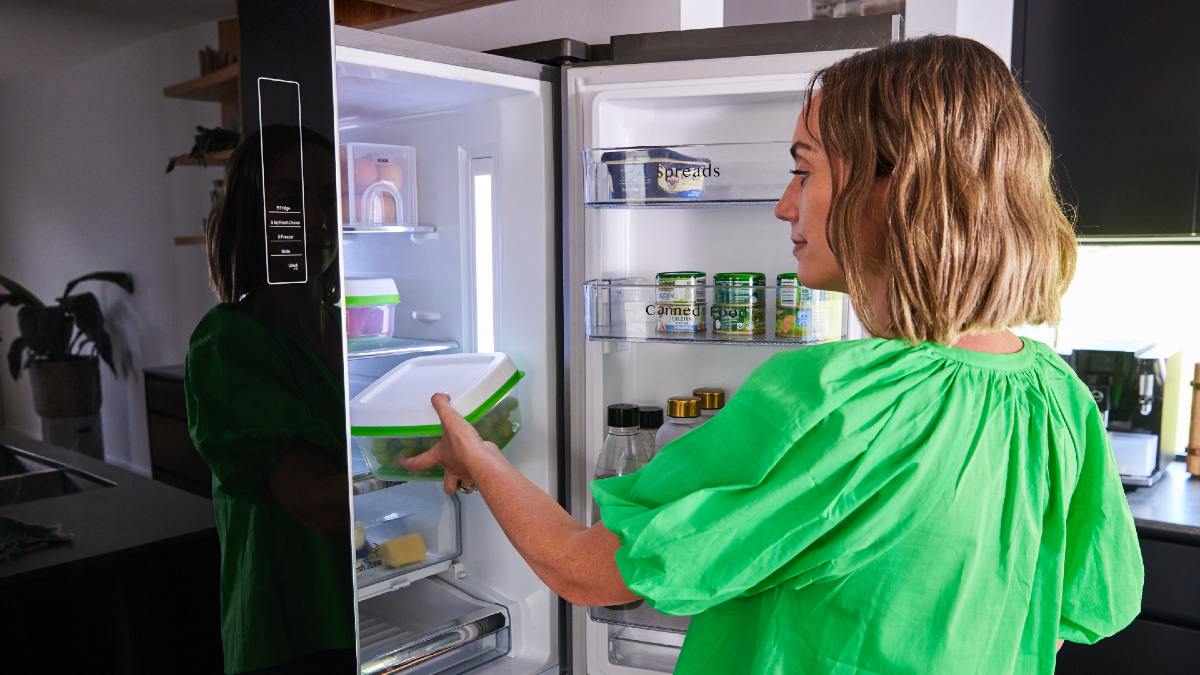
Fridges and freezers should be kept running if they're storing food.
Pre-holiday home checklist: what to do before you leave
Use this checklist before heading off on your next holiday:
- Unplug unnecessary electrical appliances and chargers.
- Switch off unused heating and cooling systems.
- Check whether your hot water system has a holiday mode.
- Turn off the mains water supply if appropriate.
- Inspect taps, toilets and plumbing connections for leaks.
- Keep essential appliances and security systems powered.
- Empty rubbish bins and remove perishable food.
- Lock windows, doors, garages and sheds.
- Arrange mail collection and property checks.
- Review home insurance requirements for extended absences.
Taking these precautions before travelling can help reduce household running costs, minimise potential damage and provide greater peace of mind while you're away.
RACV Trades is a trading name of RACV's trade partner, Club Home Response Pty Ltd (Victorian registered domestic building practitioner number CDB-U 100178). All works are performed or arranged by Club Home Response Pty Ltd. trading as RACV Trades. See RACV Trades terms and conditions.